Content Menu
● Cranberry Extract vs. Maca Extract: The Essential Comparison
● Protein Digestion During Air Travel: Identify the Real Problem
>> How the body digests protein
>> Why cabin bloating does not prove poor protein digestion
● Cranberry Extract: Stronger Evidence for a Specific Urinary-Health Need
>> What clinical evidence supports
>> Why PAC specifications matter
● Maca Extract: A Different Wellness Proposition
>> What maca research actually investigates
>> Does maca improve protein digestion?
● New Insight: Compare Evidence by Endpoint, Not Ingredient Reputation
● An Industry Buyer's Checklist for Botanical Ingredient Selection
● Practical Selection Steps for Travelers
>> Step 1: Name the goal
>> Step 2: Review the exact product
>> Step 3: Consider tolerability and medications
● Which Extract Is the Superior Air Traveler Defense?
>> Turn the comparison into a better formulation brief
● Frequently Asked Questions
>> 1. Is cranberry extract better than maca extract for air travel?
>> 2. Can cranberry extract improve protein digestion?
>> 3. Does maca's protein content make it a digestive aid?
>> 4. Does 36 mg of cranberry PACs guarantee protection?
>> 5. Can cranberry treat a UTI that starts during a trip?
>> 6. Can maca or cranberry cause digestive discomfort?
Cranberry extract vs. maca extract: which belongs in an air traveler's wellness routine, especially when Protein Digestion is the concern? The evidence points to a specific answer rather than a universal winner. Cranberry has stronger clinical support for reducing recurrent urinary tract infections in certain populations. Maca has been investigated for sexual health, well-being, and fatigue-related outcomes. Neither is established as a protein-digesting aid or an all-purpose defense against the effects of flying.
My starting point for this comparison is simple: define the problem before choosing the botanical. Urinary health, digestive comfort, and travel fatigue are different needs. A compelling ingredient story should not blur those boundaries.
For Botaniex customers developing supplements, functional foods, or beverages, this distinction also creates a better product brief: select the ingredient for a defensible purpose, then verify its identity, composition, and suitability.
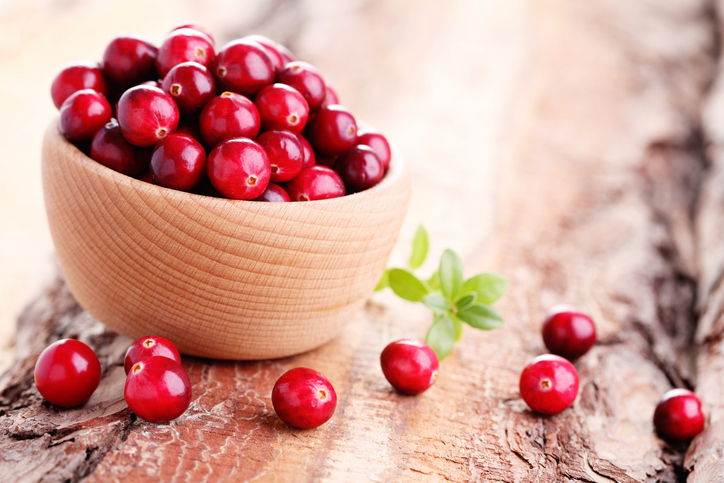
Cranberry Extract vs. Maca Extract: The Essential Comparison
Cranberry and maca are not interchangeable ingredients. Their chemistry, research histories, and potential applications differ. Cranberry research centers largely on urinary health; maca research covers a broader but less conclusive set of applications.
| Comparison point | Cranberry extract | Maca extract |
| Botanical identity | Commonly Vaccinium macrocarpon, using the fruit | Lepidium meyenii, using the underground storage organ |
| Notable constituents | Proanthocyanidins, commonly called PACs | Macamides, glucosinolates, and other compounds |
| Main evidence discussed here | Recurrent UTI prevention in selected populations | Preliminary, indication-specific findings, especially sexual health |
| Evidence for protein digestion | No established clinical benefit in the sources reviewed | No established clinical benefit in the sources reviewed |
| Evidence for flight-specific protection | Not established | Not established |
| Important formulation distinction | Extract weight does not identify PAC delivery | Root powder, gelatinized powder, and extracts differ |
Botanical identities, constituents, and research distinctions are described by NCCIH and the comprehensive maca review. The flight and digestion conclusions reflect the limits of the evidence reviewed—not proof that every possible effect has been ruled out.
Protein Digestion During Air Travel: Identify the Real Problem
How the body digests protein
Protein digestion depends on the digestive system, not simply on consuming a plant extract. Digestive juices in the stomach begin breaking down protein. Pancreatic and intestinal enzymes continue the process in the small intestine, producing smaller components that the body can absorb and use.
This makes an important distinction: an ingredient containing amino acids is not automatically an ingredient that improves digestion of dietary protein.
Maca's nutritional composition can include protein, but that fact does not establish that a maca extract increases protein breakdown or absorption. Processing also changes what remains in the finished ingredient.
Why cabin bloating does not prove poor protein digestion
The UK Civil Aviation Authority explains that gas expands by approximately 30% as cabin pressure decreases during ascent. Existing intestinal gas can therefore become more uncomfortable without demonstrating a deficiency in digestive enzymes.
This matters when comparing cranberry extract vs. maca extract for air travel. Neither ingredient should be assumed to counteract the physical expansion of gas.
For a digestive-comfort product, I would first separate three questions:
1. Is the concern pressure-related abdominal discomfort?
2. Is it a repeatable response to a particular meal or ingredient?
3. Is there a diagnosed digestive condition requiring individualized care?
A vague "air traveler defense" promise cannot answer all three.
Cranberry Extract: Stronger Evidence for a Specific Urinary-Health Need
What clinical evidence supports
The 2023 Cochrane review supports cranberry products for reducing symptomatic, culture-verified UTIs in women with recurrent UTIs, children, and people susceptible to UTIs following certain interventions. It does not establish equal benefit across all populations.
NCCIH summarizes the findings as an approximately 25% reduction in recurrent symptomatic UTI risk among women overall, while acknowledging inconsistent results. This is a relative risk reduction, not a guarantee that an individual will remain infection-free.
For a traveler already managing recurrent UTIs with a clinician, cranberry may therefore be relevant to an ongoing prevention discussion. These studies do not establish that taking cranberry immediately before boarding prevents a flight-associated UTI.
Why PAC specifications matter
Cranberry PACs are thought to interfere with bacterial adhesion to the bladder wall. This proposed mechanism concerns urinary health, not protein digestion. Processing can also affect PAC concentration.
A 2024 meta-analysis included 10 randomized controlled trials. In studies providing at least 36 mg PACs daily, the pooled UTI risk ratio was 0.82, corresponding to an 18% relative reduction.
However, this should not become a universal dosing promise. Cochrane found uncertainty about differences between PAC doses and product formats. The studies also do not support presenting a single capsule taken before departure as reliable protection.
From an ingredient-selection perspective, "500 mg cranberry extract" is therefore an incomplete specification. Buyers should ask how the material is characterized and how its composition relates to the preparation studied.
Maca Extract: A Different Wellness Proposition
What maca research actually investigates
Maca contains a complex mixture of constituents, including macamides and glucosinolates. Its composition varies with genetics, growing conditions, and post-harvest processing.
Human research has focused substantially on sexual health, with additional investigations into well-being and physical performance. A systematic review of four randomized trials found limited evidence for improvements in sexual function, but the small evidence base prevented firm conclusions.
A broader 2024 review discusses promising preclinical and clinical findings across several applications. Nevertheless, animal results, traditional use, and small human studies should not be combined into a claim of proven protection against travel stress, jet lag, or digestive problems.
Does maca improve protein digestion?
The reviewed evidence does not establish that maca extract increases digestive protease activity, improves protein absorption, or prevents post-meal bloating during flights.
Nor does maca's origin in the Andes prove protection against commercial aviation conditions. Growing at altitude is a botanical characteristic, not a clinical trial outcome.
Product form is another limitation. Maca root powder, gelatinized powder, and selectively concentrated extracts can have different compositions. Results obtained with one preparation cannot automatically substantiate claims for another.
For formulators, maca is better approached as a distinct botanical development opportunity—not a substitute for a demonstrated protein-digestion intervention.
New Insight: Compare Evidence by Endpoint, Not Ingredient Reputation
One useful way to improve this comparison is to ask what each study actually measured.
| Intended claim | Relevant endpoint | What the reviewed evidence permits |
| Recurrent urinary-health support | Symptomatic, culture-confirmed UTI recurrence | A qualified cranberry discussion for selected populations |
| Improved protein digestion | Validated measures of protein breakdown or absorption | Neither ingredient has an established benefit here |
| Reduced in-flight bloating | Symptoms measured under flight-relevant conditions | No flight-specific efficacy established |
| Reduced travel fatigue | Validated fatigue outcomes in travelers | General maca research cannot automatically substantiate this |
| General "air traveler defense" | Clearly defined clinical outcomes | Too broad to serve as a meaningful evidence claim |
The cranberry conclusions follow Cochrane; the maca limitations follow the scope and variability described in the maca review. The remaining rows identify evidence that would be needed rather than implying those trials already exist.
My editorial recommendation is to replace broad "defense" language in supporting copy with the exact function under discussion. Precision helps readers understand both the opportunity and the limits.
An Industry Buyer's Checklist for Botanical Ingredient Selection
For a manufacturer such as Botaniex, the most valuable comparison is not merely cranberry versus maca. It is whether the proposed ingredient matches the intended product and supporting evidence.
I would build the sourcing brief around six questions:
1. Botanical identity: What species and plant part are supplied?
2. Preparation: Is the material a powder, gelatinized preparation, or extract?
3. Composition: Which constituents are measured, and by what method?
4. Evidence fit: Does the proposed material resemble the studied preparation?
5. Quality documentation: What batch-specific identity, purity, and contaminant results are available?
6. Finished-product suitability: What needs evaluation in the intended capsule, beverage, or food matrix?
These are proposed due-diligence questions, not claims that a particular Botaniex material has already passed specific tests. They are especially relevant because cranberry processing affects PAC concentration and maca chemistry varies across preparations.
An extract ratio alone should not carry the clinical argument. The central question remains: what is actually delivered, and what evidence supports that preparation?
Practical Selection Steps for Travelers
Step 1: Name the goal
If the concern is recurrent UTIs, discuss prevention options with a healthcare professional. Cranberry may be relevant for some people, but it is not treatment for an existing infection.
If the concern is protein digestion, neither cranberry nor maca currently earns a recommendation based on established digestive efficacy in the sources reviewed.
Step 2: Review the exact product
Check the ingredient form, serving size, other ingredients, and relevant warnings. Do not assume that evidence for juice, root powder, or one standardized preparation transfers directly to another extract.
Step 3: Consider tolerability and medications
Large amounts of cranberry can cause stomach upset or diarrhea. NCCIH also describes conflicting evidence concerning interaction with warfarin and recommends discussing herbal products with a healthcare professional when taking medicines.
Maca studies generally report acceptable short-term tolerability, but gastrointestinal upset has occurred. Safety findings for traditional preparations should not automatically be extended to highly concentrated fractions.
Which Extract Is the Superior Air Traveler Defense?
There is no evidence-based overall winner.
Cranberry is the stronger candidate when the clearly defined objective is recurrent urinary-health support in an appropriate population. Maca has a different, still-developing research profile and should not be positioned as equivalent urinary protection. Neither has established superiority for protein digestion or flight-specific digestive comfort.
Turn the comparison into a better formulation brief
Contact Botaniex with your target application, intended market, proposed claims, and preferred dosage format. Request the available ingredient specifications and supporting documentation before selecting cranberry or maca.
For a Protein Digestion concept, ask first whether either botanical belongs in the formula at all. A credible development process starts with the intended benefit—not with a predetermined ingredient.
Frequently Asked Questions
1. Is cranberry extract better than maca extract for air travel?
Only for a narrowly defined purpose: cranberry has stronger evidence for recurrent UTI prevention in selected populations. Neither is established as a comprehensive air-travel supplement. [cochrane]
2. Can cranberry extract improve protein digestion?
The evidence reviewed does not establish that benefit. Cranberry's best-supported application concerns recurrent urinary health, not digestive protein breakdown. [niddk.nih]
3. Does maca's protein content make it a digestive aid?
No. Nutrient content and digestive efficacy are different questions. Maca composition varies, and containing protein does not demonstrate improved digestion of a meal. [pmc.ncbi.nlm.nih]
4. Does 36 mg of cranberry PACs guarantee protection?
No. One meta-analysis found a benefit in the subgroup receiving at least 36 mg daily, but Cochrane identified uncertainty about optimal dosing. Neither finding guarantees individual protection. [cochrane]
5. Can cranberry treat a UTI that starts during a trip?
Cranberry should not replace diagnosis or proven treatment. NCCIH advises people who suspect a UTI to seek healthcare assessment. [nccih.nih]
6. Can maca or cranberry cause digestive discomfort?
Yes. Cranberry can cause stomach upset or diarrhea at high intake, and maca studies have reported gastrointestinal symptoms. Neither should be assumed to improve comfort simply because it is plant-derived. [pmc.ncbi.nlm.nih]
Hot Tags: China, Global, OEM, private label, manufacturers, factory, suppliers, manufacturing company