Content Menu
● 1. Solvent Properties Determine Extraction Fundamentals: Polarity Is Key
>> 1.1 Water Extraction: Strongly Polar Solvent for Water-Soluble Components
>> 1.2 Ethanol Extraction: Medium Polarity with Adjustable Selectivity
● 2. Process Conditions and Industrial Differences
>> Water Extraction Process Characteristics
>> Ethanol Extraction Process Characteristics
● 3. Component Selectivity and Product Positioning
● 4. Comparative Analysis: Eurycoma longifolia Extraction
>> 4.1 Water Extraction of Tongkat Ali
>> 4.2 Ethanol Extraction (Mainstream Method)
>> 4.3 Hydroalcoholic Extraction (Optimal Approach)
● 5. Product Quality and Stability
>> Water Extracts
>> Ethanol Extracts
● 6. Recommended Applications
>> Suitable for Water Extraction
>> Suitable for Ethanol Extraction
● 7. Choosing the Right Extraction Process
● 8. Final Remarks
Botanical extracts have become indispensable raw materials in modern food, nutraceutical, cosmetic, and pharmaceutical industries. As consumer demand for natural, safe, and high-efficacy products continues to rise, the choice of extraction technology directly determines product quality, active compound content, and market competitiveness. Among various extraction methods, water extraction and ethanol extraction are the two most fundamental and widely applied approaches. Due to differences in solvent polarity, dissolution mechanisms, and process conditions, these methods exhibit significant variations in component selectivity, extraction efficiency, and application scenarios.
This article provides a systematic comparison of “water extraction vs. ethanol extraction,” and, using the popular ingredient Eurycoma longifolia (Tongkat Ali) as a case study, analyzes the advantages, limitations, and suitability of each method to support more informed process selection.
1. Solvent Properties Determine Extraction Fundamentals: Polarity Is Key
The essence of botanical extraction lies in the “selective dissolution and mass transfer” of phytochemicals, where solvent polarity plays a decisive role.
1.1 Water Extraction: Strongly Polar Solvent for Water-Soluble Components
Water is a highly polar protic solvent with a high dielectric constant, following the principle of “like dissolves like.” It effectively extracts:
· Polysaccharides
· Saponins
· Flavonoid glycosides
· Certain polyphenols
· Amino acids and proteins
· Inorganic salts
These components are typically nutritional or foundational functional substances widely used in foods and traditional health products.
Advantages:
· High safety; no organic solvent residues
· Low cost; readily available
· Simple process; suitable for large-scale production
Limitations:
· Co-extraction of impurities such as starch, pectin, and mucilage
· High viscosity and turbidity of extracts
· Difficult downstream processing (filtration, concentration)
· Lower product purity
1.2 Ethanol Extraction: Medium Polarity with Adjustable Selectivity
Ethanol is a medium-polarity solvent miscible with water in any ratio, making it an ideal tunable extraction medium.
· 70–95% ethanol: suitable for medium- to low-polarity compounds (e.g., flavonoids, terpenoids, steroids, volatile oils)
· 30–60% ethanol: extracts both hydrophilic and lipophilic components
Advantages:
· Strong selectivity; enables enrichment of target actives
· Fewer impurities (e.g., starch, pectin)
· Clear extracts; efficient downstream processing
· Inhibits enzymatic activity, reducing degradation
Limitations:
· Flammable; requires explosion-proof equipment
· Higher cost than water extraction
· Residual solvent control required (typically ≤0.5%)
2. Process Conditions and Industrial Differences
Water Extraction Process Characteristics
· Temperature: 60–100°C (or low-temperature maceration)
· Equipment: standard heated extraction tanks
· Process flow: extraction → filtration → concentration → drying
Challenges:
· High energy consumption (especially during concentration)
· High impurity load; often requires additional purification (e.g., ethanol precipitation, membrane filtration)
· Longer production cycles
Ethanol Extraction Process Characteristics
· Temperature: 40–70°C
· Equipment: explosion-proof extractors, solvent recovery systems, vacuum concentrators
· Solvent recycling is feasible
Advantages:
· Higher concentration efficiency (ethanol boiling point: 78.3°C)
· Relatively lower energy consumption
· Higher purity and stability
· Better process control
3. Component Selectivity and Product Positioning
· Water extraction: targets highly polar, water-soluble components; higher impurity content; lower purity; suitable for foods and beverages; lower standardization
· Ethanol extraction: targets medium-to-low polarity active compounds; lower impurity content; higher purity; suitable for nutraceuticals and pharmaceuticals; higher standardization

4. Comparative Analysis: Eurycoma longifolia Extraction
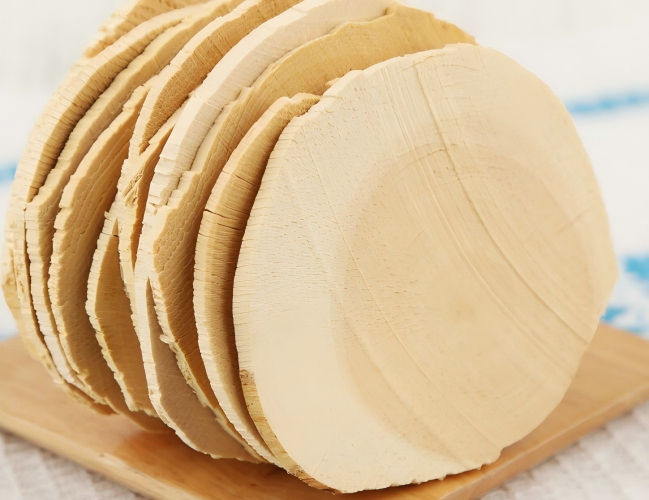
Eurycoma longifolia is a high-value botanical, with eurycomanone as its key active compound—a quassinoid with medium-to-low polarity.
4.1 Water Extraction of Tongkat Ali
· Closer to traditional decoction methods
· Extracts polysaccharides and some saponins
Pros:
· Good water solubility
· No solvent residue
· Suitable for teas and instant beverages
Cons:
· Low yield of eurycomanone
· Poor stability of active components
· Difficult to meet export standards
4.2 Ethanol Extraction (Mainstream Method)
· Recommended concentration: 70–80% ethanol
Advantages:
· Efficient extraction of eurycomanone
· Low impurity content; high purity
· Easy standardization (quantifiable active markers)
· Meets international market requirements
Applications:
· Nutraceutical ingredients
· Functional foods
· Export-oriented products
4.3 Hydroalcoholic Extraction (Optimal Approach)
Commonly used industrially (ethanol + water system):
Advantages:
· Higher yield of active compounds
· Retains some nutritional components
· Reduced viscosity; improved filtration efficiency
· Balanced cost and quality
5. Product Quality and Stability
Water Extracts
· Appearance: dark brown
· Hygroscopic; prone to caking
· Turbid solutions
· Lower stability; more susceptible to spoilage
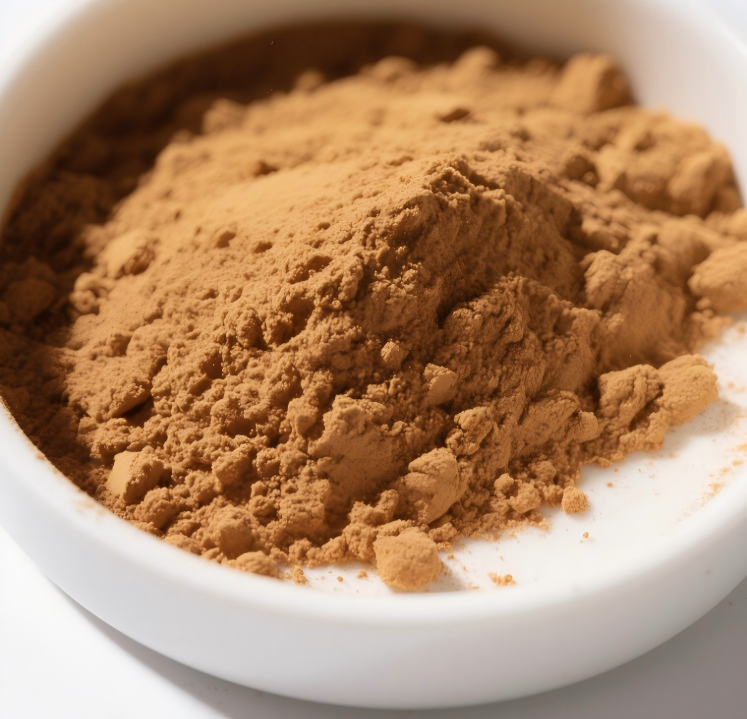
Ethanol Extracts
· Appearance: yellow to brownish-yellow
· Higher stability
· Fewer impurities
· Longer shelf life
6. Recommended Applications
Suitable for Water Extraction
· Botanical beverage ingredients
· Traditional herbal extracts
· Functional foods
· Polysaccharide-rich products
Suitable for Ethanol Extraction
· Standardized botanical extracts
· High-active-content products
· Tongkat Ali extract
· Grape seed extract
· Ginkgo biloba extract
7. Choosing the Right Extraction Process
Water and ethanol extraction each have distinct advantages:
· Water extraction: safe, cost-effective, suitable for basic products
· Ethanol extraction: high purity, high value, suitable for premium markets
For Eurycoma longifolia:
· Ethanol or hydroalcoholic extraction is the optimal choice
· Significantly increases eurycomanone content
· Enables product standardization and global market access
8. Final Remarks
In the botanical extract industry, extraction technology not only determines product quality but also directly impacts market competitiveness. As the industry moves toward higher standards and purity, ethanol-based and hybrid extraction technologies are becoming the dominant trend.
When selecting an extraction process, companies should consider:
· Raw material characteristics
· Target compounds
· Cost control
· Application scenarios
Only by aligning “process + composition + market” can truly competitive botanical extract products be developed.