Content Menu
● Understanding the Blood Sugar Ingredient Landscape
● Banaba Leaf Extract: A Science-Driven Botanical Solution
>> Key Advantages for B2B Buyers
● Banaba Leaf Extract vs. Chromium
>> Chromium: Widely Used but Limited Differentiation
>> Why Banaba Offers More Value
● Banaba Leaf Extract vs. Cinnamon Extract
>> Cinnamon: Familiar but Inconsistent
>> Banaba’s Advantage in Standardization
● Banaba Leaf Extract vs. Bitter Melon Extract
>> Bitter Melon: Strong Tradition, Taste Limitations
>> Banaba’s Broader Application Range
● Banaba Leaf Extract vs. Alpha-Lipoic Acid (ALA)
>> ALA: Effective but Not Botanical
>> Banaba Aligns with Clean-Label Trends
● Why B2B Buyers Are Increasingly Choosing Banaba Leaf Extract
>> Differentiation in a Crowded Market
>> Flexibility for Custom Formulations
>> Strong Fit for Long-Term Product Strategies
● Best Practice: Combine Banaba with Complementary Ingredients
● Banaba Leaf Extract as a Next-Generation Blood Sugar Ingredient
As demand for blood sugar management solutions continues to grow in the U.S. market, supplement manufacturers and functional food brands are faced with an important question: which blood sugar ingredient delivers the best balance of efficacy, market appeal, and formulation flexibility?
Commonly used ingredients such as chromium, cinnamon extract, bitter melon, and alpha-lipoic acid all play a role in glucose metabolism. However, Banaba Leaf Extract standardized to Corosolic Acid is increasingly standing out as a next-generation solution for B2B buyers seeking differentiation and scientific credibility.
This article compares Banaba Leaf Extract with other popular blood sugar ingredients, helping manufacturers and ingredient buyers make informed sourcing and formulation decisions.
Understanding the Blood Sugar Ingredient Landscape
Blood sugar management formulas often rely on a combination of ingredients, each supporting glucose metabolism through different mechanisms. In the U.S. B2B market, the most commonly used ingredients include:
· Chromium (Chromium Picolinate or Chromium GTF)
· Cinnamon Extract
· Bitter Melon Extract
· Alpha-Lipoic Acid (ALA)
· Banaba Leaf Extract (Corosolic Acid)
Each ingredient has strengths, but not all offer the same level of flexibility, differentiation, or marketing value.

Banaba Leaf Extract: A Science-Driven Botanical Solution
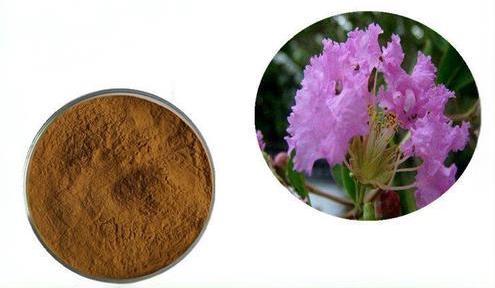
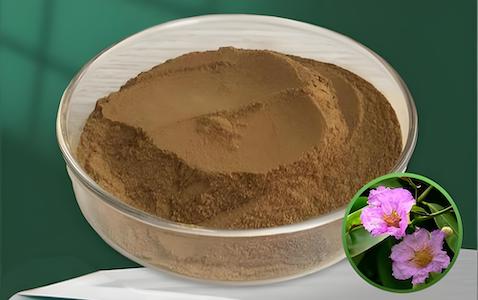
Banaba Leaf Extract is derived from Lagerstroemia speciosa and is standardized to Corosolic Acid, the compound responsible for its metabolic benefits. Corosolic Acid supports glucose uptake into cells and helps maintain insulin sensitivity, earning Banaba its reputation as a “plant-based insulin-like ingredient.”
Key Advantages for B2B Buyers
· Clear standardization (Corosolic Acid %)
· Strong positioning for blood sugar and metabolic health
· Suitable for supplements, beverages, and functional foods
· Clean-label, plant-based appeal
Unlike some traditional ingredients, Banaba Leaf Extract offers both scientific clarity and formulation versatility, making it attractive for modern health brands.
Banaba Leaf Extract vs. Chromium
Chromium: Widely Used but Limited Differentiation
Chromium has long been used in blood sugar supplements due to its role in insulin function. While effective, chromium is:
· Extremely common
· Often perceived as a “basic” ingredient
· Limited in branding and differentiation potential
For B2B buyers, chromium alone rarely provides a strong marketing story.
Why Banaba Offers More Value
Banaba Leaf Extract complements or outperforms chromium by offering:
· A botanical, plant-based narrative
· A specific active compound (Corosolic Acid)
· Greater flexibility in dosage and positioning
Many manufacturers now use Banaba instead of or alongside chromium to enhance both efficacy and product appeal.
Banaba Leaf Extract vs. Cinnamon Extract
Cinnamon: Familiar but Inconsistent
Cinnamon extract is popular due to consumer familiarity and traditional use. However, its effectiveness often varies depending on:
· Species used
· Extraction method
· Active compound consistency
This inconsistency can be challenging for B2B buyers seeking standardized results.
Banaba’s Advantage in Standardization
Banaba Leaf Extract offers clearly defined Corosolic Acid standardization, providing:
· Consistent batch-to-batch quality
· Easier formulation control
· Clearer functional positioning
From a B2B perspective, this reliability reduces formulation risk and improves scalability.
Banaba Leaf Extract vs. Bitter Melon Extract
Bitter Melon: Strong Tradition, Taste Limitations
Bitter melon has a long history in traditional medicine and is effective for glucose support. However, it presents challenges such as:
· Strong bitterness affecting taste
· Limited application in beverages and foods
· Less precise active compound standardization
Banaba’s Broader Application Range
Banaba Leaf Extract is easier to incorporate into:
· Capsules and tablets
· Functional beverages
· Nutrition bars and powders
This broader usability makes Banaba more versatile for manufacturers developing multiple product formats.
Banaba Leaf Extract vs. Alpha-Lipoic Acid (ALA)
ALA: Effective but Not Botanical
Alpha-lipoic acid is well-known for its antioxidant and glucose metabolism benefits. However:
· It is synthetic or semi-synthetic
· Does not align with clean-label or plant-based trends
· May face stability issues in some formulations
Banaba Aligns with Clean-Label Trends
For brands prioritizing natural positioning, Banaba Leaf Extract offers:
· Plant-based origin
· Compatibility with clean-label claims
· Strong consumer perception of “natural wellness”
This makes Banaba especially appealing for brands targeting premium or lifestyle-focused markets.
Why B2B Buyers Are Increasingly Choosing Banaba Leaf Extract
Differentiation in a Crowded Market
Blood sugar supplements are highly competitive. Ingredients like chromium and cinnamon are no longer enough to stand out. Banaba Leaf Extract provides a distinctive, science-backed point of differentiation.
Flexibility for Custom Formulations
With multiple Corosolic Acid concentrations available, Banaba supports:
· Entry-level products
· High-potency premium formulas
· Custom private-label solutions
This flexibility is essential for contract manufacturers and brand owners alike.
Strong Fit for Long-Term Product Strategies
Banaba Leaf Extract aligns with key market trends, including:
· Metabolic health awareness
· Plant-based and clean-label demand
· Evidence-based ingredient selection
As a result, it is increasingly viewed as a long-term strategic ingredient, not just a supporting component.
Best Practice: Combine Banaba with Complementary Ingredients
Rather than replacing all other blood sugar ingredients, many successful formulas combine Banaba Leaf Extract with:
· Chromium for insulin support
· Cinnamon for traditional appeal
· Bitter melon for synergistic effects
In these formulations, Banaba often serves as the core active ingredient, anchoring the product’s functional claim.
Banaba Leaf Extract as a Next-Generation Blood Sugar Ingredient
When comparing Banaba Leaf Extract with other blood sugar ingredients, its advantages become clear. While traditional ingredients like chromium, cinnamon, and bitter melon still have value, Banaba Leaf Extract standardized to Corosolic Acid offers superior differentiation, consistency, and formulation versatility.
For U.S. B2B buyers seeking reliable, market-ready solutions for blood sugar and metabolic health products, Banaba Leaf Extract represents a smart and future-focused choice.