Content Menu
● What Brazilian Buyers Want
● Best-Selling Botanical Extracts
● Fast-Growing Demand Segments
● Product Formats With Strong Sales Potential
● Opportunities for Chinese Suppliers
● OEM and Private Label Demand
● Practical Data Summary
Brazil is one of the most important growth markets for botanical extracts, dietary supplements, and functional nutrition in Latin America. Rising consumer interest in preventive healthcare, natural ingredients, and clean-label products is driving strong demand across supplements, functional foods, beverages, and cosmetics. Brazil’s nutraceutical market reached about USD 11.5 billion in 2025, while the herbal extract market was valued at about USD 1.04 billion in 2023 and is forecast to reach USD 1.81 billion by 2030.
For ingredient suppliers, supplement brands, and OEM manufacturers, Brazil offers a major opportunity for products based on plant extracts with clear functional positioning. The most commercial categories tend to be those linked to energy, immunity, men’s health, digestion, weight management, sleep, and antioxidant support. Market reports also indicate that food and beverage is the dominant application segment for botanical extracts in Brazil, while cosmetics is one of the fastest-growing uses.
What Brazilian Buyers Want
Brazilian consumers are increasingly choosing natural and plant-based products, especially those that support everyday wellness. Demand is being driven by lifestyle-related health concerns, a growing middle class, and stronger interest in functional foods, fortified beverages, and dietary supplements. Industry reports also note increasing demand for transparency in sourcing and clean-label positioning, which makes standardized botanical extracts especially attractive.
From a product development point of view, Brazilian buyers often look for ingredients that are easy to formulate, stable in production, and suitable for capsule, tablet, powder, or beverage formats. This creates strong opportunities for extracts with clear functionality and good technical documentation.
Best-Selling Botanical Extracts
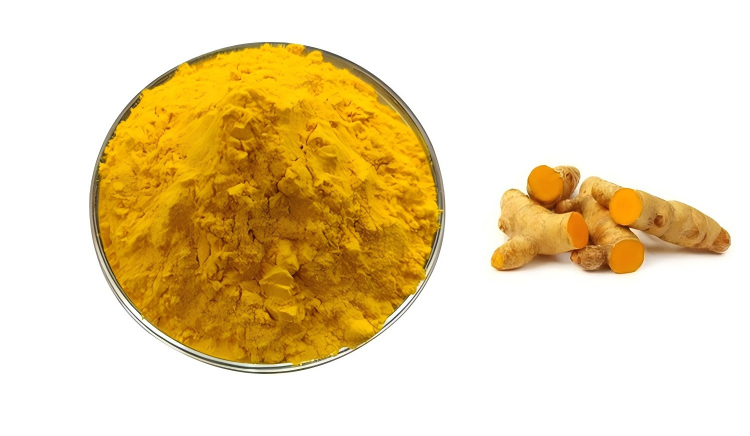
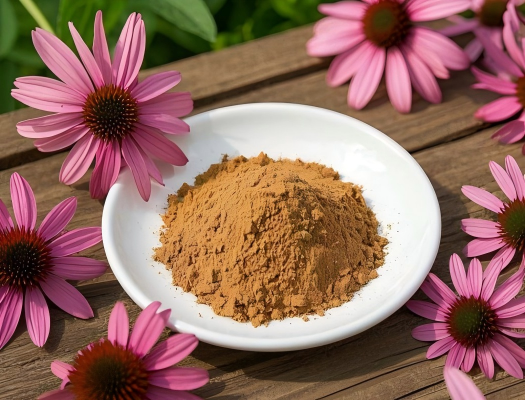
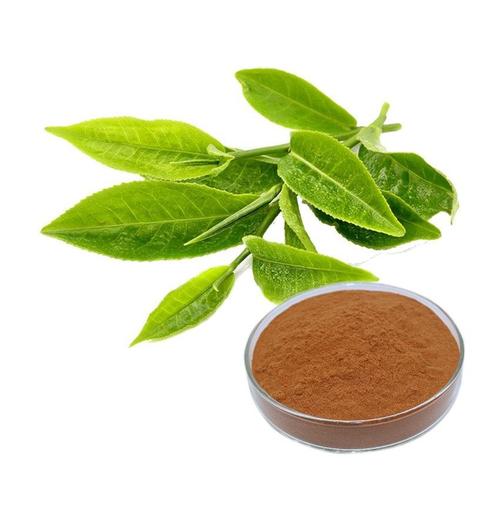
The following botanical extracts are among the most commercially relevant for the Brazilian market based on current market activity and industry demand trends. Popular examples cited in Brazil market research include turmeric, ginseng, ginger, green tea, and echinacea, while broader market segmentation also includes aloe, rosemary, valerian, saw palmetto, beet root, cinnamon, and ashwagandha.
Botanical Extract | Main Consumer Need | Typical Product Use | Market Appeal in Brazil |
Turmeric / Curcumin | Inflammation support, wellness | Capsules, tablets, powders | Very strong, broad wellness appeal. |
Green Tea Extract | Antioxidant, weight management | Slimming formulas, beverages | Strong demand in functional products. |
Ginseng Extract | Energy, vitality, adaptogen support | Capsules, tonic blends | Popular in herbal supplements. |
Ginger Extract | Digestion, warming, immunity | Gummies, powders, teas | Widely accepted in food and supplement products. |
Echinacea Extract | Immune support | Cold-season formulas | Common in wellness products. |
Aloe Vera Extract | Digestive and skincare support | Drinks, cosmetics, gels | Relevant in both supplements and beauty. |
Rosemary Extract | Antioxidant, preservation | Supplements, foods | Good fit for clean-label product lines. |
Saw Palmetto Extract | Men’s health | Softgels, capsules | Important niche for male wellness. |
Ashwagandha Extract | Stress support, sleep | Capsules, powders | Increasingly relevant in premium supplements. |
Beet Root Extract | Circulation, sports nutrition | Pre-workout powders, capsules | Strong for active lifestyle positioning. |
Fast-Growing Demand Segments
The Brazilian botanical extract market is not only about one or two hero ingredients. Demand is spreading across several health categories. Reports on the nutraceutical sector show strong consumer interest in immune support, mental clarity, digestive health, and energy enhancement, while botanical extract research highlights rising use in functional foods and beverages.
The most promising demand segments include:
· Energy and vitality supplements.
· Men’s health formulas.
· Weight management and metabolism support.
· Immune support products.
· Digestive wellness solutions.
· Sleep and relaxation products.
· Antioxidant and anti-aging formulas.
These segments are attractive because they align with everyday consumer needs and are easy to position in both retail and OEM/private label channels.
Product Formats With Strong Sales Potential
In Brazil, botanical extracts are used in multiple delivery formats, but capsules and powders remain the most common in the supplement channel. Functional beverages are also gaining ground, especially as consumers look for convenience and healthier alternatives to traditional drinks. Market research indicates that the food and beverage sector is currently the leading application area for botanical extracts in Brazil.
The most marketable formats are:
· Capsules and hard capsules for standardized extracts.
· Tablets for cost-effective daily supplementation.
· Powders and sachets for instant nutrition and beverages.
· Gummies for lifestyle and consumer-friendly positioning.
· Liquid blends and tonics for functional wellness products.
For OEM buyers, the ideal format depends on target consumer, price point, and distribution channel.
Opportunities for Chinese Suppliers
Chinese extract manufacturers have a major opportunity in Brazil because they can provide a wide portfolio, competitive pricing, and flexible OEM services. As global sourcing pressure increases, buyers are looking for suppliers who can offer standardized botanical extracts, technical support, and stable supply. China remains a major export base for botanical ingredients, especially for high-volume categories such as green tea, turmeric, ginseng, and mixed herbal extracts.
For Brazilian importers and brand owners, the key advantage of working with Chinese suppliers is the ability to develop products quickly while controlling cost. This is especially valuable in categories like men’s health, functional beverages, and herbal supplements, where ingredient quality and consistency directly affect brand trust.
OEM and Private Label Demand
Brazil’s supplement market is highly suitable for OEM and private label development because brands want to launch quickly without building full manufacturing infrastructure. Contract manufacturing allows companies to focus on branding, sales, and distribution while relying on an experienced extract supplier for raw materials, formulation support, and production coordination.
A strong OEM program for Brazil should include:
· Ingredient sourcing and standardization.
· Formula customization.
· Sample development.
· Label and packaging support.
· Bulk production planning.
· Export documentation.
This model works especially well for botanical extract products because they can be adapted into many formats and positioned for different consumer groups.
Practical Data Summary
Here is a quick data snapshot that can be used in your article, sales deck, or landing page. Brazil’s nutraceutical market is estimated at USD 11.5 billion in 2025, the herbal extract market at USD 1.04 billion in 2023, and the nutraceutical market is projected to reach USD 19.4 billion by 2034.
Metric | Value |
Brazil nutraceuticals market size | USD 11.5 billion in 2025 |
Brazil nutraceuticals market forecast | USD 19.4 billion by 2034 |
Brazil herbal extract market size | USD 1,044.3 million in 2023 |
Brazil herbal extract market forecast | USD 1,809.4 million by 2030 |
Dominant application area | Food & beverage |
Fastest-growing application area | Cosmetics |
Popular extracts | Turmeric, ginseng, ginger, green tea, echinacea |
Brazil is a strong market for botanical extracts because consumer demand is rising across supplements, functional foods, beverages, and cosmetics. The most commercially attractive extracts are those linked to energy, immunity, digestion, weight management, men’s health, and antioxidant support. Reports show that food and beverage is the leading application segment, while cosmetics is growing quickly, creating room for both B2B ingredient sales and OEM product development.
For Chinese suppliers and supplement manufacturers, the best strategy is to focus on standardized extracts, product flexibility, and private label support. That combination matches the needs of Brazilian brands that want fast market entry, stable quality, and strong consumer appeal.