Cinnamon bark extract shows stronger direct evidence for GLUT4 activation and glucose uptake, while Tongkat Ali extract offers complementary metabolic and endocrine support that can synergize with cinnamon in blood sugar–focused formulations. For product developers, positioning cinnamon as the primary GLUT4‑targeting ingredient and Tongkat Ali as a supportive adaptogenic and β‑cell–protective co‑actives aligns well with both science and market expectations. [pmc.ncbi.nlm.nih]
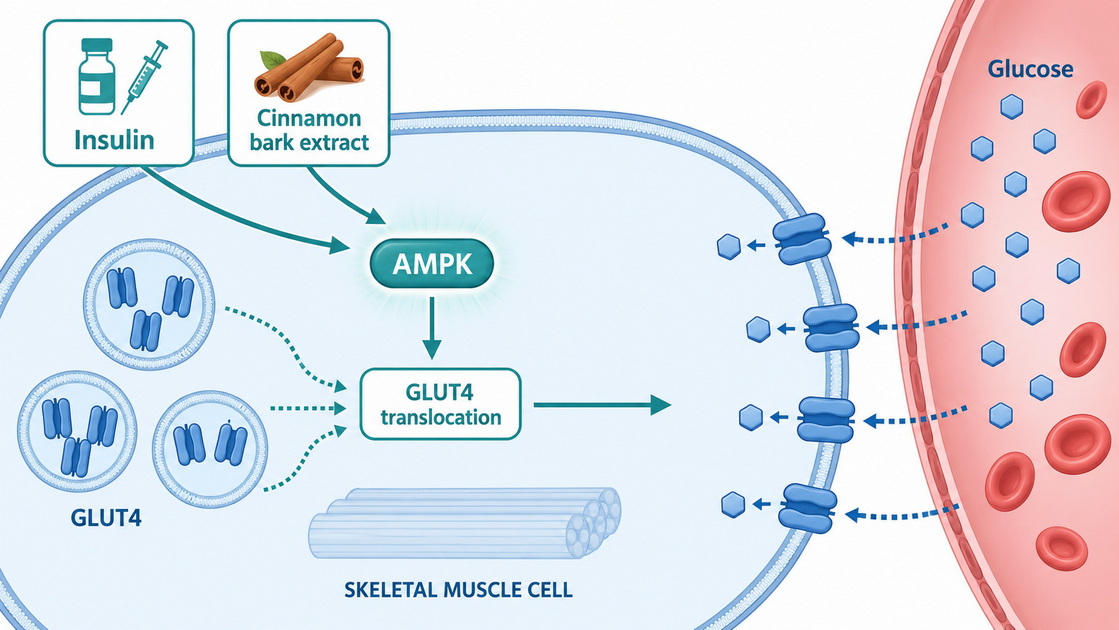
What Is GLUT4 and Why It Matters for Metabolic Health
GLUT4 (Glucose Transporter‑4) is an insulin‑responsive transporter that shuttles glucose from the bloodstream into skeletal muscle and adipose tissue cells. When insulin signaling is impaired, GLUT4 expression and translocation decline, contributing to elevated blood glucose and insulin resistance. Enhancing GLUT4 expression or translocation is therefore a major target in metabolic health products, as it supports more efficient glucose disposal and improved glycemic control. [pmc.ncbi.nlm.nih]
Cinnamon Bark Extract and GLUT4 Activation: What the Evidence Shows
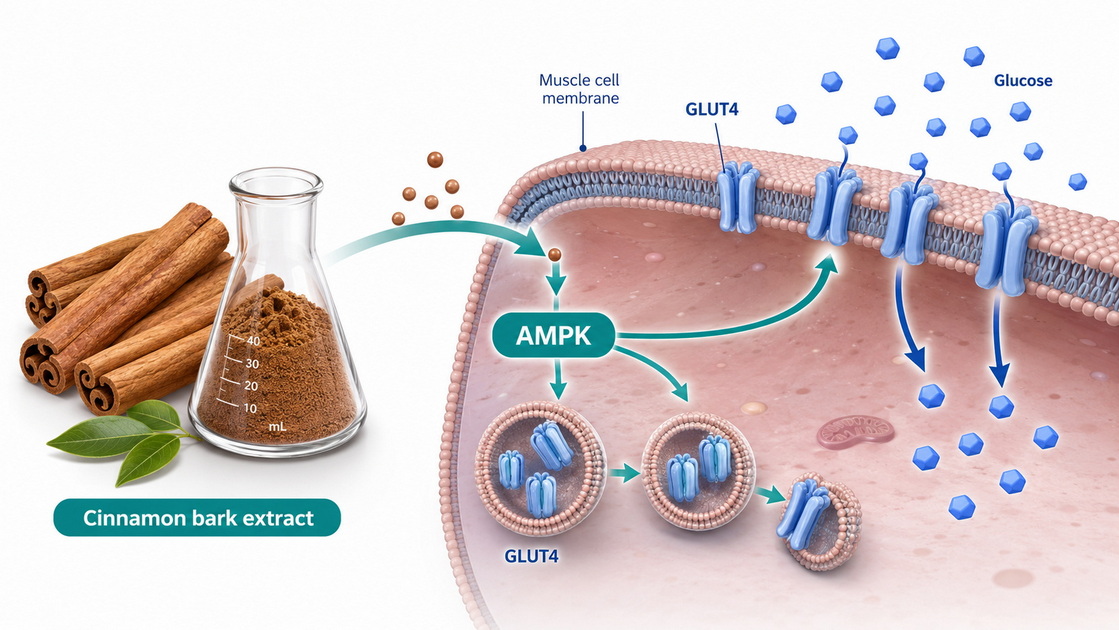
From an industry formulator's perspective, cinnamon bark extract is one of the best‑documented botanical options for directly modulating GLUT4. Several studies show that water‑soluble cinnamon extracts and their polyphenols increase GLUT4 mRNA and protein, and drive GLUT4 translocation to the cell surface in adipocytes and myocytes. In 3T3‑L1 adipocytes and C2C12 myocytes, cinnamon extract enhanced glucose uptake by stimulating GLUT4 translocation via AMPK‑related signaling pathways, effectively mimicking some insulin actions. [journals.plos]
A hydro‑alcoholic cinnamon extract also increased GLUT4 content in the cell membrane of muscle cells in a dose‑dependent manner, further supporting its direct effect on glucose transport. Reviews of cinnamon derivatives confirm that cinnamon polyphenols can upregulate insulin receptor proteins and GLUT4, reinforcing cinnamon's role as a front‑line botanical for GLUT4‑centric glucose support formulas. [pubmed.ncbi.nlm.nih]
Tongkat Ali Extract and Glucose Metabolism: Indirect but Valuable Support
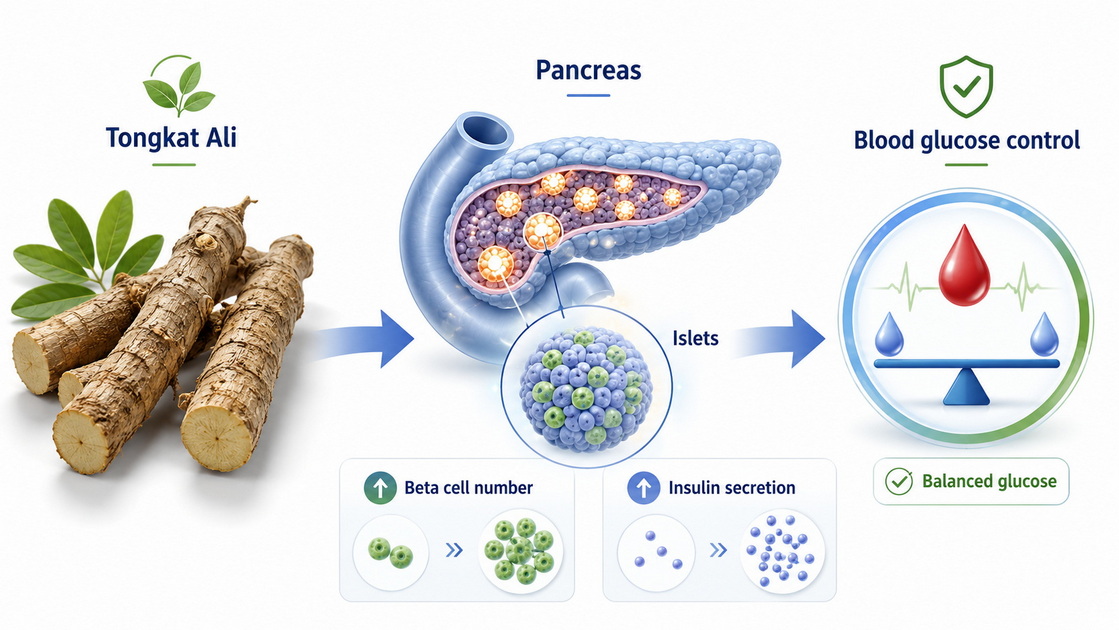
Tongkat Ali (Eurycoma longifolia) extract is better known for its effects on stress, testosterone, and vitality, but emerging data point to indirect antidiabetic and metabolic benefits. In db/db diabetic mice, powdered Eurycoma longifolia root reduced fasting blood glucose when given orally over eight weeks, while improving pancreatic islet performance and β‑cell number. This effect was associated with increased PDX1 expression (a key transcription factor for β‑cell function), higher insulin levels, and enhanced islet mass, suggesting better endogenous insulin output. [pubmed.ncbi.nlm.nih]
Although current studies do not specifically show Tongkat Ali directly upregulating GLUT4, improved β‑cell function and insulin secretion can secondarily promote GLUT4 translocation in muscle and adipose tissue by restoring more physiologic insulin signaling. For formulators, this positions Tongkat Ali as a supportive antidiabetic botanical that complements, rather than replaces, a GLUT4‑centric ingredient such as cinnamon bark extract. [pmc.ncbi.nlm.nih]
Cinnamon Bark Extract vs. Tongkat Ali Extract: GLUT4‑Focused Comparison
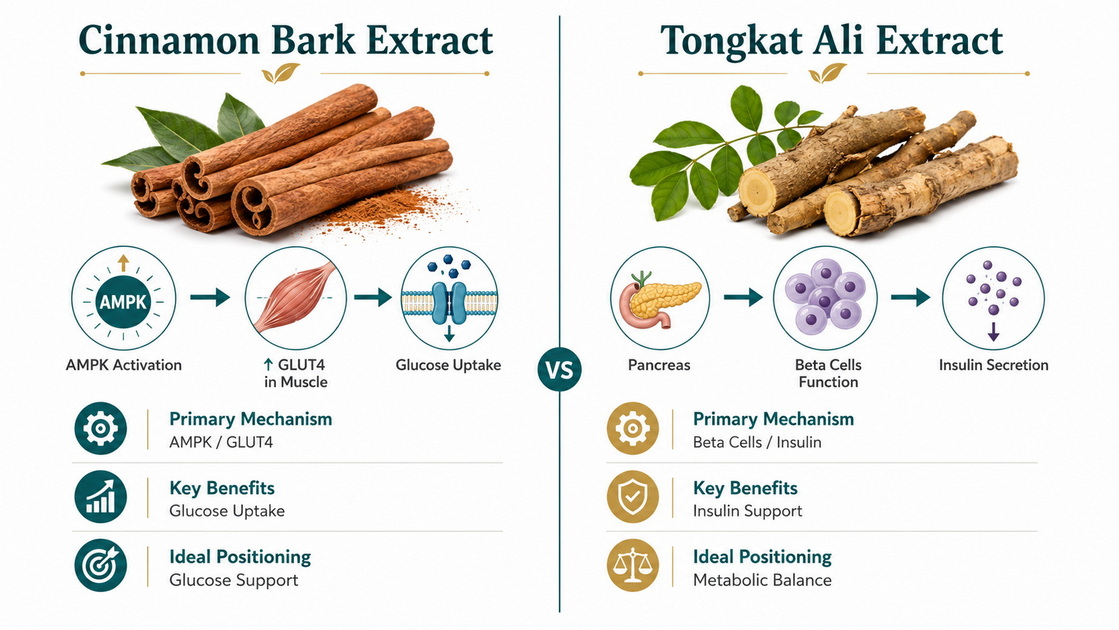
From a product development angle, it helps to contrast these extracts specifically around GLUT4 and downstream metabolic effects.
GLUT4‑Relevant Features of Each Extract
| Dimension | Cinnamon Bark Extract | Tongkat Ali Extract |
| Primary metabolic mechanism | Direct enhancement of GLUT4 expression and translocation in adipocytes and myocytes, increasing cellular glucose uptake. pmc.ncbi.nlm.nih | Improves β‑cell function, increases PDX1 expression, and enhances insulin secretion in diabetic models, indirectly supporting glucose handling. pubmed.ncbi.nlm.nih |
| Evidence for GLUT4 | Multiple in vitro and in vivo studies show increased GLUT4 content in membranes and improved glucose uptake via AMPK and related signaling. pmc.ncbi.nlm.nih | No direct GLUT4‑specific data yet, but better insulin output can promote physiologic GLUT4 activation downstream. pubmed.ncbi.nlm.nih |
| Additional metabolic effects | Improves glucose and lipid profiles and may increase insulin receptor levels and insulin sensitivity. pubmed.ncbi.nlm.nih | Lowers fasting blood glucose in diabetic mice, increases islet volume and beta‑cell number, and enhances pancreatic performance. pubmed.ncbi.nlm.nih |
| Core positioning | Primary GLUT4‑targeting, glucose‑transport–focused botanical. | Secondary endocrine and adaptogenic support for insulin production and metabolic resilience. |
| Typical health claims (compliant framing) | Supports healthy glucose metabolism, insulin function, and cellular glucose uptake. pmc.ncbi.nlm.nih | Supports healthy endocrine balance, stress resilience, and normal blood sugar levels within the normal range. pubmed.ncbi.nlm.nih |
For Botaniex, this comparison supports a tiered positioning: cinnamon bark extract as the hero ingredient for GLUT4 activation, and Tongkat Ali extract as an adjunct ingredient that stabilizes upstream insulin production and stress responses.
A Formulator's Perspective
In practice, experienced formulators rarely rely on a single mechanism. Instead, they combine ingredients that hit the glucose–insulin axis at multiple levels. Cinnamon bark extract targets the peripheral tissue side by upregulating GLUT4 and improving glucose transport into muscle and adipose cells. Tongkat Ali helps on the pancreatic and neuroendocrine side, supporting β‑cell function, insulin secretion, and stress‑related hormonal balance that can otherwise impair glycemic control. [nature]
By combining both, a finished product can be positioned as "multi‑mechanism glucose support": cinnamon helping cells pull glucose out of the bloodstream more efficiently, while Tongkat Ali supports the body's own hormone‑driven regulation. This integrated story resonates strongly with practitioners and consumers who now expect metabolic support formulas to address insulin sensitivity, β‑cell health, and stress physiology together, not in isolation. [onlinelibrary.wiley]
Recommended visual asset:
- Image/diagram idea: "Multi‑layer mechanism – Cinnamon + Tongkat Ali" (pancreas → insulin → muscle cell with GLUT4, annotated where each botanical acts).
- AI prompt suggestion: *"Infographic style diagram showing two plant icons (cinnamon bark and Tongkat Ali roots) affecting pancreas and muscle cell, arrows indicating insulin secretion and GLUT4 activation, clean flat design, white background."*
How an Industry Expert Evaluates Extract Quality for GLUT4‑Focused Formulas
From an industry expert standpoint, extract quality and standardization are just as important as mechanistic data when building a GLUT4‑focused product. For cinnamon bark extract, formulators typically look for:
- Defined marker compounds such as cinnamic acid and type‑A procyanidin polyphenols that have been linked to GLUT4 activation and insulin‑mimetic activity. [onlinelibrary.wiley]
- Controlled solvent systems (e.g., water‑soluble or hydro‑alcoholic extracts) that replicate the conditions used in published GLUT4 studies. [pmc.ncbi.nlm.nih]
- Low coumarin content and heavy‑metal compliance to meet safety expectations in long‑term blood sugar support products (a key regulatory and branding point in EU and US markets). [sciencedirect]
For Tongkat Ali, experts prioritize:
- Standardized eurycomanone and related quassinoids, which are used as quality markers in most clinical and preclinical work. [pmc.ncbi.nlm.nih]
- Root‑only sourcing to minimize variability and align with the evidence derived from powdered root and root extracts. [pubmed.ncbi.nlm.nih]
- Batch‑to‑batch consistency in active markers, because subtle differences in quassinoid profile can influence both endocrine and metabolic responses. [pmc.ncbi.nlm.nih]
How Brands Can Use Both Extracts
From a hands‑on formulation viewpoint, there are several practical ways to leverage the synergy between cinnamon bark extract and Tongkat Ali extract:
1. Blood Sugar–Focused Capsule or Tablet
- Core story: "Supports healthy glucose metabolism via GLUT4 activation plus endocrine balance."
- Primary actives: Standardized cinnamon bark extract (water‑soluble) at evidence‑aligned daily doses, combined with moderate‑dose Tongkat Ali extract to support insulin output and stress resilience. [pmc.ncbi.nlm.nih]
2. Metabolic Energy and Performance Formula
- Core story: "Supports metabolic efficiency, energy utilization, and training recovery."
- Mechanism: Cinnamon supports muscular glucose uptake, while Tongkat Ali supports hormonal milieu and training‑related stress responses, positioning the blend for active consumers and athletes. [nature]
3. Men's Metabolic Health and Vitality Product
- Core story: "Targets blood sugar control, healthy testosterone, and stress management."
- Mechanism: Cinnamon as the metabolic anchor (GLUT4, insulin sensitivity), Tongkat Ali as the endocrine and vitality anchor, with synergistic benefits for men with lifestyle‑related metabolic concerns. [pubmed.ncbi.nlm.nih]
How Health Brands Can Communicate the GLUT4 Story
To maximize both SEO and user understanding, an expert copywriter might structure the messaging around simple, consumer‑friendly explanations of GLUT4 while preserving scientific credibility. A practical approach:
1. Define GLUT4 in plain language
- Describe GLUT4 as the "doorway" on muscle cells that lets glucose in when insulin knocks. [pmc.ncbi.nlm.nih]
2. Explain cinnamon's role
- Emphasize that cinnamon bark extract "helps your cells bring more of those doorways to the surface," supporting healthier blood sugar responses after meals. [pmc.ncbi.nlm.nih]
3. Position Tongkat Ali as upstream support
- Clarify that Tongkat Ali "helps your body make and use insulin more effectively by supporting the pancreas and hormonal balance," based on animal and mechanistic data. [onlinelibrary.wiley]
4. Connect the dots
- Present the combination as "supporting both the hormone signal (insulin) and the cell's response (GLUT4)."
5. Reinforce safety and quality
- Highlight standardized extracts, quality systems (e.g., ISO, HACCP), and the manufacturer's R&D capabilities to strengthen trust. [shippingonline]
This structure balances science‑backed detail for practitioners and trade buyers with digestible explanations for end users, aligning with Google's E‑E‑A‑T expectations.
Where Botaniex Creates Added Value for GLUT4‑Centric Products
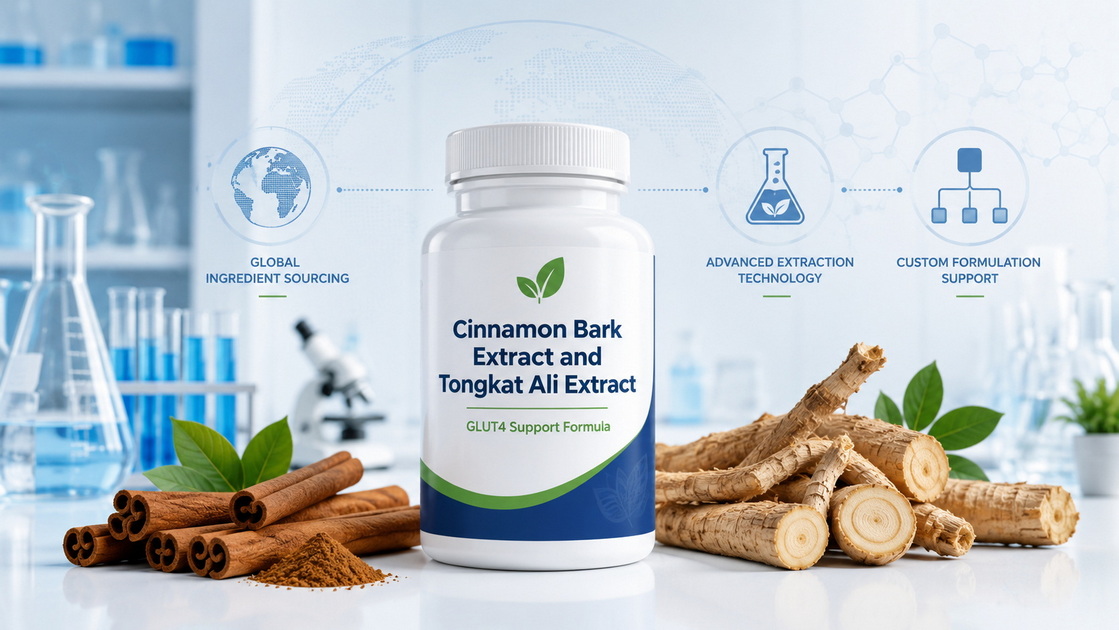
As an innovative manufacturer of botanical extracts and herbal formulations, Botaniex is well positioned to deliver customized Cinnamon Bark Extract and Tongkat Ali Extract solutions for brands that want to differentiate in the metabolic health space. With an R&D‑driven approach, advanced extraction technologies, and value‑added services such as formulation support and contract manufacturing, Botaniex can help customers: [botaniex.en.made-in-china]
- Select optimal extract types (water‑soluble vs. hydro‑alcoholic cinnamon extracts, specific Tongkat Ali standardizations) aligned with published GLUT4 and β‑cell data. [botaniex]
- Design multi‑mechanism formulas that combine GLUT4 activation, β‑cell support, and stress modulation in a single product concept. [botaniex]
- Ensure global‑market compliance through robust quality systems, documentation, and technical dossiers that support regulatory and marketing claims. [botaniex]
For brand owners, partnering with a specialized supplier like Botaniex reduces development risk and provides a stronger scientific and quality foundation for GLUT4‑oriented metabolic products.
CTA
"If you are developing next‑generation blood sugar support or metabolic health products and want to leverage GLUT4‑focused Cinnamon Bark Extract with synergistic Tongkat Ali Extract, contact Botaniex for customized ingredient solutions, technical documentation, and formulation support."
FAQs: Cinnamon Bark Extract, Tongkat Ali Extract, and GLUT4
1. Does cinnamon bark extract really activate GLUT4?
Yes. Multiple in vitro and in vivo studies show that cinnamon extracts and their polyphenols increase GLUT4 expression and promote its translocation to the cell membrane, leading to higher glucose uptake in adipocytes and muscle cells. [journals.plos]
2. Is Tongkat Ali a direct GLUT4 activator?
Current evidence focuses more on Tongkat Ali's ability to improve β‑cell function, increase PDX1 expression, and enhance insulin secretion in diabetic animal models, rather than directly upregulating GLUT4. However, better insulin output can indirectly support GLUT4 activation downstream. [pubmed.ncbi.nlm.nih]
3. Can combining cinnamon and Tongkat Ali improve blood sugar control more than using one alone?
While head‑to‑head combination trials are limited, mechanistic data support a complementary effect: cinnamon acts at the GLUT4 and insulin‑sensitivity level, and Tongkat Ali acts at the β‑cell and endocrine level, so the combination can plausibly provide broader support along the glucose–insulin axis. [pmc.ncbi.nlm.nih]
4. What type of cinnamon extract is best for GLUT4‑focused formulas?
Studies typically use water‑soluble or hydro‑alcoholic extracts standardized for polyphenolic fractions such as cinnamic acid and procyanidin‑type polymers, which have been linked to GLUT4‑related activity and insulin‑mimetic effects. [onlinelibrary.wiley]
5. How can a manufacturer like Botaniex support GLUT4‑oriented product development?
Botaniex provides standardized cinnamon and Tongkat Ali extracts, R&D and formulation support, and value‑added services such as contract manufacturing, helping brands build scientifically grounded, multi‑mechanism metabolic health products. [shippingonline]
References
1. Botaniex. Company profile and product portfolio – botanical extracts and herbal formulations. https://www.botaniex.com [botaniex]
2. Botaniex. Value Added Services. https://www.botaniex.com/value-added-services.html [botaniex]
3. Changsha Botaniex Inc. Company description and certifications. https://botaniex.en.made-in-china.com [botaniex.en.made-in-china]
4. Imparl‑Radosevich J et al. Cinnamon extract and polyphenols affect the expression of GLUT4 and insulin receptor. J Am Coll Nutr. [Abstract] https://pubmed.ncbi.nlm.nih.gov/17316549/ [pubmed.ncbi.nlm.nih]
5. Qin B et al. Cinnamon Extract Enhances Glucose Uptake in 3T3-L1 Adipocytes and C2C12 Myocytes via AMPK. PLoS One. https://journals.plos.org/plosone/article?id=10.1371%2Fjournal.pone.0087894 [journals.plos]
6. Roussel A‑M et al. Cinnamon extract lowers glucose, insulin and cholesterol. https://www.sciencedirect.com/science/article/pii/S2225411015000449 [sciencedirect]
7. Shen Y et al. Hydro‑alcoholic cinnamon extract enhances GLUT4 translocation in muscle cells. J Med Food. https://pmc.ncbi.nlm.nih.gov/articles/PMC3477449/ [pmc.ncbi.nlm.nih]
8. Anand P et al. Cinnamic acid from Cinnamomum cassia regulates glucose transport via GLUT4. Diabet Med. https://onlinelibrary.wiley.com/doi/full/10.1111/j.1753-0407.2009.00022.x [onlinelibrary.wiley]
9. Jeyabalan J et al. Prospective nutraceutical effects of cinnamon derivatives on metabolic health. Nutrients / Review. https://pmc.ncbi.nlm.nih.gov/articles/PMC10494518/ [pmc.ncbi.nlm.nih]
10. Husen R et al. The powdered root of Eurycoma longifolia Jack improves beta‑cell number and has antihyperglycemic activity in db/db mice. Nutrients. https://pmc.ncbi.nlm.nih.gov/articles/PMC7400842/ [pmc.ncbi.nlm.nih]
11. Zhang Y et al. Herbal medicines targeting improved β‑cell functions and regeneration. J Diabetes Res. https://onlinelibrary.wiley.com/doi/10.1155/2021/2920530 [onlinelibrary.wiley]