Choosing the right botanical extract supplier is one of the most important decisions for any brand developing supplements for the Brazil market. A supplier affects more than pricing. It influences product quality, formulation stability, delivery speed, documentation, and ultimately the reputation of the brand in the market. For Brazilian buyers, especially those working in OEM and private label, the supplier relationship is often the foundation of long-term business success.
As demand for natural health products continues to rise in Brazil, many brands are looking to China for botanical extracts, herbal ingredients, and custom supplement solutions. Chinese manufacturers can offer competitive pricing, a wide ingredient portfolio, and flexible production capabilities. But not every supplier is suitable for export business or for the specific needs of the Brazilian market. That is why supplier evaluation matters.
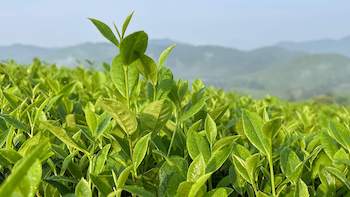
A reliable supplier should begin with product capability. Brazilian supplement brands often need ingredients such as Tongkat Ali extract, green tea extract, ginseng extract, turmeric extract, cranberry extract, maca extract, and mushroom extracts. The supplier should not only offer these ingredients, but also be able to provide different specifications depending on the target product. Some clients need standardized extracts, while others need custom ratios or formula blends. A strong supplier understands both.
Botaniex is positioned in this kind of market as a manufacturer of botanical extracts and herbal formulations for dietary supplements, functional foods, functional beverages, cosmetics, and pharmaceuticals. The company also supports private label and contract manufacturing, which makes it especially relevant for Brazilian buyers that want both ingredient sourcing and product development support.
When evaluating a Chinese supplier, the first thing Brazilian buyers should look at is quality control. A trustworthy supplier should provide consistent batch quality, clear specifications, and technical documentation. This usually includes a Certificate of Analysis, product specification sheet, and export-related support materials. In supplement manufacturing, inconsistency is one of the biggest risks. If the ingredient changes from batch to batch, the final product may lose stability, performance, or consumer trust.
The second factor is manufacturing experience. Exporting to Brazil requires a supplier that understands international business expectations. That includes communication speed, sample preparation, packaging customization, lead times, and the ability to handle OEM projects professionally. A supplier that only sells ingredients may not be enough. Brazilian brands often need a partner that can support the full development process from concept to shipment.
A practical B2B example is a Brazilian startup planning to launch a men’s health supplement line. The company may want to use Tongkat Ali extract, ginseng extract, and L-theanine in a capsule format. A reliable supplier should be able to recommend suitable specifications, provide samples for testing, and support the private label process. If the supplier cannot deliver technical guidance or consistent quality, the entire launch project becomes more difficult.
Another example is a Brazilian distributor that already imports vitamins but wants to expand into herbal supplements. The distributor may choose to source green tea extract, turmeric extract, and cranberry extract from China. In this case, the right supplier can help the company build a broader product portfolio with better margins and stronger differentiation. The wrong supplier, however, can create delays, quality issues, and customer complaints.
For Brazilian buyers, traceability is also a key issue. More companies now want to know where the raw materials come from, how they are processed, and whether the manufacturer can support long-term supply. This is especially important for brands that want to grow beyond a single product launch. A stable supplier relationship allows the brand to maintain continuity, expand product lines, and avoid disruptions caused by changing ingredient quality or availability.
Botaniex emphasizes a market-oriented and research-driven approach, with customized botanical extracts, herbal formulations, and export-oriented service support. That makes the company suitable for buyers that need more than commodity ingredients. For Brazil-focused supplement brands, this kind of supplier can help bridge the gap between raw material sourcing and commercial product development.
Another important point is flexibility. The best suppliers can adapt to different business models. Some Brazilian clients may need small trial quantities for new product testing, while others need large-volume production for established brands. Some may want standardized extracts for premium supplements, while others may need cost-effective ingredients for entry-level products. A good supplier should be able to support both ends of the market without losing quality.

Price is important, but it should never be the only decision factor. A low-cost supplier may seem attractive at first, but if the ingredient is unstable, poorly documented, or difficult to formulate, the total cost of the project can become much higher. Returns, delays, reformulation, and brand damage can quickly outweigh the initial savings. For this reason, Brazilian supplement buyers should evaluate value, not just price.
The strongest supplier relationships are built on communication and trust. A reliable supplier responds quickly, understands the customer’s market, and can offer practical solutions when issues arise. This is especially important in cross-border OEM work, where clear communication can save time and prevent mistakes. Brazilian brands that work with a professional Chinese botanical extract supplier usually benefit from faster development and more predictable results.
Botaniex offers botanical extracts and herbal formulas for dietary supplements, functional foods, functional beverages, cosmetics, and pharmaceuticals, along with private label and contract manufacturing services. For Brazilian companies, this means the supplier can support both ingredient sourcing and finished product development. That combination is especially valuable for businesses that want to move quickly into new supplement categories.
A final recommendation for Brazilian buyers is to think long term. The best supplier is not just the cheapest option for one order. It is the partner that can help your brand grow over time with stable supply, customized solutions, and professional service. If a supplier can support your first product launch and your future product expansion, that relationship becomes a real strategic advantage.
In the Brazil supplement market, choosing the right Chinese botanical extract supplier can determine whether a product succeeds or struggles. Brands that prioritize quality, documentation, flexibility, and technical support are much more likely to build sustainable businesses. For companies looking to develop private label supplements, OEM formulas, or botanical extract products for Brazil, Botaniex can provide the ingredients and support needed to move forward with confidence.
If your business is planning a supplement project for Brazil, Botaniex can help you source the right botanical extracts, develop the right formula, and build a reliable supply chain for long-term growth.