Content Menu
● Understanding Uterine Fibroids
>> Types of Uterine Fibroids
● The Role of Green Tea Extract
>> Mechanisms of Action
● How Much Green Tea Extract Is Needed?
>> Factors Influencing Dosage
● Clinical Evidence Supporting Green Tea Extract
● Potential Side Effects and Considerations
>> Interactions with Medications
● Lifestyle Considerations
● Conclusion
● FAQ
>> 1. Can drinking green tea alone shrink fibroids?
>> 2. How long does it take to see results from green tea extract?
>> 3. Are there any side effects associated with green tea extract?
>> 4. Can I combine green tea extract with other treatments?
>> 5. Is it safe for all women to take green tea extract?
● Citations:
Uterine fibroids, also known as leiomyomas, are non-cancerous growths in the uterus that can lead to various health issues, including heavy menstrual bleeding, pain, and complications during pregnancy. Recent studies have indicated that green tea extract, particularly its active component epigallocatechin gallate (EGCG), may offer a natural approach to managing fibroid symptoms and potentially shrinking fibroid size. This article explores the effectiveness of green tea extract in treating uterine fibroids, the appropriate dosages needed, and the underlying mechanisms of action.
Understanding Uterine Fibroids
Uterine fibroids are common among women of reproductive age, with estimates suggesting that about 70% of women will develop them by age 50. While many women remain asymptomatic, approximately 25% experience significant symptoms that necessitate treatment. Symptoms can include:
- Heavy menstrual bleeding
- Pelvic pain or pressure
- Frequent urination
- Complications during pregnancy
The traditional treatment options range from medication to surgical interventions like myomectomy or hysterectomy. However, there is growing interest in alternative therapies, such as herbal remedies and dietary supplements.
Types of Uterine Fibroids
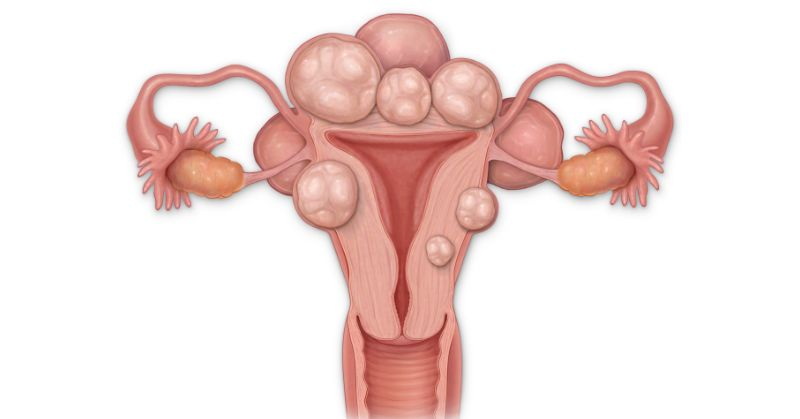
Fibroids can be classified into several types based on their location within the uterus:
- Intramural Fibroids: These are located within the muscular wall of the uterus and are the most common type.
- Subserosal Fibroids: Found on the outer wall of the uterus, these fibroids can protrude outward and may cause pressure on surrounding organs.
- Submucosal Fibroids: These grow just beneath the lining of the uterine cavity and can lead to heavy menstrual bleeding and other symptoms.
Understanding these types is crucial for determining treatment options and potential outcomes.
The Role of Green Tea Extract
Green tea has been consumed for centuries for its health benefits. Its active compounds, particularly EGCG, have been studied for their antioxidant properties and potential therapeutic effects on various health conditions, including cancer and cardiovascular diseases.
Mechanisms of Action
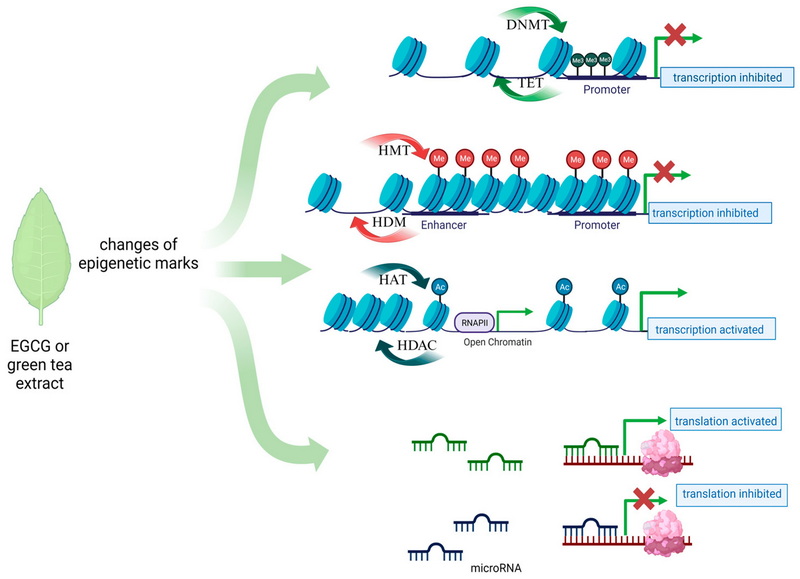
Research indicates that EGCG may inhibit the growth of uterine fibroid cells through several mechanisms:
- Inhibition of Cell Division: EGCG has been shown to reduce levels of cyclin D1, a protein that promotes cell division in fibroid cells.
- Reduction of Fibronectin: This protein is crucial for the extracellular matrix in fibroid tumors. Lowering its levels can disrupt the structural integrity of fibroids.
- Disruption of Biochemical Pathways: EGCG interferes with pathways involved in fibroid cell growth and signaling, potentially leading to reduced tumor size.
- Anti-inflammatory Effects: Chronic inflammation is linked to fibroid development. EGCG possesses anti-inflammatory properties that may help mitigate this risk.
How Much Green Tea Extract Is Needed?
Determining the right dosage of green tea extract for effective treatment is crucial. Studies have provided insights into effective dosages:
- Clinical Trials: A study involving 39 women with symptomatic uterine fibroids treated with 800 mg daily of green tea extract (45% EGCG) over four months showed a significant reduction in total fibroid volume by approximately 32.6% compared to a placebo group that experienced an increase in volume.
- Recommended Dosage: Based on various studies, a therapeutic dose of green tea extract containing between 400 mg to 900 mg of EGCG per day is suggested. This translates to approximately:
- 3 to 6 cups of brewed green tea per day (each cup contains about 50-100 mg of EGCG).
- Alternatively, taking concentrated supplements can provide higher doses without needing to consume large quantities of tea.
Factors Influencing Dosage
Several factors may influence how much green tea extract one should take:
- Body Weight: Heavier individuals may require higher doses for effective results.
- Severity of Symptoms: Those with more severe symptoms might benefit from higher doses initially.
- Individual Metabolism: Metabolic rates vary among individuals; some may process compounds more quickly than others.
Clinical Evidence Supporting Green Tea Extract
Several clinical trials have evaluated the efficacy of green tea extract in treating uterine fibroids:
1. Johns Hopkins Study: This preclinical study demonstrated that EGCG significantly reduced the growth of human fibroid cells in vitro by disrupting key signaling pathways.
2. Italian Study: A randomized trial found that combining vitamin D with green tea extract led to a notable reduction in fibroid volume and symptom severity among women with intramural fibroids.
3. Long-Term Effects: In a study lasting four months, participants taking green tea extract showed improved health-related quality of life scores alongside reductions in blood loss and anemia symptoms.
4. Mechanistic Studies: In vitro studies have shown that EGCG induces apoptosis (programmed cell death) in fibroid cells while sparing normal uterine cells, highlighting its selective action.
Potential Side Effects and Considerations
While green tea extract is generally considered safe for most people when consumed in moderation, some individuals may experience side effects such as:
- Gastrointestinal upset
- Headaches
- Insomnia (due to caffeine content)
It is essential for individuals considering green tea extract as a treatment option to consult with healthcare professionals to tailor dosage and ensure it aligns with their overall health strategy.
Interactions with Medications
Green tea extract can interact with certain medications:
- Blood Thinners: It may enhance the effects of anticoagulants like warfarin.
- Antidepressants: Some studies suggest it could interfere with certain antidepressant medications.
Thus, it is vital to disclose all supplements being taken to healthcare providers.
Lifestyle Considerations
In addition to taking green tea extract, lifestyle changes can further support fibroid management:
- Dietary Adjustments: Incorporating a diet rich in fruits, vegetables, whole grains, and lean proteins can help manage symptoms. Foods high in fiber may aid in hormonal regulation.
- Regular Exercise: Engaging in physical activity can improve overall health and help manage weight, which is beneficial since obesity is a risk factor for developing fibroids.
- Stress Management: High-stress levels can exacerbate symptoms; practices like yoga or meditation may be beneficial.
Conclusion
Green tea extract, particularly its active component EGCG, shows promise as a natural treatment option for shrinking uterine fibroids and alleviating associated symptoms. The evidence suggests that daily doses ranging from 400 mg to 900 mg can be effective. However, further research is necessary to establish standardized treatment protocols and confirm long-term efficacy across diverse populations.
FAQ
1. Can drinking green tea alone shrink fibroids?
Drinking green tea may help reduce fibroid size due to its EGCG content; however, studies suggest that concentrated extracts may be more effective than just drinking tea alone.
2. How long does it take to see results from green tea extract?
In clinical trials, significant reductions in fibroid volume were observed after approximately three to four months of consistent use.
3. Are there any side effects associated with green tea extract?
While generally safe, some individuals may experience gastrointestinal issues or headaches. It's advisable to consult a healthcare provider before starting any new supplement.
4. Can I combine green tea extract with other treatments?
Yes, combining green tea extract with other treatments like vitamin D has shown enhanced effects on reducing fibroid size and improving symptoms.
5. Is it safe for all women to take green tea extract?
Most women can safely consume green tea extract; however, those who are pregnant or have specific health conditions should consult their doctor before use.
Citations:
[1] https://www.nichd.nih.gov/newsroom/news/080723-uterine-fibroids-green-tea
[2] https://houstonfibroids.com/posts/treatment-options/green-tea-and-fibroids-an-important-study-to-follow/
[3] https://sciencescholar.us/journal/index.php/ijhs/article/download/5353/1437/1600
[4] https://www.youtube.com/watch?v=TPZjffeJUiw
[5] https://www.mdpi.com/2072-6643/15/6/1439
[6] https://www.news-medical.net/news/20230321/Green-tea-holds-potential-as-treatment-for-uterine-fibroids-PCOS-and-menopausal-symptoms.aspx
[7] https://www.yalemedicine.org/clinical-trials/friend
[8] https://nutritionfacts.org/video/the-best-food-for-fibroids/
[9] https://www.hopkinsmedicine.org/news/newsroom/news-releases/2023/07/new-study-using-human-fibroid-cells-supports-use-of-green-tea-compound-as-treatment-for-uterine-fibroids
[10] https://www.tandfonline.com/doi/abs/10.1080/09513590.2021.1991909
[11] https://pure.johnshopkins.edu/en/publications/fibroids-and-unexplained-infertility-treatment-with-epigallocatec
[12] https://www.contemporaryobgyn.net/view/vitamin-d-and-green-tea-extract-for-treatment-of-uterine-fibroids
[13] https://www.dovepress.com/treatment-of-symptomatic-uterine-fibroids-with-green-tea-extract-a-pil-peer-reviewed-fulltext-article-IJWH
[14] https://bmjopen.bmj.com/content/14/1/e078989
[15] https://www.nature.com/articles/s41598-023-35212-6
[16] https://www.mdpi.com/2072-6643/15/6/1439
[17] https://www.yalemedicine.org/clinical-trials/friend
[18] https://pubmed.ncbi.nlm.nih.gov/23950663/
[19] https://www.facebook.com/NutritionFacts.org/videos/the-best-food-for-fibroids/1865717473444753/
[20] https://www.contemporaryobgyn.net/view/vitamin-d-and-green-tea-extract-for-treatment-of-uterine-fibroids
[21] https://www.hopkinsmedicine.org/news/newsroom/news-releases/2023/07/new-study-using-human-fibroid-cells-supports-use-of-green-tea-compound-as-treatment-for-uterine-fibroids