
Language

Views: 222 Author: Tomorrow Publish Time: 2025-02-06 Origin: Site


Content Menu
>> Types of HPV
● The Role of Green Tea Extract
● How to Apply Green Tea Extract
● Additional Treatment Options
>> 1. Prescription Medications
● FAQ
>> 2. How effective is green tea extract for treating genital warts?
>> 3. Are there any side effects associated with green tea extract?
>> 4. How often should I apply green tea extract?
>> 5. Can genital warts come back after treatment?
Genital warts, caused by the human papillomavirus (HPV), are a common sexually transmitted infection (STI) that can be distressing for those affected. While there are various treatment options available, one increasingly popular method is the use of green tea extract. This article will explore how to apply green tea extract to genital warts, its effectiveness, and other relevant information.
Genital warts appear as small, flesh-colored or gray growths in the genital area. They can be flat or raised and may resemble a cauliflower. The HPV responsible for genital warts is typically transmitted through sexual contact. Although many people with HPV do not develop warts, those who do may seek treatment to alleviate symptoms and reduce the risk of transmission.
There are over 100 different strains of HPV, but only a few are associated with genital warts. The most common types that cause these warts are HPV types 6 and 11. These low-risk strains are not associated with cancer but can cause significant discomfort and emotional distress.
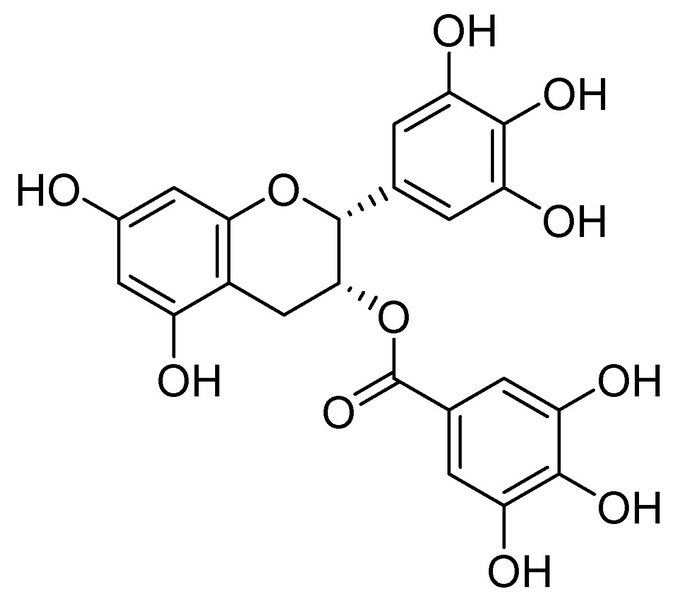
Green tea extract, specifically in the form of sinecatechins, has been shown to be effective in treating external genital and perianal warts. Sinecatechins are derived from the leaves of the Camellia sinensis plant and have been documented for their antiviral properties.
Research indicates that topical applications of sinecatechins can lead to significant improvement in wart clearance. In randomized controlled trials, patients using a 10% or 15% green tea extract ointment experienced complete clearance of warts in over 50% of cases within a treatment period of up to 16 weeks.
Preparation and Application Steps:
1. Consultation: Before starting any treatment, consult with a healthcare provider or dermatologist to confirm the diagnosis and discuss treatment options.
2. Obtain the Ointment: Acquire a topical ointment containing green tea extract (sinecatechins). This is often available by prescription under brand names like Catephen.
3. Clean the Area: Gently wash the affected area with mild soap and water. Pat dry with a clean towel.
4. Apply the Ointment:
- Use a clean fingertip or cotton swab to apply a thin layer of the ointment directly onto each wart.
- Ensure that the ointment covers the entire wart but avoid applying it to healthy skin around the wart.
5. Frequency of Application: Apply the ointment three times daily as directed by your healthcare provider.
6. Duration of Treatment: Continue using the ointment for up to 16 weeks or until complete clearance is achieved.
7. Monitor for Reactions: Watch for any adverse reactions such as redness, itching, or irritation at the application site. If severe reactions occur, discontinue use and consult a healthcare professional.
While green tea extract is generally well-tolerated, some individuals may experience mild side effects such as local skin reactions. These can include:
- Redness
- Itching
- Burning sensation
Most side effects are mild and resolve on their own; however, if they persist or worsen, medical advice should be sought.
While green tea extract is effective for many individuals, it may not be suitable for everyone. Here are some alternative treatment options for genital warts:
- Imiquimod Cream: This topical cream helps boost the immune response against HPV.
- Podophyllin Resin: A topical solution applied by a healthcare professional that destroys wart tissue.
- Trichloroacetic Acid (TCA): A chemical applied directly to warts that helps remove them.
For larger or persistent warts, surgical options may be considered:
- Cryotherapy: Freezing the wart with liquid nitrogen.
- Electrosurgery: Using electric current to burn off the wart.
- Laser Therapy: Targeting warts with laser light to destroy them.
Some individuals explore home remedies; however, their effectiveness is often anecdotal:
- Apple Cider Vinegar: Some claim that applying diluted apple cider vinegar may help remove warts.
- Garlic: Known for its antiviral properties, crushed garlic may be applied directly to warts.
Preventing genital warts involves reducing exposure to HPV:
1. Vaccination: The HPV vaccine can protect against certain strains of HPV that cause genital warts and cervical cancer.
2. Safe Sex Practices: Using condoms can lower the risk of transmission but does not eliminate it entirely since HPV can infect areas not covered by condoms.
3. Regular Check-ups: Regular visits to a healthcare provider for screenings can help catch issues early.
Receiving a diagnosis of genital warts can be emotionally challenging. Here are some tips for coping:
- Educate Yourself: Understanding your condition can alleviate anxiety.
- Communicate with Partners: Open discussions about STIs can foster trust and understanding in relationships.
- Seek Support: Consider talking to friends, family, or support groups about your feelings and experiences.
The application of green tea extract (sinecatechins) offers an effective treatment option for genital warts, with clinical studies supporting its efficacy in achieving wart clearance. Following proper application techniques can enhance treatment outcomes while minimizing potential side effects. Always consult with a healthcare provider before starting any new treatment regimen.

Genital warts are small growths in the genital area caused by certain strains of HPV.
Studies show that topical sinecatechins can lead to complete clearance of warts in over 50% of patients within 16 weeks.
Mild side effects may include redness, itching, and burning at the application site.
It is recommended to apply the ointment three times daily as directed by your healthcare provider.
Yes, while treatment can remove visible warts, it does not eliminate HPV from the body, so warts can recur.
[1] https://www.nice.org.uk/advice/esnm66/chapter/Key-points-from-the-evidence
[2] https://www.aad.org/public/diseases/a-z/genital-warts-treatment
[3] https://www.youtube.com/watch?v=8IkD71r7hxs
[4] https://www.nice.org.uk/advice/esnm66/resources/external-genital-and-perianal-warts-green-tea-camellia-sinensis-leaf-extract-10-ointment-pdf-1502681108581573
[5] https://pubmed.ncbi.nlm.nih.gov/18515521/
[6] https://www.aafp.org/pubs/afp/issues/2004/1215/p2335.html
[7] https://www.youtube.com/watch?v=ifad5Mhl5Jw
[8] https://www.nice.org.uk/advice/esnm66/chapter/full-evidence-summary
[9] https://nutritionfacts.org/video/treating-genital-warts-with-green-tea/
[10] https://www.healthdirect.gov.au/genital-warts
[11] https://www.youtube.com/watch?v=rJLJMxEhWh8
[12] https://pmc.ncbi.nlm.nih.gov/articles/PMC10673707/


