Content Menu
● Understanding Green Tea Extract
● Potential Benefits of Green Tea Extract
● Safety Concerns with High-Dose Green Tea Extract
>> Liver Toxicity
>> Caffeine-Related Side Effects
● Factors Affecting Safety
>> Dosage and Formulation
>> Individual Sensitivity
>> Consumption Method
● Recommendations for Safe Use
● Monitoring for Adverse Effects
● Alternative Ways to Consume Green Tea
>> Brewed Green Tea
>> Lower-Dose Supplements
>> Green Tea-Infused Foods
● Research and Regulatory Status
● Conclusion
● FAQs
>> 1. Can green tea extract interact with medications?
>> 2. How does green tea extract compare to drinking green tea?
>> 3. Are there any groups of people who should avoid green tea extract?
>> 4. How long does it take to see benefits from green tea extract?
>> 5. Can green tea extract help with weight loss?
● Citations:
Green tea extract has gained popularity as a dietary supplement due to its potential health benefits. However, concerns about its safety, particularly at higher doses, have emerged in recent years. This article will explore the safety profile of 1000mg of green tea extract, examining its potential benefits, risks, and considerations for use.
Understanding Green Tea Extract
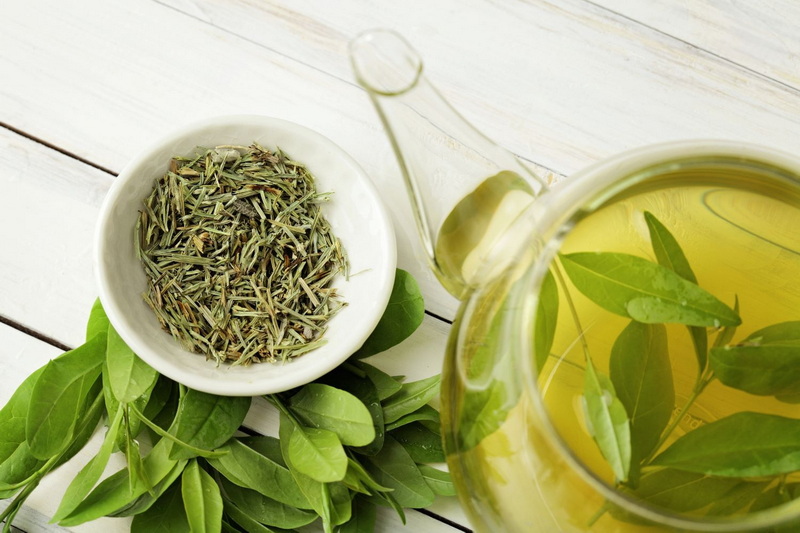
Green tea extract is derived from the leaves of Camellia sinensis, the same plant used to make various types of tea. It is rich in polyphenols, particularly catechins, which are believed to be responsible for many of its health-promoting properties. The most abundant and well-studied catechin in green tea is epigallocatechin-3-gallate (EGCG).
Potential Benefits of Green Tea Extract
Green tea extract has been associated with numerous health benefits, including:
1. Antioxidant properties
2. Weight loss support
3. Improved brain function
4. Cardiovascular health
5. Cancer prevention
While these potential benefits are promising, it's important to note that many studies have used varying doses and formulations of green tea extract, making it difficult to determine the optimal and safe dosage for specific health outcomes.
Safety Concerns with High-Dose Green Tea Extract
The safety of 1000mg of green tea extract has been a subject of debate in the scientific community. While green tea consumption as a beverage is generally considered safe, concentrated extracts may pose certain risks, especially at higher doses.
Liver Toxicity
One of the primary concerns associated with high-dose green tea extract is the potential for liver toxicity. Several case reports and studies have linked green tea extract supplements to liver damage[1][3].
The European Food Safety Authority (EFSA) has concluded that catechins from green tea infusions and similar drinks are generally safe. However, when taken as food supplements, catechin doses at or above 800 mg/day may pose health concerns[4].
Caffeine-Related Side Effects
Green tea extract contains caffeine, which can cause side effects in sensitive individuals or when consumed in large amounts. These may include:
- Insomnia
- Anxiety
- Irritability
- Increased heart rate
- Digestive issues
Factors Affecting Safety
Several factors can influence the safety of green tea extract consumption:
Dosage and Formulation
The concentration of catechins, particularly EGCG, can vary significantly between different green tea extract products. A safe intake level of 338 mg EGCG/day for adults has been suggested for tea preparations ingested as a solid bolus dose[6].
Individual Sensitivity
Some individuals may be more susceptible to the adverse effects of green tea extract due to genetic factors or pre-existing health conditions.
Consumption Method
The way green tea extract is consumed can affect its safety profile. Taking green tea extract on an empty stomach may increase the risk of adverse effects compared to consuming it with food[8].
Recommendations for Safe Use
To minimize the risk of adverse effects while potentially benefiting from green tea extract, consider the following recommendations:
1. Consult a healthcare professional before starting any new supplement regimen.
2. Start with a lower dose and gradually increase if needed.
3. Take green tea extract with food to reduce the risk of gastrointestinal and liver-related side effects.
4. Choose reputable brands that provide clear information about catechin content.
5. Be aware of potential interactions with medications or other supplements.
Monitoring for Adverse Effects
If you choose to take green tea extract supplements, be vigilant for any signs of adverse effects, particularly those related to liver function. Symptoms of liver problems may include:
- Yellowing of the skin or eyes (jaundice)
- Abdominal pain
- Dark urine
- Fatigue
- Loss of appetite
If you experience any of these symptoms, discontinue use immediately and seek medical attention.
Alternative Ways to Consume Green Tea
For those concerned about the safety of high-dose green tea extract supplements, there are alternative ways to enjoy the potential benefits of green tea:
Brewed Green Tea
Consuming green tea as a beverage is generally considered safe and may provide similar health benefits without the risks associated with concentrated extracts.
Lower-Dose Supplements
If you prefer supplements, consider using products with lower doses of green tea extract or those that provide a more balanced mix of tea polyphenols.
Green Tea-Infused Foods
Some food products are infused with green tea, offering a way to incorporate its benefits into your diet without relying on high-dose supplements.
Research and Regulatory Status
The safety of green tea extract continues to be a subject of ongoing research. Regulatory bodies in different countries have taken various approaches to green tea extract supplements:
- In the United States, green tea extract is regulated as a dietary supplement by the FDA.
- In Europe, some countries have suspended market authorization for certain green tea extract products due to hepatotoxicity concerns.
- In Canada, Health Canada has issued warnings about the potential liver risks associated with green tea extract products.
As research progresses, regulatory guidelines may evolve to reflect new findings on the safety and efficacy of green tea extract supplements.
Conclusion
While green tea and its extracts offer potential health benefits, the safety of high-dose supplements, particularly those containing 1000mg or more of green tea extract, remains a concern. The risk of liver toxicity and other adverse effects appears to increase with higher doses, especially when taken as concentrated supplements.
For most individuals, consuming green tea as a beverage or using lower-dose supplements may be a safer way to potentially benefit from its properties. If you choose to use high-dose green tea extract supplements, do so under the guidance of a healthcare professional and be vigilant for any signs of adverse effects.
Ultimately, the decision to use green tea extract supplements should be made on an individual basis, considering personal health status, potential risks, and desired outcomes. As with any dietary supplement, moderation and informed use are key to maximizing benefits while minimizing risks.
FAQs
1. Can green tea extract interact with medications?
Yes, green tea extract can interact with various medications. It may affect the absorption and metabolism of certain drugs, including but not limited to:
- Blood thinners (e.g., warfarin)
- Beta-blockers
- Antibiotics
- Some antidepressants
Always consult with your healthcare provider before taking green tea extract supplements if you are on any medications.
2. How does green tea extract compare to drinking green tea?
Green tea extract is a concentrated form of the compounds found in green tea. While drinking green tea is generally considered safe, extract supplements can provide higher doses of catechins and caffeine. This concentration can increase both potential benefits and risks. Brewed green tea typically contains a more balanced mix of compounds and is less likely to cause adverse effects.
3. Are there any groups of people who should avoid green tea extract?
Several groups should exercise caution or avoid green tea extract:
- Pregnant or breastfeeding women
- People with liver problems
- Individuals with heart conditions or high blood pressure
- Those with anxiety disorders or sensitivity to caffeine
- People taking certain medications (as mentioned in FAQ 1)
It's always best to consult with a healthcare provider before starting any new supplement regimen.
4. How long does it take to see benefits from green tea extract?
The time frame for experiencing benefits from green tea extract can vary depending on the specific health outcome being measured and individual factors. Some studies have shown effects within a few weeks, while others may take months to demonstrate significant changes. Consistency in use and combining supplementation with a healthy lifestyle are important factors in realizing potential benefits.
5. Can green tea extract help with weight loss?
Some studies suggest that green tea extract may support weight loss efforts by boosting metabolism and fat oxidation. However, the effects are generally modest and may vary among individuals. Green tea extract should not be considered a magic solution for weight loss but rather a potential complement to a balanced diet and regular exercise regimen. As with any weight loss strategy, it's important to approach it holistically and with realistic expectations.
Citations:
[1] https://www.webmd.com/vitamins/ai/ingredientmono-960/green-tea
[2] https://www.urmc.rochester.edu/encyclopedia/content?contenttypeid=19&contentid=greenteaextract
[3] https://pubmed.ncbi.nlm.nih.gov/18484782/
[4] https://www.efsa.europa.eu/en/press/news/180418
[5] https://www.medicalnewstoday.com/articles/269538
[6] https://pubmed.ncbi.nlm.nih.gov/29580974/
[7] https://www.efsa.europa.eu/en/efsajournal/pub/5239
[8] https://www.vumc.org/poison-control/toxicology-question-week/march-12-2021-what-are-adverse-effects-green-tea-extract
[9] https://www.drugs.com/npp/green-tea.html
[10] https://pmc.ncbi.nlm.nih.gov/articles/PMC5193539/
[11] https://www.webmd.com/drugs/2/drug-76714/green-tea-leaf-extract-oral/details