Content Menu
● Understanding Green Tea Extract
● Potential Health Benefits
● Safety Considerations
>> Recommended Dosage
>> Liver Health Concerns
● Factors Affecting Safety
● Guidelines for Safe Consumption
● Research and Expert Opinions
● Monitoring and Reporting Side Effects
● Alternatives to Green Tea Extract Supplements
● Conclusion
● Frequently Asked Questions
>> 1. Can green tea extract interact with medications?
>> 2. Is green tea extract safe for pregnant or breastfeeding women?
>> 3. How long does it take to see benefits from green tea extract?
>> 4. Can children take green tea extract supplements?
>> 5. Are there any long-term risks associated with taking green tea extract?
● Citations:
Green tea extract has gained popularity as a dietary supplement due to its potential health benefits. However, concerns about its safety, particularly regarding liver health, have emerged. This article will explore the safety of consuming 300 mg of green tea extract per day, examining scientific evidence, potential benefits, and risks.
Understanding Green Tea Extract
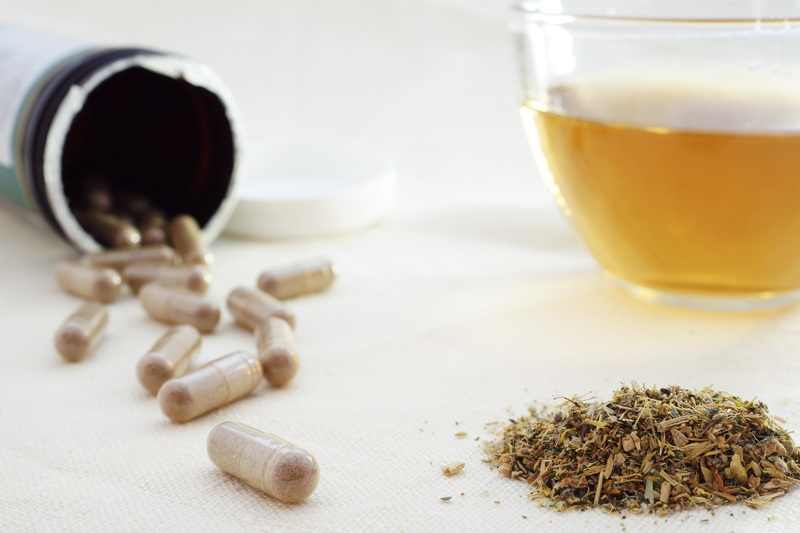
Green tea extract is derived from the leaves of Camellia sinensis, the same plant used to make green tea. It contains concentrated forms of beneficial compounds found in green tea, primarily catechins. The most abundant and well-studied catechin is epigallocatechin-3-gallate (EGCG), which is believed to be responsible for many of the extract's health benefits[1].
Potential Health Benefits
Green tea extract has been associated with various health benefits, including:
1. Weight loss support
2. Blood sugar regulation
3. Disease prevention
4. Exercise recovery enhancement
5. Skin health improvement
6. Liver health support
7. Blood fat level reduction
8. Blood pressure regulation
9. Brain health improvement[13]
These potential benefits have contributed to the growing popularity of green tea extract supplements.
Safety Considerations
While green tea extract offers numerous potential health benefits, safety concerns have been raised, particularly regarding liver health. Several studies and regulatory bodies have examined the safety of green tea extract consumption.
Recommended Dosage
The recommended dosage for green tea extract varies depending on the source:
1. Some studies suggest a tolerable upper intake level (TUL) of 300 mg EGCG per day[7][9].
2. Health Canada recommends a maximum daily intake of 300 mg EGCG (equivalent to 600 mg total catechins) for green tea extract use as a supplemental ingredient in food[4].
3. The European Food Safety Authority (EFSA) concluded that catechin doses at or above 800 mg/day from food supplements may pose health concerns[11].
Liver Health Concerns
Several studies and case reports have linked high doses of green tea extract to liver problems:
1. Rare cases of liver injury have been reported in association with green tea extract consumption[8].
2. The risk of liver injury appears to be dose-dependent and may be influenced by individual susceptibility[5].
3. Consuming green tea extract on an empty stomach may increase the risk of adverse effects[10].
It's important to note that these cases are rare, and many studies have found green tea extract to be safe when consumed in moderate amounts.
Factors Affecting Safety
Several factors can influence the safety of green tea extract consumption:
1. Individual sensitivity: Some people may be more susceptible to the effects of green tea extract, particularly its caffeine content[5].
2. Existing health conditions: Individuals with liver disorders or other health issues should consult a healthcare professional before using green tea extract supplements[8].
3. Interaction with medications: Green tea extract may interact with certain medications, including stimulants and blood thinners[5].
4. Quality of the supplement: The purity and content of green tea extract supplements can vary, potentially affecting their safety and efficacy[13].
Guidelines for Safe Consumption
To minimize the risk of adverse effects when consuming green tea extract:
1. Start with a low dose and gradually increase if needed.
2. Take the supplement with food to reduce the risk of gastrointestinal side effects[13].
3. Choose high-quality supplements that have been independently tested for purity and content[13].
4. Be aware of potential side effects and discontinue use if you experience any adverse reactions.
5. Consult a healthcare professional before starting any new supplement regimen, especially if you have existing health conditions or are taking medications.
Research and Expert Opinions
Several studies and expert opinions provide insights into the safety of green tea extract:
1. A review by Yates et al. (2017) proposed a tolerable upper intake level of 300 mg/day of EGCG based on human and animal data[9].
2. Dekant et al. (2017) suggested a TUL of 300 mg EGCG per person, based on clinical trials not reporting liver effects and using a two-fold safety margin[9].
3. The European Food Safety Authority (EFSA) concluded that catechins from green tea infusions and similar drinks are generally safe, but doses at or above 800 mg/day from supplements may pose health concerns[11].
Monitoring and Reporting Side Effects
If you choose to consume green tea extract, it's essential to be aware of potential side effects and report any adverse reactions to your healthcare provider. Common side effects may include:
1. Nausea
2. Stomach pain
3. Diarrhea
4. Headache
5. Dizziness[14]
More serious side effects that require immediate medical attention include:
1. Yellowing of the skin or eyes (jaundice)
2. Dark urine
3. Pale stools
4. Unusual tiredness
5. Loss of appetite[8]
Alternatives to Green Tea Extract Supplements
For those concerned about the safety of green tea extract supplements, there are alternative ways to enjoy the potential benefits of green tea:
1. Drinking green tea: Consuming green tea as a beverage is generally considered safe and provides many of the same benefits as supplements[7].
2. Matcha powder: Matcha is a finely ground green tea powder that can be added to beverages or foods, providing a concentrated source of green tea compounds.
3. Other antioxidant-rich foods: Incorporating a variety of fruits, vegetables, and other plant-based foods can provide similar antioxidant benefits.
Conclusion
While 300 mg of green tea extract per day is generally considered safe for most people, individual responses can vary. The potential health benefits of green tea extract are promising, but it's crucial to approach supplementation with caution. Consulting with a healthcare professional, starting with a low dose, and being aware of potential side effects are essential steps in safely incorporating green tea extract into your health regimen. For those concerned about safety, drinking green tea or exploring alternative antioxidant-rich foods may be preferable options.
Frequently Asked Questions
1. Can green tea extract interact with medications?
Yes, green tea extract can interact with certain medications. It may affect the absorption and metabolism of some drugs, including blood thinners, stimulants, and certain antibiotics. Always consult your healthcare provider before taking green tea extract if you're on any medications.
2. Is green tea extract safe for pregnant or breastfeeding women?
Pregnant and breastfeeding women should exercise caution with green tea extract. While moderate consumption of green tea is generally considered safe, the concentrated nature of green tea extract may pose risks. It's best to consult with a healthcare provider before using any supplements during pregnancy or while breastfeeding.
3. How long does it take to see benefits from green tea extract?
The time it takes to see benefits from green tea extract can vary depending on the specific benefit and individual factors. Some effects, like improved mental alertness, may be noticeable within hours. Other benefits, such as weight loss or improved cardiovascular health, may take weeks or months of consistent use to become apparent.
4. Can children take green tea extract supplements?
Green tea extract supplements are generally not recommended for children. The concentrated nature of these supplements and their caffeine content may be too potent for children's developing bodies. If you're considering green tea extract for a child, it's crucial to consult with a pediatrician first.
5. Are there any long-term risks associated with taking green tea extract?
While green tea extract is generally considered safe for short-term use, long-term effects are less well-studied. Some concerns have been raised about potential liver damage with prolonged use of high doses. It's important to follow recommended dosages and consult with a healthcare provider for long-term use.
Citations:
[1] https://www.webmd.com/vitamins/ai/ingredientmono-960/green-tea
[2] https://www.urmc.rochester.edu/encyclopedia/content?contenttypeid=19&contentid=greenteaextract
[3] https://www.tiprpress.com/ywpjyj/article/pdf/20211226?file_name=B3147901C258E4906B492BA210E8E029D066D7E3AD76D56B0BFA74F1B4E7AC3BE05483707C8968B3D90F3BF39AA09C180EBB849988D3D50E2F7373E32FD3F2CB&open_type=self
[4] https://www.canada.ca/en/health-canada/services/food-nutrition/public-involvement-partnerships/notice-modification-list-permitted-supplemental-ingredients-permit-use-green-tea-extract-supplemental-ingredient-foods/document.html
[5] https://www.medicalnewstoday.com/articles/269538
[6] https://onlinelibrary.wiley.com/doi/10.1155/2021/7170736
[7] https://pubmed.ncbi.nlm.nih.gov/28655517/
[8] https://www.canada.ca/en/health-canada/services/drugs-health-products/medeffect-canada/safety-reviews/green-tea-extract-containing-natural-health-products-assessing-potential-risk-liver-injury.html
[9] https://cot.food.gov.uk/The%20safety%20of%20green%20tea%20catechins-%20first%20draft%20statement
[10] https://www.vumc.org/poison-control/toxicology-question-week/march-12-2021-what-are-adverse-effects-green-tea-extract
[11] https://www.efsa.europa.eu/en/press/news/180418
[12] https://www.tga.gov.au/news/safety-alerts/camellia-sinensis-green-tea-extract
[13] https://www.healthline.com/nutrition/10-benefits-of-green-tea-extract
[14] https://www.webmd.com/drugs/2/drug-76714/green-tea-leaf-extract-oral/details