Content Menu
● Introduction to Green Tea Extract
● Health Benefits and Uses
● Regulatory Status in the United States
>> GRAS Notification
>> FDA's Evaluation
>> Concerns and Criticisms
>> Toxic-Free Food Act
● Regulatory Status in Canada
>> Conditions for Use
● Safety Considerations
>> Potential Risks
>> Recommended Usage
● Conclusion
● FAQ on Green Tea Extract
>> 1. What is Green Tea Extract?
>> 2. What are the Potential Health Benefits of Green Tea Extract?
>> 3. Is Green Tea Extract Safe?
>> 4. How is Green Tea Extract Regulated in the United States?
>> 5. How is Green Tea Extract Regulated in Canada?
● Citations:
Green tea extract (GTE) has garnered significant attention for its potential health benefits, leading to its widespread use in various food products and dietary supplements[3][7]. This article aims to provide a comprehensive overview of the regulatory status of green tea extract, focusing on its safety, approved uses, and the perspectives of different regulatory bodies.
Introduction to Green Tea Extract
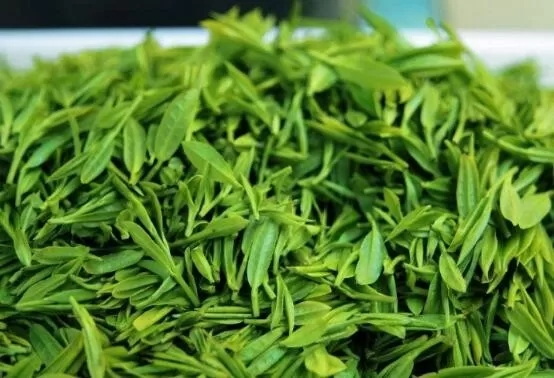
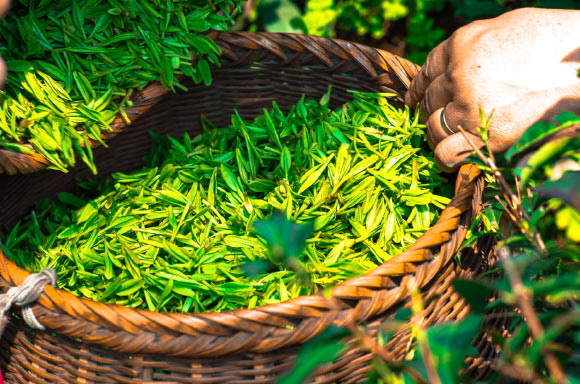
Green tea extract is derived from the leaves of Camellia sinensis, the same plant that produces green tea[2][7]. Unlike traditional green tea, which undergoes minimal oxidation, green tea extract is often processed to concentrate its active compounds, particularly catechins[2]. These polyphenolic compounds, including epigallocatechin gallate (EGCG), are known for their antioxidant and anti-inflammatory properties[3].
Health Benefits and Uses
Green tea extract is associated with a range of potential health benefits, including:
-Antioxidant Properties: EGCG, a primary component of GTE, is a potent antioxidant that helps protect cells from damage caused by free radicals[3].
-Cardiovascular Health: Studies suggest that green tea extract may help lower LDL cholesterol levels, reducing the risk of heart disease[3].
-Weight Management: Some research indicates that GTE can aid in weight loss by increasing metabolism and fat oxidation[3].
-Cancer Prevention: Green tea consumption has been linked to a reduced risk of certain cancers due to its antioxidant and anti-inflammatory effects[3].
-COVID-19 Management: Green tea polyphenols have been explored for their potential role in managing COVID-19[2].
Regulatory Status in the United States
GRAS Notification
In the United States, the Food and Drug Administration (FDA) regulates food additives and supplements[1][3]. Green tea extract, specifically oil-soluble green tea extract (OS-GTE), has been the subject of Generally Recognized as Safe (GRAS) notifications[1]. Kemin Industries, a U.S. company, submitted a GRAS notice to the FDA for OS-GTE, intended for use as an antioxidant in various food products[1].
FDA's Evaluation
The FDA reviewed Kemin's GRAS notice and, instead of conducting its own safety review, relied on Kemin's studies, which were based on industry-funded experts[3]. The FDA acknowledged concerns about EGCG, including potential cancer risks and harm to organs, based on earlier studies[3]. However, the FDA did not object to Kemin's conclusion that OS-GTE is GRAS for its intended use as an antioxidant in baked goods, snacks, and meats[3][5].
Concerns and Criticisms
Despite the GRAS status, concerns remain regarding the FDA's approach to evaluating the safety of green tea extract[3]. The Environmental Working Group (EWG) and other organizations have criticized the FDA for relying too heavily on industry-funded studies and for not conducting thorough reviews of safety data[3]. They argue that the FDA should take charge of determining whether chemicals added to food are safe, rather than relying on companies' self-assessments[3].
Toxic-Free Food Act
To address these concerns, the Toxic-Free Food Act has been introduced by Rep. Rosa DeLauro[3]. This act aims to narrow the GRAS loophole, restore independent FDA reviews, eliminate conflicts of interest, and require companies to notify the FDA before bringing new chemicals to market[3].
Regulatory Status in Canada
Health Canada has also assessed green tea extract for safety as a supplemental ingredient in supplemented foods[7]. The Food Directorate concluded that standardized GTE could be safely consumed under certain conditions[7].
Conditions for Use
Health Canada permits the use of catechin-enriched green tea extracts derived from *Camellia sinensis* leaves, provided they meet specific criteria[7]:
-EGCG Content: Between 40% and 50%[7]
-Total Catechin Content: Between 70% and 80%[7]
-Caffeine Content: Not more than 5%[7]
Acceptable preparations include dry extracts, fluid extracts, tinctures, decoctions, and infusions obtained via water and/or food-grade organic solvent extraction techniques[7]. Modified forms of GTE or those with special carrier systems that could alter its bioavailability are not included in this assessment[7].
Safety Considerations
Potential Risks
While green tea extract is generally considered safe, some potential risks are associated with its consumption, particularly at high doses:
-Liver Toxicity: High doses of green tea extract have been linked to liver damage in rare cases[3].
-Drug Interactions: GTE may interact with certain medications, such as blood thinners and some heart medications[3].
-Gastrointestinal Issues: Some individuals may experience gastrointestinal discomfort, such as nausea or stomach upset, when taking GTE[3].
Recommended Usage
To minimize potential risks, it is important to adhere to recommended dosages and guidelines provided by healthcare professionals or regulatory bodies[7]. Consumers should also be aware of the source and quality of the green tea extract they are using, opting for products from reputable manufacturers that adhere to safety standards[7].
Conclusion
Green tea extract is approved for sale in the United States and Canada, but under different regulatory frameworks. In the U.S., it is generally recognized as safe (GRAS) for use as an antioxidant in food products, based on company-led assessments[1][3]. However, this approach has faced criticism, with calls for more rigorous FDA oversight[3]. In Canada, Health Canada permits its use as a supplemental ingredient in supplemented foods, provided it meets specific compositional criteria and is used under certain conditions[7]. While GTE offers potential health benefits, consumers should be aware of potential risks and adhere to recommended usage guidelines[3][7].
FAQ on Green Tea Extract
1. What is Green Tea Extract?
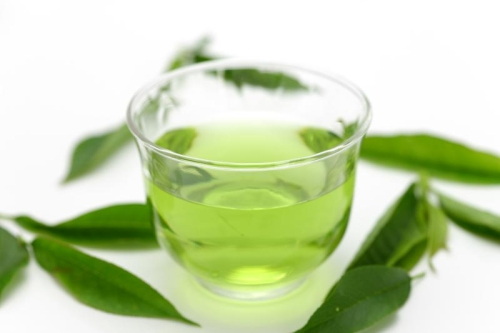
Green tea extract is a concentrated form of green tea, derived from the leaves of the *Camellia sinensis* plant[2]. It is rich in polyphenols, particularly catechins like EGCG, known for their antioxidant and anti-inflammatory properties[3].
2. What are the Potential Health Benefits of Green Tea Extract?
Green tea extract is associated with several potential health benefits, including antioxidant protection, cardiovascular health support, weight management, and cancer prevention[3]. It has also been explored for its potential role in managing COVID-19[2].
3. Is Green Tea Extract Safe?
Green tea extract is generally considered safe when consumed in moderation[1][7]. However, high doses may lead to liver toxicity, drug interactions, or gastrointestinal issues[3]. It is important to follow recommended dosages and guidelines[7].
4. How is Green Tea Extract Regulated in the United States?
In the United States, green tea extract is regulated by the FDA. It has been the subject of GRAS notifications, where companies self-determine its safety for specific uses[1][3]. The FDA has faced criticism for relying on industry-funded studies in these assessments[3].
5. How is Green Tea Extract Regulated in Canada?
Health Canada permits the use of green tea extract as a supplemental ingredient in supplemented foods, provided it meets specific compositional criteria and is used under certain conditions[7]. These conditions include limits on EGCG, total catechin, and caffeine content[7].
Citations:
[1] https://www.fda.gov/media/126906/download
[2] https://onlinelibrary.wiley.com/doi/10.1155/2021/7170736
[3] https://www.ewg.org/news-insights/news/2021/11/fda-not-food-companies-should-decide-whether-green-tea-extract-safe
[4] https://www.mdpi.com/2297-8739/10/2/121
[5] https://www.fda.gov/files/food/published/GRAS-Notice-GRN-772-Agency-Response-Letter.pdf
[6] http://www.journalssystem.com/ppmp/Keyword-green+tea+extract/106038
[7] https://www.canada.ca/en/health-canada/services/food-nutrition/public-involvement-partnerships/notice-modification-list-permitted-supplemental-ingredients-permit-use-green-tea-extract-supplemental-ingredient-foods/document.html
[8] https://www.nccih.nih.gov/health/green-tea