Content Menu
● Introduction to Natural Feed Additives in Japan
● Leading Natural Feed Additives Manufacturers in Japan
>> 1. JAPAN NUTRITION Co., Ltd.
>> 2. Feedone Co., Ltd.
>> 3. Nutriad (via Watanabe Chemicals)
>> 4. PIC-BIO, Inc.
>> 5. Asahi Biocycle Co., Ltd.
● Market Trends and Regulatory Environment
● Advantages of Natural Feed Additives
● Manufacturing Excellence in Japan
● Innovation and Research in Natural Feed Additives
● Sustainability and Environmental Impact
● Future Outlook and Market Opportunities
● Conclusion
● Frequently Asked Questions (FAQs)
>> 1. What are natural feed additives, and why are they important in Japan?
>> 2. Which companies are the top natural feed additives manufacturers in Japan?
>> 3. How does Japan regulate feed additives?
>> 4. What trends are shaping the natural feed additives market in Japan?
>> 5. How do natural feed additives benefit livestock producers?
Japan's animal feed industry is renowned for its innovation, quality, and commitment to sustainable agriculture. Among the critical components driving this sector are natural feed additives, which enhance animal health, productivity, and environmental sustainability. This article explores the top natural feed additives manufacturers in Japan, highlighting their products, manufacturing processes, and contributions to the livestock and aquaculture industries. We will also discuss market trends, regulatory frameworks, and the future outlook of natural feed additives in Japan.
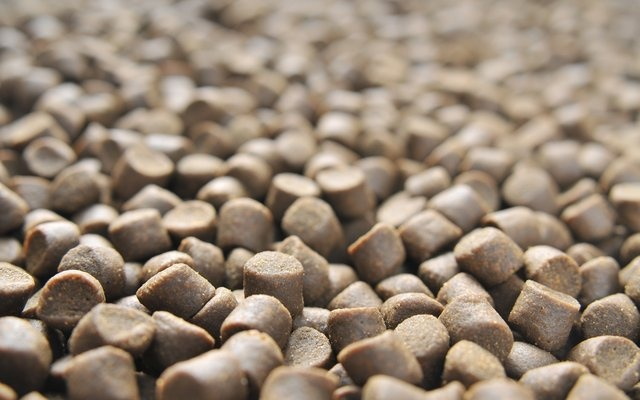
Introduction to Natural Feed Additives in Japan
Natural feed additives are substances derived from natural sources such as plants, herbs, and microorganisms, used to improve animal nutrition, health, and feed efficiency. Japan's livestock and aquaculture sectors are increasingly adopting these additives to meet consumer demands for sustainable and antibiotic-free animal products. The Japanese market is characterized by strict regulations, high-quality standards, and a focus on innovation, making it a competitive environment for natural feed additives manufacturers.
Leading Natural Feed Additives Manufacturers in Japan
1. JAPAN NUTRITION Co., Ltd.
JAPAN NUTRITION Co., Ltd. is a prominent manufacturer specializing in feed premixes and mixed feeds tailored to livestock needs. Their products include vitamins, minerals, amino acids, enzymes, live cultures, and organic acids, all essential for nurturing healthy livestock. The company operates three state-of-the-art plants in Kashima, Shibushi, and Tomakomai, ensuring stable supply and fast delivery across Japan.
Their manufacturing process is highly automated and precise, with over 250 raw materials carefully selected and blended under strict quality control systems. The company holds GMP certification for feed guidelines compliance, along with ISO22000 and FAMI-QS certifications for two of its plants, underscoring its commitment to safety and quality.
JAPAN NUTRITION emphasizes tailored solutions, working closely with customers from formulation consultation to final product processing to maximize satisfaction and effectiveness.
2. Feedone Co., Ltd.
Feedone Co., Ltd. is a leader in compound feeds for poultry, pigs, and cattle, boasting the industry's top market share in Japan. Their product portfolio includes specialized feeds designed to meet the nutritional requirements of different livestock growth stages, such as starter feeds, grower feeds, and lactation diets.
Feedone integrates advanced nutritional science and field data analysis to develop products that improve animal productivity and economic efficiency. Their feeds come in various forms, including mash, pellet, crumble, and flake, catering to diverse feeding practices.
Besides manufacturing, Feedone offers comprehensive livestock technical services, including feeding hygiene management, disease control, and technical support, backed by a nationwide network of branches, research labs, and veterinarians.
3. Nutriad (via Watanabe Chemicals)
Although Nutriad is an international company, it has established a significant presence in Japan through a partnership with Watanabe Chemicals, a well-established Japanese distributor. Nutriad focuses on natural feed additives such as sodium butyrate, phytobiotics, and mycotoxin management products, which are gaining traction in Japan's traditional and complex feed market.
Nutriad's products support reducing antibiotic growth promoters (AGPs) in animal diets, aligning with the global trend toward sustainable and antibiotic-free farming. Their portfolio addresses challenges in poultry, swine, and aquaculture sectors, enhancing gut health, immunity, and productivity.
4. PIC-BIO, Inc.
PIC-BIO specializes in natural feed additives aimed at improving the health and safety of poultry, swine, dairy, and aquaculture products. Their product line includes enzyme-based additives like SALTOSE, which targets infectious diseases caused by pathogens such as Clostridium and Salmonella.
They also offer organic complexes derived from phytogenic origins, promoting soil health and animal gut environments. Their innovative products contribute to organic and sustainable farming practices, supporting Japan's growing interest in natural agriculture.
5. Asahi Biocycle Co., Ltd.
Asahi Biocycle is known for its probiotic feed additive CALSPORIN®, based on Bacillus subtilis C-3102. Approved in Japan as a probiotic feed additive, CALSPORIN® enhances livestock productivity by optimizing gut microbiota, improving digestion, and supporting immune function.
This product exemplifies Japan's focus on natural and scientifically validated feed additives that contribute to animal health and environmental sustainability.
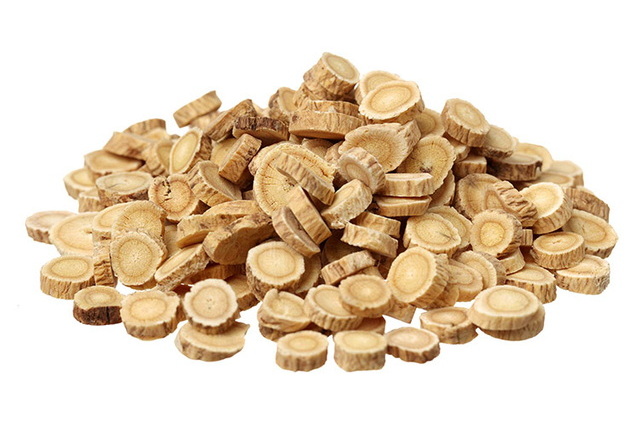
Market Trends and Regulatory Environment
Japan's feed additive market is shaped by stringent regulations from the Ministry of Agriculture, Forestry and Fisheries (MAFF) and the Ministry of Health, Labor and Welfare (MHLW). Only approved additives are permitted, with a positive list system ensuring safety and quality. Genetically modified (GM) feeds and additives are tightly controlled, with only a limited number approved for use.
The government supports sustainable agriculture initiatives, such as the MIDORI strategy, aiming to reduce methane emissions from livestock through innovative additives like DSM-Firmenich's Bovaer, which has recently received market authorization in Japan for dairy and beef cattle.
There is also a growing trend toward reducing antibiotic growth promoters (AGPs) in animal feed, driving demand for natural alternatives such as phytogenics, probiotics, and organic acids. Japanese producers seek additives that improve animal health, feed efficiency, and product quality while meeting consumer expectations for natural and safe animal products.
Advantages of Natural Feed Additives
- Improved Animal Health: Natural additives enhance gut health, immunity, and disease resistance without relying on antibiotics.
- Sustainability: They contribute to reducing environmental impacts, such as methane emissions and chemical residues.
- Product Quality: Natural additives improve meat, milk, and egg quality, meeting market demands for healthier animal products.
- Regulatory Compliance: They align with Japan's strict safety standards and consumer preferences for natural ingredients.
Manufacturing Excellence in Japan
Japanese manufacturers emphasize precision, quality control, and customization. For example, JAPAN NUTRITION's plants use computer-controlled ingredient ratios and manual micro-weighing to ensure consistent product quality. Their facilities can be washed with water to maintain a pristine environment, reflecting the high safety standards in Japan's feed industry.
Innovation and Research in Natural Feed Additives
Japan's natural feed additives manufacturers invest heavily in research and development to create innovative products that meet evolving industry needs. Cutting-edge technologies such as enzyme engineering, microbial fermentation, and phytochemical extraction are employed to enhance the efficacy and safety of feed additives.
Collaborations between manufacturers, universities, and research institutes foster the development of novel additives that improve nutrient absorption, boost immunity, and reduce environmental footprints. For instance, research on plant-derived antioxidants and essential oils is advancing as alternatives to synthetic additives.
Sustainability and Environmental Impact
Sustainability is a core value for Japanese feed additive manufacturers. Many companies prioritize eco-friendly production methods, waste reduction, and the use of renewable resources. Natural feed additives contribute to lowering greenhouse gas emissions by improving feed conversion ratios and reducing methane production in ruminants.
Manufacturers also focus on biodegradable packaging and minimizing the carbon footprint of their supply chains. These efforts align with Japan's national goals for sustainable agriculture and environmental conservation.
Future Outlook and Market Opportunities
The demand for natural feed additives in Japan is expected to grow steadily due to increasing consumer awareness of animal welfare and food safety. Emerging trends include personalized nutrition for livestock, precision feeding technologies, and the integration of digital tools for monitoring animal health.
Market opportunities also exist in expanding exports of Japanese natural feed additives to Asia and other regions, leveraging Japan's reputation for quality and safety. Manufacturers are exploring new product formulations to address challenges such as climate change, disease outbreaks, and antibiotic resistance.
Conclusion
Japan's natural feed additives industry is a dynamic and growing sector characterized by innovation, strict quality standards, and a strong commitment to sustainability. Leading manufacturers like JAPAN NUTRITION, Feedone, Nutriad (via Watanabe Chemicals), PIC-BIO, and Asahi Biocycle provide a wide range of natural additives that support animal health, productivity, and environmental goals.
The regulatory environment ensures that only safe and effective additives reach the market, fostering consumer confidence. With increasing demand for antibiotic-free and environmentally friendly animal products, natural feed additives manufacturers in Japan are well-positioned to drive the future of sustainable livestock and aquaculture production.
Frequently Asked Questions (FAQs)
1. What are natural feed additives, and why are they important in Japan?
Natural feed additives are substances derived from natural sources like plants, herbs, and microbes used to improve animal nutrition and health. In Japan, they are important due to consumer demand for sustainable, antibiotic-free animal products and strict regulatory standards ensuring safety.
2. Which companies are the top natural feed additives manufacturers in Japan?
Top manufacturers include JAPAN NUTRITION Co., Ltd., Feedone Co., Ltd., Nutriad (via Watanabe Chemicals), PIC-BIO, Inc., and Asahi Biocycle Co., Ltd. These companies offer a range of natural additives tailored to different livestock and aquaculture needs.
3. How does Japan regulate feed additives?
Japan uses a positive list system regulated by MAFF and MHLW. Only additives that have passed safety and efficacy evaluations are approved. There are strict controls on genetically modified additives and maximum residue limits for contaminants.
4. What trends are shaping the natural feed additives market in Japan?
Key trends include reducing antibiotic growth promoters, increasing demand for sustainable and methane-reducing additives, and growing interest in phytogenics and probiotics. The government supports sustainability initiatives like the MIDORI strategy.
5. How do natural feed additives benefit livestock producers?
They improve animal health and immunity, enhance feed efficiency, reduce environmental impact, and help producers meet consumer demands for natural and safe animal products. These benefits translate into better productivity and profitability.