Content Menu
● The Rise of Natural Food Colors
>> Why Natural Food Colors Matter
>> Market Trends Driving Growth
● Leading Natural Food Colors Manufacturers and Suppliers in Calgary
>> Calico Food Ingredients
>> Community Natural Foods
>> FoodRGB
● Global Partnerships: OEM Services from China
>> Why Choose Chinese OEM Manufacturers?
>> Strategic Advantages of Collaboration
● Key Benefits of Natural Food Colors
>> Health and Wellness
>> Versatility
>> Sustainability
>> Stability and Performance
● Applications Across Food and Beverage Sectors
>> Beverage Industry
>> Bakery and Confectionery
>> Dairy and Plant-Based Products
>> Savory Foods and Snacks
● Quality Assurance and Certifications
>> Key Certifications to Look For
>> Importance of Traceability
>> Testing and Analytical Standards
● How to Choose the Right Supplier
>> Factors to Consider
>> Building Long-Term Partnerships
● Conclusion
● FAQ
>> 1. What are natural food colors and how are they made?
>> 2. Why should manufacturers choose natural food colors over synthetic dyes?
>> 3. What certifications should I look for when selecting a supplier?
>> 4. How do OEM services benefit brands sourcing natural food colors from China?
>> 5. Can natural food colors be used in all types of food and beverage products?
In the dynamic world of food manufacturing, the demand for natural food colors has soared, driven by health-conscious consumers and brands seeking clean-label solutions. Calgary, as a vibrant hub for food innovation in Canada, is home to a growing network of natural food colors manufacturers and suppliers. These companies not only serve local businesses but also connect with global partners, including specialized OEM factories in China that provide plant extracts and herbal formulas for international brands, wholesalers, and producers.
This comprehensive guide explores the top natural food colors manufacturers and suppliers in Calgary, delves into global sourcing trends, and provides practical insights for businesses seeking to enhance their product lines with natural ingredients. Along the way, visual content and multimedia elements enrich the understanding of this thriving industry.
The Rise of Natural Food Colors
Why Natural Food Colors Matter
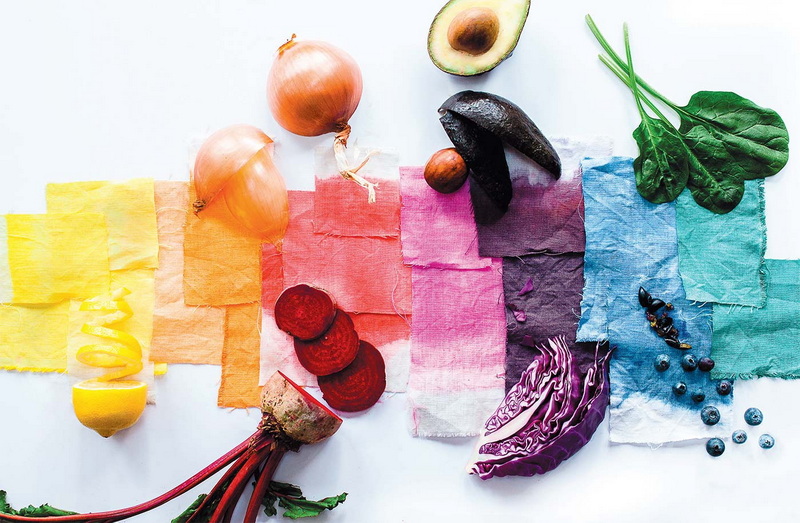
Natural food colors are derived from plant, fruit, vegetable, and mineral sources. Unlike synthetic dyes, they offer a clean-label alternative that appeals to consumers seeking transparency and health benefits. These colors are used across a wide range of products, from beverages and baked goods to confectionery and dairy.
- Health and Safety: Free from artificial additives, natural food colors reduce the risk of allergic reactions and long-term health concerns.
- Consumer Trust: Brands using natural ingredients build stronger relationships with their customers.
- Regulatory Compliance: Many countries are tightening regulations on synthetic colors, making natural options increasingly necessary.
Market Trends Driving Growth
The global shift towards natural ingredients is reflected in Calgary's food industry. Increasing consumer awareness about the potential adverse effects of synthetic additives has led to a surge in demand for natural food colors. Additionally, the rise of organic, vegan, and plant-based products further propels the need for vibrant, natural pigments that align with these lifestyles. Calgary manufacturers and suppliers are responding by expanding their product portfolios and investing in research and development to innovate new color solutions from sustainable sources.
Leading Natural Food Colors Manufacturers and Suppliers in Calgary
Calico Food Ingredients
Calico Food Ingredients is a prominent supplier in Calgary, offering a complete line of natural colors to meet the evolving demands of the food industry. Their technical expertise and commitment to quality make them a trusted partner for local and international brands.
- Product Range: Natural colors, flavors, vitamins, and specialty coatings.
- Technical Support: Collaborative approach to formulation and sourcing.
- Quality Assurance: Focus on food safety and regulatory compliance.
Calico's team works closely with clients to develop customized natural color solutions that maintain stability and vibrancy under various processing conditions. Their ability to blend natural pigments with other functional ingredients ensures that manufacturers can achieve the desired aesthetic without compromising product integrity.
Community Natural Foods
Since 1977, Community Natural Foods has been a staple in Calgary, providing natural and organic food products. Their offerings include a selection of natural food colors suitable for health-focused brands and manufacturers.
- Local Sourcing: Emphasis on organic and sustainable ingredients.
- Customer Education: In-store and online resources to help consumers make informed choices.
Community Natural Foods is also known for its commitment to sustainability and ethical sourcing, often working with small-scale farmers and cooperatives to support biodiversity and fair trade practices. This approach resonates with brands that prioritize social responsibility alongside product quality.
FoodRGB
FoodRGB is known for its innovative natural color solutions, working closely with clients to develop custom formulations. Their expertise extends to troubleshooting production issues and ensuring consistent performance across product lines.
- Custom Formulation: Tailored color solutions for unique applications.
- Technical Support: On-site assistance and rapid problem-solving.
FoodRGB invests heavily in research to identify new natural pigments and extraction methods that enhance color intensity and stability. Their collaborations with academic institutions and industry experts position them at the forefront of natural color innovation in Calgary.
Global Partnerships: OEM Services from China
As the demand for natural food colors grows, many Calgary-based brands and suppliers are partnering with specialized OEM factories in China. These manufacturers offer a wide range of plant extracts, herbal formulas, and natural colorants, supporting global supply chains with scalable solutions.
Why Choose Chinese OEM Manufacturers?
- Expertise in Botanical Extracts: Chinese factories have decades of experience in extracting and purifying natural pigments.
- Customizable Solutions: OEM services allow for tailored formulations, packaging, and branding.
- Competitive Pricing: Large-scale production capabilities ensure cost-effective solutions for international clients.
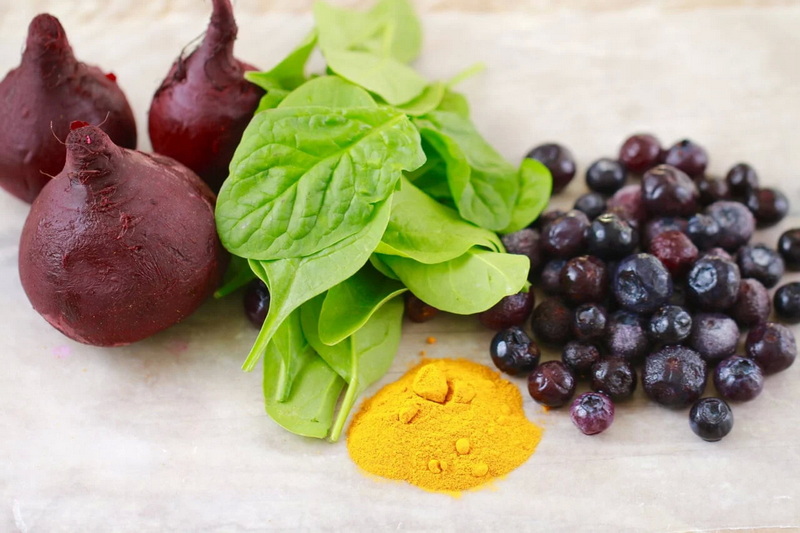
Chinese OEM manufacturers often provide extensive product catalogs featuring colors derived from turmeric, safflower, gardenia, and other botanicals. Their advanced extraction technologies, such as supercritical CO2 extraction and membrane filtration, ensure high purity and vibrant colors that meet international safety standards.
Strategic Advantages of Collaboration
Partnering with Chinese OEM factories enables Calgary brands to access a broader palette of natural colors and novel ingredients that may not be locally available. These collaborations also facilitate innovation through joint development projects and technology transfer. Moreover, the ability to scale production quickly helps brands respond to market demands without compromising lead times or quality.
Key Benefits of Natural Food Colors
Health and Wellness
Natural food colors are free from harmful chemicals, making them suitable for health-oriented products and sensitive populations such as children and the elderly. Many natural pigments also contain antioxidants and other bioactive compounds, adding potential nutritional benefits.
Versatility
These colors are used in a variety of food and beverage applications, including:
- Beverages (juices, sodas, teas)
- Baked goods (cakes, cookies, bread)
- Dairy products (yogurt, cheese, ice cream)
- Confectionery (candies, gummies, chocolates)
- Savory foods (sauces, dressings, snacks)
The versatility of natural food colors allows manufacturers to meet diverse consumer preferences while maintaining product appeal and integrity.
Sustainability
Sourcing colors from renewable plant materials supports environmental sustainability and aligns with eco-friendly brand values. Many suppliers emphasize sustainable harvesting practices, organic cultivation, and minimal environmental impact during processing.
Stability and Performance
Recent advancements in natural color technology have improved the stability of pigments under heat, light, and pH variations. This progress enables manufacturers to use natural colors in a wider range of products without sacrificing shelf life or appearance.
Applications Across Food and Beverage Sectors
Beverage Industry
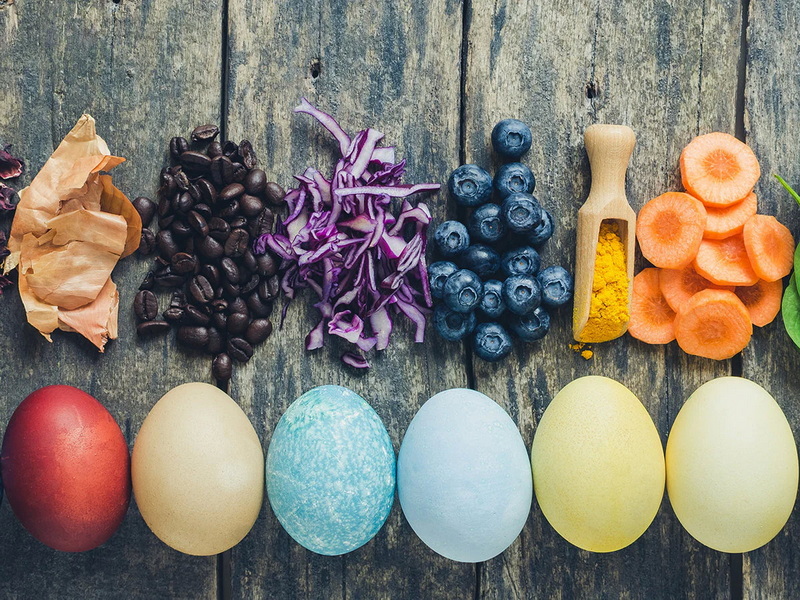
Natural food colors are widely used in the beverage sector to enhance visual appeal without compromising health standards. Popular sources include beetroot, turmeric, spirulina, and carrot.
The beverage industry benefits from natural colors that can withstand pasteurization and maintain clarity in clear liquids. Additionally, natural colors contribute to the perception of freshness and healthfulness, which are critical selling points in this category.
Bakery and Confectionery
In bakery and confectionery, vibrant hues from natural sources such as annatto, paprika, and elderberry are increasingly favored over synthetic alternatives. These colors add aesthetic value to products while aligning with consumer demand for clean-label ingredients.
Manufacturers often combine natural colors with natural flavors and preservatives to create wholesome, appealing products that meet regulatory requirements and consumer expectations.
Dairy and Plant-Based Products
Natural colors are essential for plant-based and dairy products, where consumer expectations for clean-label ingredients are high. For example, turmeric and beta-carotene are commonly used to impart yellow or orange hues, while anthocyanins provide red and purple shades.
In plant-based alternatives, natural colors help mimic the appearance of traditional dairy products, improving acceptance and marketability.
Savory Foods and Snacks
Natural food colors enhance sauces, dressings, and snack foods, providing vibrant and appetizing appearances. Paprika extract, caramel color, and chlorophyll are frequently used to achieve rich reds, browns, and greens.
These colors also support brand differentiation in competitive markets by creating visually distinctive products.
Quality Assurance and Certifications
Key Certifications to Look For
- ISO 9001/14001: International standards for quality and environmental management.
- Halal/Kosher: Compliance with religious dietary laws.
- EU Organic: Certification for organic production methods.
- FSSC 22000/BRC/IFS: Food safety and quality management systems.
Importance of Traceability
Leading natural food colors manufacturers and suppliers provide full traceability of ingredients, ensuring transparency and safety throughout the supply chain. Traceability supports recall management, regulatory compliance, and consumer confidence.
Testing and Analytical Standards
Suppliers often conduct rigorous testing for contaminants such as heavy metals, pesticides, and microbial load. They also verify color consistency and stability through standardized analytical methods. These quality controls are critical for maintaining product integrity and meeting customer specifications.
How to Choose the Right Supplier
Factors to Consider
- Product Quality: Evaluate the purity, stability, and intensity of the colorants.
- Technical Support: Look for suppliers offering formulation assistance and troubleshooting.
- Certifications: Ensure compliance with relevant food safety and quality standards.
- Customization: Assess the ability to provide tailored solutions for your specific needs.
- Sustainability: Consider the environmental impact of sourcing and production methods.
- Supply Chain Reliability: Confirm the supplier's capacity to meet volume and delivery timelines.
Building Long-Term Partnerships
Establishing strong relationships with reputable natural food colors manufacturers and suppliers ensures consistent quality, reliable delivery, and ongoing innovation. Collaborative partnerships enable co-development of new products and quicker adaptation to market trends.
Conclusion
The landscape of natural food colors manufacturers and suppliers in Calgary is evolving rapidly, driven by consumer demand for health, transparency, and sustainability. By partnering with both local experts and global OEM factories, brands can access a diverse range of high-quality, customizable solutions to meet the needs of today's market. Whether you are a small business or a large-scale producer, investing in natural food colors is a strategic move that enhances product appeal and builds consumer trust.
The integration of natural pigments into food and beverage products not only satisfies regulatory and consumer demands but also reflects a broader commitment to environmental stewardship and innovation. Calgary's manufacturers and suppliers, supported by global collaborations, stand ready to provide the expertise and resources necessary to thrive in this competitive landscape.
FAQ
1. What are natural food colors and how are they made?
Natural food colors are pigments derived from plant, fruit, vegetable, or mineral sources. They are extracted using processes such as water or solvent extraction, filtration, and purification to ensure safety and stability for food applications.
2. Why should manufacturers choose natural food colors over synthetic dyes?
Natural food colors offer health benefits, regulatory compliance, and align with consumer preferences for clean-label products. They reduce the risk of allergic reactions and are perceived as safer alternatives to synthetic dyes.
3. What certifications should I look for when selecting a supplier?
Key certifications include ISO 9001/14001, Halal, Kosher, EU Organic, and food safety standards such as FSSC 22000, BRC, and IFS. These certifications ensure quality, safety, and compliance with international regulations.
4. How do OEM services benefit brands sourcing natural food colors from China?
OEM services provide customizable solutions, including tailored formulations, packaging, and branding. Chinese manufacturers offer expertise in botanical extraction and large-scale production, making them ideal partners for international brands.
5. Can natural food colors be used in all types of food and beverage products?
Yes, natural food colors are versatile and can be used in beverages, baked goods, dairy, confectionery, and savory foods. However, the choice of pigment and formulation may vary depending on the application and desired outcome.