Content Menu
● Introduction to Natural Sweeteners in Spain
● Major Types of Natural Sweeteners Produced in Spain
● Leading Natural Sweeteners Manufacturers in Spain
>> 1. Sucralin
>> 2. SteviGran
>> 3. De Pr1mera
>> 4. Crovay Natural Solutions, S.L.
>> 5. Aurea Foods
>> 6. Azucarera Española (Cargill)
>> 7. Other Key Players
● Innovations and Trends in Spain's Natural Sweeteners Market
>> Stevia Cultivation and Processing
>> Honey and Derivatives
>> Polyalcohols from Biomass
>> Clean-Label and Health-Conscious Products
>> OEM Services and Custom Formulations
>> Regulatory Environment and Market Outlook
● Conclusion
● FAQ
>> 1. What are the main types of natural sweeteners produced in Spain?
>> 2. Which companies are the leading natural sweeteners manufacturers in Spain?
>> 3. How is stevia cultivated and processed in Spain?
>> 4. What innovations are driving the natural sweeteners market in Spain?
>> 5. Are Spanish natural sweeteners exported internationally?
Spain has emerged as a significant player in the global natural sweeteners market, driven by increasing consumer demand for healthier, low-calorie, and natural sugar alternatives. This article explores the top natural sweeteners manufacturers in Spain, highlighting their products, innovations, and contributions to the industry. We will also discuss market trends, key players, and the future outlook for natural sweeteners in Spain.
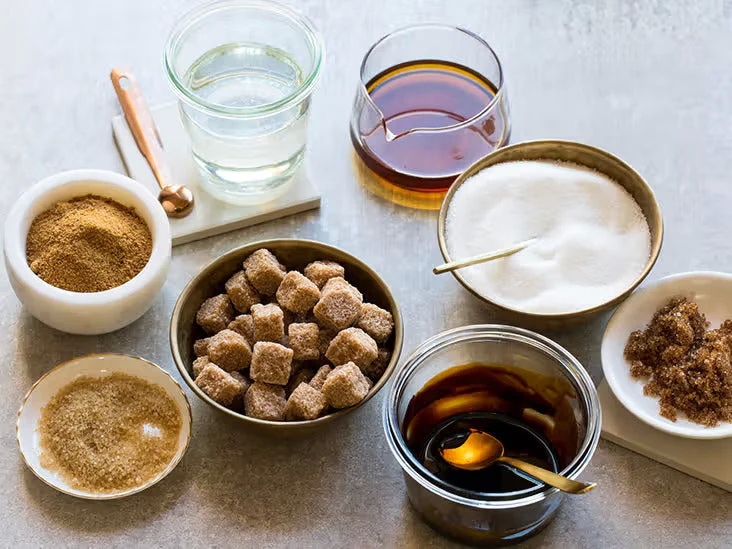
Introduction to Natural Sweeteners in Spain
Natural sweeteners are substances derived from natural sources such as plants, honey, and sugar alcohols that provide sweetness with fewer calories or additional health benefits compared to traditional sugar. Spain's natural sweeteners market is growing rapidly, fueled by health-conscious consumers and regulatory support for sugar reduction in foods and beverages.
Leading Spanish manufacturers specialize in producing natural sweeteners like stevia, sucralose-based substitutes, honey, and polyalcohols, catering to both domestic and international markets. Many companies also offer OEM services for plant extracts and herbal formulations, supporting brands and wholesalers worldwide.
Major Types of Natural Sweeteners Produced in Spain
- Stevia Extracts: Derived from the Stevia rebaudiana plant, stevia is a zero-calorie sweetener known for its high sweetness potency and suitability for diabetics.
- Sucralose-Based Sweeteners: Synthetic but derived from sugar, sucralose is calorie-free and widely used in industrial and retail products.
- Honey and Honey Derivatives: Spain is renowned for its high-quality honey varieties such as orange blossom, rosemary, and acacia honey.
- Polyalcohols (Sugar Alcohols): Including mannitol and erythritol, these sweeteners provide sweetness with fewer calories and are tooth-friendly.
Leading Natural Sweeteners Manufacturers in Spain
1. Sucralin
Sucralin is a pioneering Spanish brand known for its natural sucralose-based sweetener. It boasts a sweetening power 7 to 10 times greater than sugar, with zero calories and no side effects. Since its launch in 2011, Sucralin has expanded across pharmacies, supermarkets, and online platforms throughout Spain. Its distinctive ruby red packaging with a heart symbol has become iconic in the market. Sucralin is highly regarded for quality and innovation, inspiring competitors to follow its lead in natural sweetener production.
2. SteviGran
Founded in 2010, SteviGran specializes in processing stevia leaves into high-purity sweetener extracts and powders. The company operates plantations both in Paraguay and southern Spain, leveraging ecological processes for extraction. SteviGran has developed a "biofactory" for mass seedling production and offers around 20 stevia-derived products, including capsules, powders, and liquid extracts. Their expertise in stevia extraction and product diversification positions them as a key player in Spain's natural sweetener industry.
3. De Pr1mera
Based in Málaga, De Pr1mera cultivates millions of stevia plants across southern Spain. They produce dried leaves, liquid and powder extracts, capsules, and jams incorporating stevia. Although they currently import some stevia extract from China and Paraguay, the company plans to establish a local extraction plant using environmentally friendly methods. De Pr1mera's focus on sustainable cultivation and product variety highlights Spain's growing stevia sector.
4. Crovay Natural Solutions, S.L.
Located in La Garriga, Crovay Natural Solutions is a distributor specializing in various sweeteners, including natural and non-specified sweeteners derived from plant sources. They supply sweeteners for both domestic and industrial use across Europe, emphasizing natural ingredients and clean-label formulations.
5. Aurea Foods
Aurea Foods manufactures sugar, sweeteners, and coffee creamer sachets in retail and industrial formats. They innovate with sweetener formulas based on sucralose and stevia, offering personalized and standard designs. Their products cater to the growing demand for natural and healthier sweetening options in the food industry.
6. Azucarera Española (Cargill)
Azucarera Española, owned by Cargill, markets sweeteners under the Truvía brand in Spain. Their product combines erythritol, a sugar alcohol, with a small percentage of stevia extract. This blend offers a natural, low-calorie sweetener option aligned with consumer preferences for healthier alternatives.
7. Other Key Players
Other notable companies in Spain's natural sweetener market include Tate & Lyle, Archer Daniels Midland Company, DuPont, PureCircle, and Tereos. These multinational firms have a strong presence in Spain, contributing to product innovation, market expansion, and regulatory compliance in natural sweetener production.
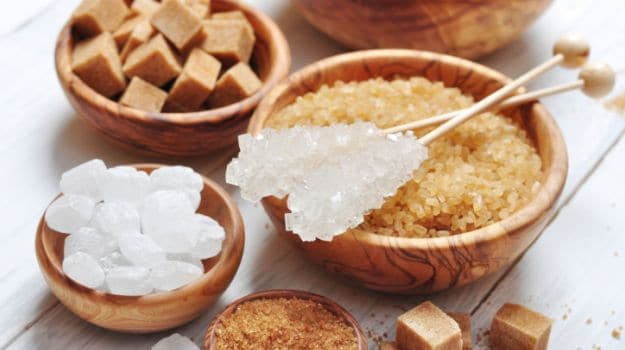
Innovations and Trends in Spain's Natural Sweeteners Market
Stevia Cultivation and Processing
Southern Spain, particularly the Andalusia region, has become a hub for stevia cultivation due to its favorable climate. Farmers are shifting from traditional crops to stevia for better economic returns and sustainable agriculture. Companies like SteviGran and De Pr1mera are advancing extraction technologies, including micro, ultra, and nano-filtration, to produce high-purity stevia sweeteners approved by the EU.
The cultivation process involves careful selection of stevia varieties with high steviol glycoside content, ensuring maximum sweetness and minimal bitterness. Sustainable farming practices are increasingly adopted to reduce environmental impact, including organic farming and water-efficient irrigation systems.
Honey and Derivatives
Spanish honey, recognized for its purity and quality, is gaining popularity in innovative formats such as syrups, candies, and supplements. Producers like Ebremel combine honey with pollen and propolis to create health-oriented products that appeal to European markets. Sustainable practices, such as beekeeping in solar parks, exemplify the industry's commitment to environmental responsibility.
The diversity of Spanish flora contributes to a wide range of honey flavors and nutritional profiles, making Spanish honey a premium natural sweetener. The integration of traditional beekeeping knowledge with modern quality control ensures traceability and safety, enhancing consumer trust.
Polyalcohols from Biomass
Researchers in Spain are developing sustainable methods to produce polyalcohol sweeteners like mannitol and ribitol from renewable biomass using advanced catalysts. These sugar alcohols are valued for their sweetness, low calorie content, and dental benefits. This innovation could enhance the availability and affordability of natural sweeteners in the future.
The use of biomass not only reduces reliance on fossil fuels but also aligns with circular economy principles, turning agricultural residues into valuable sweetening agents. This approach supports Spain's commitment to sustainable development and green chemistry.
Clean-Label and Health-Conscious Products
Spanish manufacturers are responding to consumer demand for natural, clean-label sweeteners free from artificial additives. New product launches focus on plant-based ingredients such as stevia and monk fruit, supporting healthier lifestyles and compliance with EU sugar reduction regulations.
These products are often fortified with vitamins, antioxidants, or prebiotics, adding functional benefits beyond sweetness. The trend towards natural sweeteners also intersects with vegan, gluten-free, and organic certifications, broadening market appeal.
OEM Services and Custom Formulations
Many Spanish natural sweetener manufacturers offer OEM services, providing customized formulations for brands, wholesalers, and producers worldwide. These services include blending natural sweeteners with herbal extracts, flavorings, and other functional ingredients to meet specific market requirements.
The ability to tailor products enhances competitiveness and supports innovation in the food, beverage, pharmaceutical, and nutraceutical sectors. Spanish manufacturers leverage their expertise in plant extraction and formulation to deliver high-quality, compliant products.
Regulatory Environment and Market Outlook
Spain benefits from the European Union's supportive regulatory framework for natural sweeteners, which encourages innovation while ensuring safety and transparency. The EU's approval of steviol glycosides and other natural sweeteners has opened new market opportunities for Spanish producers.
Consumer trends toward reducing sugar intake and increasing demand for natural, sustainable ingredients are expected to drive continued growth. Spain's strategic location and well-developed logistics infrastructure facilitate exports to Europe, the Middle East, and North Africa.
Conclusion
Spain's natural sweeteners market is vibrant and expanding, driven by innovation, sustainability, and growing health awareness. Leading manufacturers like Sucralin, SteviGran, and De Pr1mera exemplify Spain's expertise in producing high-quality natural sweeteners such as stevia extracts, sucralose substitutes, and honey derivatives. With ongoing research into sustainable production methods and increasing consumer preference for clean-label products, Spain is poised to strengthen its position as a top natural sweeteners manufacturer in Europe and beyond.
The combination of traditional agricultural knowledge, cutting-edge technology, and a commitment to environmental stewardship ensures that Spanish natural sweeteners remain competitive and appealing in a global marketplace increasingly focused on health and sustainability.
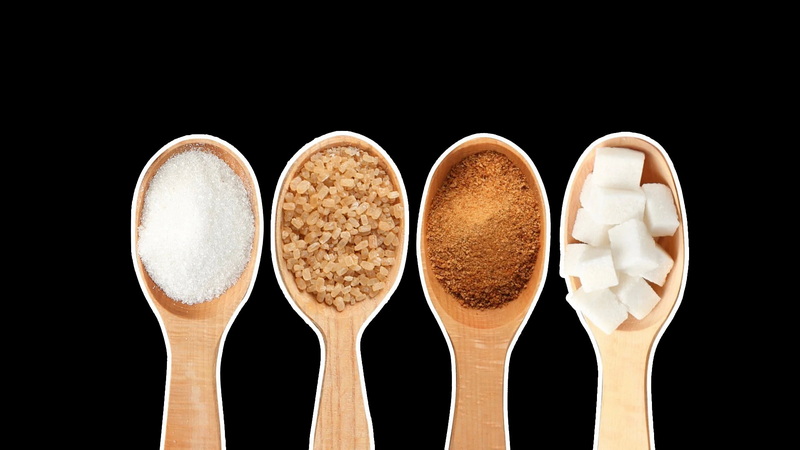
FAQ
1. What are the main types of natural sweeteners produced in Spain?
Spain produces several natural sweeteners including stevia extracts, sucralose-based sweeteners, honey and its derivatives, and polyalcohols like erythritol and mannitol. These cater to various health-conscious consumer needs and industrial applications.
2. Which companies are the leading natural sweeteners manufacturers in Spain?
Key manufacturers include Sucralin, SteviGran, De Pr1mera, Crovay Natural Solutions, Aurea Foods, and Azucarera Española (Cargill). Multinational players like Tate & Lyle and DuPont also have a strong presence in Spain.
3. How is stevia cultivated and processed in Spain?
Stevia is cultivated mainly in southern Spain's Andalusia region. The leaves are harvested, dried, and undergo purification processes such as micro, ultra, and nano-filtration to extract high-purity steviol glycosides approved for food use.
4. What innovations are driving the natural sweeteners market in Spain?
Innovations include sustainable cultivation practices, advanced extraction technologies, development of polyalcohols from biomass, and the creation of clean-label, plant-based sweetener products that meet regulatory and consumer demands.
5. Are Spanish natural sweeteners exported internationally?
Yes, Spanish natural sweeteners, especially honey and stevia products, are exported across Europe, the Middle East, and North Africa. Companies actively seek distributors to expand their international reach.