Content Menu
● Understanding Green Tea Extract
● Flavor Profile
>> Varieties of Green Tea
● The Challenge of Bitterness
● Techniques to Mask Bitterness
● Culinary Applications
● Popular Recipes Using Green Tea Extract
● The Health Benefits Behind the Taste
>> Antioxidant Properties
>> Weight Management
>> Heart Health
>> Brain Function
● Conclusion
● FAQ
>> 1. What is green tea extract?
>> 2. Why does green tea extract taste bitter?
>> 3. How can I use green tea extract in cooking?
>> 4. Can I mask the bitterness of green tea extract?
>> 5. What are some health benefits of green tea extract?
● Citations:
Green tea extract, derived from the leaves of the Camellia sinensis plant, has gained popularity for its numerous health benefits. However, many people are curious about its taste and how it can be incorporated into various foods and beverages. This article will explore the flavor profile of green tea extract, its applications in culinary practices, and how manufacturers address its inherent bitterness.
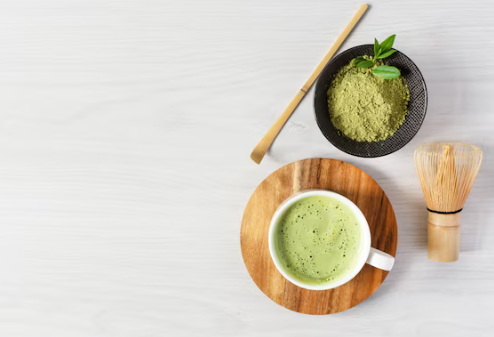
Understanding Green Tea Extract
Green tea extract is a concentrated form of green tea that retains most of the beneficial compounds found in the leaves. It is rich in antioxidants, particularly catechins, which are believed to contribute to various health benefits such as weight loss, improved brain function, and reduced risk of chronic diseases. However, the taste of green tea extract can vary significantly depending on its processing and formulation.
Flavor Profile
The taste of green tea extract is often described as:
- Bitter: A characteristic flavor due to the presence of catechins.
- Grassy: A fresh, vegetal note reminiscent of freshly brewed green tea.
- Astringent: A drying sensation in the mouth that can accompany bitterness.
Varieties of Green Tea
Different types of green tea can influence the flavor of the extract:
- Sencha: Bright and vegetal with a hint of oceanic taste.
- Matcha: Creamy and umami-rich with a sweet aftertaste.
- Gunpowder: Bold and slightly smoky with a lingering sweetness.
The Challenge of Bitterness
One of the significant challenges with green tea extract is its bitterness. This can affect consumer acceptance when used in food products. Manufacturers have developed various techniques to mask this bitterness, allowing for broader applications without compromising taste.
Techniques to Mask Bitterness
1. Microencapsulation: Encapsulating green tea extract in tasteless coatings helps mask its bitter flavor. This technique allows for incorporation into baked goods without altering their taste or texture.
2. Flavor Pairing: Combining green tea extract with complementary flavors can help balance its bitterness. For instance:
- Matcha pairs well with white chocolate.
- Sencha complements ginger.
3. Sweeteners: Adding natural sweeteners or flavors can also counteract bitterness, making products more palatable.
4. Acidity Balancing: Incorporating acidic ingredients like lemon juice or vinegar can help neutralize some of the bitterness while enhancing overall flavor profiles.
5. Temperature Considerations: The temperature at which green tea extract is consumed can also affect perceived bitterness. For example, cold beverages may mask bitterness better than hot ones.
Culinary Applications
Green tea extract is versatile and can be used in various culinary applications:
- Beverages: Smoothies, energy drinks, and teas often incorporate green tea extract for its health benefits.
- Baked Goods: Muffins, cookies, and cakes can benefit from the addition of green tea extract, enhancing both flavor and nutritional value.
- Savory Dishes: Green tea extract can be used in marinades or dressings to add depth to flavors.
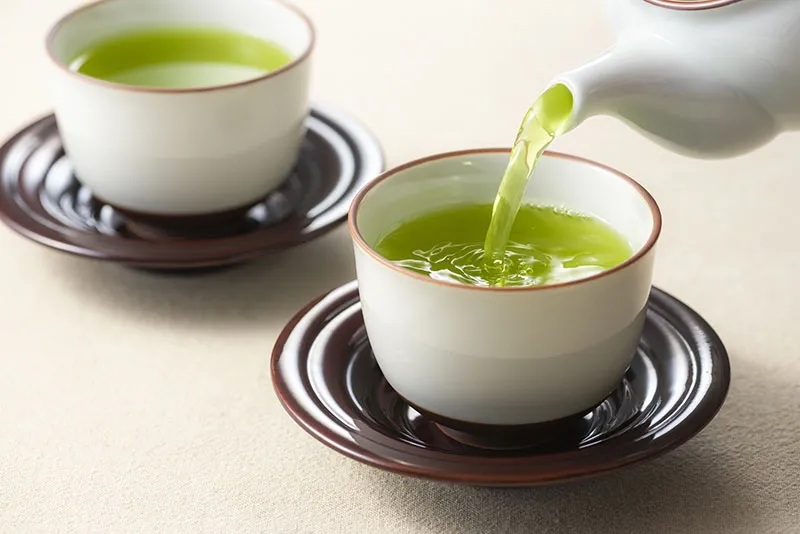
Popular Recipes Using Green Tea Extract
1. Green Tea Muffins
- Ingredients: Flour, sugar, baking powder, milk, eggs, and green tea extract.
- Instructions: Mix dry ingredients; combine wet ingredients; fold in green tea extract; bake until golden.
- Tip: Add blueberries or chocolate chips for an extra burst of flavor!
2. Matcha Ice Cream
- Ingredients: Heavy cream, sugar, egg yolks, matcha powder.
- Instructions: Whisk egg yolks with sugar; heat cream; combine; add matcha; churn in an ice cream maker.
- Tip: Serve with a drizzle of honey for added sweetness!
3. Green Tea Smoothie
- Ingredients: Spinach, banana, almond milk, green tea extract.
- Instructions: Blend all ingredients until smooth; serve chilled.
- Tip: Add a scoop of protein powder for a post-workout boost!
4. Savory Green Tea Marinade
- Ingredients: Soy sauce, sesame oil, garlic, ginger, green tea extract.
- Instructions: Mix all ingredients; marinate chicken or tofu for at least 30 minutes before grilling or baking.
- Tip: This marinade works wonderfully for stir-fries as well!
5. Green Tea Energy Bites
- Ingredients: Oats, nut butter, honey, chocolate chips, green tea extract.
- Instructions: Mix all ingredients; form into balls; refrigerate until firm.
- Tip: These bites make a great on-the-go snack!
The Health Benefits Behind the Taste
While we explore the taste profile of green tea extract and how to mask its bitterness for culinary enjoyment, it's essential to highlight why so many people are drawn to it in the first place—its health benefits.
Antioxidant Properties
Green tea extract is rich in antioxidants that help combat oxidative stress in the body. This means it may play a role in reducing inflammation and protecting cells from damage caused by free radicals.
Weight Management
Research suggests that catechins found in green tea extract may help boost metabolism and promote fat oxidation. This makes it a popular choice among those looking to manage their weight effectively.
Heart Health
Regular consumption of green tea extract has been linked to improved cardiovascular health due to its ability to lower LDL cholesterol levels and improve blood circulation.
Brain Function
Some studies indicate that compounds in green tea may enhance cognitive function and protect against neurodegenerative diseases like Alzheimer's and Parkinson's.
Conclusion
In summary, while green tea extract has a distinct bitter taste that may pose challenges in culinary applications, various techniques such as microencapsulation and flavor pairing can effectively enhance its palatability. Additionally, understanding how to incorporate this powerful ingredient into everyday foods will allow consumers to enjoy its numerous health benefits while savoring delicious flavors.
The versatility of green tea extract means it can be used across various cuisines—from sweet desserts to savory dishes—making it an excellent addition to any kitchen. As consumers increasingly seek out healthier options without compromising taste, the future looks bright for this remarkable ingredient.
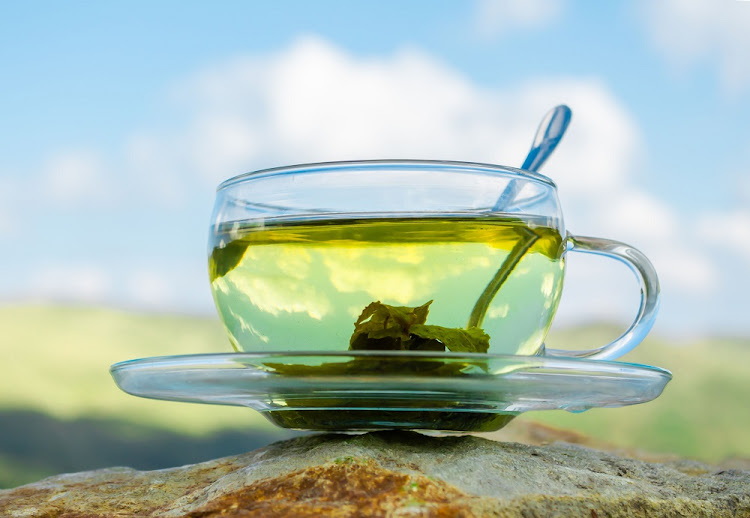
FAQ
1. What is green tea extract?
Green tea extract is a concentrated form of green tea that contains high levels of antioxidants known as catechins.
2. Why does green tea extract taste bitter?
The bitterness primarily comes from catechins present in the leaves, which are concentrated during extraction.
3. How can I use green tea extract in cooking?
You can add it to beverages like smoothies or teas, incorporate it into baked goods like muffins or cookies, or use it in savory dishes as a marinade or dressing.
4. Can I mask the bitterness of green tea extract?
Yes! Techniques like microencapsulation, using complementary flavors, adding sweeteners, balancing acidity with other ingredients, and considering temperature can help mask its bitterness effectively.
5. What are some health benefits of green tea extract?
Green tea extract is known for its antioxidant properties, potential weight loss benefits through metabolism boosting, improved brain function support, and reduced risk factors related to heart disease.
Citations:
[1] https://www.foodnavigator.com/Article/2012/04/13/Tasteless-green-tea-extract-could-open-beverage-NPD-doors/
[2] https://www.istockphoto.com/videos/green-tea-extract
[3] https://patents.google.com/patent/TWI607708B/zh
[4] https://www.bluepacificflavors.com/green-tea/
[5] https://www.vecteezy.com/free-videos/green-tea-extract
[6] https://pmc.ncbi.nlm.nih.gov/articles/PMC9743341/
[7] http://www.maxxperformance.com/stories/bakery/fortifying-baked-goods-with-green-tea-extract/
[8] https://www.istockphoto.com/photos/green-tea-extract
[9] https://www.mdpi.com/2297-8739/10/2/121
[10] https://www.freepik.com/free-photos-vectors/green-tea-extract
[11] https://www.youtube.com/watch?v=eMuE16vLV_s