Content Menu
● Introduction to Camellia Sinensis
>> Composition of Camellia Sinensis Leaf Extract
● Health Benefits of Green Tea Leaf Extract
>> Antioxidant Properties
>> Anti-Obesity and Anti-Diabetic Effects
>> Neuroprotective Effects
>> Immune System Support
>> Cardiovascular Health
● Cosmetic Applications
>> Skin Protection
>> Hydration and Skin Barrier Function
>> Anti-Inflammatory Effects
● Preparation of Green Tea Leaf Extract
>> Homemade Extract Preparation
● Uses of Camellia Sinensis Leaf Extract
>> Dietary Supplements
>> Cosmetic Products
>> Food Products
>> Pharmaceutical Applications
● Cultural Significance of Green Tea
>> Japanese Tea Ceremony
>> Chinese Tea Culture
● Scientific Research on Green Tea
>> Cancer Prevention
>> Cardiovascular Health
>> Neuroprotection
● Conclusion
● FAQs
>> 1. What are the main bioactive compounds in Camellia sinensis leaf extract?
>> 2. How can I make green tea leaf extract at home?
>> 3. What are the cosmetic benefits of green tea leaf extract?
>> 4. Are there any side effects of consuming green tea leaf extract?
>> 5. Can green tea leaf extract aid in weight loss?
● Citations:
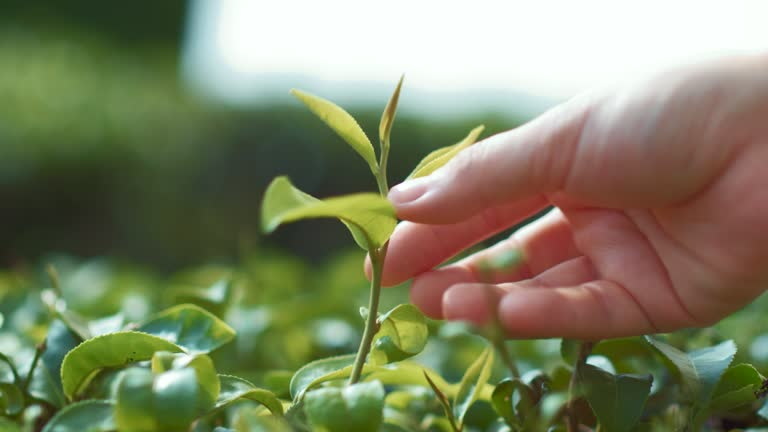
Camellia sinensis, commonly known as the tea plant, is the source of various teas, including green tea, black tea, oolong tea, and white tea. The leaf extract of Camellia sinensis, particularly from green tea, has gained significant attention for its numerous health benefits and applications in cosmetics and dietary supplements. This article delves into the composition, benefits, and uses of Camellia sinensis green tea leaf extract.
Introduction to Camellia Sinensis
Camellia sinensis is an evergreen shrub or small tree native to Asia. Its leaves are rich in bioactive compounds that contribute to the medicinal and nutritional value of tea. Green tea, which accounts for about 20% of the world's tea production, is primarily consumed in Asian countries like Japan and China due to its perceived health benefits and affordability.
Composition of Camellia Sinensis Leaf Extract
The extract from Camellia sinensis leaves is rich in several bioactive compounds, including:
- Catechins: These are polyphenolic compounds, with epigallocatechin gallate (EGCG) being the most abundant and studied. EGCG is known for its antioxidant properties and potential health benefits.
- Caffeine: A stimulant that can enhance alertness and metabolism.
- L-theanine: An amino acid that promotes relaxation and reduces stress levels.
- Vitamins and Minerals: The extract contains B vitamins and minerals like magnesium, calcium, and iron.
Health Benefits of Green Tea Leaf Extract
Green tea leaf extract is associated with several health benefits due to its bioactive compounds:
Antioxidant Properties
The high antioxidant content helps protect against oxidative stress, which can lead to chronic diseases like cancer and cardiovascular diseases.
Anti-Obesity and Anti-Diabetic Effects
Studies suggest that green tea extract may aid in weight loss and improve insulin sensitivity, potentially reducing the risk of diabetes.
Neuroprotective Effects
Compounds in green tea may help protect against neurodegenerative diseases by reducing inflammation and oxidative stress in the brain.
Immune System Support
Green tea extract is believed to boost the immune system, helping the body fight off infections more effectively.
Cardiovascular Health
It may help lower cholesterol levels and improve blood flow, reducing the risk of heart disease.
Cosmetic Applications
In the cosmetic industry, green tea leaf extract is valued for its potential to improve skin health:
Skin Protection
EGCG in green tea extract may protect the skin from UV damage, reducing the risk of sunburn and premature aging.
Hydration and Skin Barrier Function
EGCG can enhance the production of filaggrin and hyaluronic acid, improving skin hydration and barrier function.
Anti-Inflammatory Effects
Green tea extract may reduce inflammation, which can help alleviate conditions like acne and rosacea.
Preparation of Green Tea Leaf Extract
You can purchase green tea leaf extract as a supplement or make it at home using a simple method:
Homemade Extract Preparation
Ingredients:
- 10 grams of ground green tea leaves
- 80 mL of glycerine
- Water
Supplies:
- Fine filter or food-grade oil filter
- Airtight, dark-colored storage container
Directions:
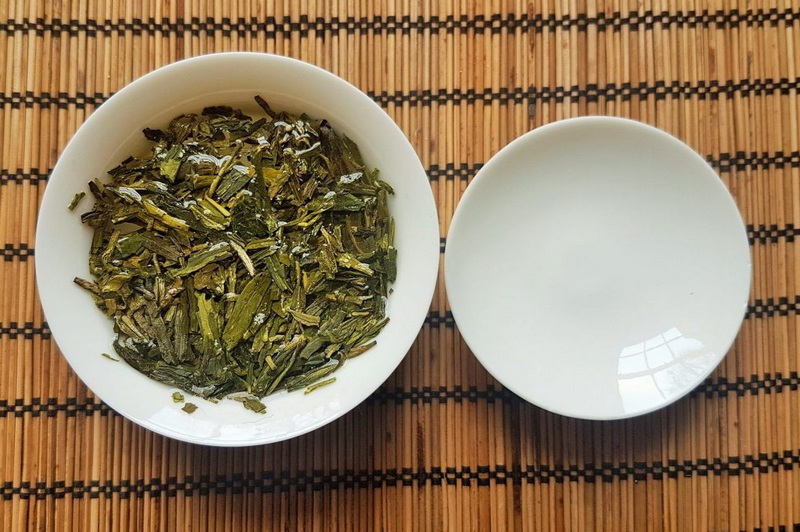
1. Boil the ground green tea leaves in water for 30 minutes to 2 hours.
2. Strain the mixture using a fine filter.
3. Mix the concentrated extract with glycerine and water to achieve a stable solution.
Uses of Camellia Sinensis Leaf Extract
The extract is used in various products:
Dietary Supplements
Available in powder, capsule, or liquid form, these supplements provide concentrated doses of green tea's bioactive compounds.
Cosmetic Products
Used in skincare products to enhance skin health and appearance.
Food Products
Added to beverages and food items for nutritional value and flavor.
Pharmaceutical Applications
Research is ongoing into its potential therapeutic applications, such as in cancer treatment and neuroprotection.
Cultural Significance of Green Tea
Green tea has been an integral part of Asian cultures for centuries, particularly in Japan and China, where it is not only consumed for its health benefits but also plays a significant role in traditional ceremonies and social gatherings.
Japanese Tea Ceremony
In Japan, the traditional tea ceremony, known as Chanoyu, Sado or Ocha, is a highly ritualized ceremony in which green tea (Matcha) is prepared and served to guests in a specially designed room. This ceremony emphasizes the importance of mindfulness and respect for nature.
Chinese Tea Culture
In China, green tea is often consumed during social gatherings and is considered a symbol of hospitality. The art of tea-making is highly valued, with different regions having their unique tea-making techniques and traditions.
Scientific Research on Green Tea
Ongoing scientific research continues to uncover the potential health benefits of green tea extract. Studies are exploring its effects on various diseases, including cancer, cardiovascular disease, and neurodegenerative disorders.
Cancer Prevention
Some studies suggest that the antioxidants in green tea may help prevent certain types of cancer by inhibiting the growth of cancer cells.
Cardiovascular Health
Green tea extract may help improve cardiovascular health by reducing cholesterol levels and improving blood vessel function.
Neuroprotection
Compounds in green tea may offer neuroprotective benefits, potentially reducing the risk of diseases like Alzheimer's and Parkinson's.
Conclusion
Camellia sinensis green tea leaf extract is a rich source of bioactive compounds that offer numerous health benefits and cosmetic applications. Its antioxidant properties, potential for weight loss, and skin protection make it a popular ingredient in both dietary supplements and skincare products.
FAQs
1. What are the main bioactive compounds in Camellia sinensis leaf extract?
The main bioactive compounds include catechins (like EGCG), caffeine, and L-theanine, along with vitamins and minerals.
2. How can I make green tea leaf extract at home?
You can make it by boiling green tea leaves in water, straining the mixture, and then mixing it with glycerine to create a stable extract.
3. What are the cosmetic benefits of green tea leaf extract?
It may protect the skin from UV damage, improve hydration, and enhance skin barrier function.
4. Are there any side effects of consuming green tea leaf extract?
While generally safe, high doses may cause side effects like insomnia due to caffeine content. Always consult a healthcare provider before use.
5. Can green tea leaf extract aid in weight loss?
Yes, it is believed to help with weight loss by enhancing metabolism and improving insulin sensitivity.
Citations:
[1] https://www.istockphoto.com/videos/green-tea-extract
[2] https://www.healthline.com/nutrition/camellia-sinensis-leaf-extract
[3] https://www.vecteezy.com/free-videos/green-tea-extract
[4] https://www.mdpi.com/2076-3417/12/12/5874
[5] https://www.istockphoto.com/videos/green-tea
[6] https://www.mdpi.com/2079-9284/10/3/85
[7] https://www.youtube.com/watch?v=4OHouYOG-xc
[8] https://pmc.ncbi.nlm.nih.gov/articles/PMC6826564/
[9] https://www.youtube.com/watch?v=z6cC7tk1dms