Content Menu
● Introduction to Green Tea and Blood Thinners
>> Green Tea Composition
>> Blood Thinners
● Interaction Between Green Tea and Blood Thinners
>> Green Tea and Warfarin
>> Green Tea and Aspirin
>> Green Tea and Other Blood Thinners
● Mechanisms of Action
>> Antiplatelet Activity
>> Anticoagulant Activity
● Safety Considerations
>> Monitoring INR
>>> Table: INR Monitoring Guidelines
>> Consulting Healthcare Providers
>> Dietary Considerations
● Clinical Evidence and Studies
>> Case Studies
>> Clinical Trials
● Additional Benefits of Green Tea
>> Cardiovascular Benefits
>> Antioxidant Effects
● Considerations for Safe Consumption
>> Individual Variability
>> Lifestyle Modifications
>> Monitoring and Adjustments
● Future Research Directions
>> Clinical Trials
>> Mechanistic Studies
● Conclusion
● FAQ
>> 1. Can I Drink Green Tea While Taking Warfarin?
>> 2. Does Green Tea Interact with Aspirin?
>> 3. Is Green Tea Safe with Other Blood Thinners Like Xarelto?
>> 4. How Does Green Tea Affect Blood Clotting?
>> 5. Should I Consult My Doctor Before Consuming Green Tea with Blood Thinners?
● Citations:
Green tea, known for its numerous health benefits, has become a popular beverage worldwide. However, for individuals taking blood thinners, there is a concern about whether green tea extract might interfere with these medications. This article aims to explore the potential interactions between green tea extract and blood thinners, providing insights into the mechanisms involved and offering guidance on safe consumption.
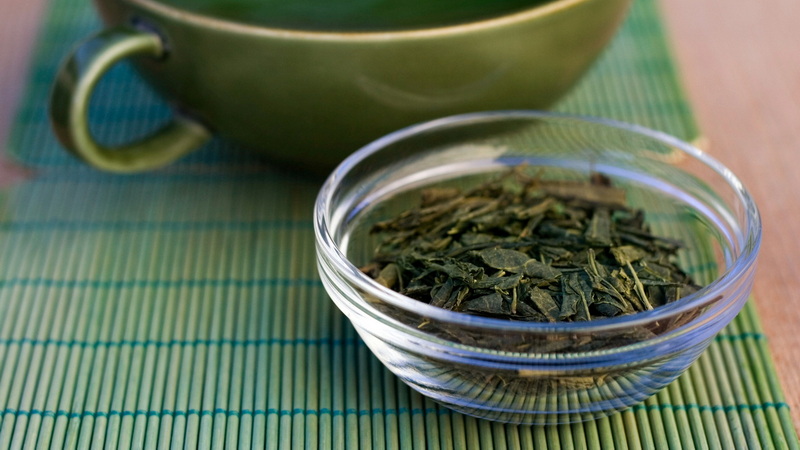
Introduction to Green Tea and Blood Thinners
Green tea is rich in antioxidants, particularly catechins, which have been shown to have anti-inflammatory and anti-clotting properties. Blood thinners, such as warfarin and aspirin, are medications used to prevent blood clots. Understanding how green tea interacts with these medications is crucial for maintaining effective anticoagulation therapy.
Green Tea Composition
Green tea contains several compounds that could potentially interact with blood thinners:
- Vitamin K: Present in green tea, vitamin K can counteract the effects of warfarin by promoting blood clotting.
- Catechins: These compounds, especially epigallocatechin gallate (EGCG), have antiplatelet and anticoagulant effects.
- Flavonoids: Other flavonoids in green tea may also contribute to its cardiovascular benefits, though their interaction with blood thinners is less well-studied.
Blood Thinners
Blood thinners work by preventing blood clots from forming or growing. Common types include:
- Warfarin: Works by inhibiting vitamin K-dependent clotting factors.
- Aspirin: Acts as an antiplatelet agent by inhibiting platelet aggregation.
- Direct Oral Anticoagulants (DOACs): Include medications like rivaroxaban and apixaban, which work by inhibiting specific clotting factors.
Interaction Between Green Tea and Blood Thinners
Green Tea and Warfarin
Warfarin's effectiveness can be reduced by green tea due to its vitamin K content. A case study reported a significant decrease in INR (a measure of blood clotting) when a patient consumed large amounts of green tea while taking warfarin. However, moderate consumption may not significantly impact warfarin's efficacy.
Green Tea and Aspirin
Both green tea and aspirin have anti-clotting properties, which could increase the risk of bleeding when used together. However, the effect is generally more pronounced with aspirin due to its direct action on platelets.
Green Tea and Other Blood Thinners
For medications like Xarelto, which do not rely on vitamin K-dependent pathways, green tea's vitamin K content is less of a concern. However, the antiplatelet effects of green tea catechins could still potentially enhance the anticoagulant activity of these drugs.
Mechanisms of Action
Antiplatelet Activity
Green tea catechins, particularly EGCG, inhibit platelet aggregation, which can enhance the effects of blood thinners like aspirin. This action is beneficial for cardiovascular health but requires careful monitoring to avoid excessive bleeding risks.
Anticoagulant Activity
While green tea does not significantly affect prothrombin time (PT) or fibrinogen levels, it can prolong activated partial thromboplastin time (APTT), indicating some anticoagulant effect. This effect is generally mild and may not be clinically significant for most individuals.

Safety Considerations
Monitoring INR
For patients on warfarin, regular monitoring of INR is crucial when consuming green tea to ensure that anticoagulation levels remain within the therapeutic range.
Table: INR Monitoring Guidelines
| INR Range | Interpretation |
| 2.0-3.0 | Therapeutic |
| <2.0 | Under-anticoagulated |
| >3.0 | Over-anticoagulated |
Consulting Healthcare Providers
It is essential to discuss green tea consumption with healthcare providers, especially for those on blood thinners, to assess individual risks and benefits. Factors such as the amount of green tea consumed, the type of blood thinner used, and individual health conditions will influence the advice given.
Dietary Considerations
Maintaining a consistent diet is important for patients on warfarin. Changes in vitamin K intake can affect INR levels. Green tea, being a source of vitamin K, should be consumed consistently if it is part of the diet.
Clinical Evidence and Studies
Several studies have explored the interaction between green tea and blood thinners. While some case reports suggest significant interactions, larger studies often find minimal effects at moderate consumption levels. However, individual variability is significant, and caution is advised.
Case Studies
Case studies highlighting the interaction between green tea and warfarin often involve high consumption levels. These cases emphasize the importance of monitoring INR regularly.
Clinical Trials
Large-scale clinical trials are needed to fully understand the effects of green tea on blood thinners. Current evidence suggests that moderate consumption is generally safe, but more research is necessary to provide definitive guidelines.
Additional Benefits of Green Tea
Beyond its interaction with blood thinners, green tea offers several cardiovascular benefits:
- Cardiovascular Health: Green tea may help reduce the risk of heart disease by improving lipid profiles and lowering blood pressure.
- Antioxidant Properties: The high antioxidant content in green tea can protect against oxidative stress, which is linked to various chronic diseases.
Cardiovascular Benefits
Green tea's cardiovascular benefits are attributed to its ability to improve blood vessel function and reduce inflammation. These effects can complement the action of blood thinners by reducing the overall risk of cardiovascular events.
Antioxidant Effects
The antioxidants in green tea, including catechins and other flavonoids, help protect cells from damage, which can contribute to overall health and potentially enhance the effectiveness of anticoagulant therapy.
Considerations for Safe Consumption
Individual Variability
Individual responses to green tea and blood thinners can vary significantly. Factors such as age, health status, and other medications can influence how green tea affects anticoagulation therapy.
Lifestyle Modifications
Maintaining a healthy lifestyle, including a balanced diet and regular exercise, can enhance the benefits of green tea while minimizing risks associated with blood thinner interactions.
Monitoring and Adjustments
Regular monitoring of INR and other relevant health markers is crucial for patients on blood thinners who consume green tea. Adjustments in green tea intake or medication dosages may be necessary based on individual responses.
Future Research Directions
Future studies should focus on quantifying the effects of green tea on blood thinners across diverse populations and exploring potential synergies between green tea and anticoagulant medications.
Clinical Trials
Large-scale clinical trials are needed to provide definitive evidence on the safety and efficacy of combining green tea with various blood thinners.
Mechanistic Studies
Understanding the molecular mechanisms by which green tea interacts with blood thinners will help in developing personalized guidelines for safe consumption.
Conclusion
Green tea extract can interact with blood thinners, particularly warfarin, due to its vitamin K content. However, moderate consumption of green tea may be safe for most individuals. It is crucial to consult with healthcare providers to determine the appropriate level of green tea intake based on individual health conditions and medications.
In conclusion, while green tea extract can interact with blood thinners, moderate consumption is generally safe when monitored appropriately. The potential cardiovascular benefits of green tea make it a valuable addition to a healthy lifestyle, provided that healthcare providers are consulted to ensure safe use.
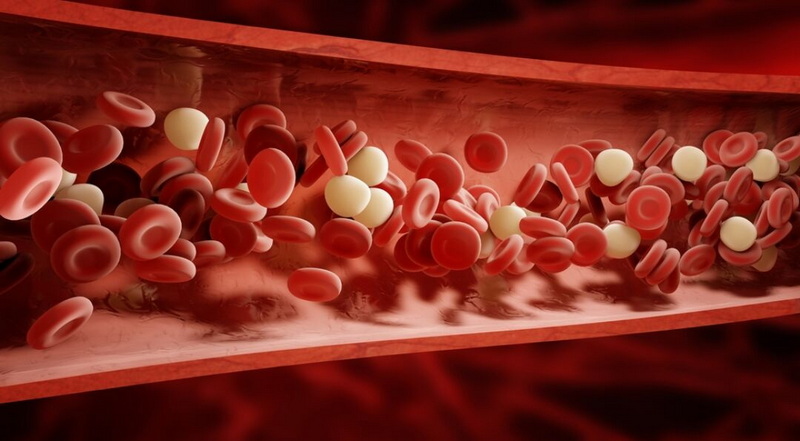
FAQ
1. Can I Drink Green Tea While Taking Warfarin?
Yes, but in moderation. Large amounts of green tea can reduce warfarin's effectiveness due to its vitamin K content. Regular INR monitoring is recommended.
2. Does Green Tea Interact with Aspirin?
Yes, both green tea and aspirin have anti-clotting properties, which could increase the risk of bleeding when used together.
3. Is Green Tea Safe with Other Blood Thinners Like Xarelto?
Generally, yes, as Xarelto does not rely on vitamin K-dependent pathways. However, the antiplatelet effects of green tea could enhance anticoagulant activity.
4. How Does Green Tea Affect Blood Clotting?
Green tea has antiplatelet and anticoagulant effects, primarily through its catechins, which can prolong bleeding times and inhibit platelet aggregation.
5. Should I Consult My Doctor Before Consuming Green Tea with Blood Thinners?
Yes, it is essential to discuss green tea consumption with your healthcare provider to assess individual risks and ensure safe use.
Citations:
[1] https://pubmed.ncbi.nlm.nih.gov/10332534/
[2] https://pubmed.ncbi.nlm.nih.gov/24056410/
[3] https://www.altoonamirror.com/uncategorized/2017/04/modest-amount-of-green-tea-ok-while-taking-warfarin/
[4] https://www.mountsinai.org/health-library/herb/green-tea
[5] https://www.livestrong.com/article/469873-the-effects-of-green-tea-on-blood-clotting/
[6] https://www.inspire.com/groups/national-blood-clot-alliance/discussion/does-anyone-know-about-green-tea-and-xarelto/
[7] https://www.limamemorial.org/health-library/Complementary%20and%20Alternative%20Medicine/33/000910
[8] https://pmc.ncbi.nlm.nih.gov/articles/PMC7478251/
[9] https://www.drugs.com/medical-answers/green-tea-interact-drugs-3573951/
[10] https://thehearthealthdietitian.com/green-tea-and-blood-thinners/