As someone who works with botanical ingredients in real-world product development, I look at digestive tolerance from two angles: what the clinical and traditional data say, and what actually happens when these ingredients are formulated into capsules, tablets, beverages, or complex blends. From that perspective, Banaba leaf extract generally shows a very clean profile with minimal reported gastrointestinal issues, whereas Magnolia bark extract offers calming and digestive-supportive effects but carries a slightly higher risk of stomach discomfort in sensitive users or at higher doses. [botaniex]
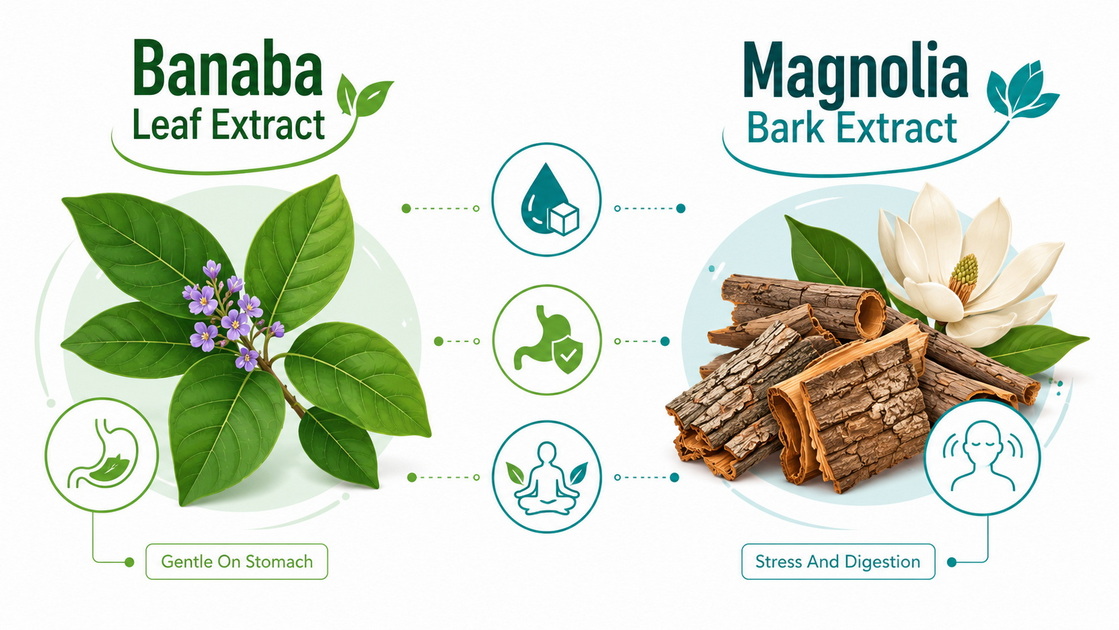
Quick Overview – Digestive Tolerance at a Glance
Core roles of each extract
- Banaba leaf extract (rich in corosolic acid) is primarily positioned for blood sugar and metabolic support, with traditional use also in weight management and general wellness. [casi]
- Magnolia bark extract (standardized to honokiol and magnolol) is historically used in Chinese medicine for stress, sleep, and digestive complaints, often as part of multi-herb formulas. [medicinenet]
From a product development standpoint, that means Banaba is usually dosed around meals or in blood-sugar support formulas, while Magnolia bark is often tied to evening, stress, or "relax and digest" positioning. [draxe]
Digestive tolerance snapshot
- Banaba leaf extract: Low incidence of reported gastrointestinal adverse effects in animal and human data; overall considered well tolerated, including at doses used in blood sugar studies. [healthline]
- Magnolia bark extract: Generally well tolerated, but some users may experience nausea, dizziness, or stomach discomfort, especially at higher doses or when taken on an empty stomach. [sculptfitnessla]
Understanding Digestive Tolerance in Botanical Extracts
What "digestive tolerance" means for formulators
In real B2B projects, digestive tolerance is not just "no diarrhea." It includes:
- Comfort: absence of nausea, cramping, reflux, or bloating after intake
- Consistency: stable response over days and weeks without cumulative GI irritation
- Compatibility: how well an extract behaves alongside fibers, sweeteners, minerals, or other actives in a formula
- Consumer perception: does the supplement "sit well" in the stomach, especially for long-term, daily use
Botanical ingredients like Banaba and Magnolia bark interact with gastric acid, bile flow, gut motility, and the microbiota; all of these can affect how the consumer feels after taking your product. [hsnstore]
Banaba Leaf Extract – Mechanisms, Uses, and GI Profile
Bioactives and mechanisms with GI relevance
Banaba leaves contain corosolic acid and other polyphenolic compounds that support glucose uptake, modulate carbohydrate digestion, and may influence insulin sensitivity. [healthyhey]
Key points for digestive impact:
- By moderating digestion and absorption of carbohydrates, Banaba can help avoid sharp post-meal glucose spikes, supporting a smoother energy curve and potentially more stable appetite. [healthyhey]
- Its antioxidant and anti-obesity activities may indirectly support gut comfort in metabolic syndrome users who often have underlying digestive complaints. [healthline]
These mechanisms are metabolic-centric rather than aggressively stimulant or laxative, which is one reason Banaba tends to be gentle on the GI tract. [casi]
Clinical and safety data related to digestive tolerance
- Reviews of human and animal data report no notable adverse effects with corosolic acid or standardized Banaba extracts at studied doses. [casi]
- One evidence summary notes that no adverse effects were observed or reported in animal studies or controlled clinical trials, and Banaba is considered safe for regular use in those contexts. [hsnstore]
- Consumer-facing health resources describe Banaba as "possibly safe" when taken by mouth short-term, with limited serious side effects documented. [webmd]
For formulators, this translates to high digestive tolerance in healthy adults when using standardised Banaba extract within recommended ranges. [healthline]
Expert formulation perspective – when Banaba "feels" best
From an industry standpoint, Banaba leaf extract tends to perform well in:
- Glucose and weight-management blends taken with meals
- RTD beverages and functional shots, where low bitterness and GI gentleness are critical for repeat purchase
- Long-term metabolic health programs, where daily adherence depends on zero or near-zero digestive side effects
As a formulator, I treat Banaba as a "low-friction" metabolic ingredient: it delivers value on glucose control with minimal added GI risk, making it attractive for broad consumer groups, including those who are sensitive to aggressive herbal laxatives or strong bitters. [healthyhey]

Magnolia Bark Extract – Calming Benefits vs. Digestive Sensitivity
Active compounds and gut-relevant actions
Magnolia bark (Magnolia officinalis) contains honokiol and magnolol, polyphenols with anti-inflammatory, antioxidant, and neuroprotective properties. [medicinenet]
Digestive relevance:
- Traditional Chinese medicine uses Magnolia bark to manage digestive issues such as bloating, fullness, and abdominal discomfort, often in formulas that harmonize the stomach and move "stagnation." [draxe]
- By reducing stress and anxiety, Magnolia bark may indirectly support digestion via the gut–brain axis, helping users who experience "nervous stomach" or stress-related gut discomfort. [sculptfitnessla]
Known side effects and GI tolerance
Evidence and expert reviews show:
- Magnolia bark supports digestion and gut health in animal models, with improvements in intestinal microbiota balance. [medicinenet]
- However, some individuals report mild side effects, including dizziness, nausea, or stomach discomfort after Magnolia bark supplementation. [sculptfitnessla]
- Consumer and practitioner literature positions Magnolia bark as generally safe, but advises caution in sensitive individuals and when combining with sedative medications. [draxe]
In practice, this means Magnolia bark has a dual profile: it can soothe digestion for some users, but can irritate or unsettle the stomach in others, especially if the dose is high or taken without food. [medicinenet]
Expert formulation perspective – how to minimize GI risk
Experienced product developers typically:
1. Use moderate dosages of Magnolia bark, often within multi-herb formulas rather than as a high-dose standalone. [draxe]
2. Recommend intake with food for users with sensitive stomachs to reduce nausea risk. [sculptfitnessla]
3. Pair Magnolia bark with soothing co-actives (e.g., ginger, chamomile, mild prebiotic fibers) to create a more comfortable digestive experience. [medicinenet]
When you handle the dose and positioning carefully, Magnolia bark can be a valuable digestive-support co-ingredient, but it rarely becomes the first-line hero for "gentle on the stomach" claims. [sculptfitnessla]

Head-to-Head: Banaba Leaf Extract Vs. Magnolia Bark Extract on Digestive Tolerance
GI tolerance comparison table
| Dimension | Banaba Leaf Extract | Magnolia Bark Extract |
| Primary bioactives | Corosolic acid, polyphenols casi | Honokiol, magnolol medicinenet |
| Main traditional use | Blood sugar, weight, vitality hsnstore | Anxiety, sleep, digestive issues medicinenet |
| Digestive mechanism | Modulates carb digestion and absorption healthyhey | Calms gut via stress reduction, TCM digestive formulas medicinenet |
| Reported GI side effects | Very few reported; generally well tolerated hsnstore | Possible nausea, dizziness, stomach discomfort sculptfitnessla |
| Evidence base for safety | Animal + human data with no notable adverse effects hsnstore | Human and traditional data; mild side effects in some users medicinenet |
| Best use case for GI-sensitive users | Daily metabolic support with high GI comfort | Stress-linked digestive complaints with dose and timing care |
From a digestive tolerance standpoint, Banaba is usually the more predictable, low-risk choice, while Magnolia bark can be effective but needs more careful positioning, consumer education, and perhaps tighter dose control. [hsnstore]
Product Development Insight – When to Lead with Banaba vs. Magnolia
Scenarios where Banaba should be the primary ingredient
For brands like Botaniex that specialize in high-quality botanical extracts and custom formulations for functional foods, beverages, and supplements, Banaba leaf extract is strategically strong as the primary hero when: [botaniex]
- The product is designed for daily, long-term use in blood sugar or weight-management support
- The target audience includes users with delicate digestion or a history of supplement intolerance
- The format is a ready-to-drink beverage, stick pack, or shot, where any nausea or heavy feeling would quickly reduce repeat purchase
In those settings, Magnolia bark can still appear as a secondary calming or stress-modulating co-ingredient, but Banaba carries the main functional claim and tolerance story. [casi]
Scenarios where Magnolia bark adds differentiated value
Magnolia bark extract becomes especially valuable when:
- The concept targets stress, sleep, and digestion in an integrated way (e.g., evening "relax and digest" formulas) [draxe]
- The brand wants to leverage TCM storytelling and traditional formulas for bloating, fullness, or nervous stomachs [medicinenet]
- The formulation combines Magnolia with Banaba to address both stress-related eating/appetite and metabolic control, supporting better dietary adherence
In these blends, Magnolia bark's calming action can enhance user perception of "overall comfort," but you must monitor GI feedback closely in your pilot markets. [draxe]
Practical Formulation Strategies to Optimize Digestive Tolerance
Step-by-step approach for R&D teams
1. Define the primary claim
Decide whether your leading benefit is metabolic (Banaba-forward) or stress–digestion (Magnolia-supporting), then size your dosages accordingly. [hsnstore]
2. Start with GI-friendly dosages
Use dose levels supported by human data and traditional practice, avoiding high experimental doses in the first commercial launch. [casi]
3. Choose the right delivery format
- For Banaba: capsules, tablets, and functional beverages with meals.
- For Magnolia bark: evening capsules or powder blends taken with food to reduce nausea risk. [sculptfitnessla]
4. Layer in soothing co-actives
Consider combining Magnolia bark with ginger, mild fibers, or chamomile to enhance subjective digestive comfort and differentiate your formula. [medicinenet]
5. Test with GI-sensitive panels
Include consumers who self-report "sensitive stomachs" in your pilot tests to capture early signals of digestive discomfort and refine dosage or timing instructions.
Labeling and usage instructions for better UX
From a UX and regulatory-friendly perspective:
- Highlight "gentle on the stomach" or "digestive friendly" only where your adverse-event profile supports it, especially for Banaba-based products. [hsnstore]
- For Magnolia bark, add guidance such as "Best taken with food if you have a sensitive stomach" to set realistic expectations. [sculptfitnessla]
- Use clear, readable typography and short usage instructions to reduce cognitive load and build trust.
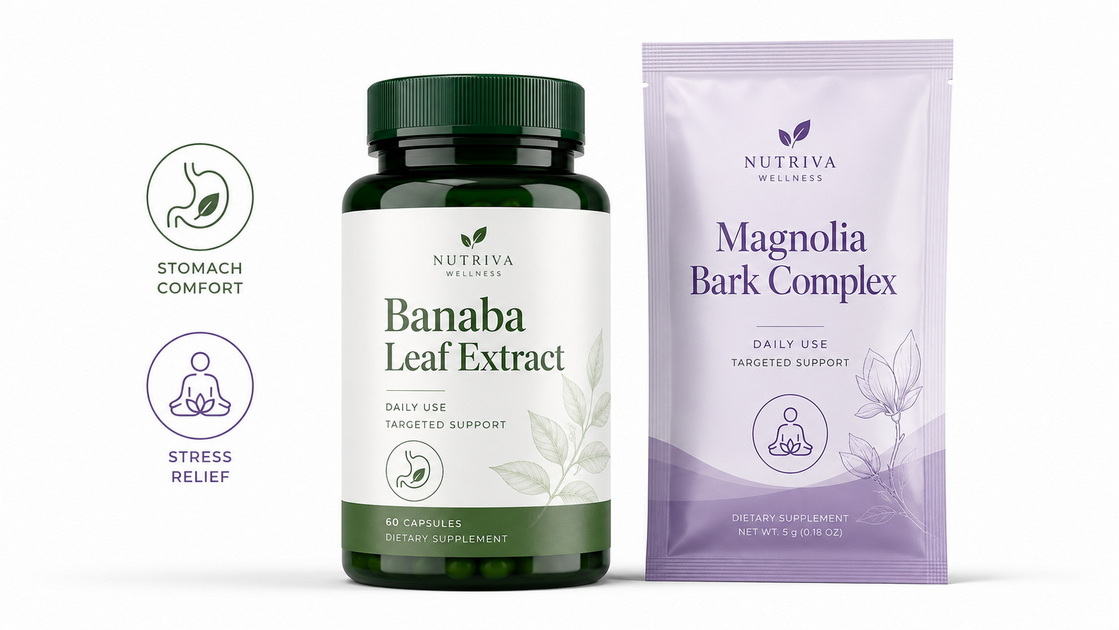
CTA – Partner with a Botanicals Specialist for Better Digestive Tolerance
If you are designing next-generation metabolic or stress–digestive formulas, choosing ingredients with proven digestive tolerance is critical for customer satisfaction and long-term adherence. By working with a specialist in botanical extracts and custom formulations, you can optimize Banaba leaf extract as your primary metabolic hero and strategically add Magnolia bark extract where its calming and digestive-supportive benefits truly enhance the user experience. [botaniex]
Consider collaborating with a partner who can provide standardized extracts, formulation guidance, and stability support across dietary supplements, functional foods, and beverages, ensuring that your final product delivers both efficacy and comfortable, repeatable digestive tolerance for your target consumers. [botaniex]
FAQs
1. Is Banaba leaf extract safe for people with sensitive stomachs?
Available data suggest that standardized Banaba leaf extract has a very low incidence of gastrointestinal side effects in both animal studies and human trials, making it a strong option for users with sensitive digestion when used within recommended doses. [casi]
2. Can Magnolia bark extract upset the stomach?
Yes, while many users tolerate Magnolia bark well, some reports mention mild nausea, dizziness, or stomach discomfort, especially at higher doses or when taken without food, so product labels should reflect this. [medicinenet]
3. Can I combine Banaba leaf and Magnolia bark in the same product?
They are often compatible and can be complementary, with Banaba focusing on metabolic support and Magnolia on stress and digestive comfort, but formulators should manage total dose and provide intake guidance for sensitive users. [hsnstore]
4. Which extract is better for long-term, daily use from a GI perspective?
For purely digestive tolerance, Banaba leaf extract usually offers a clearer safety and comfort record over long-term use, whereas Magnolia bark may be reserved for specific stress–digestive formulas with more nuanced dosing. [casi]
5. How should these extracts be taken to maximize digestive comfort?
Banaba leaf extract often works well around meals in metabolic formulas, while Magnolia bark may be better with food and sometimes in the evening, particularly for users who experience stress-related digestive issues. [hsnstore]
References
1. HSN. "What is Banaba and What Are Its Health Benefits?" [Link] [hsnstore]
2. CASI. "Banaba – Blood Sugar Helper." [Link] [casi]
3. Healthline. "Banaba Leaves: Benefits, Uses, Side Effects, and Dosage." [Link] [healthline]
4. WebMD. "Banaba – Uses, Side Effects, and More." [Link] [webmd]
5. MedicineNet. "What Is Magnolia Bark Good For? 6 Potential Benefits." [Link] [medicinenet]
6. Dr. Axe. "Magnolia Bark Benefits the Body, Mind & More." [Link] [draxe]
7. Sculpt Fitness. "Magnolia Bark: Supplements Explained." [Link] [sculptfitnessla]
8. HealthyHey. "Banaba Leaf Extract 2025: Natural Blood Sugar & Metabolic Support." [Link] [healthyhey]
9. Botaniex. "About Botaniex / Products / Value Added Services." [Links] [botaniex]