Content Menu
● Introduction to Cinnamon and Nutmeg
>> Cinnamon Bark Extract
● Nutmeg: A Versatile Spice
● Culinary Uses of Cinnamon and Nutmeg
>> Cinnamon in Cooking
>> Nutmeg in Cooking
● Health Benefits of Cinnamon and Nutmeg
>> Cinnamon Health Benefits
>> Nutmeg Health Benefits
● Comparison of Versatility
>> Cinnamon in Global Cuisine
● Cultural Significance of Cinnamon and Nutmeg
>> Cinnamon in Cultural Traditions
>> Nutmeg in Cultural Traditions
● Innovative Uses of Cinnamon and Nutmeg
>> Modern Cinnamon Recipes
>> Modern Nutmeg Recipes
● Conclusion
● FAQs
>> 1. What are the primary uses of cinnamon bark extract in cooking?
>> 2. How does nutmeg compare to cinnamon in terms of flavor?
>> 3. What are the health benefits of cinnamon bark extract?
>> 4. Can nutmeg be used in place of cinnamon in recipes?
>> 5. How should cinnamon bark extract be stored to maintain its flavor and potency?
● Citations:
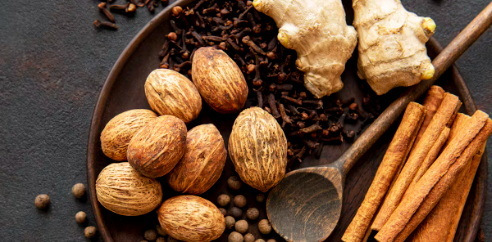
Cinnamon and nutmeg are two of the most versatile spices in the culinary world, each with its unique flavor profile and uses. While nutmeg is renowned for its warm, slightly sweet, and nutty flavor, cinnamon is celebrated for its sweet, warm, and aromatic taste. In this article, we will explore whether cinnamon bark extract can surpass nutmeg in terms of culinary versatility.
Introduction to Cinnamon and Nutmeg
Cinnamon is derived from the bark of the cinnamon tree, primarily found in Sri Lanka and other parts of Asia. It is used in both sweet and savory dishes, adding depth and warmth to various cuisines around the world. Nutmeg, on the other hand, comes from the seed of the nutmeg tree, native to the Banda Islands in Indonesia. It is often used in baked goods, soups, and sauces, providing a distinct flavor that complements many ingredients.
Cinnamon Bark Extract
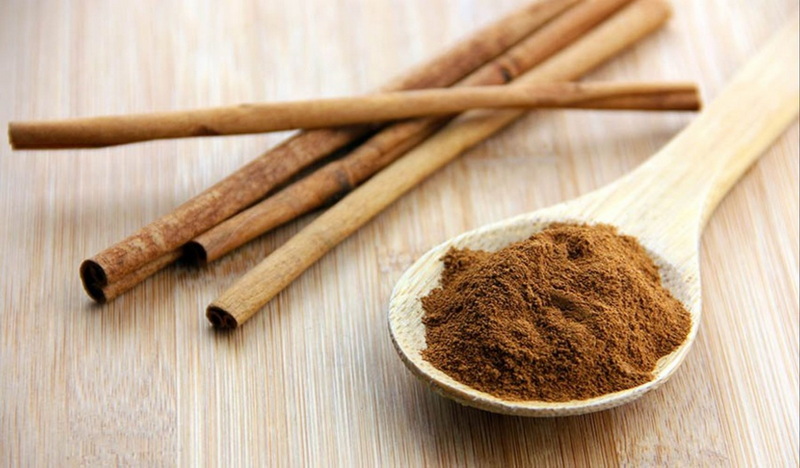
Cinnamon bark extract is a concentrated form of cinnamon, often used for its intense flavor and potential health benefits. It contains compounds like cinnamaldehyde, which is responsible for its distinctive taste and aroma. This extract can be used in a variety of dishes, from sweet pastries to savory stews.
Nutmeg: A Versatile Spice
Nutmeg is a versatile spice used in both sweet and savory dishes. It pairs well with ingredients like onions, carrots, and potatoes in savory dishes, and with fruits like apples and pears in sweet desserts. Nutmeg is also a key ingredient in many traditional dishes, such as eggnog and pumpkin pie.
Culinary Uses of Cinnamon and Nutmeg
Cinnamon in Cooking
Cinnamon is widely used in baking, particularly in sweet pastries, cakes, and cookies. It is also a staple in many savory dishes, such as stews, curries, and braises. The warm, aromatic flavor of cinnamon complements meats like lamb and chicken, and it is often used in Middle Eastern and Asian cuisines.
Nutmeg in Cooking
Nutmeg is commonly used in baked goods, such as pies and cakes, where it adds a warm, slightly sweet flavor. It is also used in savory dishes, particularly in soups and sauces, where it enhances the flavor of other ingredients. Nutmeg is a key spice in many traditional European dishes, such as beef stew and vegetable soup.
Health Benefits of Cinnamon and Nutmeg
Both cinnamon and nutmeg have potential health benefits. Cinnamon is known for its ability to improve digestion and reduce inflammation, while nutmeg has been linked to improved cognitive function and pain relief.
Cinnamon Health Benefits
Cinnamon bark contains compounds like cinnamaldehyde, which have anti-inflammatory properties and can help lower cholesterol levels. It is also known to improve insulin sensitivity, aiding in blood sugar control. Additionally, cinnamon has been shown to have antimicrobial properties, which can help protect against infections.
Nutmeg Health Benefits
Nutmeg contains myristicin, a compound with potential cognitive benefits and pain-relieving properties. However, it should be consumed in moderation due to its psychoactive effects at high doses. Nutmeg has also been traditionally used to aid digestion and relieve nausea.
Comparison of Versatility
When comparing the versatility of cinnamon bark extract and nutmeg, it's clear that both spices have a wide range of uses. However, cinnamon bark extract offers a broader spectrum of applications due to its intense flavor and potential health benefits. It can be used in both sweet and savory dishes, from baking to cooking, and is a staple in many cuisines around the world.
Cinnamon in Global Cuisine
Cinnamon is a key ingredient in many global cuisines, including Middle Eastern, Asian, and European cooking. It is used in traditional dishes like Moroccan tagines, Indian curries, and Swedish pastries. The versatility of cinnamon allows it to complement a variety of ingredients, from meats to fruits.
Nutmeg is essential in many traditional recipes, particularly in baked goods and savory dishes. It is a key spice in eggnog, pumpkin pie, and beef stew, adding a warm, slightly sweet flavor that enhances the overall taste of these dishes.
Cultural Significance of Cinnamon and Nutmeg
Both cinnamon and nutmeg have rich cultural histories and are deeply embedded in the culinary traditions of various societies.
Cinnamon in Cultural Traditions
Cinnamon has been a prized spice throughout history, particularly in ancient civilizations like Egypt and Rome. It was used not only for its flavor but also for its medicinal properties and as a symbol of wealth. In modern times, cinnamon remains a staple in many cultural dishes, such as Swedish cinnamon buns and Moroccan tagines.
Nutmeg in Cultural Traditions
Nutmeg has a significant cultural presence, particularly in European traditions. It is a key ingredient in eggnog and pumpkin pie, making it a staple during holidays like Christmas and Thanksgiving. Nutmeg was also highly valued in the spice trade, leading to the colonization of the Banda Islands by European powers.
Innovative Uses of Cinnamon and Nutmeg
Innovative chefs and home cooks are continually finding new ways to use cinnamon and nutmeg in their recipes. From desserts to savory dishes, these spices are being incorporated into modern culinary creations.
Modern Cinnamon Recipes
Cinnamon is being used in modern desserts like cinnamon ice cream and cinnamon-infused chocolates. It is also a key ingredient in savory dishes like cinnamon-spiced lamb chops and cinnamon-glazed carrots.
Modern Nutmeg Recipes
Nutmeg is being used in innovative savory dishes like nutmeg-crusted salmon and nutmeg-spiced roasted vegetables. It is also a key ingredient in modern desserts like nutmeg cheesecake and nutmeg-infused creme brulee.
Conclusion
In conclusion, both cinnamon bark extract and nutmeg are highly versatile spices with unique flavor profiles and health benefits. While nutmeg excels in traditional baked goods and savory dishes, cinnamon bark extract offers a broader range of uses, from sweet pastries to savory stews, and also provides significant health benefits. Therefore, cinnamon bark extract can be considered more versatile than nutmeg in terms of culinary applications.

FAQs
1. What are the primary uses of cinnamon bark extract in cooking?
Cinnamon bark extract is primarily used in baking for sweet pastries and cakes, and in savory dishes like stews and curries. It adds a warm, aromatic flavor to various cuisines.
2. How does nutmeg compare to cinnamon in terms of flavor?
Nutmeg has a warm, slightly sweet, and nutty flavor, while cinnamon is sweet, warm, and aromatic. Nutmeg is often used in baked goods and savory dishes, whereas cinnamon is versatile in both sweet and savory recipes.
3. What are the health benefits of cinnamon bark extract?
Cinnamon bark extract is known for improving digestion, reducing inflammation, and aiding in blood sugar control. It contains compounds like cinnamaldehyde, which have anti-inflammatory properties.
4. Can nutmeg be used in place of cinnamon in recipes?
While both spices are warm and aromatic, they have distinct flavors. Nutmeg can be used in place of cinnamon in some recipes, but it will change the flavor profile significantly. It's best to use them based on the desired taste.
5. How should cinnamon bark extract be stored to maintain its flavor and potency?
Cinnamon bark extract should be stored in a cool, dry place, away from direct sunlight. This helps preserve its flavor and potency over time.
Citations:
[1] https://www.bbc.co.uk/food/cinnamon
[2] https://patents.google.com/patent/US9894921B2/zh
[3] https://qualitexglobal.com/how-to-use-cinnamon-bark-for-health-and-flavor-benefits/
[4] https://patents.google.com/patent/CN102231956B/zh
[5] https://en.wikipedia.org/wiki/Cinnamon
[6] https://patents.google.com/patent/CN103313612A/zh
[7] https://www.sciencedirect.com/science/article/pii/S1878450X23002007
[8] https://patents.google.com/patent/CN102423073B/zh