Epimedium Extract is the stronger candidate when your goal is to build an ingredient story around systemic inflammation support and deeper mechanistic positioning, while Kiwi Fruit Extract is the more familiar fruit-based comparator with credible antioxidant and gut-focused benefits. For a B2B supplement, beverage, or functional food brand, the better choice depends on whether you want a specialty botanical narrative or a mainstream fruit polyphenol narrative. [pmc.ncbi.nlm.nih]
Why This Comparison Matters
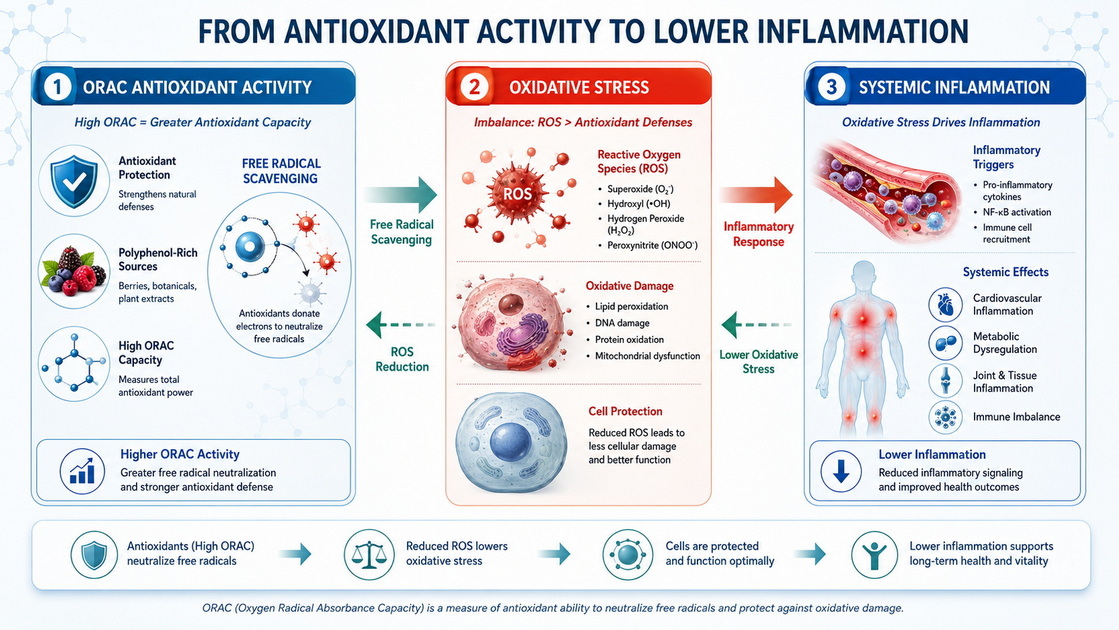
ORAC is often used to describe antioxidant potential, but it should not be treated as a standalone proof of anti-inflammatory performance. In modern formulation and marketing, the stronger story is how an ingredient may help reduce oxidative stress, support immune balance, and fit into a broader inflammation-management strategy. [nutritionaloutlook]
That distinction matters for product developers because "systemic inflammation" is a complex condition, not a single pathway. A better ingredient choice should therefore consider ORAC potential, anti-inflammatory mechanisms, extract standardization, sourcing reliability, and end-use flexibility. [pmc.ncbi.nlm.nih]
What ORAC Really Tells You
ORAC measures antioxidant capacity in a lab setting, especially the ability to neutralize free radicals. It can be useful for internal ingredient screening, but it does not automatically translate into clinical efficacy in humans. [nutritionaloutlook]
For systemic inflammation, ORAC is best viewed as one piece of the picture. The more relevant question is whether the extract also supports pathways linked to inflammatory signaling, such as NF-κB, MAPK, oxidative DNA damage, and downstream cytokine activity. [pmc.ncbi.nlm.nih]
Epimedium Extract Profile
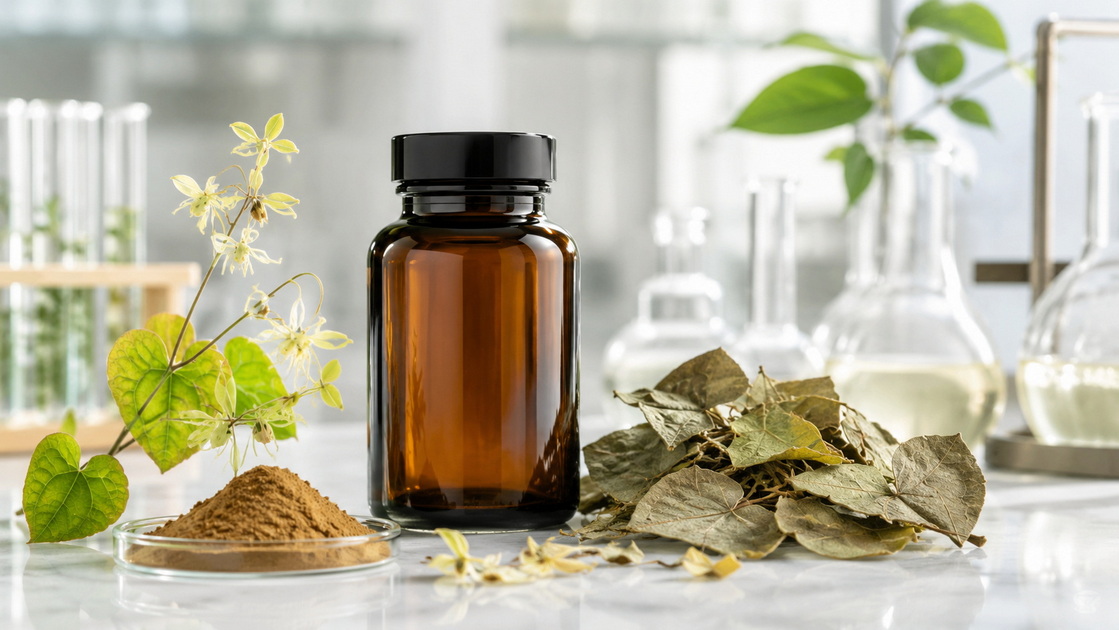
Epimedium has a long history in traditional medicine, and modern reviews show that its bioactive compounds have documented anti-inflammatory and antioxidant activity in experimental models. Research reports that Epimedium water extract can inhibit inflammatory mediators such as NO, IL-6, and IL-1 in macrophages by influencing the NF-κB/MAPK pathway. [pmc.ncbi.nlm.nih]
This is important for formulation teams because it gives Epimedium a stronger mechanistic story than "antioxidant" alone. In product positioning, that means it can be presented as a botanical with potential relevance to oxidative stress, immune stress, and inflammation balance. [pmc.ncbi.nlm.nih]
Strengths of Epimedium
- Stronger botanical science narrative for inflammation-related positioning. [pmc.ncbi.nlm.nih]
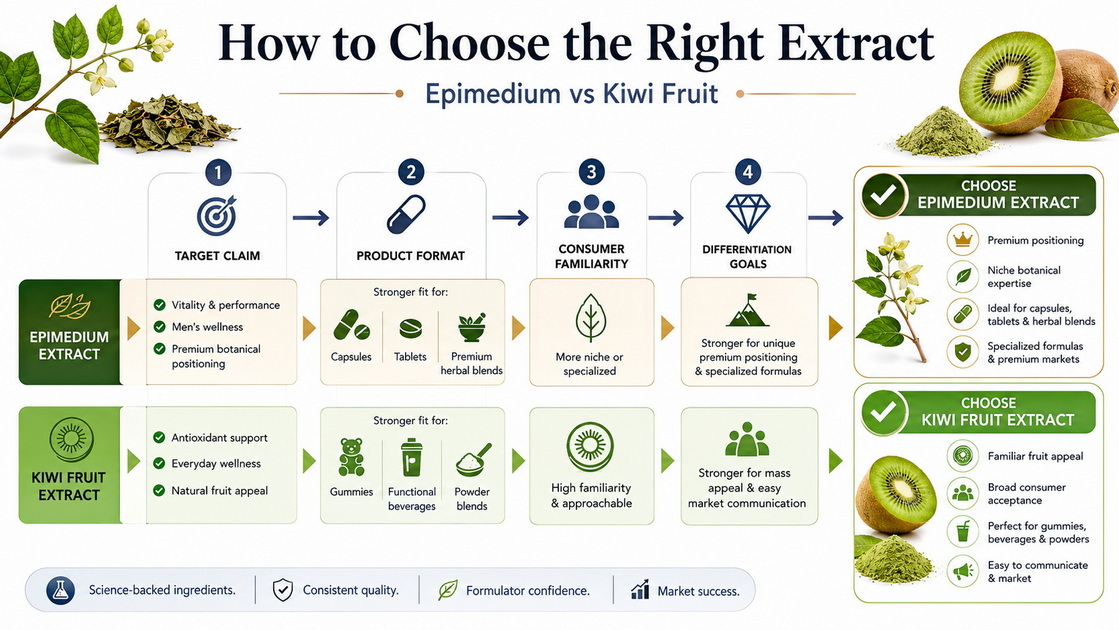
- Better fit for premium men's health, vitality, and herbal formulation concepts, which aligns with Botaniex's research-driven ingredient model. [mail.botaniex]
- More suitable when your brand wants a specialty extract with a differentiated story rather than a common fruit ingredient. [exportpages]
Practical Limitations
- Consumer familiarity is lower than kiwi fruit, so education is needed.
- Standardization matters more because epimedium quality can vary by species, extraction method, and marker compounds.
- Claims must stay carefully aligned with evidence to avoid overstating clinical outcomes. [pmc.ncbi.nlm.nih]
Kiwi Fruit Extract Profile
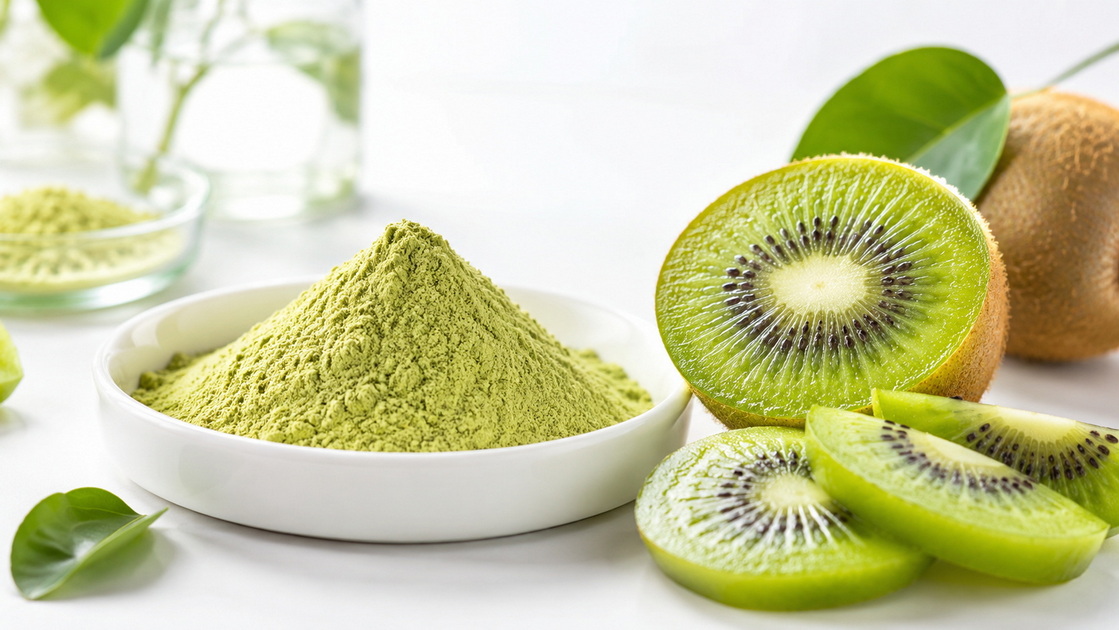
Kiwi fruit extract is attractive because it is a recognizable food-derived ingredient with antioxidant and gut-health associations. Reviews and studies show kiwi fruit polyphenols may reduce inflammatory markers, improve intestinal permeability, and support antioxidant defense. [pmc.ncbi.nlm.nih]
This makes kiwi extract a useful comparator, especially for products aimed at digestive comfort or fruit-based wellness positioning. However, the evidence base is often framed more around polyphenols, vitamin C, and gut modulation than a highly specialized systemic inflammation claim. [doaj]
Strengths of Kiwi Fruit Extract
- High consumer recognition and easier market acceptance.
- Good fit for fruit-based powders, capsules, gummies, and beverages. [doaj]
- Useful for brands seeking a cleaner "natural food ingredient" story rather than a traditional herbal medicine angle. [doaj]
Practical Limitations
- ORAC values for kiwi are useful, but the ingredient is not usually positioned as a premium anti-inflammatory botanical.
- The best-supported benefits often relate to digestive health and general antioxidant support, not a deeply differentiated inflammation mechanism. [pmc.ncbi.nlm.nih]
- Depending on the raw material part used, potency can vary significantly. [sciencedirect]
Head To Head Review
| Factor | Epimedium Extract | Kiwi Fruit Extract |
| ORAC story | Strong botanical antioxidant positioning (pmc.ncbi.nlm.nih) | Solid fruit antioxidant story, but generally more mainstream (frontiersin) |
| Systemic inflammation angle | Stronger mechanistic support through NF-κB/MAPK and cytokine modulation (pmc.ncbi.nlm.nih) | Better evidence for gut-related inflammation and polyphenol activity (pmc.ncbi.nlm.nih) |
| Market perception | Premium herbal extract, more specialized (mail.botaniex) | Familiar food ingredient, easier consumer understanding (doaj) |
| Formulation flexibility | Good for capsules, tablets, complex botanicals, and men's health blends (mail.botaniex) | Strong for powders, beverages, gummies, and fruit blends (doaj) |
| Story differentiation | High | Moderate |
| Best use case | Advanced botanical formula targeting inflammation balance | Mainstream wellness formula with antioxidant support |
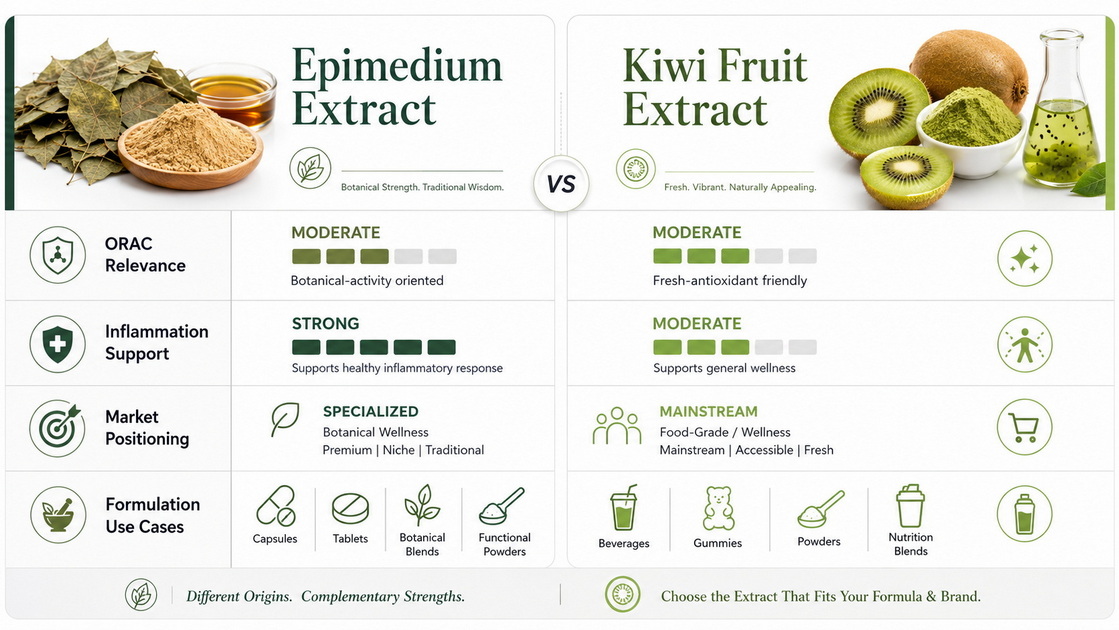
From an ingredient strategy perspective, Epimedium wins on depth, while kiwi fruit wins on ease of acceptance. If your article or product needs to emphasize a superior ORAC narrative for systemic inflammation, Epimedium is the more defensible primary product. [pmc.ncbi.nlm.nih]
Expert View For Formulators
As a content strategist or product developer, I would avoid saying "higher ORAC equals better anti-inflammatory results." Instead, I would frame the comparison around mechanism plus market fit. It reflects how scientists, formulators, and buyers actually evaluate botanical ingredients. [nutritionaloutlook]
A practical rule is this:
1. Use ORAC to describe antioxidant screening potential.
2. Use bioactivity data to support inflammation-related positioning.
3. Use standardization and application data to decide whether the extract is commercially viable.
4. Use regulatory-safe language to avoid unsupported disease claims. [pmc.ncbi.nlm.nih]
ORAC Is Not Enough
The strongest modern ingredient marketing does not stop at antioxidant numbers. Industry commentary now emphasizes that oxidative stress and inflammation reinforce each other, so buyers increasingly want ingredients that support cellular resilience, not just test-tube radical scavenging. [supplysidesj]
That creates an advantage for Epimedium because it can be positioned as a multi-pathway botanical. Kiwi fruit extract can still compete, but mainly as a consumer-friendly antioxidant ingredient with supportive anti-inflammatory evidence rather than a leading systemic inflammation solution. [pmc.ncbi.nlm.nih]
Application Strategy By Industry
For dietary supplements, Epimedium extract is often the better hero ingredient because it fits premium botanical blends and advanced health positioning. For functional beverages and fruit-forward nutrition products, kiwi fruit extract may be easier to formulate and sell because its flavor and consumer familiarity are stronger. [mail.botaniex]
For cosmetic and nutraceutical crossover products, both can work, but Epimedium usually delivers a more distinctive story around wellness and vitality. Botaniex's manufacturing background also supports this type of custom botanical development, which is useful if you want standardized extracts or tailor-made herbal formulas. [botaniex]
How To Choose The Better Ingredient
Choose Epimedium Extract if your priority is:
- A more authoritative anti-inflammatory botanical narrative. [pmc.ncbi.nlm.nih]
- Premium positioning in supplements or herbal formulas. [mail.botaniex]
- Differentiation in a crowded antioxidant market. [supplysidesj]
Choose Kiwi Fruit Extract if your priority is:
- Easier consumer understanding.
- Fruit-based wellness formulation.
- Digestive and antioxidant support with moderate inflammation positioning. [pmc.ncbi.nlm.nih]
CTA For Buyers
If you are building a premium botanical formula for systemic inflammation positioning, start with Epimedium Extract and define your marker compounds, standardization target, and application format before scale-up. If you need a consumer-friendly fruit ingredient, kiwi extract is a practical alternative, but it is usually the weaker choice for a superior ORAC-led inflammation article. [mail.botaniex]
FAQ
1. Is ORAC a reliable way to judge anti-inflammatory ingredients?
ORAC is useful for antioxidant screening, but it does not prove clinical anti-inflammatory efficacy by itself. [nutritionaloutlook]
2. Why is Epimedium stronger for systemic inflammation content?
Because published reviews and studies show Epimedium acts on inflammation-related pathways such as NF-κB/MAPK and cytokine production. [pmc.ncbi.nlm.nih]
3. Does kiwi fruit extract have anti-inflammatory benefits?
Yes, studies suggest kiwi polyphenol extracts can reduce inflammatory markers and support gut barrier health. [pmc.ncbi.nlm.nih]
4. Which extract is easier to market?
Kiwi fruit extract is easier to explain to consumers, while Epimedium is better for premium botanical differentiation. [doaj]
5. Which product fits Botaniex better?
Epimedium Extract fits Botaniex especially well because the company specializes in botanical extracts, herbal formulations, and customized ingredient solutions for global markets. [botaniex]
1. Botaniex official website: [High-quality Botanical Extracts and Proprietary Herbal Formulas] [botaniex]
2. Botaniex company profile: [Manufacturer and Supplier of Botanical Extracts and Herbal Formulations] [mail.botaniex]
3. Epimedium review: [A literature review on Epimedium] [pmc.ncbi.nlm.nih]
4. Epimedium anti-inflammatory review: [Comprehensive review of traditional uses and pharmacology] [pmc.ncbi.nlm.nih]
5. Epimedium anti-inflammatory study: [Anti-Inflammatory Activity of Epimedium brevicornu Maxim] [pubmed.ncbi.nlm.nih]
6. ORAC and inflammation commentary: [Should We Ditch the ORAC Antioxidant Test?] [nutritionaloutlook]
7. Kiwi anti-inflammatory study: [Supplementation of Kiwifruit Polyphenol Extract Attenuates ...] [pmc.ncbi.nlm.nih]
8. Kiwi review: [A Comprehensive Review on the Antioxidant and Anti-Inflammatory Potential of Kiwi] [doaj]
9. Kiwi chemistry and activity review: [Actinidia chinensis Planch.: A Review of Chemistry and Pharmacology] [frontiersin]
10. Kiwi ORAC reference: [Kiwi Fruit, Raw] [superfoodly]
11. Botaniex value-added services: [Value Added Services] [botaniex]