
Language

Views: 222 Author: Tomorrow Publish Time: 2025-02-05 Origin: Site


Content Menu
● The Power of Green Tea Polyphenols
● Green Tea's Impact on Lung Health
>> Oxidative Stress and Inflammation
>> Chronic Obstructive Pulmonary Disease (COPD)
● Recommended Dosage of Green Tea Extract
● Other Potential Benefits of Green Tea
● How to Incorporate Green Tea into Your Diet
>> 1. Can green tea extract replace conventional treatments for lung diseases?
>> 2. How long does it take to see the effects of green tea extract on lung health?
>> 3. Are there any groups of people who should avoid green tea extract?
>> 4. Is drinking green tea as effective as taking green tea extract supplements?
>> 5. Can green tea extract help with smoking-related lung damage?
Green tea has long been celebrated for its numerous health benefits, and recent research has shed light on its potential to combat various lung issues. This article will explore the scientific evidence behind green tea's effects on lung health, the recommended dosage of green tea extract, and important considerations for those looking to incorporate it into their wellness routine.
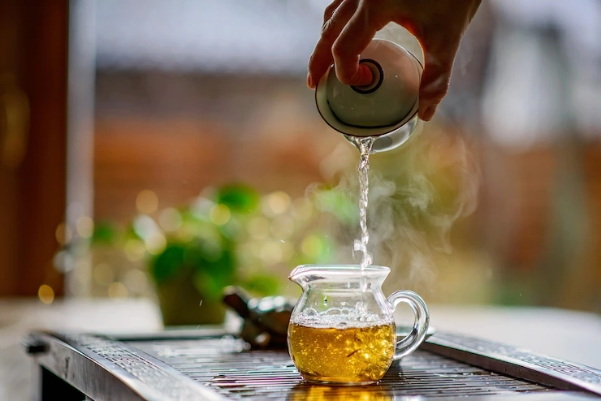
Green tea is rich in polyphenols, particularly catechins, which are known for their potent antioxidant and anti-inflammatory properties. The most abundant and well-studied catechin in green tea is epigallocatechin gallate (EGCG)[1]. These compounds have shown promising results in various studies related to lung health.
A study conducted by researchers at the University of California, San Francisco, found that green tea extract showed early hints of promise against pulmonary fibrosis, a serious and progressive form of lung disease[1]. In this study, patients who took 600 milligrams of EGCG daily for two weeks showed lower levels of certain proteins involved in lung fibrosis compared to those who did not take the supplement.
Research has demonstrated that Chinese green tea consumption can reduce oxidative stress, inflammation, and tissue damage in smoke-exposed rats[2]. The study found that green tea's antioxidant properties may help alleviate local oxidative stress and protease/anti-protease imbalance in airways after cigarette smoke exposure.
Multiple meta-analyses of observational studies have indicated that green tea consumption is associated with a decreased risk of lung cancer in the general population[3]. Two active components of green tea, theabrownin and EGCG, have been shown to mediate the antitumor activity of green tea by promoting apoptosis, inducing cell cycle arrest, and inhibiting the migration and proliferation of lung cancer cells.
A cross-sectional study using data from the Korean National Health and Nutritional Examination Survey found that consuming green tea at least twice each day was associated with reduced odds of COPD in middle-aged and older Korean adults[4]. The study revealed that the incidence of COPD decreased from 14.1% to 5.9% with increased frequency of green tea intake from never to ≥2 times per day.
While the optimal dosage of green tea extract for lung health may vary depending on the specific condition and individual factors, some general guidelines can be drawn from the available research:
1. For pulmonary fibrosis: The study mentioned earlier used 600 mg of EGCG daily[1].
2. For general lung health: Consuming green tea ≥2 times per day has been associated with reduced risk of COPD[4].
3. For cancer prevention: Some studies suggest that consuming 7.5 g of green tea per day may significantly decrease lung cancer risk[3].
It's important to note that these dosages are based on specific studies and may not be universally applicable. Always consult with a healthcare professional before starting any new supplement regimen, especially if you have pre-existing health conditions or are taking medications.

While green tea is generally considered safe for most people, high doses of green tea extract may cause side effects in some individuals. These can include:
- Liver problems
- Interactions with certain medications
- Caffeine-related side effects (e.g., insomnia, nervousness, increased heart rate)
Pregnant women, individuals with liver problems, and those sensitive to caffeine should exercise caution when consuming green tea extract supplements.
Beyond its effects on lung health, green tea has been associated with various other health benefits:
1. Cardiovascular health
2. Weight management
3. Cognitive function
4. Diabetes management
5. Skin health
There are several ways to increase your green tea intake:
1. Drink brewed green tea
2. Take green tea extract supplements
3. Use matcha powder in smoothies or baking
4. Try green tea-infused foods
Green tea extract shows promising potential in combating various lung issues, from pulmonary fibrosis to COPD and lung cancer prevention. While the optimal dosage may vary depending on the specific condition, consuming green tea at least twice daily or taking 600 mg of EGCG supplement daily has shown beneficial effects in some studies. However, it's crucial to approach green tea extract supplementation with caution and under the guidance of a healthcare professional.
As research in this area continues to evolve, green tea's role in lung health management may become even more significant. Its antioxidant and anti-inflammatory properties make it a valuable addition to a healthy lifestyle, potentially offering protection against various lung-related issues.
No, green tea extract should not be used as a replacement for conventional treatments prescribed by healthcare professionals. While it may offer potential benefits, it should be considered as a complementary approach to be used alongside standard medical care.
The timeframe for seeing effects can vary depending on the individual and the specific lung issue. Some studies have shown changes in as little as two weeks, while others may take longer. Consistent, long-term consumption is likely to yield the most significant benefits.
Pregnant women, individuals with liver problems, and those sensitive to caffeine should consult their healthcare provider before taking green tea extract supplements. Additionally, people taking certain medications should be cautious due to potential interactions.
Both methods can be beneficial, but supplements often contain higher concentrations of active compounds like EGCG. However, drinking green tea provides additional benefits such as hydration and a more natural form of the compounds. The choice between the two depends on individual preferences and needs.
Some studies suggest that green tea's antioxidant properties may help alleviate oxidative stress and inflammation caused by cigarette smoke. However, the best way to prevent smoking-related lung damage is to quit smoking. Green tea should not be seen as a protective measure against the harmful effects of continued smoking.
[1] https://www.thompsonhealth.com/Education/Wellness-Hub/Health-News/Latest-Health-News/could-green-tea-extract-help-fight-pulmonary-fibrosis
[2] https://pmc.ncbi.nlm.nih.gov/articles/PMC4340980/
[3] https://pmc.ncbi.nlm.nih.gov/articles/PMC9840036/
[4] https://pubmed.ncbi.nlm.nih.gov/29378037/
[5] https://pmc.ncbi.nlm.nih.gov/articles/PMC1810371/
[6] https://onlinelibrary.wiley.com/doi/10.1155/2021/7170736
[7] https://www.mountsinai.org/health-library/herb/green-tea
[8] https://www.tiprpress.com/ywpjyj/article/pdf/20211226?file_name=B3147901C258E4906B492BA210E8E029D066D7E3AD76D56B0BFA74F1B4E7AC3BE05483707C8968B3D90F3BF39AA09C180EBB849988D3D50E2F7373E32FD3F2CB&open_type=self


