Clean label has become one of the most important purchasing drivers in the US and EU botanical ingredient markets. As consumers read labels more carefully and brands compete on transparency, demand is growing for ingredients that are natural, minimally processed, and easy to understand at a glance. Botanical extracts fit this trend especially well because they combine plant-based positioning with broad functional relevance.
For B2B buyers, clean label is no longer just a marketing phrase. It is a procurement standard that affects ingredient selection, formulation strategy, and product positioning. Buyers want extracts that are recognizable, traceable, and suitable for products where short ingredient lists and natural claims matter. In many cases, the cleaner the label, the stronger the product’s commercial appeal in retail and online channels.
This trend is especially strong in functional beverages, premium supplements, and wellness products. Consumers in these categories often expect familiar botanical ingredients that support health goals such as energy, immunity, stress balance, digestion, and daily vitality. Botanical extracts are a strong fit because they can deliver functional value without making the label look overly complex.
In the US market, clean label demand is closely tied to consumer concerns about artificial additives, synthetic ingredients, and overly processed formulas. Brands are responding by reformulating products with natural sweeteners, plant-based actives, and botanical ingredients that can support simple product stories. In Europe, the trend is reinforced by strong health awareness, environmental values, and regulatory expectations that favor transparent ingredient sourcing.
For botanical extract suppliers, clean label means much more than saying an ingredient is “natural.” It also means providing clear raw material information, transparent ingredient declarations, and production methods that align with safety and simplicity. Buyers increasingly want to know how the extract is made, what carriers or solvents are used, and whether the final ingredient can meet the label and compliance needs of their target market.
This is one reason why clean-label botanical extracts are often linked with alcohol-free, water-based, or otherwise simplified formulations. In food and beverage applications, especially, brands need ingredients that integrate smoothly into drinks, teas, shots, powders, and ready-to-mix products without creating labeling complications. The same applies to supplements, where consumers often prefer ingredient lists that look short, natural, and trustworthy.
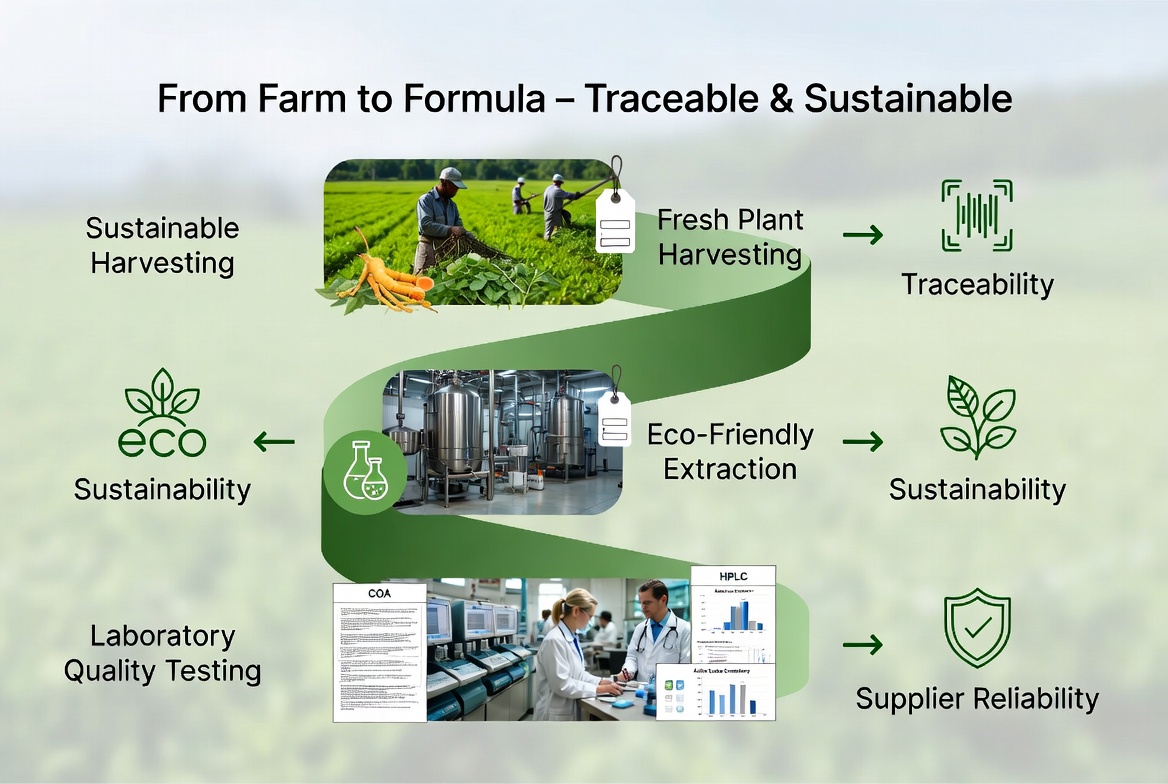
Another important point is that clean label is now closely connected to sustainability. Buyers in the US and EU are increasingly looking for botanical ingredients made from responsibly sourced raw materials and processed through eco-conscious methods. Traceability, responsible harvesting, and transparent documentation are becoming essential parts of the purchasing decision. In this environment, a supplier’s environmental and quality practices can influence whether a product is considered truly clean label.
This creates a clear opportunity for suppliers like Botaniex. Clean label customers are not only looking for ingredients; they are looking for support. Technical data, specifications, application guidance, and documentation all help brands move faster from concept to commercialization. When a supplier can provide both formulation support and label-friendly ingredients, it becomes easier to win long-term B2B partnerships.
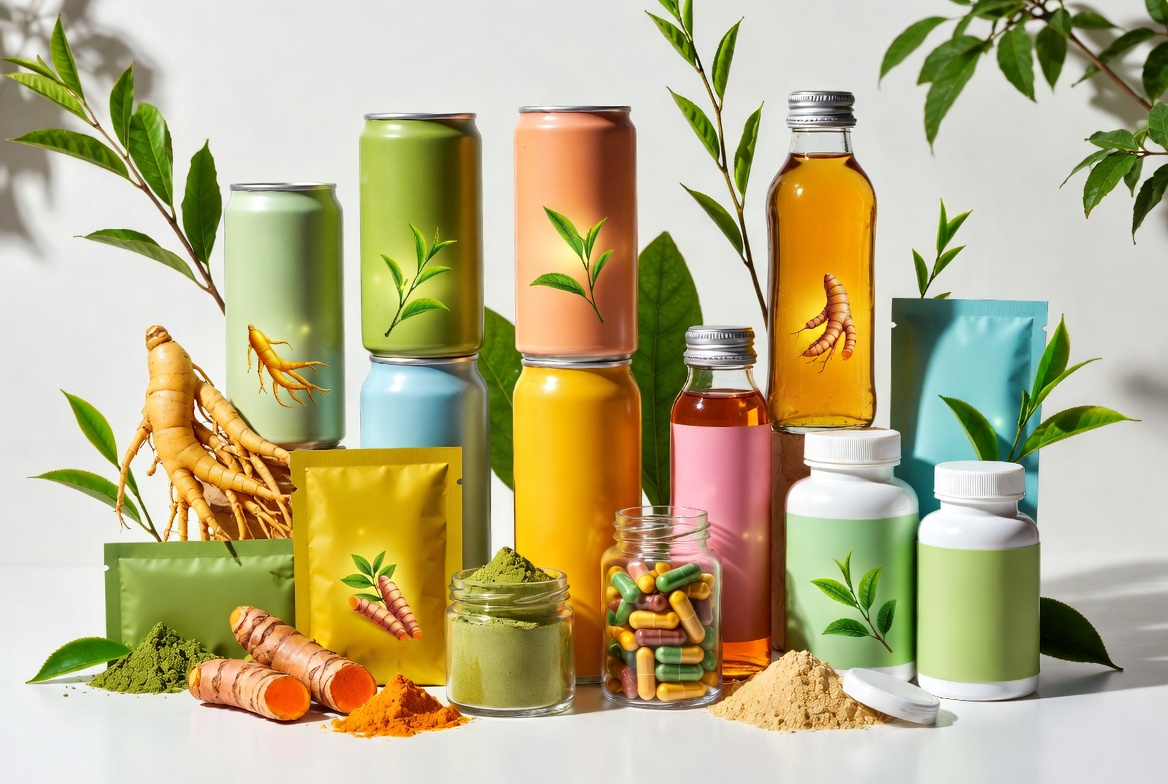
Botaniex can support buyers by offering botanical extracts that are designed for real-world application needs. That includes ingredients suitable for functional beverages, premium supplements, and wellness formulas where clean-label positioning is critical. By focusing on ingredient transparency, practical formulation, and consistent quality, suppliers can help brands create products that are both marketable and easy to explain to consumers.
Looking ahead, clean label will remain a major growth driver in the US and EU plant extract markets. The brands that succeed will be those that can combine natural sourcing, technical reliability, and a label story that resonates with increasingly informed consumers. Botanical extracts are well positioned to benefit from this shift because they meet the market’s demand for simplicity, familiarity, and functional value.
In summary, clean label is no longer a trend limited to consumer perception. It has become a strategic requirement for ingredient procurement and product development in the botanical extract industry. For B2B buyers, the right extract must satisfy label expectations, support compliance, and perform well in formulation. For suppliers, the opportunity lies in delivering ingredients and technical support that help brands build cleaner, clearer, and more competitive products.
BOTANIEX leverages over 20 years of experience in the natural ingredients industry, leading the way in innovation and quality. We provide top-tier botanical extracts and herbal formulations tailored for dietary supplements, nutraceuticals, functional beverages, natural pigments, and cosmetic applications. Backed by reputable international certifications and a range of patents, BOTANIEX is dedicated to delivering value to clients and nurturing mutual growth. Reach out to discover our product range and start a new partnership with us.
Botaniex specializes in the production of botanical extracts and functional herbal formulations, providing raw materials and value-added services for manufacturers in the health food/dietary supplement, functional beverage, cosmetics, and pharmaceutical industries.