Content Menu
● Understanding Anxiety Disorders
● The Composition of Green Tea Extract
● How Green Tea Extract May Help with Anxiety
● Scientific Evidence for Green Tea Extract and Anxiety
● How to Use Green Tea Extract for Anxiety
● Other Lifestyle Strategies for Managing Anxiety
● Conclusion
● FAQ
>> 1. What is green tea extract, and how does it differ from green tea?
>> 2. How much green tea extract should I take for anxiety?
>> 3. Are there any side effects of taking green tea extract?
>> 4. Can green tea extract interact with medications?
>> 5. Is green tea extract a substitute for therapy or medication for anxiety?
● Citations:
Green tea and its concentrated form, green tea extract, have garnered attention for their potential anti-anxiety benefits. Derived from the Camellia sinensis plant, green tea is rich in antioxidants and unique compounds that may influence brain function and emotional well-being[4][7]. This article explores the science behind green tea extract and anxiety, examining the evidence for its effectiveness, potential mechanisms of action, and how it can be incorporated into a holistic approach to anxiety management.
Understanding Anxiety Disorders
Anxiety is a natural human emotion that serves as a survival mechanism, alerting us to potential threats and prompting us to take protective action. However, when anxiety becomes excessive, persistent, and interferes with daily life, it may indicate an anxiety disorder.
Types of Anxiety Disorders:
-Generalized Anxiety Disorder (GAD): Characterized by persistent and excessive worry about various aspects of life, such as work, health, and relationships.
-Social Anxiety Disorder (SAD): Involves intense fear of social situations and scrutiny by others, leading to avoidance of social interactions.
-Panic Disorder: Characterized by sudden and recurrent panic attacks, which are intense episodes of fear accompanied by physical symptoms like heart palpitations, sweating, and shortness of breath.
-Specific Phobias: Involve excessive fear of specific objects or situations, such as heights, spiders, or flying.
-Obsessive-Compulsive Disorder (OCD): Although classified separately in the DSM-5, OCD involves anxiety-provoking obsessions and compulsions aimed at reducing anxiety.
-Post-Traumatic Stress Disorder (PTSD): Develops after experiencing or witnessing a traumatic event and involves anxiety, flashbacks, and avoidance of reminders of the trauma.
Symptoms of Anxiety:
Anxiety manifests differently in individuals, but common symptoms include:
-Excessive worry and rumination
-Restlessness and irritability
-Muscle tension
-Fatigue
-Difficulty concentrating
-Sleep disturbances
-Panic attacks
-Avoidance of anxiety-provoking situations
Causes and Risk Factors:
The exact causes of anxiety disorders are complex and multifaceted, involving a combination of genetic, environmental, and psychological factors. Risk factors that may increase the likelihood of developing an anxiety disorder include:
-Family history of anxiety or other mental health conditions
-Exposure to traumatic events or chronic stress
-Certain medical conditions, such as thyroid disorders or heart problems
-Substance abuse
-Personality traits, such as neuroticism or perfectionism
The Composition of Green Tea Extract
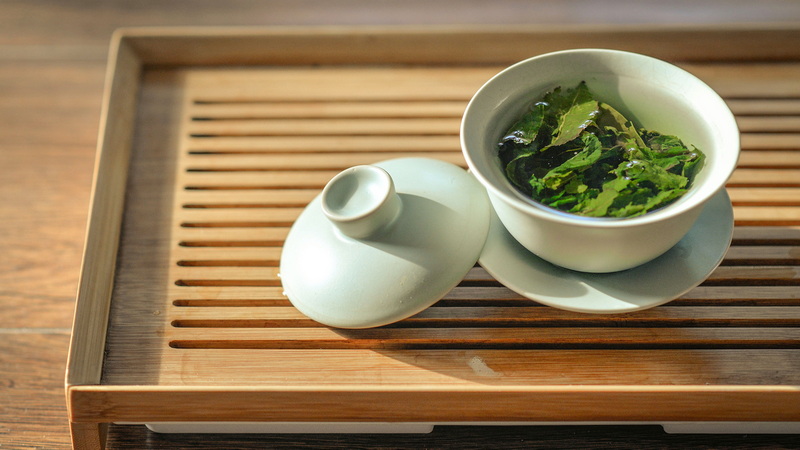
Green tea extract is a concentrated form of green tea, containing a variety of bioactive compounds that contribute to its potential health benefits[7]. These compounds include:
-Catechins: Catechins are a type of flavonoid, a class of plant-based antioxidants. The most abundant and well-studied catechin in green tea is epigallocatechin gallate (EGCG), known for its potent antioxidant and anti-inflammatory properties[7].
-L-Theanine: L-theanine is a unique amino acid found almost exclusively in tea plants. It is known for its relaxing and calming effects on the brain, without causing drowsiness[6].
-Caffeine: Green tea contains caffeine, a stimulant that can enhance alertness and cognitive function. However, the caffeine content in green tea is generally lower than in coffee[6].
-Other Antioxidants: Green tea also contains other antioxidants, such as quercetin, kaempferol, and myricetin, which contribute to its overall antioxidant capacity[7].
How Green Tea Extract May Help with Anxiety
The potential anti-anxiety effects of green tea extract are attributed to its unique combination of bioactive compounds, which may influence various neurotransmitter systems and brain functions[1][4][6].
L-Theanine and Relaxation:
L-theanine is perhaps the most well-known component of green tea for its anxiety-reducing properties. It is believed to promote relaxation by increasing alpha brain wave activity, which is associated with a state of calm alertness[6]. L-theanine may also modulate levels of neurotransmitters such as GABA, serotonin, and dopamine, which play a role in mood regulation[1][4].
Antioxidant Effects:
The catechins in green tea extract, particularly EGCG, are potent antioxidants that can protect brain cells from damage caused by oxidative stress. Oxidative stress has been implicated in the development of anxiety disorders, and antioxidants may help to mitigate its effects[7].
Modulation of Stress Hormones:
Studies have shown that green tea consumption can influence the levels of stress hormones such as cortisol. By helping to regulate the hypothalamic-pituitary-adrenal (HPA) axis, which is involved in the stress response, green tea extract may help to reduce the physiological impact of stress[1].
Neurotransmitter Regulation:
Green tea extract may also affect neurotransmitter systems involved in anxiety, such as serotonin and dopamine. These neurotransmitters play a crucial role in mood regulation, and imbalances in their levels have been linked to anxiety disorders[1].
Scientific Evidence for Green Tea Extract and Anxiety
Several studies have investigated the effects of green tea and green tea extract on anxiety symptoms. While more research is needed, some findings suggest potential benefits[1][2][4][5].
Human Studies:
-A study published in the journal Nutrients found that supplementation with 200-400 mg/day of L-theanine, the amino acid found in green tea, may assist in reducing stress and anxiety in people exposed to stressful conditions[2][5].
-Research has indicated that green tea consumption is associated with a lower prevalence of depression-like symptoms in elderly individuals[1].
-A trial reported that the administration of six cups of green tea for 6 weeks significantly improved depression, anxiety, stress and mental health status amongst adolescents with moderate stuttering whilst also improving the mental health status of healthy subjects as well[1].
-Studies show that green tea polyphenols have been shown to reduce serum corticosterone and ACTH levels in mice exposed to severe stressing factors[1].
Animal Studies:
-Animal studies have demonstrated that matcha, a powdered form of green tea, can help reduce anxiety-like behavior in mice. This calming effect is attributed to changes in dopamine D1 receptors and serotonin 5-HT1Areceptors in the central nervous system, both of which are closely related to anxious behavior[4].
-Green tea polyphenols have been shown to exert antidepressant-like effects in mouse behavioral models of depression, where the mechanism likely involves inhibition of the hypothalamic-pituitary-adrenal axis[1].
Limitations of the Research:
It's important to note that the research on green tea extract and anxiety is still evolving. Some studies have limitations, such as small sample sizes, lack of control groups, or variations in the type and dosage of green tea extract used. Therefore, more rigorous and well-designed studies are needed to confirm these findings and determine the optimal dosage and duration of treatment.
How to Use Green Tea Extract for Anxiety
If you're considering using green tea extract for anxiety, it's essential to do so safely and responsibly[6]. Here are some guidelines to follow:
1. Consult with a Healthcare Professional: Before starting any new supplement, it's crucial to talk to your doctor or a qualified healthcare provider. They can assess your individual needs, consider any underlying health conditions or medications you're taking, and advise you on the appropriate dosage and potential risks.
2. Choose a High-Quality Product: Select a reputable brand of green tea extract that has been tested for purity and potency. Look for products that are standardized to contain a certain percentage of catechins, particularly EGCG.
3. Start with a Low Dose: Begin with a low dose of green tea extract and gradually increase it as tolerated. This can help minimize potential side effects.
4. Follow the Recommended Dosage: Adhere to the dosage instructions provided on the product label or as advised by your healthcare provider.
5. Be Mindful of Caffeine Content: Green tea extract contains caffeine, so be mindful of your overall caffeine intake. Avoid taking it close to bedtime to prevent sleep disturbances.
6. Monitor for Side Effects: Pay attention to any potential side effects, such as stomach upset, headache, or dizziness. If you experience any adverse reactions, discontinue use and consult with your doctor.
7. Combine with Other Strategies: Green tea extract is not a standalone treatment for anxiety. It should be used in conjunction with other evidence-based strategies, such as therapy, lifestyle modifications, and stress management techniques.
Other Lifestyle Strategies for Managing Anxiety
In addition to green tea extract, there are many other lifestyle strategies that can help manage anxiety symptoms[6]:
-Regular Exercise: Physical activity has been shown to reduce anxiety and improve mood. Aim for at least 30 minutes of moderate-intensity exercise most days of the week.
-Mindfulness Meditation: Mindfulness meditation involves focusing on the present moment without judgment. It can help reduce racing thoughts and promote relaxation.
-Healthy Diet: A balanced diet rich in fruits, vegetables, and whole grains can support brain health and reduce anxiety.
-Sufficient Sleep: Getting enough sleep is essential for mood regulation and stress management. Aim for 7-9 hours of quality sleep per night.
-Social Support: Connecting with friends, family, or support groups can provide emotional support and reduce feelings of isolation.
-Stress Management Techniques: Practices such as yoga, deep breathing, and progressive muscle relaxation can help reduce tension and promote relaxation.
-Limit Caffeine and Alcohol: Caffeine and alcohol can worsen anxiety symptoms in some people.
-Cognitive-Behavioral Therapy (CBT): CBT is a type of therapy that helps individuals identify and change negative thought patterns and behaviors that contribute to anxiety.
Conclusion
Anxiety disorders are a prevalent and debilitating condition that can significantly impact daily life. While conventional treatments are effective for many, there's growing interest in natural remedies and lifestyle adjustments that can help manage anxiety symptoms.
Green tea extract, derived from the Camellia sinensis plant, has garnered attention for its potential anti-anxiety benefits. It contains a unique combination of bioactive compounds, including L-theanine and catechins, which may influence neurotransmitter systems, brain function, and stress hormone levels.
Scientific evidence suggests that green tea extract may help reduce anxiety symptoms, although more research is needed to confirm these findings and determine the optimal dosage and duration of treatment.
If you're considering using green tea extract for anxiety, it's essential to consult with a healthcare professional, choose a high-quality product, and combine it with other evidence-based strategies, such as therapy, lifestyle modifications, and stress management techniques.
FAQ
1. What is green tea extract, and how does it differ from green tea?
Green tea extract is a concentrated form of green tea, containing a higher concentration of its active compounds, such as catechins and L-theanine. While green tea is a beverage made from the leaves of the Camellia sinensis plant, green tea extract is a dietary supplement available in capsule or powder form.
2. How much green tea extract should I take for anxiety?
The optimal dosage of green tea extract for anxiety is not yet established. However, some studies have used dosages of 200-400 mg of L-theanine per day. It's essential to consult with a healthcare professional to determine the appropriate dosage for your individual needs.
3. Are there any side effects of taking green tea extract?
Green tea extract is generally considered safe, but it can cause side effects in some people, such as stomach upset, headache, dizziness, and sleep disturbances. It also contains caffeine, which may exacerbate anxiety symptoms in some individuals.
4. Can green tea extract interact with medications?
Green tea extract may interact with certain medications, such as blood thinners, beta-blockers, and some chemotherapy drugs. It's essential to inform your healthcare provider about all the medications and supplements you're taking to avoid potential interactions.
5. Is green tea extract a substitute for therapy or medication for anxiety?
No, green tea extract is not a substitute for therapy or medication for anxiety. It should be used as a complementary approach in conjunction with other evidence-based strategies, such as therapy, lifestyle modifications, and stress management techniques. If you have an anxiety disorder, it's crucial to seek professional help from a qualified mental health provider.
Citations:
[1] https://www.spandidos-publications.com/10.3892/br.2022.1515?text=fulltext
[2] https://pubmed.ncbi.nlm.nih.gov/31758301/
[3] https://www.tiprpress.com/ywpjyj/article/pdf/20211226?file_name=B3147901C258E4906B492BA210E8E029D066D7E3AD76D56B0BFA74F1B4E7AC3BE05483707C8968B3D90F3BF39AA09C180EBB849988D3D50E2F7373E32FD3F2CB&open_type=self
[4] https://www.sciencefocus.com/news/green-tea-may-help-to-reduce-anxiety
[5] https://iris.unife.it/retrieve/e309ade4-917f-3969-e053-3a05fe0a2c94/Green_Tea_Amino_Acid_Accepted%20Manuscript.pdf
[6] https://www.kusmitea.com/int/green-tea-reduce-anxiety.html
[7] https://www.healthline.com/nutrition/10-benefits-of-green-tea-extract
[8] https://www.nature.com/articles/s41598-024-59383-y