Glucose disposal—the process by which cells take up and utilize circulating blood sugar—is fundamental to metabolic health and diabetes prevention. While both shiitake mushroom extract and sea buckthorn extract have demonstrated glucose-lowering properties in clinical research, they activate distinct cellular pathways to achieve these effects. Shiitake primarily works through polysaccharide-driven insulin sensitization and enzyme inhibition, whereas sea buckthorn relies on flavonoid compounds to enhance glucose transporter activity. [pmc.ncbi.nlm.nih]
Understanding Glucose Disposal Mechanisms
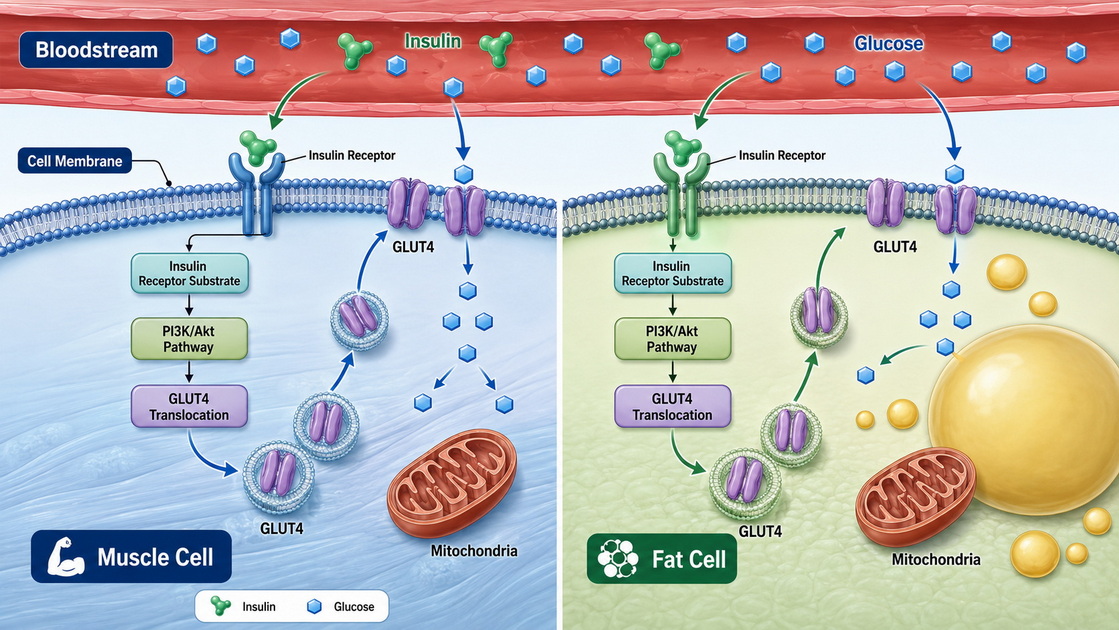
Effective glucose disposal involves multiple coordinated processes: insulin secretion from pancreatic beta cells, insulin receptor activation on target tissues, translocation of glucose transporter proteins to cell membranes, and intracellular glucose metabolism. Natural botanical extracts can influence one or multiple steps in this cascade, making them valuable tools for metabolic health support. The most effective glucose disposal agents either enhance insulin sensitivity, promote GLUT4 transporter expression, inhibit carbohydrate-digesting enzymes, or modulate hepatic glucose production. [pmc.ncbi.nlm.nih]
Shiitake Mushroom Extract: Polysaccharide-Driven Metabolic Enhancement
Beta-Glucan Composition and Bioactivity
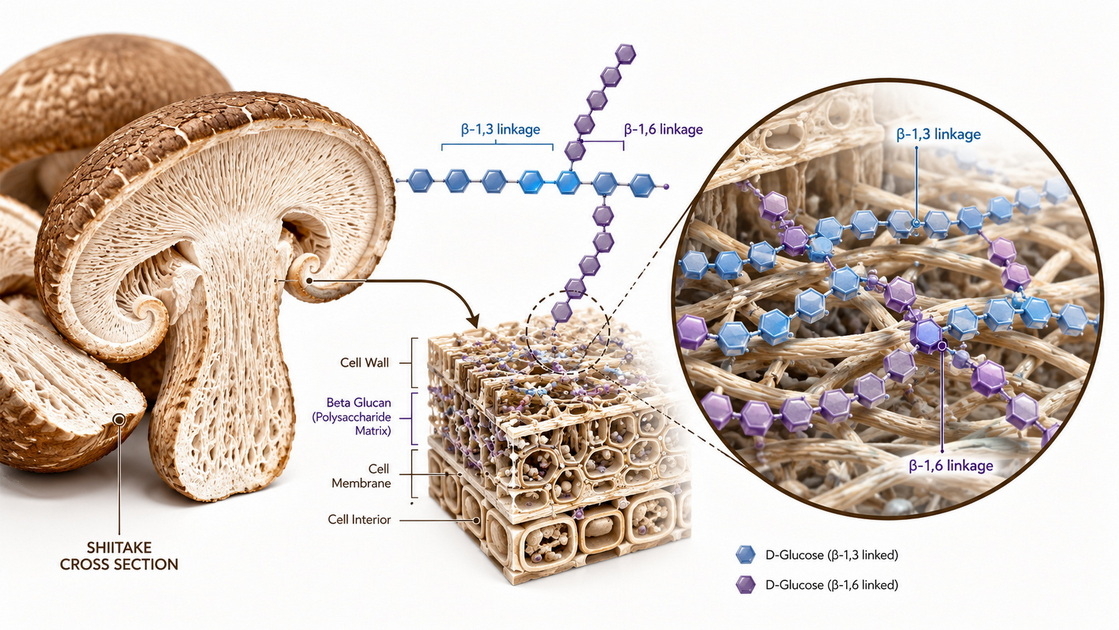
Shiitake mushrooms (Lentinula edodes) contain structurally complex beta-glucans—polysaccharides with β-1,3 and β-1,6 glycosidic linkages—that serve as primary bioactive compounds for glucose regulation. These water-soluble fiber polymers constitute significant portions of the mushroom's cell wall and remain stable through extraction and processing. Research demonstrates that beta-glucan extracts from shiitake reduced blood glucose levels by 55.87% in diabetic mice at 50 mg/kg dosing, significantly outperforming commercial beta-glucan preparations. [pmc.ncbi.nlm.nih]
Insulin Sensitivity and Pancreatic Function
Clinical trials have documented shiitake's role in improving insulin resistance indices. A 12-week randomized controlled trial incorporating shiitake mushroom in a botanical formula showed a 37.9% reduction in HOMA-IR (homeostatic model assessment of insulin resistance) from baseline in prediabetic adults. The vitamin D and beta-glucan content work synergistically to enhance glucose metabolism by promoting insulin sensitivity, insulin secretion, and immune function. Animal studies published in Phytotherapy Research demonstrated that shiitake polysaccharide extracts improved pancreatic function in diabetic rats, suggesting protective effects on beta-cell integrity. [caringsunshine]
Enzyme Inhibition and Glucose Absorption Modulation
Beyond insulin pathway activation, shiitake extracts influence carbohydrate metabolism through alpha-glucosidase inhibition—reducing the rate at which complex carbohydrates break down into absorbable glucose. This mechanism slows postprandial glucose spikes and contributes to improved glycemic profiles throughout the day. The polysaccharides also activate the PI3K/Akt signaling pathway by elevating expressions of insulin receptor substrate 1 (IRS1), phosphoinositide 3-kinase (PI3K), and protein kinase B (Akt) in type 2 diabetic models. [caringsunshine]
Sea Buckthorn Extract: Flavonoid-Mediated Glucose Transporter Activation
Isorhamnetin: The Key Active Compound
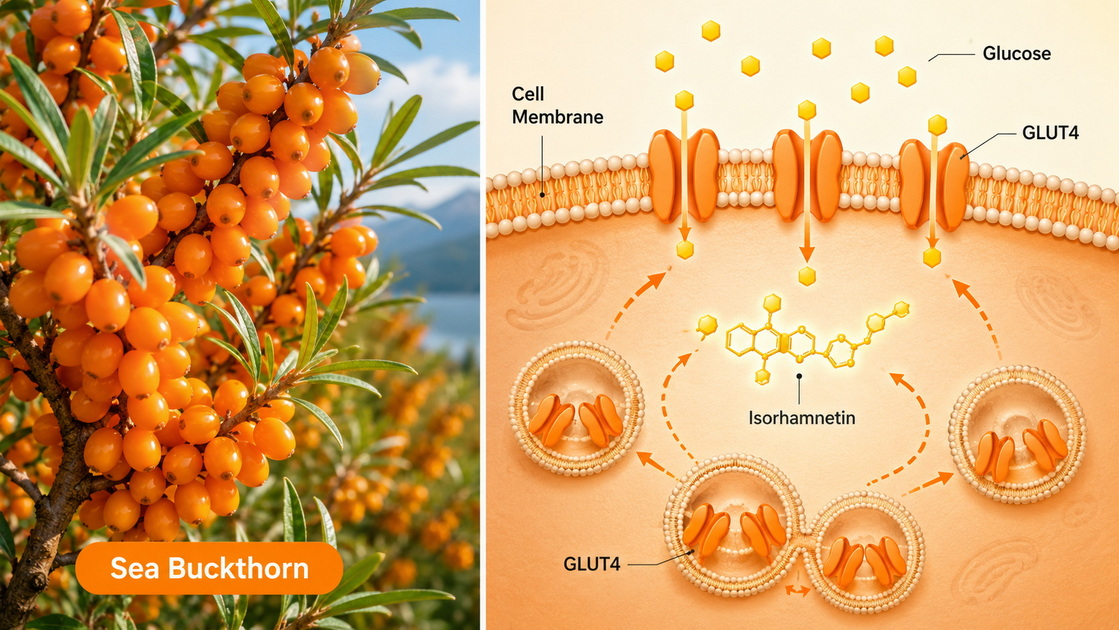
Sea buckthorn (Hippophaes rhamnoides) fruits, leaves, and oils contain isorhamnetin—a flavonoid glycoside that directly triggers GLUT4 glucose transporter translocation to cell membranes. This mechanism closely mimics insulin's primary glucose disposal action, enabling muscle and adipose tissue to clear glucose from circulation independently of enhanced insulin secretion. Isorhamnetin at concentrations of 1 mg/L produced stable, sustained increases in cell surface GLUT4 expression over time, with effects exceeding those of isolated isorhamnetin alone when delivered as whole sea buckthorn extract. [onlinelibrary.wiley]
Direct Effects on Glucose Clearance Without Insulin Stimulation
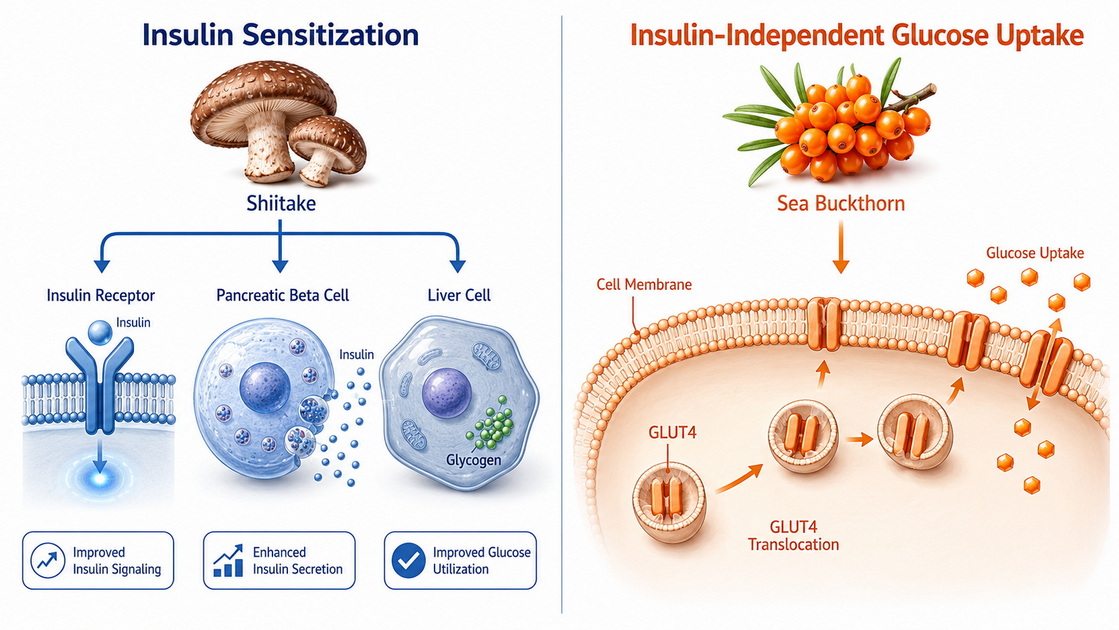
Unlike shiitake's insulin-sensitizing approach, sea buckthorn operates through insulin-independent glucose uptake mechanisms. Laboratory studies confirmed that sea buckthorn extracts did not significantly alter insulin secretion patterns, yet still stimulated GLUT4 translocation comparable to insulin itself. This dual capability makes sea buckthorn particularly valuable for individuals with compromised insulin production or severe insulin resistance where receptor-mediated pathways are impaired. [healthline]
Clinical Evidence in Glycemic Control
Human intervention trials demonstrate practical applications of sea buckthorn's glucose disposal properties. A five-week study with 38 participants experiencing impaired glucose regulation showed that daily consumption of 90 mL sea buckthorn fruit puree significantly decreased fasting plasma glucose levels. More impressively, sea buckthorn consumption improved glycemic profile by 44.7% compared to control groups and reduced plasma insulin concentrations by 39.6% at 30 minutes post-meal and 16.5% at 45 minutes. The maximal insulin response was 23.6% lower following sea buckthorn compared to control, suggesting enhanced peripheral glucose disposal efficiency. [pubmed.ncbi.nlm.nih]
Comparative Analysis: Mechanisms and Applications
| Feature | Shiitake Mushroom Extract | Sea Buckthorn Extract |
| Primary Active Compounds | Beta-glucans, polysaccharides, vitamin D pmc.ncbi.nlm.nih | Isorhamnetin, gallic acid, flavonoid glycosides pmc.ncbi.nlm.nih |
| Primary Mechanism | Insulin sensitization via PI3K/Akt pathway activation pmc.ncbi.nlm.nih | GLUT4 translocation independent of insulin signaling pmc.ncbi.nlm.nih |
| Secondary Mechanisms | Alpha-glucosidase inhibition, pancreatic beta-cell support pmc.ncbi.nlm.nih | Delayed gastric emptying, reduced insulin demand pubmed.ncbi.nlm.nih |
| Clinical Glucose Reduction | 55.87% reduction in animal models at therapeutic doses pubs.aip | 44.7% improvement in glycemic profile in human trials pubmed.ncbi.nlm.nih |
| Insulin Resistance Impact | 37.9% HOMA-IR reduction over 12 weeks pmc.ncbi.nlm.nih | 23.6% reduction in maximal insulin response pubmed.ncbi.nlm.nih |
| Optimal Application | Prediabetic conditions, insulin resistance syndromes pmc.ncbi.nlm.nih | Impaired glucose regulation, postprandial glucose control pmc.ncbi.nlm.nih |
| Bioavailability Consideration | Heat processing enhances beta-glucan bioavailability shroomspy | Whole fruit/oil extracts more effective than isolated compounds pmc.ncbi.nlm.nih |
Synergistic Potential and Formulation Strategies
The distinct mechanisms suggest potential for complementary effects when both extracts are used together. Shiitake's enhancement of insulin signaling pathways combined with sea buckthorn's direct GLUT4 activation could provide comprehensive glucose disposal support across multiple physiological targets. Clinical formulations incorporating mushroom extracts with berry-derived flavonoids have demonstrated superior outcomes compared to single-ingredient approaches in prediabetic populations. [frontiersin]
Industry Expert Perspective on Botanical Glucose Management
As a content strategist working with botanical extract manufacturers, I've observed increasing demand for natural glucose disposal agents that address metabolic health without pharmaceutical intervention. Shiitake and sea buckthorn represent scientifically validated options backed by both mechanistic research and human clinical trials. From an industry standpoint, shiitake extracts standardized to beta-glucan content (typically 20-40%) offer consistency in manufacturing and formulation, while sea buckthorn products benefit from whole-plant synergy where multiple compounds work together more effectively than isolated actives.
The dietary supplement market increasingly favors multi-mechanism formulations that combine complementary botanical extracts rather than relying on single ingredients. This trend aligns with research showing that glucose metabolism involves multiple regulatory points—insulin secretion, receptor sensitivity, transporter expression, and hepatic glucose production—each potentially addressed by different botanical compounds.
Practical Considerations for Formulation and Use
Dosing and Standardization
Effective shiitake mushroom extracts typically contain 20-40% beta-glucan content by weight, with clinical studies using doses ranging from 1-3 grams daily for metabolic benefits. Sea buckthorn preparations vary widely—whole fruit purees used in trials provided 90 mL daily servings, while concentrated extracts standardized to isorhamnetin content may require only 500-1000 mg daily. Standardization to specific bioactive markers ensures consistency across batches and predictable biological effects. [pmc.ncbi.nlm.nih]
Timing and Delivery Methods
Sea buckthorn's rapid postprandial effects on insulin response suggest optimal timing before or with meals to blunt glucose spikes. Shiitake's broader insulin-sensitizing effects accumulate over weeks of consistent use, making it suitable for daily supplementation regardless of meal timing. Both extracts demonstrate stability in various delivery formats including capsules, powders, and liquid concentrates, though sea buckthorn oils and purees may offer superior bioavailability due to preservation of lipophilic compounds. [pmc.ncbi.nlm.nih]
Safety Profile and Contraindications
Both botanical extracts demonstrate excellent safety profiles in clinical trials with minimal adverse effects reported. However, individuals on diabetes medications should monitor blood glucose carefully when initiating these supplements, as additive glucose-lowering effects may necessitate medication adjustments. Sea buckthorn's effects on gastric emptying may influence absorption of oral medications when taken concurrently. [healthline]
Advanced Metabolic Mechanisms: Beyond Basic Glucose Disposal
Shiitake's Impact on Hepatic Glucose Metabolism
Beyond peripheral insulin sensitivity, shiitake polysaccharides influence hepatic glucose production through modulation of key enzymes involved in gluconeogenesis and glycogenolysis. The activation of peroxisome proliferator-activated receptor gamma (PPARγ) by mushroom terpenoids acts as an insulin sensitizer at the liver level, reducing excessive glucose output that characterizes insulin-resistant states. Clinical trials showed improvements in liver damage markers alongside glucose parameters, suggesting hepatoprotective effects that support overall metabolic health. [pmc.ncbi.nlm.nih]
Sea Buckthorn's Antioxidant and Anti-Inflammatory Pathways
The glucose disposal benefits of sea buckthorn extend beyond direct GLUT4 activation to include oxidative stress reduction and inflammation modulation. Chronic inflammation and reactive oxygen species interfere with insulin signaling cascades, creating cellular insulin resistance. Sea buckthorn's rich polyphenol profile, including gallic acid alongside isorhamnetin, provides antioxidant protection that preserves insulin receptor function and downstream signaling proteins. This multi-targeted approach addresses both the symptom (elevated glucose) and contributing factors (inflammation, oxidative damage) simultaneously. [pmc.ncbi.nlm.nih]
Gut Microbiome Interactions and Metabolic Signaling
Emerging research on mushroom polysaccharides reveals prebiotic effects that influence glucose metabolism through the gut-brain axis. Beta-glucans from shiitake promote production of short-chain fatty acids (SCFAs) by beneficial gut bacteria, which in turn enhance insulin sensitivity and promote satiety signaling. While less studied, sea buckthorn's fiber content and polyphenols may exert similar microbiome-modulating effects that contribute to long-term metabolic improvements beyond direct cellular glucose uptake mechanisms. [sciencedirect]
Quality Considerations for Manufacturing and Sourcing
Extraction Methods and Bioactive Preservation
The biological activity of shiitake extracts depends heavily on extraction methodology—hot water extraction optimally solubilizes beta-glucans while preserving their structural integrity and immunomodulatory properties. Alcohol extraction captures different compound profiles including terpenoids and smaller molecular weight bioactives. For sea buckthorn, supercritical CO2 extraction of oils preserves heat-sensitive flavonoids and fatty acids, while aqueous-alcohol extraction of fruits and leaves captures water-soluble isorhamnetin glycosides. [sciencedirect]
Standardization Testing and Quality Verification
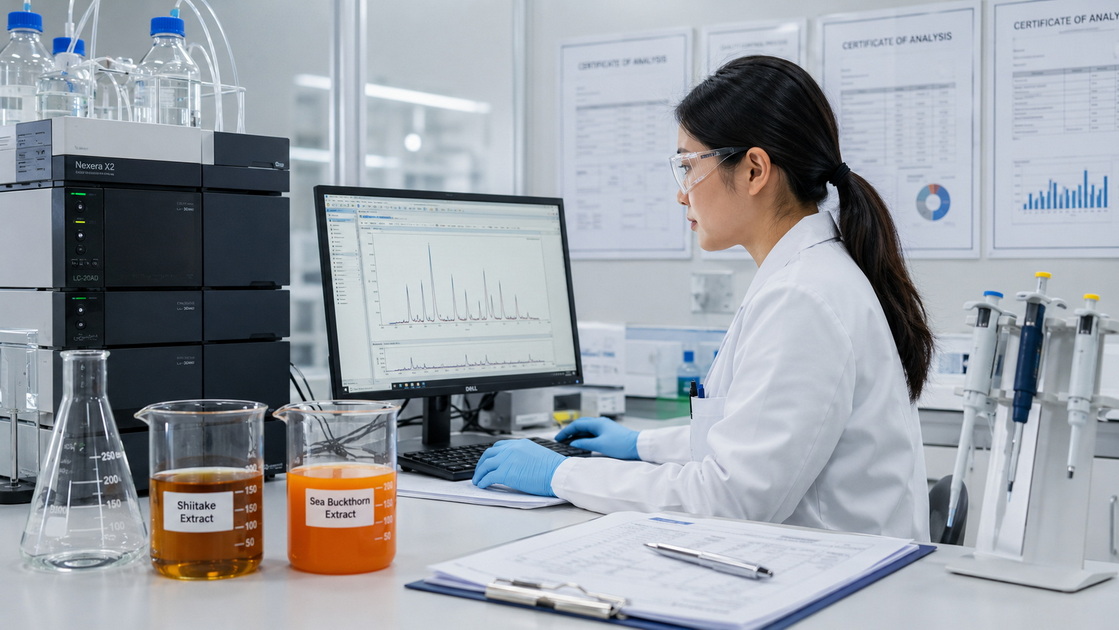
Premium botanical extract suppliers employ HPLC (high-performance liquid chromatography) to verify beta-glucan content in shiitake products and isorhamnetin concentrations in sea buckthorn extracts. Third-party testing for heavy metals, microbial contamination, and pesticide residues ensures safety standards, particularly important for mushroom products which bioaccumulate environmental contaminants. Certificates of analysis documenting these parameters should accompany commercial extract purchases for use in dietary supplement formulation. [botaniex]
Future Research Directions and Clinical Applications
Combination Therapy Potential
Given the complementary mechanisms—shiitake targeting insulin pathway sensitization and sea buckthorn activating insulin-independent glucose transporters—synergistic formulations warrant systematic investigation. Preliminary evidence from multi-ingredient trials suggests additive or synergistic benefits when mushroom extracts combine with fruit-derived flavonoids. Dose-optimization studies could identify ideal ratios that maximize glucose disposal while minimizing required quantities of each extract. [frontiersin]
Personalized Metabolic Health Applications
Advances in metabolic phenotyping may enable precision nutrition approaches where individuals with primarily insulin secretion deficits receive sea buckthorn (to compensate via insulin-independent pathways), while those with peripheral insulin resistance benefit more from shiitake's receptor-sensitizing properties. Biomarker-guided supplementation strategies could improve outcomes compared to generalized approaches, particularly in prediabetic populations where intervention can prevent progression to overt diabetes. [pmc.ncbi.nlm.nih]
Sourcing High-Quality Extracts: An Industry Perspective
As someone working extensively with botanical extract manufacturers, I've learned that extract quality varies dramatically based on cultivation conditions, harvest timing, and processing methods. For shiitake mushrooms, fruiting body extracts contain substantially higher beta-glucan levels than mycelial biomass products. Wild-harvested or organically cultivated mushrooms reduce pesticide exposure concerns that affect conventionally farmed varieties. [botaniex]
Sea buckthorn sourcing presents unique considerations—berry subspecies and geographic origin significantly impact flavonoid profiles and isorhamnetin concentrations. Tibetan plateau and Nordic varieties show particularly high bioactive content due to environmental stress factors that stimulate phytochemical production. Manufacturers like Botaniex specialize in sourcing premium botanical raw materials and can provide extract standardization to specific bioactive markers, ensuring formulation consistency critical for supplement efficacy. [mail.botaniex]
Partner with Botaniex for Premium Glucose Management Ingredients
Botaniex offers pharmaceutical-grade shiitake mushroom extracts standardized to minimum 30% beta-glucan content and sea buckthorn extracts with verified isorhamnetin concentrations, both backed by comprehensive quality documentation including certificates of analysis, heavy metal testing, and microbial screening. Our extraction facilities employ advanced technologies including supercritical CO2 extraction and membrane filtration to preserve bioactive integrity while achieving high purity standards. [botaniex]
Whether you're formulating dietary supplements for blood sugar support, developing functional foods with metabolic health claims, or creating innovative beverage products, our technical team provides customized ingredient solutions tailored to your product specifications and target market requirements. We support brands throughout the development process from initial formulation consulting through regulatory documentation and commercial-scale manufacturing. [mail.botaniex]
Contact our ingredients specialists to discuss how shiitake mushroom extract and sea buckthorn extract can differentiate your glucose management product portfolio and deliver science-backed metabolic health benefits to your customers.
Frequently Asked Questions
1. Which extract works faster for blood sugar control: shiitake or sea buckthorn?
Sea buckthorn demonstrates more rapid effects on postprandial glucose response, with measurable reductions in insulin secretion within 30-45 minutes of consumption. Shiitake mushroom extract produces cumulative benefits over weeks of consistent use, with significant insulin resistance improvements appearing after 12 weeks of daily supplementation. For immediate meal-time glucose management, sea buckthorn offers advantages, while shiitake provides long-term metabolic optimization. [pubmed.ncbi.nlm.nih]
2. Can these extracts replace diabetes medications?
Neither shiitake mushroom extract nor sea buckthorn extract should replace prescribed diabetes medications without physician supervision. These botanical extracts serve as complementary interventions that may enhance glucose control and potentially allow medication dose reductions under medical guidance. Clinical trials demonstrate efficacy in prediabetic and impaired glucose regulation conditions where pharmaceutical intervention may not yet be necessary. [pmc.ncbi.nlm.nih]
3. What is the optimal daily dosage for glucose disposal benefits?
Clinical evidence supports shiitake mushroom extract dosages of 1-3 grams daily standardized to 20-40% beta-glucan content for metabolic benefits. Sea buckthorn interventions used 90 mL daily of fruit puree or equivalent concentrated extracts providing 500-1000 mg of bioactive compounds. Standardized extracts with verified bioactive content ensure consistent dosing and predictable effects. [pubs.aip]
4. Are there any side effects or interactions to consider?
Both extracts demonstrate excellent safety profiles in clinical trials with minimal adverse effects. Individuals taking diabetes medications should monitor blood glucose levels carefully as additive effects may require medication adjustments. Sea buckthorn may slow gastric emptying and potentially affect absorption timing of oral medications. Consultation with healthcare providers is recommended before combining botanical extracts with pharmaceutical therapies. [healthline]
5. Which extract is better for someone with insulin resistance versus impaired insulin secretion?
Shiitake mushroom extract targets insulin resistance through receptor sensitization and PI3K/Akt pathway activation, making it particularly effective for individuals with peripheral insulin resistance. Sea buckthorn activates insulin-independent glucose transport via GLUT4 translocation, offering benefits even when insulin secretion or signaling is compromised. Ideally, metabolic phenotyping through laboratory testing (fasting insulin, C-peptide, HOMA-IR) can guide selection of the most appropriate extract for individual metabolic profiles. [pmc.ncbi.nlm.nih](https://pmc.ncbi.nlm.nih.gov/articles/PMC9285508/)
References