Content Menu
● Understanding Green Tea Extract
● Why the Color Variation?
● Impact on Quality and Efficacy
● Choosing the Right Product
● Health Benefits of Green Tea Extract
● Conclusion
● FAQ
>> 1. What Causes the Dark Orange Color in Green Tea Extract?
>> 2. Does the Color Affect the Efficacy of Green Tea Extract?
>> 3. How Should I Store Green Tea Extract to Prevent Color Change?
>> 4. Can Additives Change the Color of Green Tea Extract?
>> 5. How Do I Choose a High-Quality Green Tea Extract?
● Citations:
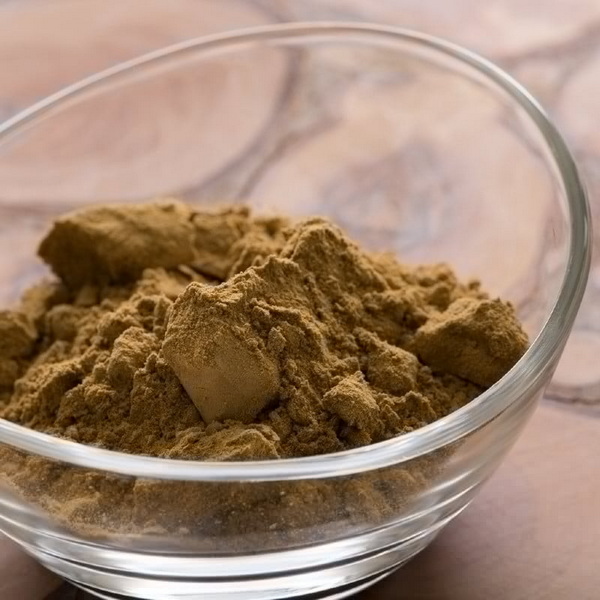
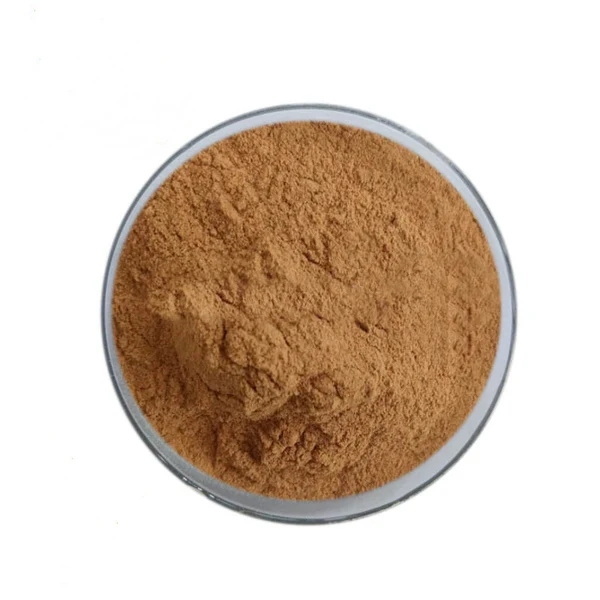
Green tea extract powder is a popular dietary supplement known for its potential health benefits, including antioxidant properties and weight management support. However, some users may notice that their green tea extract powder has a dark orange color instead of the expected green hue. This discrepancy can raise questions about the quality and authenticity of the product. Let's delve into the reasons behind this color variation and explore what it might mean for consumers.
Understanding Green Tea Extract
Green tea extract is derived from the leaves of the Camellia sinensis plant, which is also used to make black tea and oolong tea. The difference lies in the processing method: green tea leaves are steamed or pan-fried to prevent fermentation, preserving more of their natural antioxidants, particularly catechins like EGCG (epigallocatechin gallate). These antioxidants are believed to contribute to the health benefits associated with green tea consumption.
Why the Color Variation?
The color of green tea extract powder can vary due to several factors:
1. Processing Methods: The way green tea leaves are processed can affect the final color of the extract. For example, if the leaves are not properly steamed or if they undergo a longer drying process, it might lead to a darker color. Some manufacturers might use different drying techniques, such as freeze-drying or spray-drying, which can also influence the color.
2. Extraction Techniques: Different extraction methods can result in varying levels of chlorophyll and other pigments being retained in the extract. Some methods might extract more of the yellow or orange pigments, leading to a darker orange color. Common extraction methods include solvent extraction (using ethanol or acetone) and aqueous extraction.
3. Additives or Contaminants: Sometimes, additives or contaminants can alter the color of the extract. However, reputable manufacturers typically ensure their products are free from such substances. It's crucial to choose products from trusted sources to avoid any potential issues.
4. Oxidation: Over time, green tea extract can oxidize, which may cause it to darken. This is more likely if the product is exposed to air, moisture, or light. Proper storage conditions can help minimize this effect.
Impact on Quality and Efficacy
The color of green tea extract powder does not necessarily indicate its quality or efficacy. What matters more is the concentration of active ingredients like EGCG and other catechins. Consumers should look for products that specify the catechin content rather than focusing solely on color. A higher concentration of EGCG typically correlates with better antioxidant activity.
Choosing the Right Product
When selecting a green tea extract powder, consider the following:
- Manufacturer Reputation: Opt for well-known brands that adhere to quality standards. Reputable manufacturers are more likely to ensure consistency in their products.
- Ingredient Labeling: Ensure the product lists the catechin content. This information is crucial for understanding the potential efficacy of the supplement.
- Storage Conditions: Store the product in a cool, dry place to prevent oxidation. This will help maintain the quality and potency of the extract over time.
Health Benefits of Green Tea Extract
Green tea extract is associated with several health benefits, primarily due to its high antioxidant content:
- Antioxidant Activity: Green tea extract is rich in antioxidants, which can help protect cells from damage caused by free radicals.
- Weight Management: Some studies suggest that green tea extract may aid in weight loss by enhancing metabolism and fat burning.
- Cardiovascular Health: The antioxidants in green tea extract may help improve cardiovascular health by reducing inflammation and improving lipid profiles.
Conclusion
In conclusion, the dark orange color of green tea extract powder can be attributed to various factors related to processing and storage. While color may not be a definitive indicator of quality, consumers should focus on the product's ingredient profile and manufacturer reputation to ensure they are purchasing an effective supplement.
FAQ
1. What Causes the Dark Orange Color in Green Tea Extract?
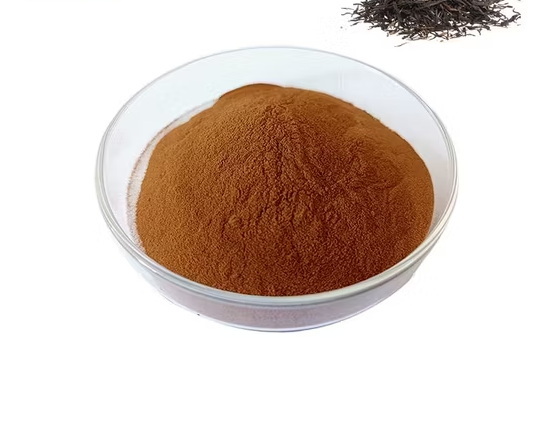
The dark orange color in green tea extract can be due to the processing methods, extraction techniques, additives, or oxidation over time. These factors can lead to a higher concentration of yellow or orange pigments in the final product.
2. Does the Color Affect the Efficacy of Green Tea Extract?
No, the color of green tea extract does not directly affect its efficacy. What matters is the concentration of active ingredients like EGCG. Consumers should focus on products with specified catechin content.
3. How Should I Store Green Tea Extract to Prevent Color Change?
To prevent color change due to oxidation, store green tea extract in a cool, dry place, away from direct sunlight and moisture. This will help maintain its quality over time.
4. Can Additives Change the Color of Green Tea Extract?
Yes, additives or contaminants can potentially alter the color of green tea extract. However, reputable manufacturers ensure their products are free from such substances.
5. How Do I Choose a High-Quality Green Tea Extract?
To choose a high-quality green tea extract, look for products from reputable manufacturers that specify the catechin content on the label. Also, ensure proper storage conditions to maintain the product's quality.
Citations:
[1] https://pmc.ncbi.nlm.nih.gov/articles/PMC7455925/
[2] https://patents.google.com/patent/TWI607708B/zh
[3] https://pmc.ncbi.nlm.nih.gov/articles/PMC6274239/
[4] https://www.mdpi.com/2297-8739/10/2/121
[5] https://www.webmd.com/diet/health-benefits-green-tea
[6] https://pmc.ncbi.nlm.nih.gov/articles/PMC7555212/
[7] https://www.webmd.com/vitamins/ai/ingredientmono-960/green-tea
[8] https://www.tandfonline.com/doi/full/10.1080/15440478.2023.2276725