Content Menu
● Introduction to Banaba Leaf Extract
>> Benefits of Banaba Leaf Extract
● Combination with Other Herbs
>> Potential Herbal Combinations
● Safety Considerations
● Clinical Evidence and Studies
>> Case Study: Banaba and Ginseng Combination
● Mechanisms of Action
● Future Research Directions
>> Research Opportunities
● Cultural and Traditional Use
● Nutritional and Lifestyle Considerations
● Conclusion
● FAQ
>> 1. What are the primary benefits of using banaba leaf extract?
>> 2. Can banaba leaf extract be used with other diabetes medications?
>> 3. Are there any known side effects of banaba leaf extract?
>> 4. How does banaba leaf extract aid in weight management?
>> 5. Can banaba leaf extract be used for conditions other than diabetes?
● Citations:
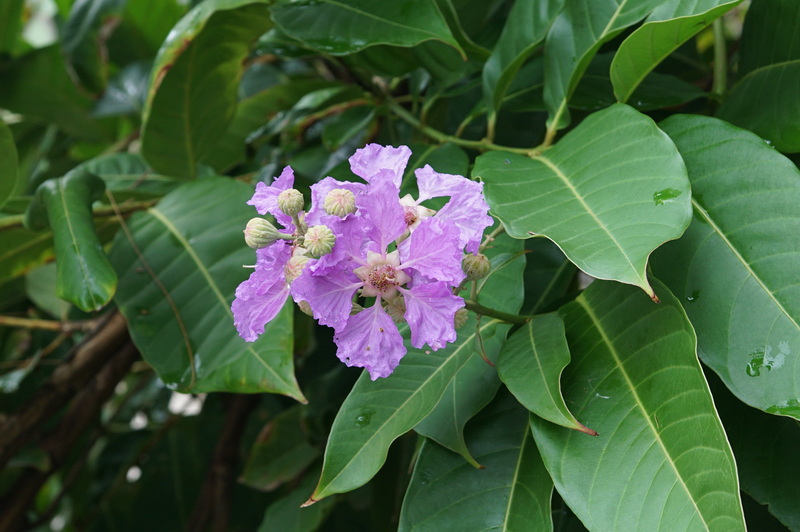
Banaba leaf extract, derived from the Lagerstroemia speciosa tree, has been traditionally used in Southeast Asia for its medicinal properties, particularly in managing blood sugar levels and providing antioxidant support. The question of whether banaba leaf extract can be used in combination with other herbs is both intriguing and relevant, given the increasing interest in herbal remedies for health management.
Introduction to Banaba Leaf Extract
Banaba leaves contain over 40 bioactive compounds, including corosolic acid and ellagic acid, which are responsible for their health benefits. These compounds have been shown to mimic insulin, helping glucose move out of the bloodstream and into cells, thus lowering blood sugar levels.
Benefits of Banaba Leaf Extract
- Blood Sugar Regulation: Banaba leaf extract is most noted for its ability to regulate blood sugar levels, making it a potential adjunct treatment for type 2 diabetes.
- Antioxidant Properties: Rich in antioxidants like ellagic acid, banaba leaves help neutralize free radicals, reducing oxidative stress and cellular damage.
- Weight Management: Emerging research suggests that banaba leaves may aid in weight management by inhibiting fat cell formation and reducing cravings.
Combination with Other Herbs
Combining banaba leaf extract with other herbs can enhance its therapeutic effects. For instance, a study involving mulberry leaf water extract, Korean red ginseng, and banaba leaf water extract showed that these herbs, when used together, effectively reduced blood glucose levels and improved insulin sensitivity in diabetic mice.
Potential Herbal Combinations
1. Mulberry Leaf Extract: Known for its anti-diabetic properties, mulberry leaf extract can complement banaba's blood sugar regulation effects.
2. Korean Red Ginseng: This herb is renowned for its adaptogenic properties and can enhance the overall health benefits when combined with banaba.
3. Ginseng and Banaba Video: A video discussing the benefits of combining ginseng with banaba for improved health outcomes.
4. Turmeric/Curcumin: While not traditionally combined with banaba, turmeric's anti-inflammatory properties could complement banaba's antioxidant effects.
5. Green Tea Extract: Known for its metabolic benefits, green tea extract could enhance the weight management effects of banaba.
Safety Considerations
When combining banaba leaf extract with other herbs, it's crucial to consider potential interactions. Banaba can lower blood sugar levels significantly, so combining it with other herbs that have similar effects (like fenugreek or garlic) may lead to hypoglycemia. Additionally, individuals with allergies to plants in the Lythraceae family should exercise caution.

Clinical Evidence and Studies
Several studies have explored the efficacy of banaba leaf extract in combination with other herbs. For example, a clinical trial involving a combination of banaba, ginseng, and mulberry extracts showed significant improvements in glycemic control among participants with type 2 diabetes. These findings suggest that synergistic effects can be achieved through careful selection of complementary herbs.
Case Study: Banaba and Ginseng Combination
A case study involving a patient with type 2 diabetes demonstrated that combining banaba leaf extract with Korean red ginseng resulted in improved insulin sensitivity and reduced fasting blood glucose levels. This case highlights the potential benefits of using banaba in conjunction with other herbs to enhance therapeutic outcomes.
Mechanisms of Action
Banaba leaf extract works by activating insulin receptors on cell surfaces, facilitating glucose uptake into cells. When combined with other herbs that enhance insulin sensitivity or have complementary mechanisms of action, the overall effect can be synergistic.
Future Research Directions
Future studies should focus on exploring the long-term safety and efficacy of combining banaba leaf extract with other herbs. Additionally, investigating the potential benefits of banaba in combination with modern pharmaceuticals could provide valuable insights into its role in integrated healthcare.
Research Opportunities
1. Combination Therapies: Investigating the effects of banaba combined with conventional diabetes medications to enhance treatment outcomes.
2. Mechanistic Studies: Elucidating the molecular mechanisms underlying the synergistic effects of banaba with other herbs.
3. Clinical Trials: Conducting large-scale clinical trials to establish the safety and efficacy of banaba-based herbal combinations.
Cultural and Traditional Use
Banaba has been used in traditional medicine for centuries, particularly in Southeast Asia. Its integration into modern herbal combinations reflects a broader trend towards incorporating traditional knowledge into contemporary healthcare practices.
Nutritional and Lifestyle Considerations
When using banaba leaf extract, it's important to maintain a balanced diet and lifestyle. Combining herbal supplements with regular exercise and a healthy diet can enhance their effectiveness and support overall well-being.
Conclusion
Banaba leaf extract can indeed be used in combination with other herbs to enhance its health benefits. However, it's essential to consult with a healthcare professional before starting any new herbal regimen, especially if you're already taking medications or have underlying health conditions.
FAQ
1. What are the primary benefits of using banaba leaf extract?
Banaba leaf extract is primarily used for its ability to regulate blood sugar levels and provide antioxidant support. It also has potential benefits in weight management and may offer anticancer and antibacterial effects.
2. Can banaba leaf extract be used with other diabetes medications?
While banaba leaf extract can lower blood sugar levels, it should be used cautiously with other diabetes medications to avoid hypoglycemia. Always consult a healthcare provider before combining it with prescription drugs.
3. Are there any known side effects of banaba leaf extract?
Banaba leaf extract is generally considered safe for short-term use, but long-term safety data is limited. Potential side effects include interactions with other medications or excessive lowering of blood sugar levels.
4. How does banaba leaf extract aid in weight management?
Banaba leaf extract may aid in weight management by regulating blood sugar levels, which can reduce cravings and prevent overeating. It also inhibits the formation of fat cells.
5. Can banaba leaf extract be used for conditions other than diabetes?
Yes, banaba leaf extract has been studied for its potential anticancer, antibacterial, and antiviral properties, as well as its ability to protect against kidney damage and support cardiovascular health.
Citations:
[1] https://www.healthline.com/nutrition/banaba-leaf
[2] https://naturmedscientific.com/banaba-leaf/
[3] https://www.sohu.com/a/846632226_121124322
[4] https://pubmed.ncbi.nlm.nih.gov/15979095/
[5] https://www.pchrd.dost.gov.ph/heartnovation/banaba-tablets-standardized-herbal-supplement-with-blood-sugar-lowering-health-benefits/
[6] https://patents.google.com/patent/CN105456132A/zh
[7] https://www.rxlist.com/supplements/banaba.htm
[8] https://www.verywellfit.com/the-benefits-of-banaba-89413