Content Menu
● Grape Skin Extract vs. Panax Notoginseng Extract at a Glance
● What Does "Short-Term Memory Recall" Actually Mean?
● Grape Skin Extract: Polyphenols and Proposed Cognitive Mechanisms
>> Grape Skin Is Not Grape Seed, Grape Juice, or a Blended Extract
>> Proposed Mechanisms Extend Beyond Antioxidant Activity
>> What Do Human Grape Studies Show?
● Panax Notoginseng Extract: Saponins and Neuroprotective Research
>> Botanical Identity Must Come Before the Ginseng Story
>> Proposed Memory Mechanisms Are Mainly Preclinical
>> Why Stroke Studies Do Not Establish Consumer Memory Benefits
● Protein Digestion: The Overlooked Formulation Variable
>> Neither Ingredient Is an Established Protein-Digestion Aid
>> Grape Polyphenols Can Change Protein Behavior
>> Digestion and Memory Must Remain Separate Claims
● Three Practical Ways to Build a Stronger Botanical Product
>> 1. Create an Evidence-Transfer Checklist
>> 2. Test the Finished Protein Matrix
>> 3. Design a Trial That Tests the Actual Promise
● Safety, Dosage, and Responsible Positioning
● Develop an Evidence-Aligned Ingredient Brief With Botaniex
● Frequently Asked Questions
>> Is grape skin extract proven to improve short-term memory recall?
>> Is Panax notoginseng the same as Panax ginseng?
>> Which extract works faster?
>> Does grape skin extract improve protein digestion?
>> Can the two ingredients be combined?
>> What documentation should an ingredient buyer request?
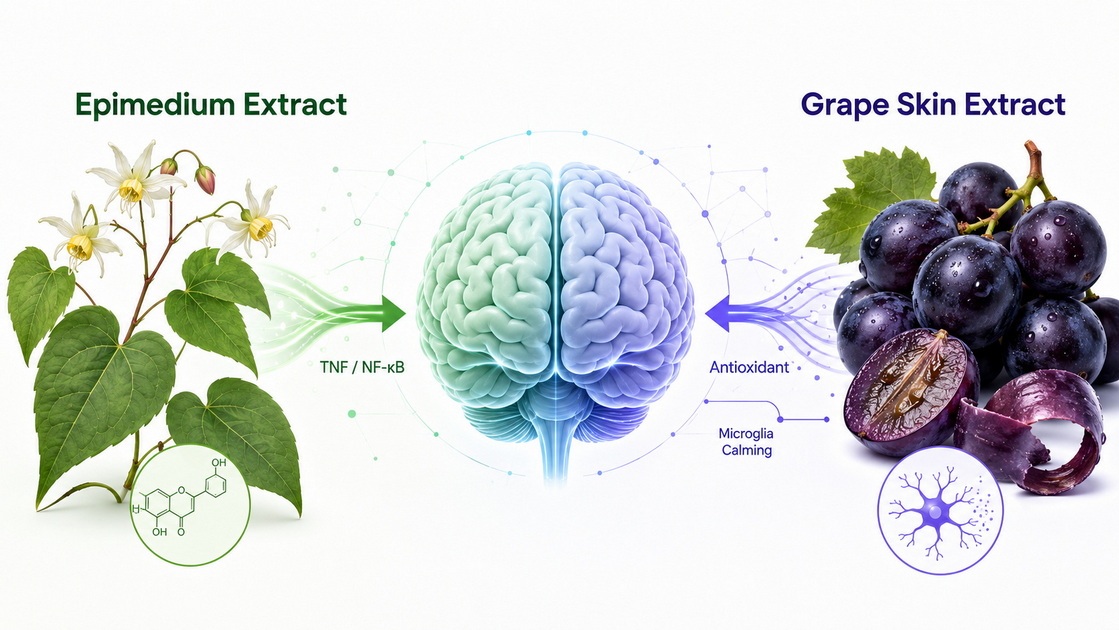
Grape skin extract vs. Panax notoginseng extract is a comparison of two distinct botanical approaches to cognitive-health research: grape-derived polyphenols and notoginseng-derived saponins. For developers investigating short-term memory recall, the central question is not simply which ingredient sounds more powerful. It is whether the exact extract, proposed mechanism, and finished formulation match the available evidence. Protein digestion adds another important dimension, particularly in functional beverages and protein-enriched foods. However, current evidence does not establish either ingredient as a proven way to improve recall through enhanced protein digestion.
My central assessment is straightforward: specificity matters more than broad botanical claims. Research on grape juice does not automatically validate grape skin extract. Research on other ginseng species does not automatically validate Panax notoginseng. Neither comparison supports declaring a clinically proven winner for short-term memory recall.
Grape Skin Extract vs. Panax Notoginseng Extract at a Glance
| Comparison point | Grape skin extract | Panax notoginseng extract |
| Botanical identity | Commonly derived from Vitis vinifera skins | Derived from Panax notoginseng; plant part must be specified |
| Characteristic constituents | Anthocyanins, flavonols, and other phenolics; composition varies | Ginsenosides and notoginsenosides; profile varies |
| Main cognitive research direction | Polyphenol signaling, vascular hypotheses, and cognitive performance | Neuroprotection, oxidative-stress regulation, and neuronal survival |
| Evidence relevant to immediate performance | Some human research on grape juice and grape–blueberry blends, not interchangeable with skin-only extracts | Much of the memory-mechanism evidence comes from preclinical models |
| Protein digestion relevance | Polyphenol–protein interactions warrant formulation testing | No established role as a protein-digesting ingredient |
| Main development limitation | Transferring findings across different grape preparations | Transferring animal, stroke, or other Panax-species findings to healthy consumers |
These distinctions reflect the ingredient-composition studies, human grape trials, and notoginseng reviews discussed below.
What Does "Short-Term Memory Recall" Actually Mean?
Before comparing botanical mechanisms, define the intended outcome.
A consumer may use "memory" to describe remembering a name, maintaining concentration, or mentally manipulating numbers. Researchers separate these tasks more carefully:
- Immediate recall measures retrieval shortly after information is presented.
- Working-memory tasks involve holding and manipulating information.
- Attention tasks assess processes such as vigilance and response speed.
- Delayed recall evaluates retrieval after an interval.
The distinction matters because an ingredient can improve attention without improving memory. For example, the purple grape juice trial discussed below measured these domains separately and found an attention effect without significant improvement on memory measures.
From a product-development perspective, I would define the target task before selecting the ingredient. "Supports performance during sustained mental effort" and "improves immediate word recall" require different evidence.
Grape Skin Extract: Polyphenols and Proposed Cognitive Mechanisms
Grape Skin Is Not Grape Seed, Grape Juice, or a Blended Extract
Grape skin extract contains a mixture of phenolic compounds rather than one universal active ingredient. A comparative analytical study found substantial differences between grape skin and seed extracts. Seeds were richer in several flavan-3-ols and procyanidins, while skin profiles included other phenolics, including flavonols and anthocyanins.
Consequently, "grape extract" is too imprecise for meaningful clinical interpretation.
A procurement specification should identify:
- Species and plant part.
- Extraction process.
- Measured marker compounds.
- Analytical method.
- Batch-to-batch compositional consistency.
These are proposed due-diligence criteria, not evidence that any particular supplier already meets them.
Proposed Mechanisms Extend Beyond Antioxidant Activity
Grape-related cognitive research discusses several possible pathways: cerebrovascular function, inflammatory signaling, glucose regulation, and pathways associated with neuronal plasticity. However, these are hypotheses with different levels of support, not established mechanisms for every commercial grape skin extract.
This distinction prevents a common marketing error: converting laboratory antioxidant activity into a promise of better human recall.
A useful illustration comes from a grape–blueberry trial. Participants showed improvements on selected cognitive outcomes, yet the intervention produced no significant treatment effect on flow-mediated dilation, a peripheral vascular measure. That finding did not demonstrate a vascular explanation for the cognitive results.
What Do Human Grape Studies Show?
Two studies illustrate both the opportunity and the limitations.
| Study | Intervention and participants | Main finding | Interpretation |
| Haskell-Ramsay and colleagues, 2017 | A 230 mL grape-based beverage; 20 healthy young adults | Faster composite attention responses and greater calmness; no significant memory effects | Not evidence that grape skin extract improves acute recall |
| Philip and colleagues, 2019 | 600 mg grape–blueberry extract; 30 healthy students | Improved serial-three subtraction performance during sustained effort; several other outcomes did not significantly improve | Evidence applies to the tested blend and task, not grape skin alone |
Both were randomized crossover studies, but neither directly compared grape skin extract with Panax notoginseng extract.
The reported "2.5-fold" result in the second study concerned change in a specific subtraction net score. It should not be rewritten as "2.5 times better memory."
Panax Notoginseng Extract: Saponins and Neuroprotective Research
Botanical Identity Must Come Before the Ginseng Story
Panax notoginseng is not interchangeable with Panax ginseng or Panax quinquefolius. A recent comparative review describes differences among Panax species and identifies distinctive notoginseng saponins.
For an evidence-led ingredient dossier, the species name, plant part, processing history, and saponin fingerprint should accompany the general description "ginseng extract."
Proposed Memory Mechanisms Are Mainly Preclinical
Notoginseng research examines protection against oxidative injury, regulation of cell-death pathways, and effects associated with neuronal survival and neurogenesis. Reviews also describe learning and memory improvements in animal models.
These findings make Panax notoginseng scientifically interesting. They do not establish that a healthy adult will remember more information shortly after taking an oral supplement.
The difference is consequential. Protecting neurons in an experimental injury model is not the same outcome as improving immediate recall in an otherwise healthy person.
Why Stroke Studies Do Not Establish Consumer Memory Benefits
Clinical research on notoginseng saponins includes acute ischemic stroke treatment. A 2024 systematic review evaluated injectable preparations added after intravenous thrombolysis, not ordinary oral cognitive supplements. Evidence certainty ranged from moderate to very low.
Those results cannot establish an oral dose for healthy consumers or support a rapid-memory claim.
My assessment is that notoginseng's neuroprotective research offers a rationale for further investigation, rather than a ready-made claim for short-term recall.
Protein Digestion: The Overlooked Formulation Variable
Neither Ingredient Is an Established Protein-Digestion Aid
Neither grape skin extract nor Panax notoginseng extract should be positioned as a replacement for a digestive protease on the basis of the evidence reviewed here.
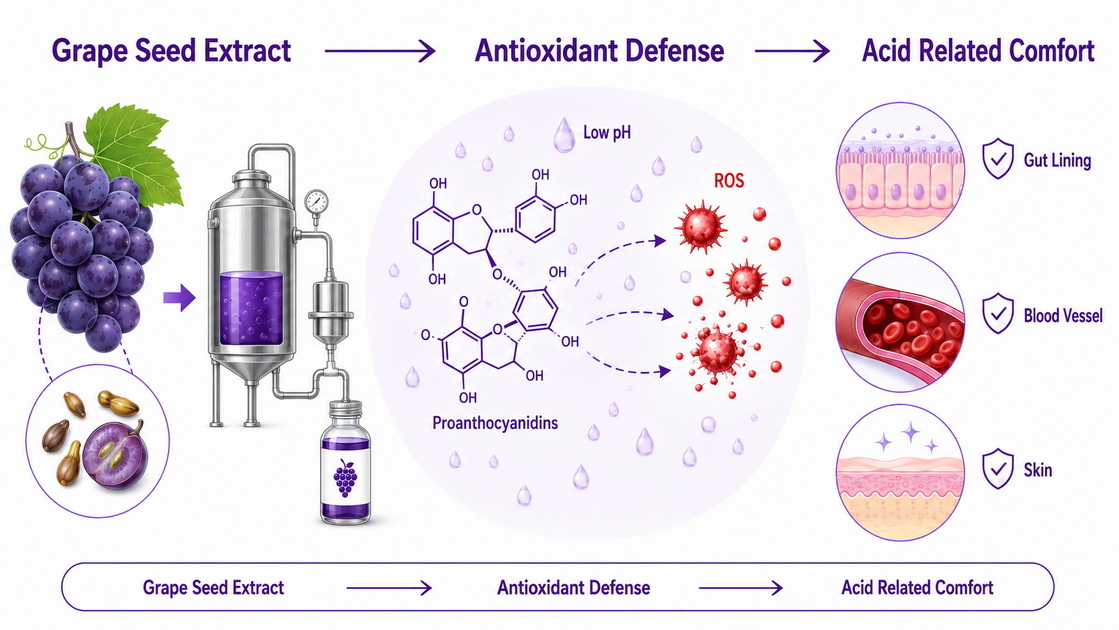
For grape-derived ingredients, the relevant issue is polyphenol–protein interaction. Reviews describe how polyphenols can bind proteins and change their structure, functionality, and susceptibility to digestion. The outcome depends on the interacting compounds and experimental conditions.
This is particularly relevant when incorporating botanicals into protein shakes, bars, or plant-based beverages.
Grape Polyphenols Can Change Protein Behavior
Polyphenols can interact with dietary proteins and digestive enzymes. Depending on formulation conditions, protein–polyphenol complexes may support useful food structures or create problems such as haze, sedimentation, reduced proteolysis, or restricted phenolic release.
That does not mean grape skin extract inevitably impairs protein digestion. It means the finished matrix deserves testing.
Important development variables include:
- Protein source and concentration.
- Extract composition and inclusion level.
- pH and heat treatment.
- Storage conditions.
- Behavior during simulated digestion.
A capsule and a heat-treated, high-protein beverage should therefore not be assumed to deliver equivalent ingredient behavior.
Digestion and Memory Must Remain Separate Claims
It is tempting to suggest a simple chain: better protein digestion leads to better nutrient availability, which leads to better memory.
The evidence reviewed here does not validate that chain for either botanical. Likewise, demonstrating polyphenol–protein binding does not establish a beneficial gut–brain mechanism or improved recall.
For credible communication, distinguish three questions:
1. Does the formulation remain physically stable?
2. Does digestion change ingredient release or protein breakdown?
3. Does the finished product improve a prespecified cognitive outcome?
Each requires its own evidence.
Three Practical Ways to Build a Stronger Botanical Product
1. Create an Evidence-Transfer Checklist
Before using a published study to support a formulation, compare:
- Botanical species.
- Plant part.
- Extraction and processing method.
- Chemical fingerprint.
- Dose and administration route.
- Participant population.
- Cognitive task and assessment timing.
If several elements differ, describe the study as supporting scientific context rather than direct product validation. The grape-juice, grape–blueberry, and injectable-notoginseng studies show why these distinctions matter.
2. Test the Finished Protein Matrix
For a proposed protein-enriched beverage, I would recommend a staged development plan:
1. Establish protein-only and extract-only controls.
2. Compare extract inclusion levels in the actual beverage.
3. Evaluate color, sedimentation, taste, and marker retention.
4. Assess protein breakdown and phenolic release during simulated digestion.
5. Use results to refine the formulation before considering human testing.
This is a proposed workflow, not a reported Botaniex case study. Its rationale comes from research showing that protein–polyphenol behavior depends on processing and matrix conditions.
3. Design a Trial That Tests the Actual Promise
A useful future comparison would include placebo, grape skin extract, and Panax notoginseng extract, using fully characterized oral preparations.
It should prespecify one primary outcome, control practice effects, and standardize relevant conditions such as meals and testing time. Cognitive outcomes should remain separate from exploratory digestion or exposure measurements.
Existing grape trials provide useful design examples, but not proof that this proposed head-to-head comparison would favor either ingredient.
Safety, Dosage, and Responsible Positioning
The studies reviewed do not establish a universal, evidence-based dose of either extract for immediate recall.
Panax notoginseng also deserves medication-interaction review. Its constituents can have different effects on platelet activity and coagulation; "natural" should not be interpreted as pharmacologically inactive.
People taking anticoagulant or antiplatelet medicines should seek qualified clinical advice before using a notoginseng supplement. Product developers should obtain a formulation-specific safety assessment rather than relying on broad traditional-use language.
Develop an Evidence-Aligned Ingredient Brief With Botaniex
Based on the company background provided, Botaniex's botanical extraction and formulation focus makes an ingredient-development brief a relevant starting point—not a reason to imply unverified clinical validation.
Contact Botaniex with your target market, product format, intended cognitive outcome, protein system, and documentation requirements. Request an extract-specific discussion covering identity, analytical specifications, application testing, and available supporting research.
The goal should be a defensible formulation, not the strongest-sounding memory claim.
Frequently Asked Questions
Is grape skin extract proven to improve short-term memory recall?
The evidence reviewed here does not establish that conclusion. Human studies involving grape juice or grape–blueberry blends cannot automatically validate a skin-only extract. [pmc.ncbi.nlm.nih]
Is Panax notoginseng the same as Panax ginseng?
No. They are distinct species with different constituent profiles. Evidence should match the botanical actually used. [pmc.ncbi.nlm.nih]
Which extract works faster?
No reliable winner can be identified from these studies. Acute grape-related findings involve different preparations and outcomes, while much notoginseng memory research is preclinical. [pmc.ncbi.nlm.nih]
Does grape skin extract improve protein digestion?
That benefit is not established here. Polyphenol–protein interactions can change digestion-related behavior, so the complete formulation requires evaluation. [onlinelibrary.wiley]
Can the two ingredients be combined?
A combination is a development possibility, not demonstrated synergy. Separate ingredient findings do not establish superior recall, safety, or digestive performance for a combined product. [pmc.ncbi.nlm.nih]
What documentation should an ingredient buyer request?
Request botanical identity, plant-part information, chemical specifications, analytical methods, safety documentation, and evidence matching the proposed application. Composition differences make a generic extract name insufficient. [pmc.ncbi.nlm.nih]
Hot Tags: China, Global, OEM, private label, manufacturers, factory, suppliers, manufacturing company