Content Menu
● Understanding Digestive Tolerance in Real-World Supplement Use
● Ingredient Snapshot: Black Currant Extract vs. Lycopene
>> Black Currant Extract – Anthocyanin-Rich Botanical
>> Lycopene – Carotenoid Antioxidant
● How Each Ingredient Interacts with the Gut
>> Black Currant Extract and Gut Function
>> Lycopene and the Gastrointestinal Tract
● Clinical Glimpse: Digestive Tolerance Under Stress Conditions
>> Black Currant Extract in Exercise and Heat
>> Lycopene: GI Side Effects Profile
● Comparative Digestive Tolerance: Key Dimensions
>> Digestive Tolerance Comparison Table
● Expert Insight: When Digestive Tolerance Becomes a Competitive Advantage
● Practical Formulation Strategies to Enhance Digestive Tolerance
>> 1. Evidence-Led Dosing and Standardization
>> 2. Delivery Format and Matrix Design
● Real-World Use Scenarios: Which Ingredient Fits Which Customer?
>> Active Consumers with Sensitive Digestion
>> Cardiometabolic and Prostate-Health Supplements
● CTA
● FAQs: Black Currant Extract, Lycopene, and Digestive Tolerance
● References
For most users, standard supplemental doses of both black currant extract and lycopene are generally well tolerated, but current evidence suggests anthocyanin-rich black currant extract may offer a digestive tolerance advantage, especially under stress conditions (e.g., exercise, heat), with fewer reported gastrointestinal (GI) symptoms compared with placebo, while lycopene more commonly shows mild GI upset at higher doses or in sensitive individuals. [apollohospitals]
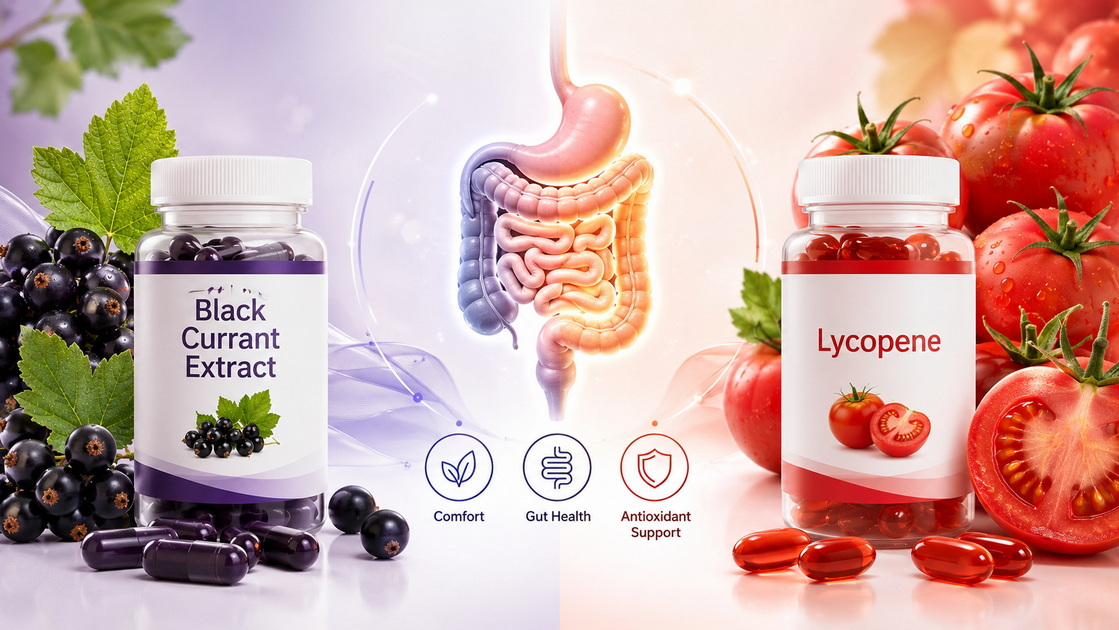
Understanding Digestive Tolerance in Real-World Supplement Use
Digestive tolerance refers to how well your GI tract—mouth, stomach, and intestines—handles a given ingredient without triggering symptoms such as bloating, nausea, belching, diarrhea, abdominal cramps, or reflux. [pubmed.ncbi.nlm.nih]
For brand owners and formulators in the dietary supplement, functional food, and beverage industries, digestive tolerance is more than a comfort metric: it directly influences repeat purchase rates, brand trust, and regulatory-compliant product claims. [botaniex]
From my perspective as a nutrition-focused consumer and industry consultant, ingredients with consistent tolerability across diverse user groups (including athletes, older adults, and individuals with mild gut sensitivity) provide a clearer path to premium positioning and long-term customer loyalty. [pubmed.ncbi.nlm.nih]
Ingredient Snapshot: Black Currant Extract vs. Lycopene
Black Currant Extract – Anthocyanin-Rich Botanical
Black currant (Ribes nigrum) extract is typically standardized for anthocyanins and other polyphenols, offering vascular, metabolic, and gut-modulating benefits. [pmc.ncbi.nlm.nih]
- Key bioactives: Anthocyanins, flavonols, phenolic acids. [pmc.ncbi.nlm.nih]
- Primary applications: Cardiometabolic support, sports nutrition, immune support, and functional foods and beverages. [sciencedirect]
- Botaniex positioning: As a research-backed botanical ingredient supplier, Botaniex is well aligned with standardized black currant extracts for global supplement and functional food brands. [botaniextract]
Lycopene – Carotenoid Antioxidant
Lycopene is a fat-soluble carotenoid best known as the red pigment in tomatoes, watermelon, and pink grapefruit. [drstanfield]
- Key bioactives: Lycopene (all-trans and cis-isomers). [drstanfield]
- Primary applications: Cardiovascular health, prostate health, skin photoprotection, and general antioxidant support. [supplements.selfdecode]
- Delivery formats: Softgels, capsules, premixes, and functional food fortification (tomato-based or carotenoid-enriched matrices). [apollohospitals]
How Each Ingredient Interacts with the Gut
Black Currant Extract and Gut Function
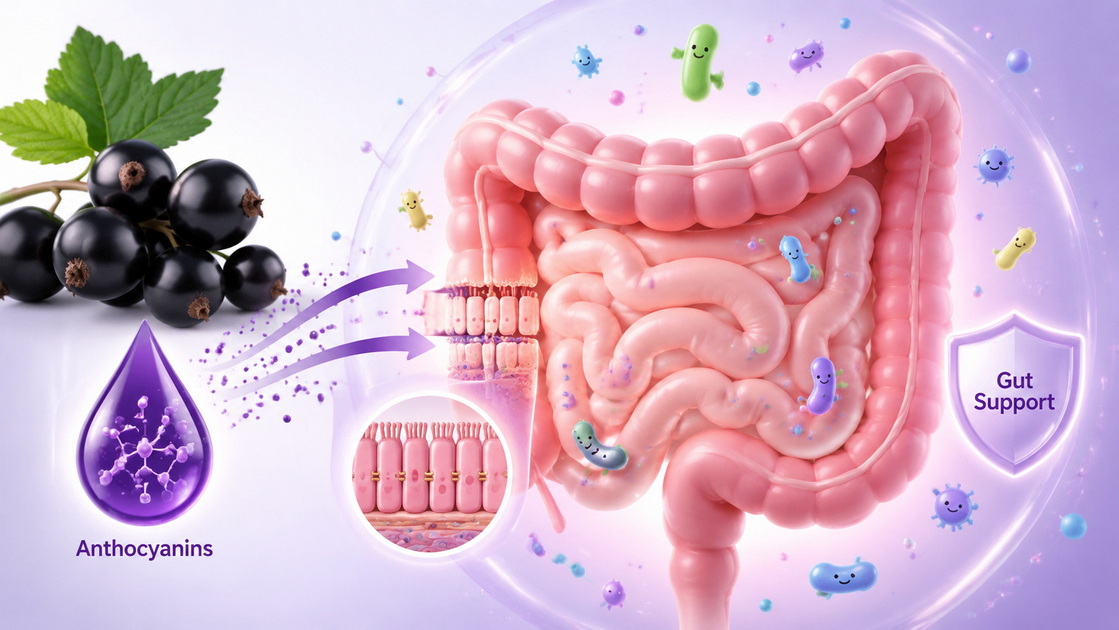
Emerging data highlight black currant anthocyanins as gut-active compounds with prebiotic-like properties and potential to modulate the intestinal microbiota. [nzsg.org]
- Polyphenol–microbiota interaction: Black currant polyphenols can reach the colon and be metabolized by gut bacteria, leading to the formation of smaller phenolic metabolites that may positively influence intestinal barrier integrity and inflammation markers. [pubs.acs]
- Prebiotic potential: New Zealand data suggest blackcurrants may support beneficial bacterial populations, contributing to better gut function and resilience. [nzsg.org]
From a practitioner's standpoint, this means black currant extract is not just "neutral" to the gut—it may actively help balance the microbiome, which can indirectly improve digestive tolerance over time in frequent users. [pmc.ncbi.nlm.nih]
Lycopene and the Gastrointestinal Tract
Lycopene is absorbed in the small intestine in the presence of dietary fat, and its fat-soluble nature affects both formulation strategy and digestive response. [apollohospitals]
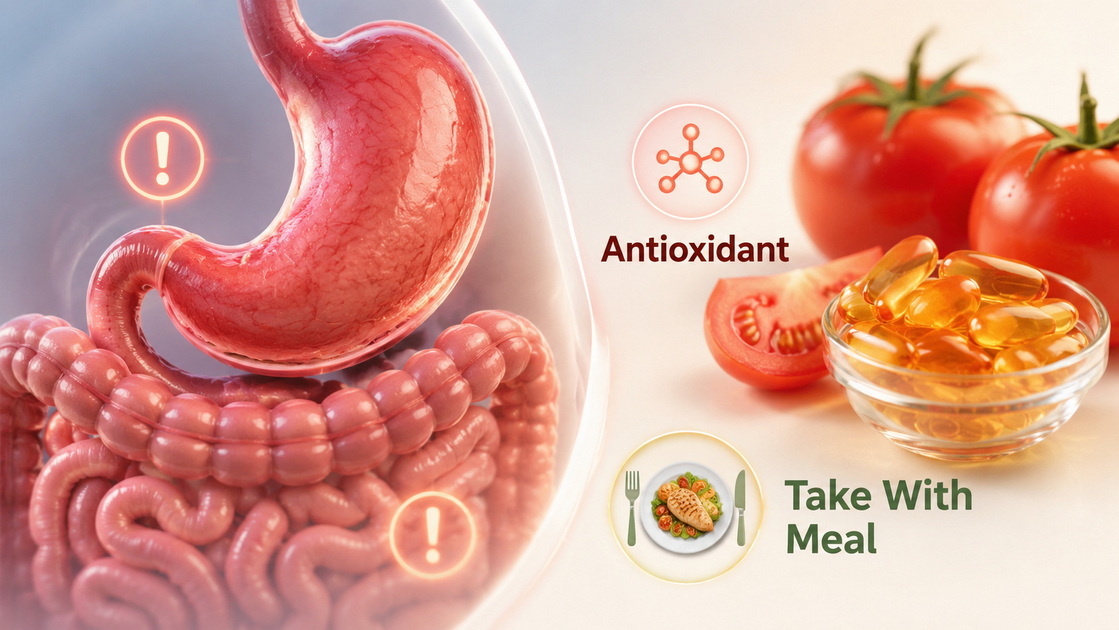
- Absorption requirements: Optimal lycopene uptake is achieved when consumed with fat-containing meals or in lipid-based delivery systems (e.g., softgels with vegetable oils). [drstanfield]
- Potential GI impact: While generally safe, lycopene supplements can cause mild gastrointestinal upset, especially when taken on an empty stomach or at higher doses, including nausea, diarrhea, or stomach discomfort. [supplements.selfdecode]
For consumers with sensitive digestion or existing GI disorders, practitioners often recommend starting lycopene at lower doses, titrating slowly, and pairing intake with food to reduce adverse events. [supplements.selfdecode]
Clinical Glimpse: Digestive Tolerance Under Stress Conditions
Black Currant Extract in Exercise and Heat
A recent pilot study examined anthocyanin-rich New Zealand blackcurrant extract during treadmill running in hot conditions, a scenario known to exacerbate GI symptoms in athletes. [pubmed.ncbi.nlm.nih]
- Participants: Recreationally active men running 1 hour at ~65% VO₂max in heat. [pubmed.ncbi.nlm.nih]
- Intervention: 7-day intake of blackcurrant extract vs placebo. [pubmed.ncbi.nlm.nih]
- Outcomes:
- With placebo, 92% reported GI symptoms (belching, "stitch," dizziness, nausea). [pubmed.ncbi.nlm.nih]
- With blackcurrant extract, only 25% reported GI symptoms, and overall symptom scores dropped by more than half. [pubmed.ncbi.nlm.nih]
These data suggest that, even in a high-stress, high-heat environment, black currant extract did not worsen digestive tolerance and may actually reduce perceived GI symptom burden. [pubmed.ncbi.nlm.nih]
Lycopene: GI Side Effects Profile
Lycopene's published safety profiles and medical monographs consistently describe it as well tolerated at standard doses, but they acknowledge GI upset as one of the most commonly reported side effects. [apollohospitals]
- Common issues: Nausea, diarrhea, abdominal discomfort. [supplements.selfdecode]
- Mitigating factors: Taking lycopene with meals, avoiding excessive dosing, and considering individual sensitivity to tomato-based ingredients. [apollohospitals]
From a clinician's perspective, lycopene is rarely associated with severe GI events, yet its side effect profile contains more typical "digestive complaint" entries than that reported for standardized black currant extracts in the currently available literature. [supplements.selfdecode]
Comparative Digestive Tolerance: Key Dimensions
Digestive Tolerance Comparison Table
| Dimension | Black Currant Extract | Lycopene |
| Typical GI profile | Generally well tolerated; pilot data show reduced exercise-induced GI symptoms vs placebo. pubmed.ncbi.nlm.nih | Generally well tolerated; mild GI upset (nausea, diarrhea, stomach discomfort) reported, especially at higher doses or on empty stomach. apollohospitals |
| Mechanistic gut impact | Polyphenols reach gut lumen, interact with microbiota, and may support barrier function and antioxidant status. nzsg.org | Fat-soluble carotenoid absorbed in small intestine; antioxidant activity systemic rather than strongly microbiota-focused. apollohospitals |
| Use in sensitive populations | Appears suitable for sports nutrition and metabolic health formulations where GI comfort is critical. pmc.ncbi.nlm.nih | Often recommended in cardiometabolic and prostate health, but caution in individuals prone to GI upset is advisable. apollohospitals |
| Dose-dependence of tolerance | Studies near intakes equivalent to ~100 g fresh blackcurrants show favorable tolerance. sciencedirect | Higher supplemental doses more likely to trigger GI symptoms, especially without food. apollohospitals |
| Formulation flexibility for gut comfort | Easily integrated into functional beverages, powders, and gummies, with scope to co-formulate prebiotics and soothing botanicals. botaniex | Often delivered in oil-based softgels or capsules; matrix choice (fat content) influences both absorption and GI response. apollohospitals |
From both an end-user and product development standpoint, the available evidence points to black currant extract as the more gut-friendly option, particularly in performance and metabolically focused formulas, while lycopene demands more careful dose and matrix management to maintain optimal digestive comfort. [sciencedirect]
Expert Insight: When Digestive Tolerance Becomes a Competitive Advantage
Drawing on typical OEM/ODM formulation projects, digestive tolerance often becomes the silent differentiator in crowded categories like cardiometabolic support, sports performance, and anti-aging blends.
Why this matters:
- Fewer GI complaints → lower return rates, better online reviews, and stronger brand reputation.
- Comfort at active doses → ability to deliver clinically relevant amounts without compromising user experience. [pmc.ncbi.nlm.nih]
- Global compliance and labeling → easier market entry when an ingredient shows a clean tolerability and safety profile. [newswire]
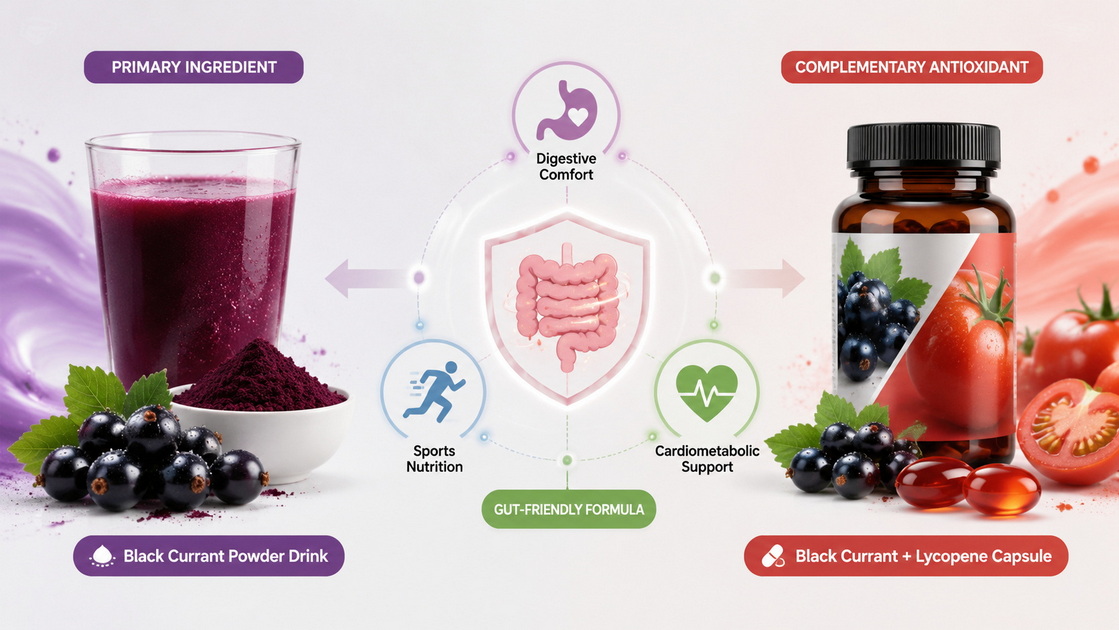
From an industry expert perspective, choosing black currant extract as the primary ingredient and positioning lycopene as a secondary, complementary antioxidant in smaller, well-tolerated doses allows brands to maximize health benefits while minimizing digestive risk. [pmc.ncbi.nlm.nih]
Practical Formulation Strategies to Enhance Digestive Tolerance
1. Evidence-Led Dosing and Standardization
To support digestive comfort, formulators should:
1. Align black currant extract dosing with levels shown in human studies (e.g., anthocyanin-rich extracts used for metabolic and exercise outcomes). [sciencedirect]
2. Keep lycopene within commonly recommended ranges (6–15 mg/day), preferably divided or taken with meals, to reduce GI complaints. [apollohospitals]
3. Use standardized extracts (for anthocyanin or lycopene content) to maintain batch-to-batch consistency and predictable tolerance. [botaniex]
2. Delivery Format and Matrix Design
Thoughtful delivery format selection can significantly improve digestive tolerance:
- Black currant extract:
- Ideal for powders, sachets, RTD beverages, and gummies where osmolarity and sweetness are balanced to avoid bloating. [botaniextract]
- Can be combined with soothing co-actives (e.g., ginger, chamomile) for extra GI comfort in sports or travel formulations. [pubmed.ncbi.nlm.nih]
- Lycopene:
- Best delivered in oil-based softgels or emulsified drinks to support absorption and reduce GI irritation. [drstanfield]
- Should be clearly labeled with usage instructions (e.g., "Take with food") to guide consumers and minimize digestive discomfort. [apollohospitals]
Real-World Use Scenarios: Which Ingredient Fits Which Customer?
Active Consumers with Sensitive Digestion
For endurance athletes, fitness enthusiasts, or users who frequently experience "runner's stomach" or exercise-induced GI issues, a black currant–centric formula offers:
- High antioxidant support with lower incidence of GI symptoms in heat and exercise conditions. [pmc.ncbi.nlm.nih]
- Potential microbiome modulation, contributing to better long-term gut resilience. [nzsg.org]
Lycopene, in this context, is more suitable as a supportive antioxidant in modest doses, rather than the primary hero for GI-conscious users. [drstanfield]
Cardiometabolic and Prostate-Health Supplements
For consumers targeting heart health or prostate support, lycopene remains a well-established, evidence-backed carotenoid. However, from a digestive tolerance perspective:
- Co-formulating black currant extract with lycopene can create a multi-target antioxidant blend that supports vascular health, metabolic balance, and gut comfort. [sciencedirect]
- Using moderate lycopene dosing and clear intake instructions can maintain good GI tolerance profiles for long-term users. [drstanfield]
CTA
Talk to Botaniex about anthocyanin-standardized black currant extracts and complementary lycopene solutions tailored to your dietary supplement, functional beverage, or cosmetic nutrition project.
FAQs: Black Currant Extract, Lycopene, and Digestive Tolerance
1. Is black currant extract safe for people with sensitive stomachs?
Standardized black currant extracts have shown good tolerability, and pilot data indicate reduced GI symptom scores during exercise, making them a promising option for users with mild gut sensitivity. [pmc.ncbi.nlm.nih]
2. Can lycopene cause digestive side effects?
Yes, mild GI upset such as nausea or diarrhea can occur, especially at higher doses or when taken without food, although most users tolerate typical supplemental intakes well. [supplements.selfdecode]
3. Can I take black currant extract and lycopene together in one formula?
Co-formulation is common; combining anthocyanin-rich black currant extract with moderate-dose lycopene can provide broad-spectrum antioxidant support, with careful dosing to preserve digestive comfort. [sciencedirect]
4. Which ingredient is better for athletes concerned about gut issues during training?
Based on current data, black currant extract shows more direct evidence for reduced exercise-associated GI symptoms, making it a strong candidate for sports nutrition formulas. [pmc.ncbi.nlm.nih]
5. How can brands minimize digestive complaints with lycopene products?
Use moderate doses, deliver lycopene in fat-containing matrices (e.g., softgels with oils), and clearly instruct consumers to take the product with food to improve tolerance. [drstanfield]
References
1. Botaniex, Inc. – High-quality botanical extracts and proprietary herbal formulas for health food, dietary supplement, functional beverage, cosmetics, and pharmaceutical industries.
https://www.botaniex.com/ [botaniex]
2. Botaniex – Research backed botanical extracts from professional China supplier.
https://www.botaniextract.com/1960.html [botaniextract]
3. Anthocyanin-rich New Zealand blackcurrant extract reduces treadmill running-induced gastrointestinal symptoms in the heat: pilot observations.
https://pubmed.ncbi.nlm.nih.gov/39996414/ [pubmed.ncbi.nlm.nih]
4. Application, emerging health benefits, and dosage effects of blackcurrant extract in metabolic and vascular health.
https://www.sciencedirect.com/science/article/pii/S1756464622002171 [sciencedirect]
5. Polyphenol-rich extract from blackcurrant pomace attenuates metabolic and oxidative markers – evidence for gut-related benefits.
https://pmc.ncbi.nlm.nih.gov/articles/PMC4242980/ [pmc.ncbi.nlm.nih]
6. Blackcurrants – valuable prebiotics to support gut function.
https://nzsg.org.nz/news-and-events/news/article/vfh1fYq/blackcurrants-valuable-prebiotics-to-support-gut-function [nzsg.org]
7. Dosage, benefits, and side effects of lycopene – medical overview.
https://www.apollohospitals.com/medicines/lycopene [apollohospitals]
8. Lycopene: Benefits, forms, dosing, and side effects.
https://drstanfield.com/blogs/articles/lycopene-benefits-forms-dosing-and-side-effects [drstanfield]
9. Lycopene benefits and side effects – consumer-focused overview.
https://supplements.selfdecode.com/blog/lycopene/ [supplements.selfdecode]
10. Short-term intake of New Zealand blackcurrant extract improves insulin sensitivity and postprandial glucose – metabolic context.
https://pmc.ncbi.nlm.nih.gov/articles/PMC7987707/ [pmc.ncbi.nlm.nih]