Content Menu
● Herbal Ingredients vs. Biologic Therapy: What Are Consumers Comparing?
● Protein Digestion vs. Biologic Breakdown: Why the Difference Matters
>> Dietary protein digestion happens in the gastrointestinal tract
>> Therapeutic antibodies follow different clearance pathways
● Which Herbal Ingredients Deserve Closer Review?
● A Six-Step Herbal Ingredient Check Before Starting Biologic Therapy
>> 1. Help consumers inventory every product
>> 2. Identify the actual preparation
>> 3. Review the whole regimen
>> 4. Label evidence strength
>> 5. Obtain individualized instructions
>> 6. Keep the record current
● An Ingredient Passport: A Practical Tool for Supplement Brands
● An Illustrative Consumer Scenario: A Protein Digestion Blend
● How Botaniex Can Support Responsible Ingredient Communication
● Frequently Asked Questions
>> Can consumers take herbal supplements while receiving biologic therapy?
>> Does better protein digestion improve biologic treatment effectiveness?
>> Are all "immune-support" herbs unsafe with biologics?
>> Does taking a supplement several hours apart prevent interactions?
>> Does a certificate of analysis prove compatibility with biologics?
>> What should consumers bring to a pre-treatment appointment?
● Next Step: Make the Review Easier Before Treatment Begins
Supplement brands can help consumers check herbal ingredients before starting biologic therapy by providing complete ingredient information, explaining evidence limitations, and directing individual safety questions to a pharmacist or prescribing clinician. For products marketed around Protein Digestion, brands must also distinguish digestive support from prescription-drug safety: a digestive claim does not establish compatibility with biologic treatment. The NHS advises people taking adalimumab to disclose all medicines, herbal remedies, vitamins, and supplements to their care team.
From a consumer's perspective, the practical question is simple: "What should I show my doctor?" From an ingredient specialist's perspective, the answer requires more than a product name. It requires botanical identity, preparation details, dose, and a transparent account of what is—and is not—known.
This guide explains how brands can bridge that information gap without presenting marketing advice as medical clearance.
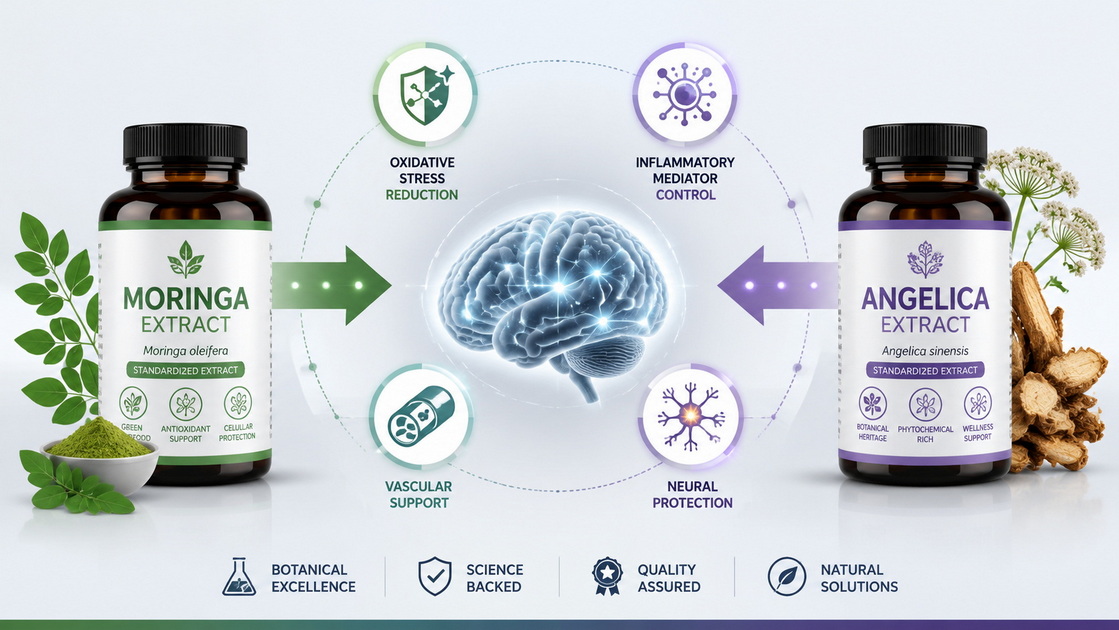
Herbal Ingredients vs. Biologic Therapy: What Are Consumers Comparing?
Herbal ingredients and biologic medicines belong to different categories. Consumers should not be encouraged to treat them as interchangeable options.
Botanical supplements can contain plant materials or concentrated extracts. Biologic therapies include medicines such as monoclonal antibodies, which have specific therapeutic targets and distinctive pharmacology. This article focuses on those antibody-based treatments rather than assuming every biologic works identically.
| Comparison point | Herbal ingredients in supplements | Antibody-based biologic therapy |
| Product composition | May contain one botanical or a multicomponent blend | Contains a defined therapeutic antibody |
| Information needed for review | Species, plant part, extract, dose, and full formula | Exact medicine, indication, schedule, and accompanying drugs |
| Evidence question | What is known about this preparation and combination? | What precautions apply to this particular treatment? |
| Appropriate decision-maker | Manufacturer supplies product information | Prescribing team determines treatment suitability |
These are complementary information needs, not competing treatment choices. A brand's role is to make its product assessable; the clinician's role is to decide what is appropriate for the patient. Herbal–drug interaction evidence is often limited or inconclusive, making that distinction especially important.
Protein Digestion vs. Biologic Breakdown: Why the Difference Matters
Dietary protein digestion happens in the gastrointestinal tract
During digestion, proteins are broken into smaller components, ultimately supplying amino acids the body can absorb and use. Digestive juices from the pancreas and small intestine help complete this process, and the small intestine absorbs most food nutrients.
A consumer may therefore associate "protein digestion support" with better handling of anything made from protein. That is an understandable question, but brands should not extend a food-digestion concept into an unsupported medicine claim.
Therapeutic antibodies follow different clearance pathways
Monoclonal antibodies are also proteins, but their handling after injection is not the same as digesting a protein-containing meal. Their clearance involves processes such as cellular uptake and proteolytic breakdown into peptides and amino acids. They generally do not undergo the classic CYP450 metabolism associated with many small-molecule medicines.
| Question | Dietary protein digestion | Therapeutic antibody clearance |
| Main context | Processing food in the digestive tract | Processing a therapeutic protein after administration |
| Relevant processes | Digestive enzymes and intestinal absorption | Cellular uptake, proteolysis, and target-related clearance |
| Valid brand conclusion | Explain nutritional or digestive evidence accurately | Do not infer compatibility from a digestive claim |
These differences do not prove that herbal products are safe with biologics. Some antibody treatments can indirectly affect how other medicines are metabolized, and patients may take additional drugs with their own interaction risks. Review must cover the complete treatment regimen.
Which Herbal Ingredients Deserve Closer Review?
A useful screening table distinguishes documented interactions from potential concerns. It should never turn a theoretical mechanism into a confirmed interaction with every biologic.
| Ingredient | What authoritative sources report | Appropriate consumer-facing message |
| St. John's wort | Documented interactions with multiple medicines, including cyclosporine | Request a full medication review; do not claim a proven interaction with every biologic |
| Ashwagandha | May interact with medicines that decrease immune-system responses | Disclose use before treatment decisions |
| Echinacea | Theoretical reasons suggest possible interaction with immunosuppressants | Explain uncertainty and seek professional review |
| Astragalus | May interact with immunosuppressive medicines and may worsen autoimmune disease symptoms | Flag for prompt discussion with the treating team |
These statements reflect different evidence levels. Cyclosporine, for example, is an immunosuppressant, not a monoclonal-antibody biologic. Evidence about one medicine should not be copied across an entire treatment category.
For consumers, the key distinction is unknown vs. safe. A database returning no result may mean the combination has not been adequately studied—not that a safety study found no problem. NCCIH emphasizes that reliable clinical evidence remains insufficient for many herb–drug combinations.
A Six-Step Herbal Ingredient Check Before Starting Biologic Therapy
The following is a proposed brand-support workflow, not a validated clinical decision tool.
1. Help consumers inventory every product
Provide a simple form covering:
- Prescription and nonprescription medicines.
- Herbal capsules, powders, teas, and tinctures.
- Protein powders and digestive-support blends.
- Vitamins, minerals, and occasional-use products.
Ask for doses, frequency, and label photographs. NCCIH recommends bringing a written list of medicines and supplements, including how much and how often they are taken.
2. Identify the actual preparation
A useful product record should include:
- Common and Latin botanical names.
- Plant part.
- Extract or preparation type.
- Amount per serving and daily use.
- Standardized constituents, where applicable.
- Other active ingredients and relevant excipients.
This proposed information standard helps reviewers assess the product actually used instead of guessing from a broad common name.
3. Review the whole regimen
The intake form should request the exact biologic and all accompanying treatments. Adalimumab, for example, may be prescribed alongside other medicines, so checking only the biologic's name can leave relevant information out of the discussion.
4. Label evidence strength
Organize findings into three plain-language categories:
1. Documented clinical interaction.
2. Potential or theoretical concern.
3. Insufficient evidence.
Include the source and review date. Avoid unexplained red, amber, or green ratings that suggest greater certainty than the evidence supports.
5. Obtain individualized instructions
Brands should not invent a universal "stop all herbs seven days before treatment" rule. The information reviewed here does not establish one washout period for every botanical and biologic combination. Instead, route questions about stopping, restarting, or continuing a supplement to the prescribing team.
Consumers should not independently delay prescribed biologic treatment while waiting for a supplement manufacturer's response.
6. Keep the record current
Recommend a fresh review when a formula, dose, medicine, or pattern of use changes. The proposed workflow should preserve the product version and the clinician's instructions, rather than treating one historical conversation as permanent clearance.
An Ingredient Passport: A Practical Tool for Supplement Brands
One useful improvement is a downloadable "ingredient passport": a concise product-information sheet designed for sharing with healthcare professionals.
| Passport field | Proposed content |
| Product identification | Product name, formula version, lot number |
| Botanical specification | Species, plant part, preparation, standardization |
| Exposure information | Ingredient amount per serving and suggested daily intake |
| Quality documentation | Available batch-specific results and test methods |
| Evidence notes | Relevant findings, limitations, and review date |
| Professional contact | Technical contact for formulation questions |
This is a proposed communication tool, not a certification or clinical safety assessment.
Quality documentation and interaction evidence answer different questions. A well-characterized product can still be unsuitable for a particular patient. Likewise, U.S. dietary supplements are not FDA-approved for safety and effectiveness before marketing, although manufacturers have legal responsibilities for product safety and compliance.
For a supplier such as Botaniex, the strategic opportunity is to support accurate ingredient documentation and formulation transparency—not to promise that an extract is "biologic-safe."
An Illustrative Consumer Scenario: A Protein Digestion Blend
Consider a hypothetical consumer preparing to start adalimumab while using a powder promoted for protein digestion. Its label includes plant protein, digestive enzymes, and an "immune-support" botanical blend.
A weak response would be: "It is natural, so there should be no issue."
A stronger response would:
1. Supply the complete ingredient list and available quantitative details.
2. Separate the digestive-support ingredients from the immune-positioned botanicals.
3. Identify evidence gaps without declaring an interaction.
4. Provide a shareable summary for the pharmacist or specialist.
5. Avoid advising any change to prescribed treatment.
This is an illustrative workflow, not a reported customer case. It reflects the NHS recommendation to disclose supplements before or during adalimumab treatment and NCCIH's emphasis on uncertainty in herbal interaction evidence.
How Botaniex Can Support Responsible Ingredient Communication
Based on its stated botanical-extract and formulation focus, Botaniex can position technical communication around three questions:
- What exactly is the ingredient?
- What documentation supports its identity and composition?
- What does the available evidence establish—and leave unresolved?
Recommended materials include specification sheets, preparation details, accessible technical contacts, and carefully qualified evidence summaries.
These are recommendations, not verified claims about Botaniex's current testing programs, certifications, or clinical capabilities.
The strongest trust signal is not a sweeping reassurance. It is a clear boundary: ingredient suppliers and supplement brands provide transparent product information; qualified healthcare professionals assess individual treatment compatibility.

Frequently Asked Questions
Can consumers take herbal supplements while receiving biologic therapy?
There is no single answer for every herb and biologic. Consumers should disclose the exact products and doses to their prescribing clinician or pharmacist. Adalimumab guidance specifically asks patients to report herbal remedies and supplements.
Does better protein digestion improve biologic treatment effectiveness?
The sources reviewed do not establish that relationship. Dietary protein digestion and therapeutic antibody clearance involve different contexts and processes, so brands should not use digestive-support claims to imply better biologic outcomes.
Are all "immune-support" herbs unsafe with biologics?
That blanket claim goes beyond the evidence. Specific herbs have different warnings and evidence levels. Ashwagandha has potential immunosuppressant interactions, while echinacea's concern includes theoretical reasoning. Individual assessment remains necessary.
Does taking a supplement several hours apart prevent interactions?
Consumers should not assume so. Some herbal interactions involve changes in drug-processing pathways rather than simple contact in the stomach. St. John's wort illustrates why spacing doses cannot be treated as universal protection.
Does a certificate of analysis prove compatibility with biologics?
No. Quality information helps characterize a product, but it does not establish the clinical safety of a particular herb–medicine combination. Manufacturing standards and interaction assessment serve different purposes.
What should consumers bring to a pre-treatment appointment?
Bring product labels or photographs, a complete medicine and supplement list, doses, and frequency of use. Include occasional-use products rather than reporting only daily supplements.
Next Step: Make the Review Easier Before Treatment Begins
Before starting biologic therapy, consumers should share their supplement information with the prescribing team. Brands can support that conversation with complete labels and accessible technical documentation.
For supplement brands developing botanical or protein-digestion formulas, contact Botaniex to discuss ingredient specifications and documentation needs. Keep that formulation discussion separate from patient-specific medical advice.