For product formulators and brand owners, sustained cognitive focus is no longer a "nice‑to‑have" claim – it is a core value proposition in nootropics, functional foods, and energy‑plus‑focus beverages. From a formulation and regulatory perspective, the question is not only "does it work?" but also "can we meaningfully position this ingredient in a science‑aligned, commercially viable way?" [frontiersin]
In this context, Maitake extract (Grifola frondosa) and naringin (a citrus‑derived flavonoid) are two natural actives with increasingly interesting neurocognitive data, yet they differ significantly in mechanism, formulation fit, and strength of evidence. [pmc.ncbi.nlm.nih]
What Is Maitake Extract?
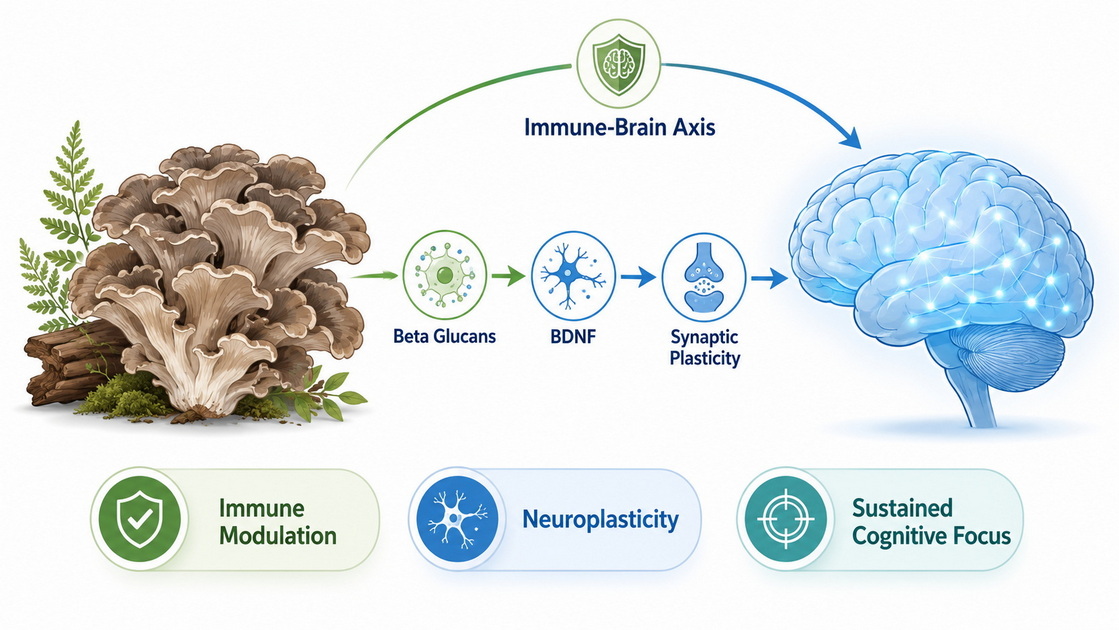
Maitake is a culinary and medicinal mushroom rich in β‑glucans, proteo‑β‑glucans and other polysaccharides that interact with both the immune system and the central nervous system. Modern research links Maitake's polysaccharides to improved learning and memory, modulation of neuroinflammation, and support for synaptic plasticity in animal and emerging human data. [pmc.ncbi.nlm.nih]
For manufacturers, standardized Maitake extracts (e.g., defined β‑glucan content) offer relatively consistent actives, easier quality control, and alignment with existing mushroom‑based cognitive platforms (e.g., lion's mane plus Maitake combinations). [nootropicsdepot]
What Is Naringin?
Naringin is a flavonoid glycoside found in citrus fruits such as grapefruit and certain traditional Chinese medicinal plants, well‑known for antioxidant and anti‑inflammatory activity. Preclinical studies show that naringin can ameliorate memory deficits, attenuate oxidative stress, and modulate amyloid‑β and tau‑related pathways in various animal models of cognitive impairment. [pmc.ncbi.nlm.nih]
However, naringin's bitter taste, potential interaction with drug‑metabolizing enzymes, and limited human cognitive data make it more challenging to position as a front‑label "focus" ingredient for mainstream functional products, compared with mushroom extracts that consumers already associate with "brain health." [pmc.ncbi.nlm.nih]
Human And Preclinical Data
Maitake Extract – Emerging Human Cognitive Data
A randomized, double‑blind, placebo‑controlled trial in healthy older adults (18 weeks, 47 participants) showed that daily consumption of bread containing specific Maitake strains significantly improved MoCA‑J cognitive test scores compared with placebo, with no major safety concerns. The same intervention enhanced natural killer cell activity, and these immune changes positively correlated with cognitive improvements, supporting a plausible immune–brain axis mechanism. [jstage.jst.go]
Additional animal work on Maitake polysaccharides demonstrates improved learning and memory, reduced neuronal loss, and enhanced microglial‑mediated clearance of amyloid‑β in Alzheimer's models, reinforcing its neuroprotective and pro‑plasticity profile over time. From a marketer's perspective, this combination of mushroom tradition plus modern neurocognitive data enables positioning around long‑term brain performance and sustained focus, rather than just acute stimulation. [pubs.rsc]
Naringin – Strong Neuroprotection, Limited Human Focus Data
Naringin has repeatedly shown cognitive rescue effects in rodents, improving recognition memory, learning ability, and behavioral performance in models of corticosteroid‑induced memory impairment, epilepsy, Huntington's disease, and Alzheimer's‑like pathology. Mechanistically, it modulates acetylcholine metabolism, reduces oxidative stress and inflammation, and affects MAPK/p38 signaling, all of which support neuronal resilience. [sciencedirect]
Yet, the current evidence base is overwhelmingly preclinical, and authors consistently call for human trials before drawing firm conclusions about its cognitive benefits in everyday settings. For brands focused on sustained cognitive focus in healthy consumers, this gap makes it harder to support strong claims or premium pricing solely on naringin. [pmc.ncbi.nlm.nih]
Mechanistic Comparison – How Each Supports Sustained Focus
Key Mechanisms At A Glance
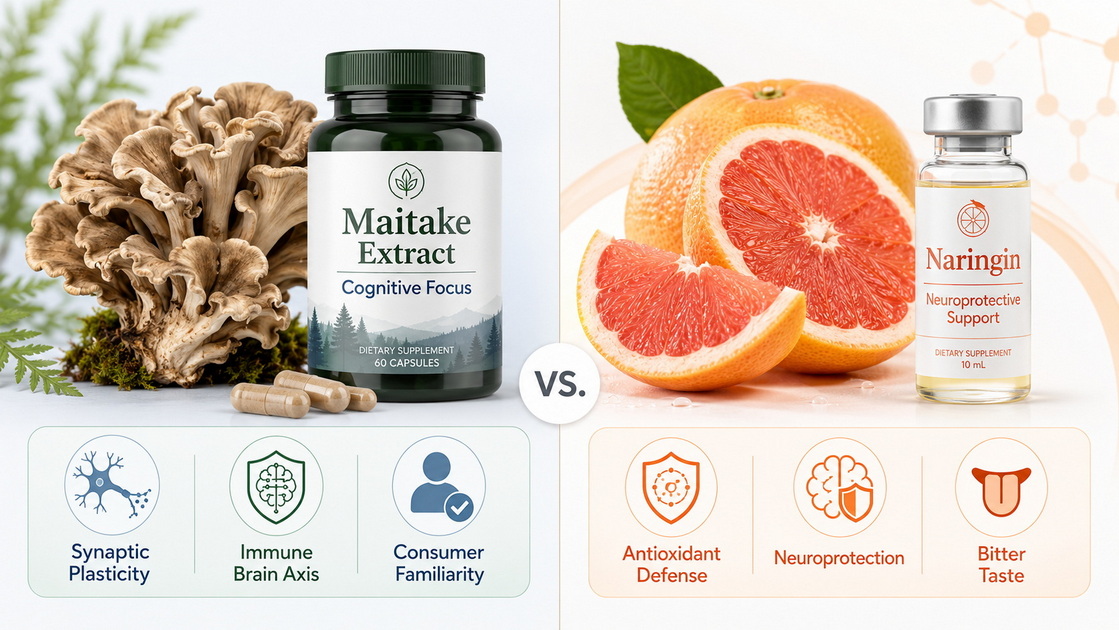
| Dimension | Maitake Extract | Naringin |
| Primary actives | β‑glucans, proteo‑β‑glucans, polysaccharides pmc.ncbi.nlm.nih | Flavonoid glycoside from citrus and herbs pmc.ncbi.nlm.nih |
| Core neuro mechanisms | ↑ BDNF, ↑ AMPAR, synaptic plasticity; immune–brain axis braintea | ↓ oxidative stress, ↓ neuroinflammation, acetylcholine support pmc.ncbi.nlm.nih |
| Cognitive evidence type | Emerging human trial + animal models pubmed.ncbi.nlm.nih | Multiple animal models; minimal human data pmc.ncbi.nlm.nih |
| Focus‑relevant angle | Long‑term brain structure and connectivity, resilience pubmed.ncbi.nlm.nih | Protection under stress or pathology pmc.ncbi.nlm.nih |
| Consumer familiarity | "Brain mushroom" trend, high acceptance freshcap | Less known; often hidden behind citrus extracts pmc.ncbi.nlm.nih |
Maitake β‑glucans increase brain‑derived neurotrophic factor (BDNF) and AMPA receptor levels in brain regions central to learning and memory, supporting synaptic efficiency that underpins sustained focus. In parallel, β‑glucans influence gut and immune parameters that correlate with cognitive performance, suggesting a multi‑axis support model rather than a single‑pathway stimulant effect. [braintea]
By contrast, naringin primarily acts by reducing damage – mitigating oxidative stress, modulating amyloid and tau, improving mitochondrial function, and protecting cholinergic signaling. This profile is compelling for cognitive aging and neuroprotection, but less directly aligned with the everyday "flow state" narrative that many brands seek for focus positioning. [sciencedirect]
Formulation And UX Considerations For Brand Owners
Sensory, Stability, And Regulatory Fit
From a user experience and formulation standpoint, Maitake extract offers broad dosage‑form flexibility: it can be incorporated into capsules, tablets, stick packs, RTD beverages, and functional foods where earthy mushroom notes can either be masked or positioned as part of a "natural, umami" story. Standardizable β‑glucan levels and growing marketplace familiarity with mushroom extracts make it easier to build clean‑label focus SKUs. [botaniex]
Naringin's intrinsic bitterness and potential interactions with certain drug‑metabolizing enzymes (an issue in grapefruit juice more generally) demand careful dose selection and labeling strategy in products targeting older or medicated consumers. While encapsulation can partially solve taste, the perceived risk of interactions may limit its use in mainstream focus products and shift it toward more specialized neuroprotection formulas. [pmc.ncbi.nlm.nih]
Combining Maitake And Naringin – Synergy Or Redundancy?
From an expert formulator's viewpoint, there is a strategic case for stacking Maitake extract and naringin in a premium cognitive aging or "brain longevity" concept. Maitake can anchor the formula as the front‑of‑label "focus and performance" driver, while naringin quietly supports antioxidant and neuroprotective pathways at a complementary dose. [pmc.ncbi.nlm.nih]
However, for cost‑sensitive SKUs or first‑time launches, concentrating the claim architecture on one hero ingredient (e.g., Maitake extract) usually yields clearer messaging, simpler regulatory substantiation, and cleaner UX in packaging and digital content. In that scenario, naringin may be better deployed in a separate line extension focused explicitly on "age‑related cognitive protection."
Expert Perspective – When To Lead With Maitake Extract
Product Strategist View For Sustained Focus
From a B2B product strategy standpoint, Maitake extract is generally the stronger hero ingredient if your primary claim territory is sustained cognitive focus in healthy adults. The combination of emerging human data, mushroom‑driven consumer trust, and multi‑pathway mechanisms allows you to:
- Build science‑aligned claims around focus, mental clarity, and cognitive performance over time. [pubmed.ncbi.nlm.nih]
- Integrate Maitake into existing "mushroom stack" architectures (e.g., lion's mane + Maitake + adaptogens) that your customers already understand. [freshcap]
- Design visually appealing, story‑rich branding around "smart mushrooms" and natural focus, with less need to educate about obscure flavonoid chemistry.
By contrast, naringin is better positioned as a supporting active in neuroprotection, stress‑related cognitive decline, or brain‑vascular health concepts where antioxidant and anti‑inflammatory mechanisms are front and center. [pmc.ncbi.nlm.nih]

Practitioner And End‑User View
From the perspective of nutrition‑savvy practitioners and advanced consumers, Maitake's β‑glucan–driven immunomodulation plus neuroplasticity is particularly appealing for people seeking long‑term cognitive resilience, not just short bursts of alertness. They often combine Maitake with lifestyle interventions (sleep hygiene, exercise) and other nootropics to maintain consistent focus windows across the day. [frontiersin]
Practitioners viewing naringin see it as a neuroprotective tool with promising, but still early, data – a candidate for individuals with high oxidative stress, metabolic risk, or a strong family history of neurodegenerative conditions. For general populations, many clinicians will prioritize well‑studied mushroom and choline‑related ingredients first, adding naringin only in more targeted protocols. [sciencedirect]
Practical Guidance – How Formulators Can Use Maitake Extract For Sustained Focus
Step‑By‑Step Concept Development
1. Clarify the focus claim territory
Decide whether your core message is "all‑day mental clarity," "healthy cognitive aging," or "immune‑brain synergy for mental performance," then ensure Maitake's positioning and supporting ingredients align with that narrative. [pubmed.ncbi.nlm.nih]
2. Choose Maitake extract specifications
Work with a supplier such as Botaniex to select standardized Maitake extract (e.g., defined β‑glucan content) that fits your target dosage, delivery form, and regulatory environment. [botaniex]
3. Build a supportive matrix
Combine Maitake extract with complementary nutrients (e.g., B‑vitamins, omega‑3s, or other mushrooms) that enhance brain energy metabolism and stress resilience, while keeping the formula clean‑label and stimulant‑free where possible. [wildfoods]
4. Translate mechanisms into user‑friendly claims
Convert complex pathways (BDNF, AMPAR, immune–brain link) into simple, compliant language such as "supports learning and memory," "helps maintain mental clarity," or "supports healthy cognitive function in aging." [braintea]
Why Botaniex Is Well‑Positioned For Maitake‑Led Cognitive Solutions
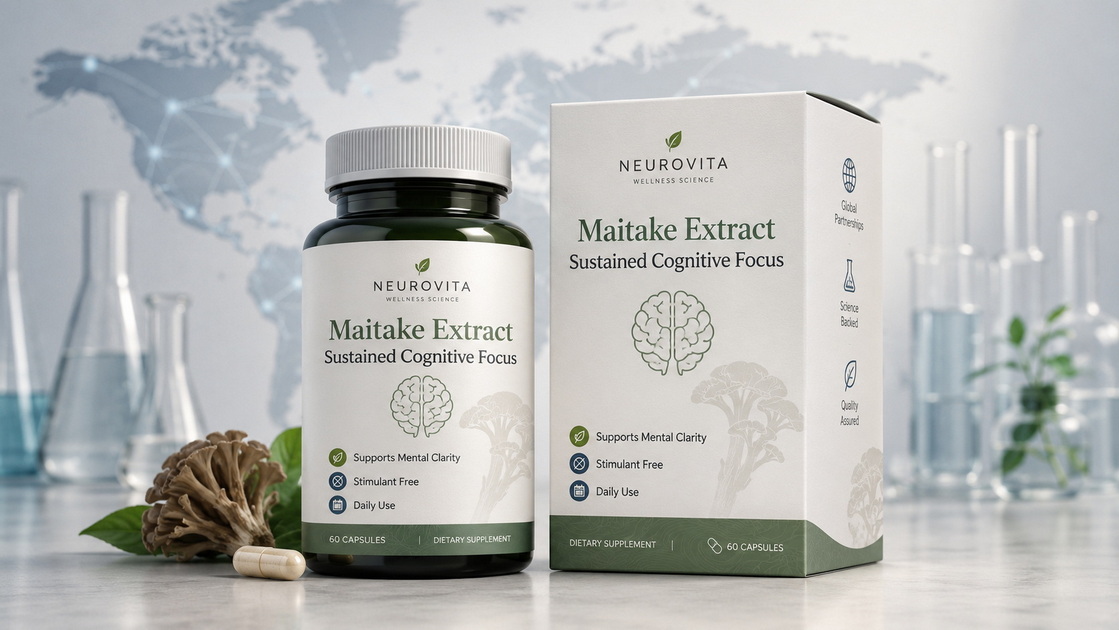
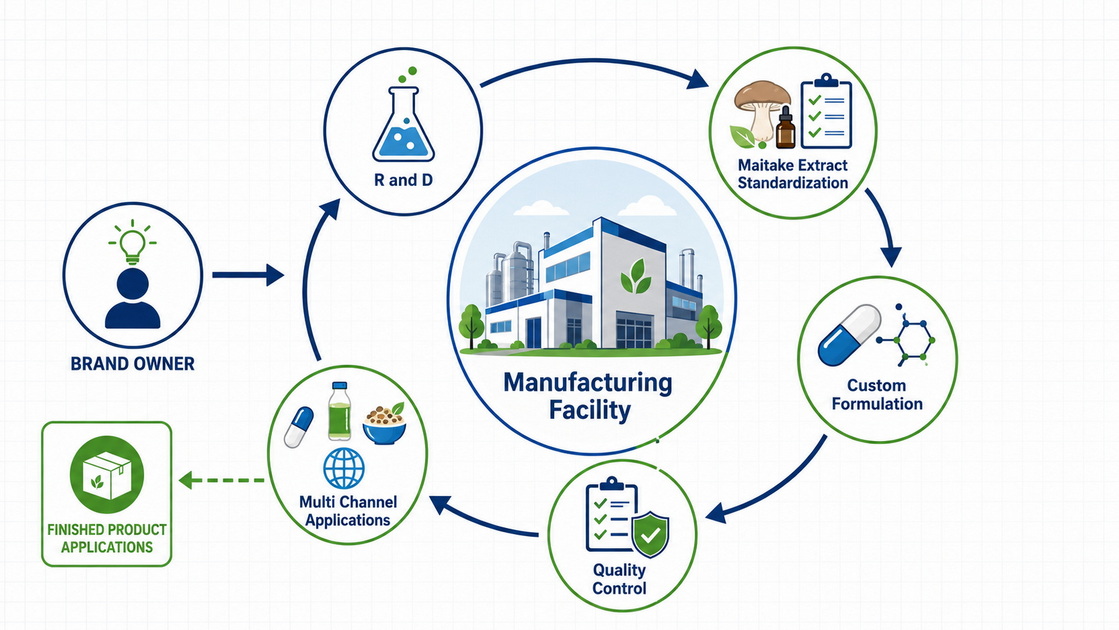
Botaniex specializes in high‑quality botanical and mushroom extracts, supported by strong R&D, advanced extraction technologies, and value‑added services such as private label and contract manufacturing. This foundation allows brand owners to move quickly from concept ("sustained cognitive focus with Maitake") to commercial‑ready formulas tailored to specific markets and regulatory frameworks. [mail.botaniex]
With expertise across dietary supplements, functional foods, beverages, cosmetics, and pharmaceuticals, Botaniex can help align Maitake‑based cognitive solutions with multi‑channel product roadmaps, from capsules and gummies to RTD focus drinks and cognitive snack formats. [botaniex]
Clear Verdict – Which Is Superior For Sustained Cognitive Focus?
For most cognitive‑focus‑driven applications, Maitake extract currently offers the superior overall profile:
- More aligned evidence with sustained cognitive performance and neuroplasticity, including early human data. [pmc.ncbi.nlm.nih]
- Stronger consumer story built on the rapid rise of mushroom‑based "brain health" products. [freshcap]
- Better formulation and UX fit, with flexible dosage forms and lower concern over drug–nutrient interactions. [botaniex]
Naringin remains a valuable supporting neuroprotective flavonoid, especially in formulations aimed at oxidative‑stress‑driven cognitive decline, but it is less compelling as a standalone, front‑label hero for sustained focus until more human data become available. [pmc.ncbi.nlm.nih]
If you are exploring new sustained cognitive focus SKUs, consider engaging Botaniex's formulation team to evaluate Maitake extract specifications, prototype blends (with or without naringin), and delivery systems tailored to your target market.
FAQ – Maitake Extract, Naringin, And Cognitive Focus
1. Can Maitake extract be used daily for long‑term cognitive support?
Current human and preclinical data suggest Maitake is suitable for ongoing use, with benefits emerging over weeks as neuroplasticity and immune parameters adapt, though exact dosing and duration should follow local regulatory guidance. [nootropicsdepot]
2. Is naringin better for older adults with memory concerns?
Naringin's strongest data are in animal models of cognitive impairment and neurodegeneration, indicating promise for age‑related cognitive decline, but robust human evidence is still lacking, so it is usually positioned as supportive rather than primary therapy. [pmc.ncbi.nlm.nih]
3. Can Maitake and naringin be combined in the same formula?
Yes, formulators may combine Maitake (for focus and neuroplasticity) with naringin (for antioxidant and neuroprotective support) in advanced cognitive‑aging or brain‑longevity products, while carefully considering dose, taste masking, and potential interactions. [pmc.ncbi.nlm.nih]
4. Are there stimulant‑like side effects with Maitake‑based focus products?
Maitake supports cognitive performance through structural and immune–brain pathways, not classic stimulant mechanisms, so users typically report steady clarity rather than jittery energy, though individual responses and product matrices may vary. [braintea]
5. How can brands substantiate claims for Maitake‑based focus products?
Brands can reference emerging clinical and preclinical data on Maitake and mushroom β‑glucans, translate mechanisms into compliant structure–function wording, and partner with suppliers like Botaniex for ingredient dossiers and technical support. [botaniex]
References
1. Botaniex. *High‑quality Botanical Extracts and Proprietary Herbal Formulas Designed to Support Overall Health and Wellness* (company overview and products). [botaniex]
2. Botaniex. *Manufacturer and Supplier of Botanical Extracts and Herbal Formulations* (company profile). [mail.botaniex]
3. J Nutr Sci Vitaminol (Tokyo). *Maitake Mushroom (Grifola frondosa) Enhances Cognitive Function in Healthy Older Japanese: A Randomized, Double‑Blind, Placebo‑Controlled Trial*. [jstage.jst.go]
4. RSC Advances. *A Maitake (Grifola frondosa) polysaccharide ameliorates Alzheimer's disease‑like pathology and cognitive deficits in APP/PS1 mice*. [pubs.rsc]
5. Brain Tea. *4 Notable Maitake Mushroom Benefits* (BDNF/AMPAR and cognition discussion). [braintea]
6. Frontiers in Nutrition. *Three Different Types of β‑Glucans Enhance Cognition*. [frontiersin]
7. Nootropics Depot. *Maitake Mushroom Extract Powder – Cognitive and Immune Support*. [nootropicsdepot]
8. Frontiers in Aging Neuroscience / GMJ. *Neuropharmaceutical Properties of Naringin Against Alzheimer's Disease*. [pmc.ncbi.nlm.nih]
9. Exp Ther Med / PMC. *Naringin ameliorates memory deficits and exerts neuroprotective effects in mice with hydrocortisone‑induced memory impairment*. [pmc.ncbi.nlm.nih]
10. ScienceDirect. *Naringin enhances long‑term potentiation and recovers learning and memory deficits in Aβ‑treated models*. [sciencedirect]
11. Botaniex product and service pages – products and value‑added services for botanical and mushroom extracts. [ttnet]