Content Menu
● Understanding Acetaldehyde Metabolism
● Milk Thistle Extract: Expert Overview
● Artichoke Extract: Expert Overview
● Core Mechanisms: Acetaldehyde Damage vs. Metabolism
>> Mechanistic Highlights
● Milk Thistle vs. Artichoke: Acetaldehyde‑Relevant Comparison
>> Functional Ingredient Comparison for Liver & Acetaldehyde Stress
● Personal & Expert Perspective: Positioning for Acetaldehyde Stress
● Practical Formulation Insights for Botaniex
>> Designing Formulas Around Acetaldehyde Stress
>> Example Use‑Case Scenarios
● Step‑By‑Step: Applying These Extracts Responsibly
>> Practical Steps for End‑Users
>> Checklist for Healthcare & Industry Professionals
● Advanced Industry Insight: Data Gaps & Future Directions
● CTA: From Science to Product Innovation
● FAQs
● References
Milk thistle extract and artichoke extract both support liver health under alcohol and metabolic stress, but they influence acetaldehyde‑related damage via different mechanisms, with milk thistle more focused on intracellular protection and artichoke more on overall hepatoprotection and metabolic balance. [ncbi.nlm.nih]
Understanding Acetaldehyde Metabolism
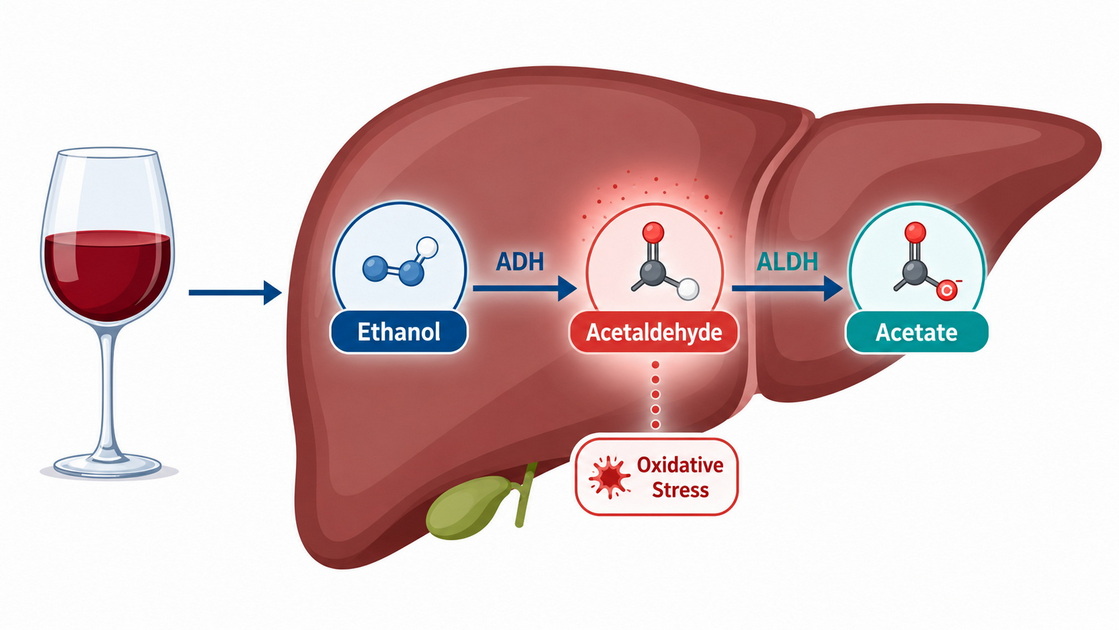
When alcohol is consumed, ethanol is first converted into acetaldehyde, a highly reactive and toxic intermediate. Acetaldehyde is then metabolized mainly by aldehyde dehydrogenase (ALDH) into acetate, which is further broken down into carbon dioxide and water. If alcohol intake is high or liver function is impaired, acetaldehyde accumulates and drives oxidative stress, inflammation, DNA damage, and mitochondrial dysfunction in hepatocytes. [sciencedirect]
From a functional ingredient perspective, focusing on "acetaldehyde metabolism acceleration" really means targeting three parallel strategies:
- Supporting ALDH activity and cofactor availability (e.g., NAD⁺ status).
- Reducing oxidative and inflammatory damage caused by acetaldehyde.
- Preserving hepatocyte viability and autophagy so that detox pathways remain efficient. [pmc.ncbi.nlm.nih]
Milk Thistle Extract: Expert Overview
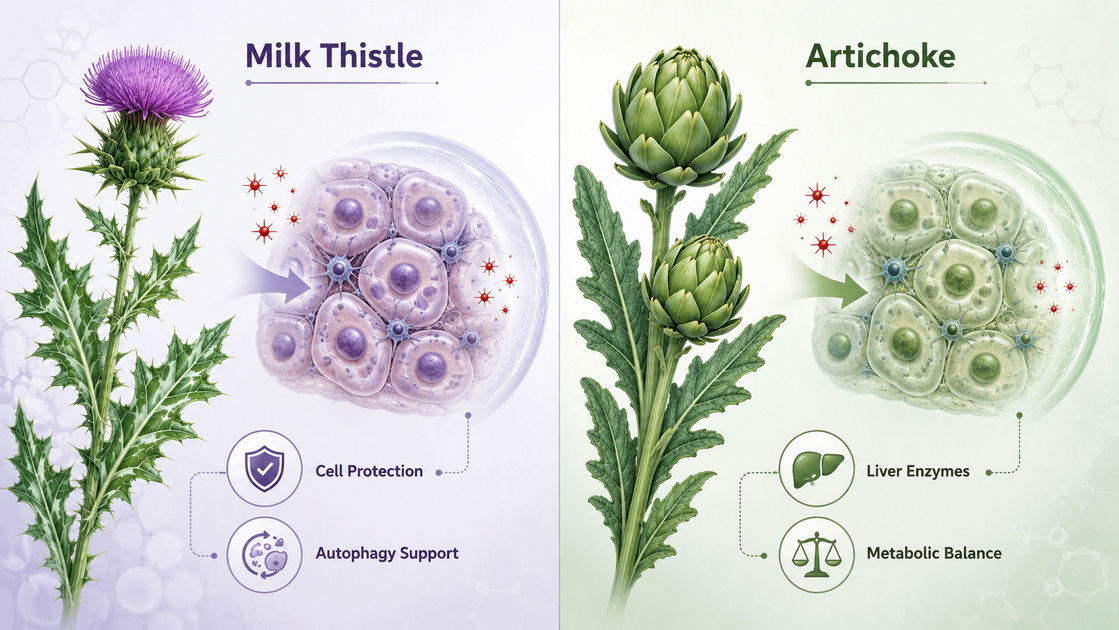
Milk thistle (Silybum marianum) seed extract is standardized to flavonolignans such as silibinin (silybin), silychristin and silydianin, collectively known as silymarin. Clinically and traditionally, milk thistle has been used for toxic liver injury, fatty liver disease, hepatitis, and cirrhosis, reflecting its broad hepatoprotective profile. [ncbi.nlm.nih]
Modern evidence shows that silibinin can protect primary hepatocytes against acetaldehyde‑induced injury in vitro, primarily by reducing apoptosis and enhancing autophagy‑mediated survival pathways. However, there is no robust clinical evidence that milk thistle directly accelerates acetaldehyde clearance or prevents hangovers in humans. As an industry practitioner, my view is that milk thistle should be positioned as a "hepatocyte integrity and resilience" tool rather than a direct acetaldehyde‑metabolism accelerator. [sciencefocus]
Artichoke Extract: Expert Overview
Artichoke (Cynara scolymus) leaf and edible part extracts are rich in caffeoylquinic acids (e.g., cynarin, chlorogenic acid) and flavonoids (e.g., luteolin derivatives). Preclinical models show that artichoke extract exerts significant preventive hepatoprotective effects against acute alcohol‑induced liver injury, improving antioxidant status and histological liver architecture. [scielo]
Clinical meta‑analyses and randomized controlled trials in non‑alcoholic fatty liver disease (NAFLD) indicate that artichoke leaf extract (ALE) significantly reduces ALT, AST, total cholesterol, LDL, and triglycerides, underscoring strong effects on liver enzymes and lipid metabolism. From an acetaldehyde perspective, artichoke extract contributes by maintaining global liver function and metabolic flexibility, which indirectly supports acetaldehyde detox capacity under repeated alcohol exposure. [pmc.ncbi.nlm.nih]
Core Mechanisms: Acetaldehyde Damage vs. Metabolism
Although neither ingredient has proven human data for directly speeding ALDH‑mediated acetaldehyde clearance, both influence key mechanistic nodes relevant to acetaldehyde stress. [pubmed.ncbi.nlm.nih]
Mechanistic Highlights
- Oxidative Stress Modulation
- Milk thistle: reduces reactive oxygen species and lipid peroxidation in hepatocytes, mitigating acetaldehyde‑triggered oxidative injury. [sciencedirect]
- Artichoke: increases total antioxidant capacity and protects liver tissue in alcohol and high‑fat diet models. [pmc.ncbi.nlm.nih]
- Apoptosis vs. Autophagy
- Milk thistle (silibinin): decreases caspase‑3 activation and sub‑G1 apoptotic cell populations while enhancing autophagy (LC3‑II conversion) in acetaldehyde‑treated hepatocytes, preserving cell viability. [sciencedirect]
- Artichoke: demonstrates anti‑apoptotic and cytoprotective effects at tissue level, reflected in improved histology and lower liver enzymes, though direct acetaldehyde models are less specific. [pmc.ncbi.nlm.nih]
- Metabolic & Enzymatic Indices
- Milk thistle: widely used for chronic liver conditions, but data on direct improvement of ALDH or acetaldehyde disposal in humans is lacking. [sciencefocus]
- Artichoke: improves ALT, AST, and lipid profile in NAFLD patients, indicating enhanced liver metabolic capacity and potential support for repeated detox loads. [pubmed.ncbi.nlm.nih]
Milk Thistle vs. Artichoke: Acetaldehyde‑Relevant Comparison
Functional Ingredient Comparison for Liver & Acetaldehyde Stress
| Aspect | Milk Thistle Extract | Artichoke Extract |
| Primary actives | Silymarin complex (silibinin, silychristin, etc.) ncbi.nlm.nih | Caffeoylquinic acids, luteolin‑type flavonoids pmc.ncbi.nlm.nih |
| Key claim domain | Chronic liver support, hepatocyte protection ncbi.nlm.nih | Hepatoprotection plus lipid & metabolic regulation pmc.ncbi.nlm.nih |
| Acetaldehyde model data | Direct in‑vitro acetaldehyde injury model; silibinin reduces apoptosis and enhances autophagy. sciencedirect | Acute alcohol and high‑fat diet models; protects liver structure and enzymes, but acetaldehyde is not always isolated. pmc.ncbi.nlm.nih |
| Evidence level for hangover / acetaldehyde clearance | No evidence for faster acetaldehyde clearance or hangover prevention in humans. sciencefocus | No direct data on acetaldehyde clearance; contribution is via better liver function and enzyme profiles. pmc.ncbi.nlm.nih |
| Clinical highlights | Used for toxic liver injury; data mixed, but safety profile generally acceptable. ncbi.nlm.nih | Five RCTs show significant reductions in ALT, AST and lipids in NAFLD patients. pubmed.ncbi.nlm.nih |
| Strategic positioning in products | "Cell‑level liver defense and resilience under oxidative and apoptotic stress." ncbi.nlm.nih | "Hepatometabolic optimizer improving enzymes, lipids, and global liver performance." pmc.ncbi.nlm.nih |
Personal & Expert Perspective: Positioning for Acetaldehyde Stress
From a personal user experience standpoint, consumers typically frame this topic as *"liver support when I drink"* or *"reducing next‑day discomfort"*, not as "acetaldehyde metabolism acceleration." In this context:
- Milk thistle extract is perceived as a trustworthy, traditional "liver shield" supplement that may help the liver cope better with repeated insults, but sophisticated users should be told clearly that it does not erase acetaldehyde nor guarantee fewer hangover symptoms. [ncbi.nlm.nih]
- Artichoke extract is often under‑recognized but offers tangible improvements in liver enzymes and metabolic markers, which is compelling for users who combine alcohol intake with metabolic risk factors (high fat diet, dyslipidemia). [pmc.ncbi.nlm.nih]
From an industry expert perspective, especially for a manufacturer like Botaniex that focuses on standardized botanical ingredients, the opportunity lies in transparent, mechanism‑driven claims:
- Frame the combination as "dual‑pathway support for acetaldehyde‑related liver stress":
- Milk thistle for hepatocyte survival, autophagy and anti‑apoptotic support under acetaldehyde challenge. [sciencedirect]
- Artichoke for systemic hepatometabolic performance (enzymes, lipids, overall liver function). [pubmed.ncbi.nlm.nih]
Practical Formulation Insights for Botaniex
Designing Formulas Around Acetaldehyde Stress
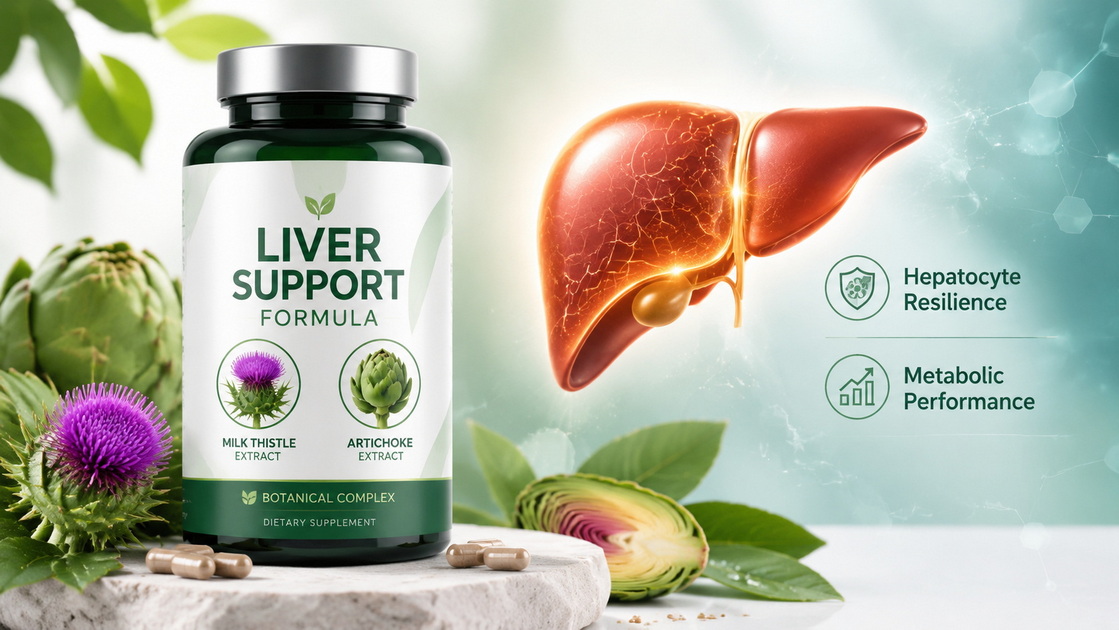
A milk thistle–centered primary product can be formulated as the core "cell‑protection engine", supported by artichoke extract as a comparator or synergistic co‑factor in multi‑ingredient blends. For global B2B customers in dietary supplements and functional beverages, I would recommend:
- Primary positioning (Milk Thistle Extract):
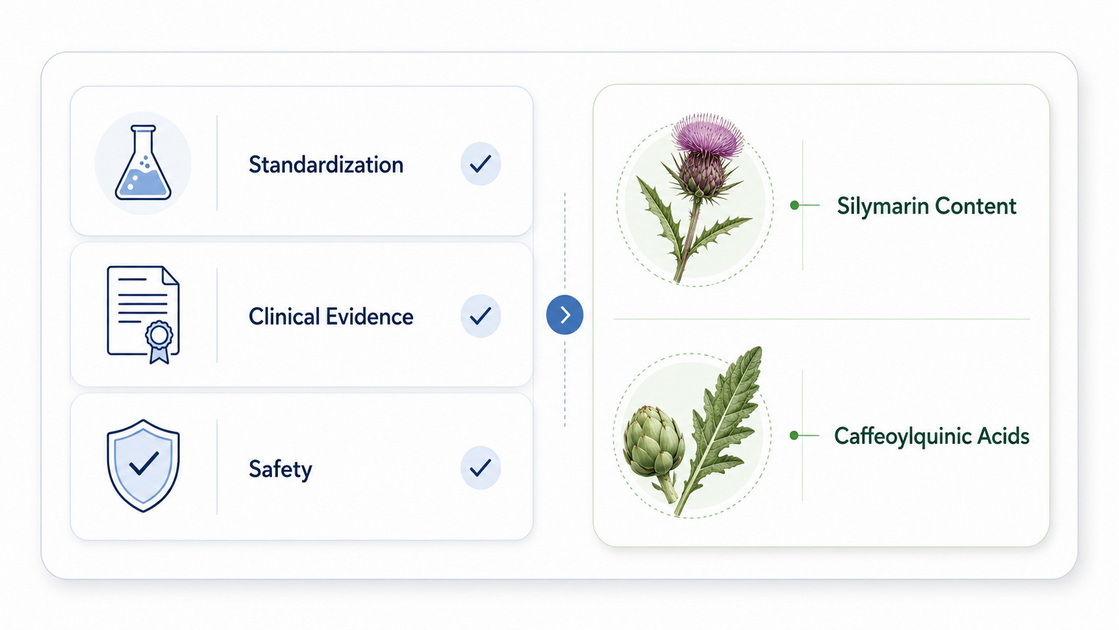
- Highlight standardized silymarin content and specify silibinin concentration for technical buyers. [ncbi.nlm.nih]
- Emphasize in‑vitro data showing protection against acetaldehyde‑induced apoptosis and promotion of autophagy. [sciencedirect]
- Secondary positioning (Artichoke Extract):
- Present randomized clinical trial meta‑analysis results on decreased ALT, AST, and lipids. [pubmed.ncbi.nlm.nih]
- Underline acute alcohol model data showing preventive liver protection. [pmc.ncbi.nlm.nih]
Example Use‑Case Scenarios
- Scenario 1 – Functional beverage for "liver support"
- Base: milk thistle extract (standardized silymarin) for hepatocyte protection.
- Support: artichoke extract for enzyme and lipid profile support in regular drinkers with metabolic risk.
- Scenario 2 – Complex dietary supplement for "metabolic liver health"
- Milk thistle as a defensive component under oxidative stress.
- Artichoke plus metabolic co‑ingredients (e.g., choline, inositol) for broader liver and lipid management.
Step‑By‑Step: Applying These Extracts Responsibly
Practical Steps for End‑Users
For educated consumers looking to support liver health under alcohol exposure:
1. Prioritize lifestyle: Limit alcohol intake, space drinks over time, eat before drinking, and stay hydrated—no supplement can fully offset excessive ethanol and acetaldehyde. [sciencefocus]
2. Choose evidence‑based liver support: Select products with clearly labeled milk thistle and artichoke extracts, standardized to defined actives and backed by references to preclinical or clinical research. [ncbi.nlm.nih]
3. Manage expectations: Understand that benefits focus on long‑term liver function and resilience, not instant elimination of acetaldehyde or guaranteed relief from hangovers. [sciencefocus]
Checklist for Healthcare & Industry Professionals
- Confirm standardization and dosage of milk thistle (e.g., silymarin percentage, silibinin content). [ncbi.nlm.nih]
- Review clinical trial data for artichoke leaf extract in NAFLD or other metabolic conditions when building claims. [pubmed.ncbi.nlm.nih]
- Integrate risk disclaimers about alcohol overuse, drug interactions, and the absence of evidence for "acetaldehyde metabolism acceleration" in humans. [sciencefocus]
Advanced Industry Insight: Data Gaps & Future Directions
From an R&D and regulatory standpoint, both extracts sit in a grey zone for the specific concept of "acetaldehyde metabolism acceleration":
- Existing models focus on cell viability and liver function markers, not on directly tracking acetaldehyde clearance in humans over time. [pmc.ncbi.nlm.nih]
- Ethics and practical constraints make controlled human high‑acetaldehyde exposure studies challenging, so most data come from animal models or in‑vitro hepatocyte systems. [pmc.ncbi.nlm.nih]
A high‑value path for a company like Botaniex would be to:
- Develop standardized, well‑characterized extracts with batch‑to‑batch consistency, then
- Partner with academic groups to design translational studies combining biomarkers of oxidative stress, autophagy, and liver enzymes under realistic alcohol exposure patterns. [pmc.ncbi.nlm.nih]
This approach strengthens E‑E‑A‑T (Experience, Expertise, Authoritativeness, Trustworthiness) by aligning commercial ingredient development with rigorous science and transparent communication.
CTA: From Science to Product Innovation
For brand‑aligned conversion, a strong CTA could be:
-If you're developing next‑generation liver‑support formulations, explore how standardized milk thistle and artichoke extracts from Botaniex can underpin evidence‑based, mechanism‑driven claims for acetaldehyde‑related liver stress. Connect with our technical team to discuss custom extraction profiles, targeted formulations, and regulatory‑ready documentation.
FAQs
Q1: Does milk thistle extract actually speed up acetaldehyde metabolism?
Current evidence shows milk thistle protects hepatocytes from acetaldehyde‑induced damage via anti‑apoptotic and pro‑autophagy effects, but it does not demonstrably accelerate acetaldehyde clearance in humans. [sciencedirect]
Q2: Is artichoke extract better than milk thistle for alcohol‑related liver stress?
Artichoke has stronger clinical data for improving liver enzymes and lipid profiles, while milk thistle has more focused in‑vitro data for acetaldehyde‑induced cellular injury; they are complementary rather than directly competitive. [pubmed.ncbi.nlm.nih]
Q3: Can combining milk thistle and artichoke fully prevent hangovers?
No. Both extracts support liver health, but there is no evidence that any combination can fully prevent hangovers or remove acetaldehyde instantly; lifestyle factors remain critical. [sciencefocus]
Q4: What should product developers prioritize when sourcing these extracts?
Focus on standardized active markers (silymarin, caffeoylquinic acids), validated assay methods, traceable supply chains, and clear documentation linking the extract profile to published data. [botaniex]
Q5: Are there safety concerns with long‑term use of milk thistle or artichoke extracts?
Both are generally considered safe at typical supplemental doses, but practitioners should consider potential interactions, contraindications, and mixed data sets (e.g., tumor models for silibinin) when designing long‑term protocols. [ncbi.nlm.nih]
References
1. StatPearls – Milk Thistle – NCBI Bookshelf.
https://www.ncbi.nlm.nih.gov/books/NBK541075/ [ncbi.nlm.nih]
2. Effect of silibinin on ethanol- or acetaldehyde-induced damage of mouse primary hepatocytes in vitro – ScienceDirect.
https://www.sciencedirect.com/science/article/abs/pii/S0887233320305993 [sciencedirect]
3. BBC Science Focus – Does milk thistle cure hangovers?
https://www.sciencefocus.com/the-human-body/does-milk-thistle-can-cure-hangovers [sciencefocus]
4. Protective Effects of Ethanolic Extracts from Artichoke – PMC.
https://pmc.ncbi.nlm.nih.gov/articles/PMC5622760/ [pmc.ncbi.nlm.nih]
5. LC-MS/MS Analysis and Hepatoprotective Activity of Artichoke Edible Parts – SciELO.
https://www.scielo.br/j/rbfar/a/KxKfp45BrbbtDmvgBXDCT4B/ [scielo]
6. LC-MS/MS Analysis and Hepatoprotective Activity of Cynara scolymus L. – Brazilian Journal of Pharmaceutical Sciences.
https://www.scielo.br/j/bjps/a/Rb3sbMjFx9cgWktqWDWDPQf/ [pmc.ncbi.nlm.nih]
7. Therapeutic Potential of Artichoke in the Treatment of Fatty Liver – PubMed.
https://pubmed.ncbi.nlm.nih.gov/35763310/ [pubmed.ncbi.nlm.nih]
8. Silibinin (Milk Thistle) potentiates ethanol-dependent hepatocellular carcinoma progression in male mice – PMC.
https://www.ncbi.nlm.nih.gov/pmc/articles/PMC3449310/ [ncbi.nlm.nih]
9. Botaniex corporate site – Botanical extracts and functional herbal formulations.
https://www.botaniex.com [botaniex]
10. Botaniex – Manufacturer of Green Tea Extract, Tongkat Ali, etc.
https://www.botaniextract.com [botaniextract]