Content Menu
● Apple Extract vs. Mulberry Leaf Extract: Which Better Accelerates Acetaldehyde Metabolism?
● Understanding Acetaldehyde and Why It Matters
● Botaniex's Perspective: Botanical Science Meets Product Innovation
● Apple Extract Overview: Polyphenol-Rich Antioxidant Platform
>> Key Phytochemicals in Apple Extract
>> Evidence Linking Apple Components to Aldehyde and Alcohol Metabolism
● Mulberry Leaf Extract Overview: Targeted Support for Ethanol and Acetaldehyde
>> Bioactive Profile of Mulberry Leaf Extract
>> Evidence for Mulberry Leaf and Acetaldehyde-Related Pathways
● Direct Comparison: Apple Extract vs. Mulberry Leaf Extract for Acetaldehyde Metabolism
>> Mechanisms and Evidence at a Glance
● Practical Formulation Strategies for Acetaldehyde Metabolism
>> When to Lead with Apple Extract
>> When to Lead with Mulberry Leaf Extract
● Expert Insight: Combined Use for Synergistic Support
● Step-by-Step Framework for Product Developers
>> 1. Define the Regulatory and Market Context
>> 2. Choose the Core Botanical Strategy
>> 3. Optimize Dosage and Standardization
>> 4. Validate Sensory and Stability
● Latest Trends and Case-Type Insights
>> Trend 1 – Acetaldehyde and "Next-Day" Recovery Products
>> Trend 2 – Clean-Label Liver Health with Familiar Fruits
● Clear Call-to-Action for B2B Decision-Makers
● Frequently Asked Questions (FAQ)
>> 1. Is mulberry leaf extract proven to accelerate acetaldehyde metabolism?
>> 2. Does apple extract directly reduce acetaldehyde levels?
>> 3. Can Apple Extract and Mulberry Leaf Extract be combined in one formula?
>> 4. Are there regulatory challenges with positioning these extracts for hangover or alcohol support?
>> 5. How should brands select a supplier for apple and mulberry leaf extracts?
● References
Apple extract and mulberry leaf extract both influence acetaldehyde metabolism, but they appear to do so through different bioactive profiles and mechanisms, making them suitable for different product strategies in dietary supplements, functional foods, and liver-health formulations. [pubmed.ncbi.nlm.nih]
Apple Extract vs. Mulberry Leaf Extract: Which Better Accelerates Acetaldehyde Metabolism?
Acetaldehyde is a highly reactive and toxic metabolite produced during ethanol metabolism and various oxidative processes, and its accumulation is closely linked to hangover symptoms, liver stress, and cellular damage. For formulators in the dietary supplement, functional beverage, and pharmaceutical sectors, choosing between apple extract and mulberry leaf extract as a botanical tool to address acetaldehyde metabolism is a strategic decision that affects both efficacy and market positioning. [pmc.ncbi.nlm.nih]
In this article, we compare Apple Extract (primary product) and Mulberry Leaf Extract (comparator) through the lens of acetaldehyde metabolism acceleration, combining scientific evidence, industry use cases, and expert-level formulation insights.
Understanding Acetaldehyde and Why It Matters
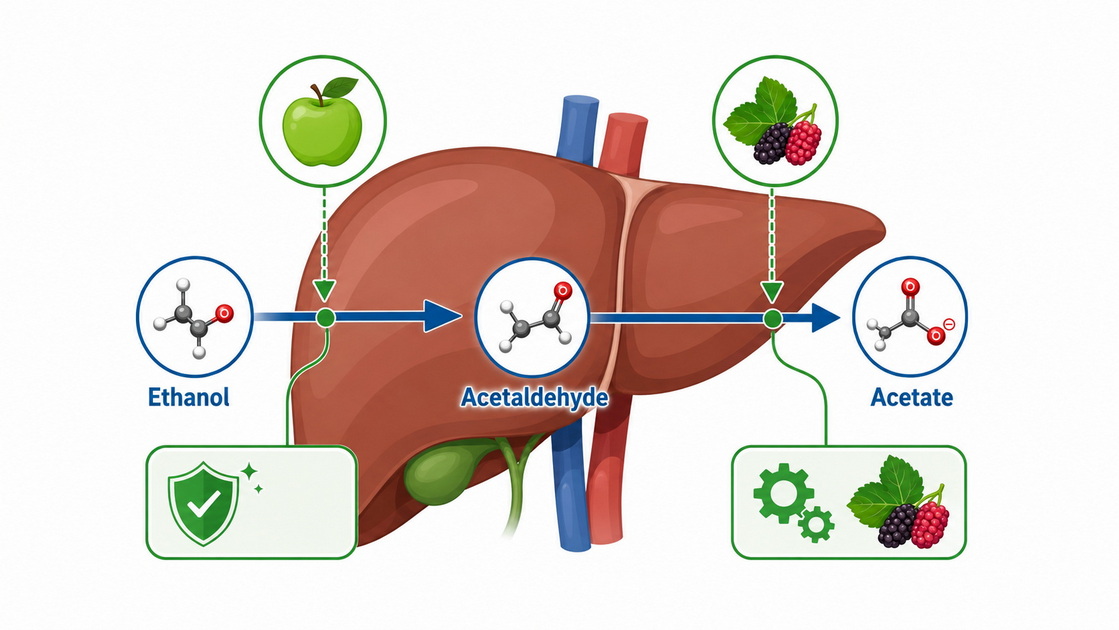
Acetaldehyde is formed primarily when the liver metabolizes ethanol via alcohol dehydrogenase (ADH), which converts ethanol into acetaldehyde, and then aldehyde dehydrogenase (ALDH) further oxidizes acetaldehyde to acetate. When acetaldehyde clearance is impaired, it can bind to proteins and DNA, promote oxidative stress, and contribute to symptoms such as headaches, flushing, and nausea. [blog.whitelabs]
From a formulation and regulatory standpoint, reducing acetaldehyde burden is associated with:
- Supporting liver health and detoxification claims.
- Improving post-alcohol recovery or "next-day" comfort.
- Enhancing consumer-perceived wellness in functional beverages and supplements.
In this context, botanical ingredients like apple extract and mulberry leaf extract are attractive because they provide multi-targeted phytochemicals with antioxidant and enzyme-modulating activities. [pubmed.ncbi.nlm.nih]
Botaniex's Perspective: Botanical Science Meets Product Innovation
As an innovative manufacturer of botanical extracts and herbal formulations, Botaniex provides standardized apple and mulberry leaf extracts tailored to the needs of global brands in the dietary supplement, functional food, and cosmetic industries. With strong R&D capabilities in botanical science, extraction technologies, and custom formulation, Botaniex can help product developers design evidence-informed ingredient systems specifically aimed at supporting ethanol and acetaldehyde metabolism. [shippingonline]
From an industry-expert viewpoint, the choice is rarely binary: apple and mulberry can be used independently or in synergistic combinations, depending on the target market, regional regulatory framework, and desired sensory or branding profile.
Apple Extract Overview: Polyphenol-Rich Antioxidant Platform
Key Phytochemicals in Apple Extract
Apples contain a wide spectrum of phytochemicals, including flavonoids (quercetin, catechin, epicatechin), phenolic acids (chlorogenic acid), and procyanidins, many of which display strong antioxidant and anti-inflammatory activity. These compounds can neutralize reactive oxygen species, modulate cellular signaling, and support vascular and metabolic health. [journal.pan.olsztyn]
For ingredient manufacturers, apple extract is typically standardized based on total polyphenols or specific markers such as phloridzin or quercetin derivatives, enabling consistent performance and labeling for finished products.
Evidence Linking Apple Components to Aldehyde and Alcohol Metabolism
Direct clinical data on apple extract specifically accelerating acetaldehyde clearance are limited; however, related research sheds light on its potential roles:
- Studies on fruit juices show that certain fruits can modulate ethanol and acetaldehyde levels in blood, partly through effects on hepatic enzymes and antioxidant status. [pmc.ncbi.nlm.nih]
- Apple phytochemicals demonstrate robust antioxidant capacity, which can indirectly support ALDH activity and protect hepatocytes from aldehyde-induced oxidative damage. [pmc.ncbi.nlm.nih]
While apples themselves may not be the most potent known modulator of acetaldehyde, the polyphenol matrix provides a foundational antioxidant platform in formulations aimed at ethanol metabolism and liver support. [journal.pan.olsztyn]
Mulberry Leaf Extract Overview: Targeted Support for Ethanol and Acetaldehyde
Bioactive Profile of Mulberry Leaf Extract
Mulberry leaves contain flavonoids, phenolic acids, and unique alkaloids (such as 1-deoxynojirimycin, DNJ) that have been widely studied for glucose metabolism and lipid regulation. These same components also confer hepatoprotective and anti-oxidative effects, making mulberry leaf extract particularly interesting for alcohol-related liver stress. [onlinelibrary.wiley]
Standardized mulberry leaf extracts often emphasize total flavonoids or DNJ content, offering a clear differentiation point for brands targeting both metabolic health and liver function.
Evidence for Mulberry Leaf and Acetaldehyde-Related Pathways
Several preclinical studies have examined mulberry leaf extract (MLE) in the context of alcohol-induced liver damage:
- In an acute alcohol model, MLE ameliorated alcohol-induced liver damage, reduced acetaldehyde toxicity, and modulated ALDH activity in a dose-dependent way. [pubmed.ncbi.nlm.nih]
- An aqueous mulberry leaf extract (AME) was shown to improve alcoholic liver injury by upregulating ethanol-metabolizing enzymes and suppressing hepatic inflammation and lipogenesis. [onlinelibrary.wiley]
- Patent literature suggests combinations including mulberry leaf extracts for prevention of sickness and hangover, indirectly supporting a functional role in acetaldehyde handling. [patents.google]
Taken together, these data position mulberry leaf extract as a more directly studied candidate for moderating acetaldehyde toxicity and supporting ethanol metabolism. [patents.google]
Direct Comparison: Apple Extract vs. Mulberry Leaf Extract for Acetaldehyde Metabolism
Mechanisms and Evidence at a Glance
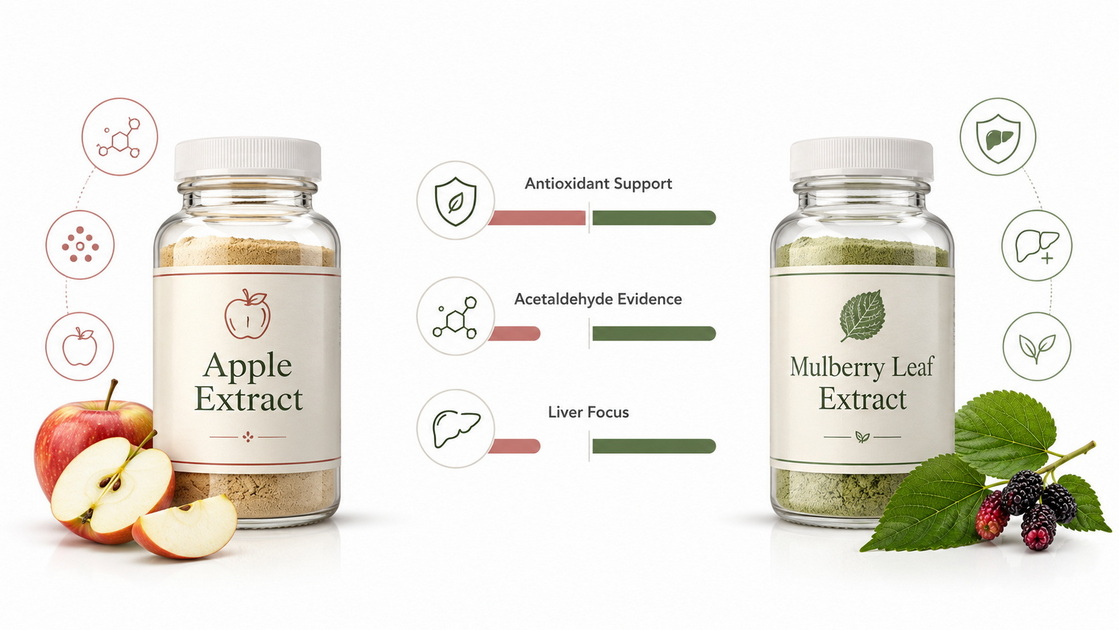
Below is a high-level comparison table summarizing how each extract relates to acetaldehyde metabolism acceleration and related outcomes.
Table: Apple Extract vs. Mulberry Leaf Extract for Acetaldehyde-Related Applications
| Dimension | Apple Extract | Mulberry Leaf Extract |
| Primary bioactives | Polyphenols (quercetin, catechin, procyanidins) pmc.ncbi.nlm.nih | Flavonoids, phenolic acids, DNJ and related alkaloids pubmed.ncbi.nlm.nih |
| Main documented effects | Strong antioxidant activity, general hepatoprotection potential pmc.ncbi.nlm.nih | Hepatoprotection, modulation of ethanol-metabolizing enzymes, reduced acetaldehyde toxicity pubmed.ncbi.nlm.nih |
| Direct evidence on acetaldehyde | Indirect; supports antioxidant defense and possibly ALDH-friendly environment pmc.ncbi.nlm.nih | Direct preclinical evidence of reduced acetaldehyde toxicity and improved ethanol metabolism pubmed.ncbi.nlm.nih |
| Traditional positioning | Cardiometabolic health, antioxidant support, wellness beverages pmc.ncbi.nlm.nih | Liver health, metabolic support, anti-hangover and alcohol-related formulations pubmed.ncbi.nlm.nih |
| Formulation advantages | Familiar flavor and consumer-friendly "apple" positioning; strong antioxidant story pmc.ncbi.nlm.nih | More specialized positioning for liver and alcohol metabolism; differentiating botanical story pubmed.ncbi.nlm.nih |
From an acetaldehyde metabolism standpoint, mulberry leaf extract currently offers more direct mechanistic evidence, while apple extract serves as a broad-spectrum antioxidant support within comprehensive liver or detox formulations. [pmc.ncbi.nlm.nih]
Practical Formulation Strategies for Acetaldehyde Metabolism
When to Lead with Apple Extract
Formulators may choose apple extract as the primary ingredient when:
- The product is positioned as a general wellness or functional beverage with a strong natural antioxidant narrative.
- The brand wants a recognizable flavor profile and consumer-friendly story (e.g., "powered by apple polyphenols"). [sciencedirect]
- The regulatory environment favors milder, antioxidant-oriented claims rather than explicit alcohol-related claims.
Example application concepts:
- Ready-to-drink functional teas or juices enhanced with apple polyphenols for everyday detox support.
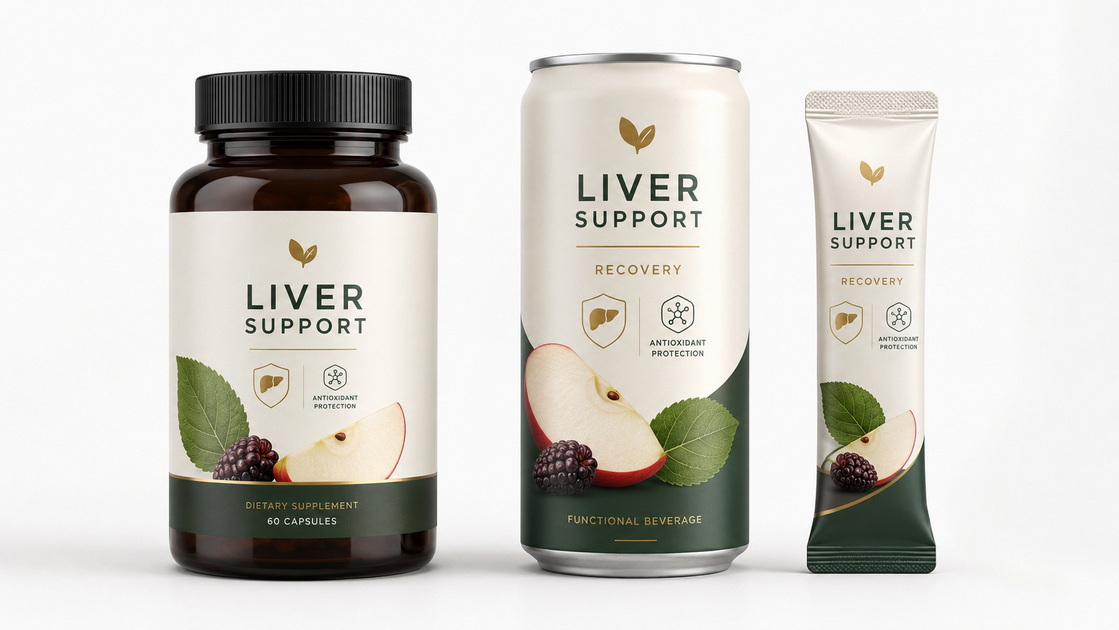
- Capsules or tablets combining apple extract with vitamins (e.g., vitamin C) for daily antioxidant and liver support.
When to Lead with Mulberry Leaf Extract
Mulberry leaf extract is particularly suitable as a hero ingredient where:
- The product explicitly targets alcohol-induced oxidative stress or liver health, subject to local regulatory claim frameworks. [onlinelibrary.wiley]
- The brand needs a science-backed story about ethanol metabolism and acetaldehyde toxicity reduction.
- The target demographic is interested in hangover support, liver protection, or multi-functional metabolic support (glucose plus liver).
Example application concepts:
- Liver health capsules containing mulberry leaf extract standardized to flavonoid content, paired with choline and other hepatoprotective nutrients. [pubmed.ncbi.nlm.nih]
- Night-time recovery shots combining mulberry leaf extract with amino acids and electrolytes as part of an after-alcohol routine.
Expert Insight: Combined Use for Synergistic Support
From a formulation scientist's perspective, apple and mulberry leaf extracts are complementary rather than mutually exclusive, especially when the goal is to accelerate acetaldehyde metabolism while protecting liver cells from oxidative damage. [pmc.ncbi.nlm.nih]
A combined strategy might include:
1. Mulberry leaf extract as a targeted agent to modulate ethanol-metabolizing enzymes and reduce acetaldehyde-related toxicity. [onlinelibrary.wiley]
2. Apple extract as an antioxidant backbone to buffer oxidative stress, support vascular function, and enhance overall wellness appeal. [journal.pan.olsztyn]
For B2B customers, Botaniex can support custom ratios, standardized marker profiles, and application-specific excipient choices to optimize bioavailability and sensory profiles. [botaniex]
Step-by-Step Framework for Product Developers
1. Define the Regulatory and Market Context
- Clarify target claims: Are you allowed to reference alcohol metabolism, liver function, or only general detox and antioxidant support in your jurisdiction?
- Assess brand positioning: Premium liver health, mainstream wellness beverage, or niche recovery/hangover support.
- Identify format constraints: Capsules, tablets, RTD drinks, stick packs, or gummies.
2. Choose the Core Botanical Strategy
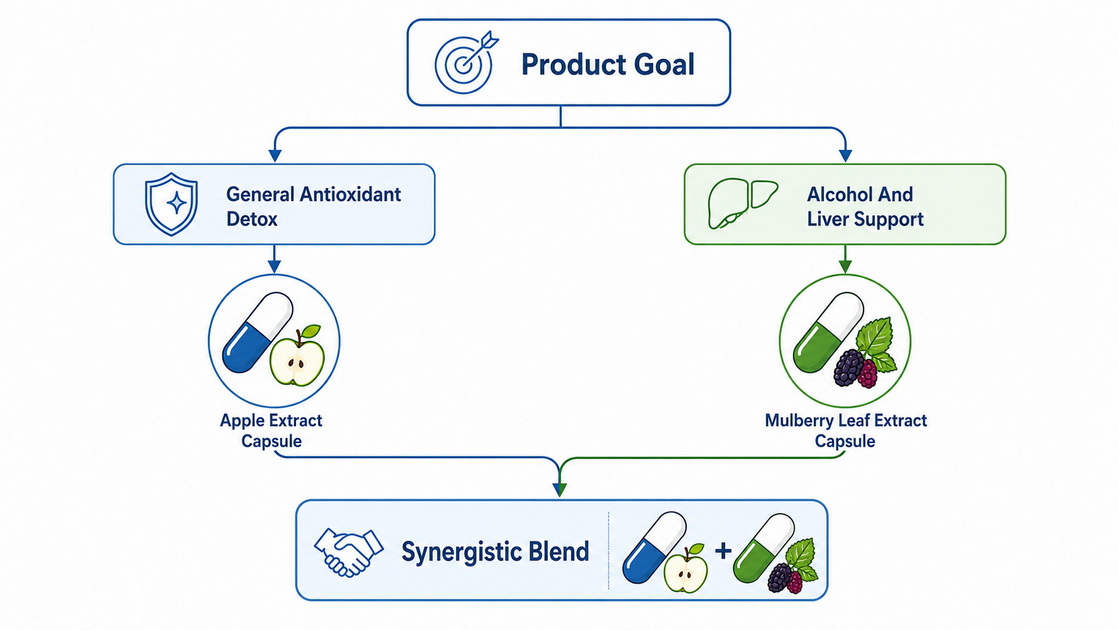
Use this decision flow as a simplified guide:
1. If your primary focus is evidence-backed support for ethanol and acetaldehyde metabolism, prioritize mulberry leaf extract at clinically relevant equivalence doses from the literature. [pubmed.ncbi.nlm.nih]
2. If your main focus is daily antioxidant and detox support with a gentle, familiar positioning, start with apple extract as the core botanical. [pmc.ncbi.nlm.nih]
3. For hybrid products (e.g., daily liver support with occasional alcohol relevance), design a multi-botanical matrix combining mulberry leaf and apple extracts.
3. Optimize Dosage and Standardization
- Work with standardized apple extracts (e.g., polyphenols ≥ X%) to maintain consistency and ensure label compliance. [journal.pan.olsztyn]
- Select mulberry leaf extracts standardized for flavonoid or DNJ content, aligned with the preclinical evidence. [onlinelibrary.wiley]
- Incorporate supportive nutrients (e.g., B-vitamins, zinc) where permitted, as these are also involved in alcohol and aldehyde metabolism. [blog.whitelabs]
4. Validate Sensory and Stability
- In beverages, apple extract may contribute mild flavor and color, which can be leveraged as part of the product story. [sciencedirect]
- Mulberry leaf extract may require careful flavor masking or pairing (e.g., with citrus or herbal notes) depending on concentration and matrix.
Latest Trends and Case-Type Insights
Trend 1 – Acetaldehyde and "Next-Day" Recovery Products
Growing consumer awareness of acetaldehyde's role in hangovers and fatigue is driving interest in botanical "recovery" formulas that go beyond simple electrolytes. Mulberry leaf extract fits well into this trend, especially in markets where preclinical data and traditional use can be highlighted in educational content. [blog.whitelabs]
Trend 2 – Clean-Label Liver Health with Familiar Fruits
Consumers increasingly prefer clean-label, plant-based solutions with recognizable ingredients such as apple, making apple extract a strong candidate for mainstream liver and detox products that avoid "pharmaceutical" imagery. Combining apple with mulberry leaf allows brands to bridge familiarity and scientific depth in a single formula. [journal.pan.olsztyn]
Clear Call-to-Action for B2B Decision-Makers
If you are a dietary supplement brand, functional beverage innovator, or pharmaceutical formulator, you can:
- Reach out to Botaniex's formulation team to explore standardized apple and mulberry leaf extracts tailored to your application and regulatory needs. [botaniex]
- Request technical dossiers, sample specifications, and prototype formulas focused on acetaldehyde metabolism support and liver health.
- Co-develop custom blends that combine mulberry leaf's ethanol-metabolism benefits with apple extract's antioxidant and branding advantages.
A strong next step is to schedule a technical consultation to align dosage, standardization, and claims strategy with your target market and regulatory framework.
Frequently Asked Questions (FAQ)
1. Is mulberry leaf extract proven to accelerate acetaldehyde metabolism?
Preclinical studies indicate that mulberry leaf extracts ameliorate alcohol-induced liver damage, reduce acetaldehyde toxicity, and are associated with upregulation of ethanol-metabolizing enzymes. While human clinical data remain limited, these findings support its use as a targeted botanical in formulations aimed at acetaldehyde-related pathways. [pubmed.ncbi.nlm.nih]
2. Does apple extract directly reduce acetaldehyde levels?
Current evidence suggests that apple extract primarily provides antioxidant and hepatoprotective support rather than directly lowering acetaldehyde levels. By maintaining redox balance and supporting cellular resilience, it may indirectly assist enzymes involved in aldehyde detoxification. [pmc.ncbi.nlm.nih]
3. Can Apple Extract and Mulberry Leaf Extract be combined in one formula?
Yes, from a formulation standpoint, combining apple extract and mulberry leaf extract can yield synergistic benefits, pairing mulberry's alcohol-metabolism relevance with apple's broad antioxidant and consumer-friendly profile. Many brands use multi-botanical matrices to balance efficacy, storytelling, and sensory experience. [pmc.ncbi.nlm.nih]
4. Are there regulatory challenges with positioning these extracts for hangover or alcohol support?
Regulations vary widely across markets, and in many regions explicit "hangover cure" claims are restricted. Product developers often focus instead on compliant claims such as liver health, antioxidant support, or metabolic wellness, while using educational content to explain acetaldehyde-related mechanisms. [patents.google]
5. How should brands select a supplier for apple and mulberry leaf extracts?
Key criteria include standardization consistency, quality certifications (e.g., ISO, HACCP), and access to technical support for formulation and regulatory alignment. Suppliers like Botaniex combine long-term manufacturing expertise with R&D capability, enabling co-development of customized solutions for specific markets and applications. [botaniex.en.made-in-china]
References
1. Escarpment Labs. "Acetaldehyde: How To Prevent That Green Apple Off-Flavour." Available at:
https://escarpmentlabs.com/blogs/resources/acetaldehyde-how-to-prevent-that-green-apple-off-flavour [escarpmentlabs]
2. White Labs. "Compound Spotlight: Acetaldehyde." Available at:
https://blog.whitelabs.com/compound-spotlight-acetaldehyde [blog.whitelabs]
3. Mulberry leaves extract ameliorates alcohol-induced liver damages through reduction of acetaldehyde toxicity and inhibition of apoptosis. PubMed.
https://pubmed.ncbi.nlm.nih.gov/33390773 [pubmed.ncbi.nlm.nih]
4. Aqueous Mulberry Leaf Extract Ameliorates Alcoholic Liver Injury. Wiley.
https://onlinelibrary.wiley.com/doi/10.1155/2021/6658422 [onlinelibrary.wiley]
5. Boyer, J., & Liu, R. "Apple phytochemicals and their health benefits." Nutrition Journal.
https://pmc.ncbi.nlm.nih.gov/articles/PMC442131 [pmc.ncbi.nlm.nih]
6. "Effects of 20 Selected Fruits on Ethanol Metabolism."
https://pmc.ncbi.nlm.nih.gov/articles/PMC4847061 [pmc.ncbi.nlm.nih]
7. "Phenolic Compounds from Apples: Reviewing their Health Benefits."
https://journal.pan.olsztyn.pl/pdf-127635-59912?filename=59912.pdf [journal.pan.olsztyn]
8. JP2002193823A – Sickness and hangover prevention.
https://patents.google.com/patent/JP2002193823A/en [patents.google]
9. Botaniex official website – Company and products.
https://www.botaniex.com [botaniex]
10. Botaniex profile on Made-in-China and related directories.
https://botaniex.en.made-in-china.com [botaniex.en.made-in-china]
https://www.made-in-china.com/showroom/botaniexbiotech [made-in-china]
11. Botaniex value-added services and company information.
https://www.botaniex.com/value-added-services.html [botaniex]
http://www.shippingonline.cn/Yellowpages/temp1/about_us.asp?solid=dbllfji [shippingonline]