Content Menu
● Apple Extract vs. Sea Buckthorn Extract: A Quick Comparison
● Understanding Stress Relief Before Comparing Botanical Extracts
>> Psychological Stress Is Not Oxidative Stress
>> Where the Gut–Brain Axis Fits
● Apple Extract: Polyphenols, Stress Research, and Digestive Relevance
>> What Makes Apple Extract Distinctive?
>> What Does Stress-Related Research Show?
>> How Does Apple Extract Relate to Protein Digestion?
● Sea Buckthorn Extract: Composition Matters More Than the Name
>> Fruit Extract, Leaf Extract, and Oil Are Different Materials
>> What Does Digestive Research Actually Establish?
>> Can Sea Buckthorn Support Stress Relief?
● Protein Digestion: Why More Polyphenols Are Not Automatically Better
>> Botanical Extracts Are Not Digestive Enzymes
>> Protein Binding Can Change the Finished Formula
● Expert Insight: Use an Evidence Ladder, Not an Ingredient Popularity Contest
● Practical Development Workflow for Stress and Protein Nutrition Products
>> Step 1: Define One Primary Outcome
>> Step 2: Specify the Ingredient Precisely
>> Step 3: Test the Actual Protein Matrix
>> Step 4: Match the Claim to the Result
● Industry Scenario: Developing a Plant-Protein Wellness Beverage
● Safety, Transparency, and Responsible Product Communication
● Frequently Asked Questions
>> Is apple extract better than sea buckthorn extract for stress relief?
>> Does apple extract improve protein digestion?
>> Does sea buckthorn extract contain digestive enzymes?
>> Can apple extract and sea buckthorn extract be combined?
>> What is the best dose for stress-related protein digestion?
>> Is sea buckthorn oil equivalent to sea buckthorn fruit extract?
● Turn Botanical Potential Into a Testable Product Concept
Apple extract vs. sea buckthorn extract: which ingredient offers a stronger foundation for stress relief and protein digestion? Neither currently has convincing evidence establishing it as a treatment for psychological stress or an enhancer of human protein digestion. However, their botanical profiles create different opportunities for evidence-led product development. Understanding those differences helps consumers avoid exaggerated promises and helps formulators choose ingredients for the right reasons.
For Botaniex, a manufacturer and supplier specializing in botanical extracts and customized ingredient solutions, this comparison is particularly relevant to supplement, functional food, and beverage development.
My formulation-first perspective is straightforward: start with the intended benefit, identify the extract precisely, and test it in the finished product. A compelling botanical story should support—not substitute for—measurable performance.
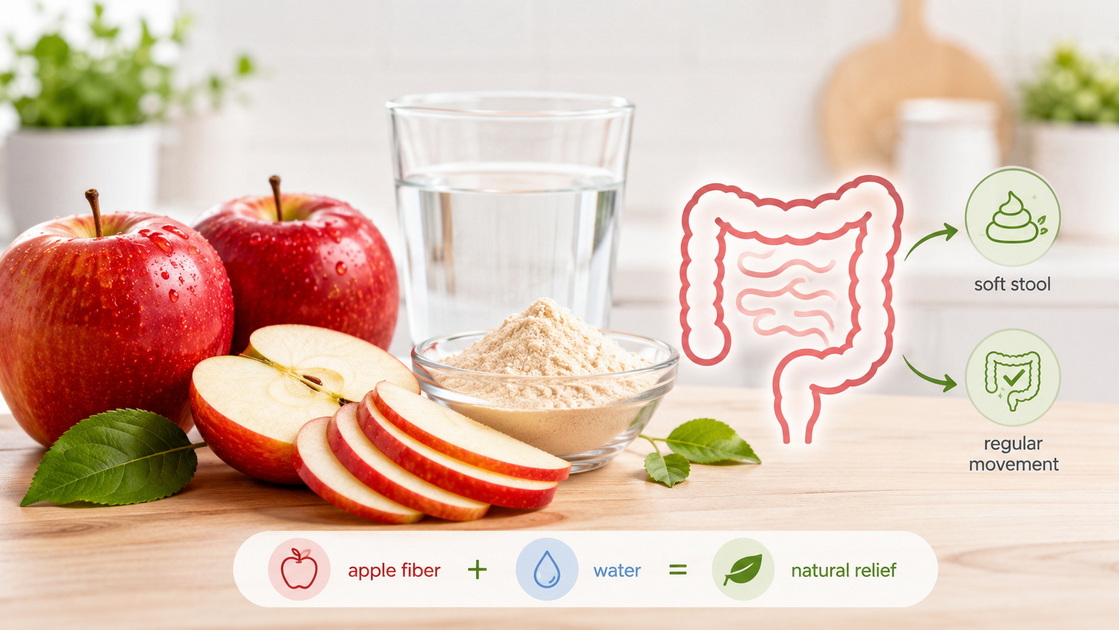
Apple Extract vs. Sea Buckthorn Extract: A Quick Comparison
Apple extract and sea buckthorn extract are ingredient categories, not uniform substances. Plant part, extraction method, and standardization determine what a particular material contains. Research on one preparation cannot automatically substantiate another.
| Comparison factor | Apple extract | Sea buckthorn extract |
| Common research focus | Apple polyphenols and their metabolites | Flavonoids, carotenoids, lipids, and other constituents |
| Important composition question | Which polyphenols are present, and at what concentrations? | Is the material fruit, leaf, seed, pulp oil, or another preparation? |
| Stress-related evidence | Mechanistic and animal research; limited grounds for stress-relief claims | Mechanistic research; insufficient grounds for confident psychological stress-relief claims |
| Protein digestion | Polyphenol–protein interactions warrant testing | Effects depend on composition; digestive claims require preparation-specific evidence |
| Formulation priority | Verify the polyphenol profile and protein compatibility | Define the botanical fraction before choosing the delivery system |
These distinctions reflect apple research, sea buckthorn composition reviews, and broader evidence on polyphenol–protein interactions—not a clinical head-to-head comparison.
Understanding Stress Relief Before Comparing Botanical Extracts
Psychological Stress Is Not Oxidative Stress
Psychological stress concerns how people experience and respond to challenges. Oxidative stress concerns an imbalance involving oxidants and biological defenses. Although these processes can interact, antioxidant activity does not by itself demonstrate that an ingredient makes people feel calmer.
This distinction matters in botanical marketing. A laboratory antioxidant assay cannot establish reduced anxiety, improved resilience, or lower perceived stress.
A systematic review examining dietary polyphenols and stress or anxiety included 38 eligible articles. Its authors concluded that evidence remained very limited for determining the real effects of dietary polyphenols on stress. That broader literature cannot establish efficacy for a specific apple or sea buckthorn ingredient.
Where the Gut–Brain Axis Fits
The gut–brain axis describes bidirectional communication between the gastrointestinal system and the brain. Stress can influence gastrointestinal function, while intestinal processes can participate in signaling relevant to brain function.
That relationship provides a research rationale, not a shortcut to a product claim. A study showing altered intestinal inflammation does not automatically prove better mood. Likewise, improved bowel regularity does not demonstrate enhanced protein digestion.
Apple Extract: Polyphenols, Stress Research, and Digestive Relevance
What Makes Apple Extract Distinctive?
Apple polyphenol preparations can contain procyanidins and other phenolic compounds. Their composition and biological availability vary, making the precise extract specification more useful than the general phrase "apple extract."
Whole apples, apple juice, and concentrated apple extracts should not be treated as interchangeable interventions. Their matrices and concentrations differ, and results from one form may not transfer to another.
For ingredient buyers, my first question would therefore be: "Which preparation matches the research we intend to discuss?"
What Does Stress-Related Research Show?
A 2025 study investigated apple polyphenol extract, time-restricted feeding, and their combination in male mice with experimentally induced colitis. Researchers reported improvements in intestinal disease measures and associated anxiety- and depression-like behaviors.
The study offers a useful gut–brain research direction. However, it involved an animal disease model—not otherwise healthy adults experiencing everyday stress. It cannot establish a human stress-relief dose or justify presenting apple extract as an anxiety treatment.
How Does Apple Extract Relate to Protein Digestion?
Apple polyphenols can interact with proteins. A study specifically examined complexes between apple polyphenols and salivary proteins during digestion, illustrating that these ingredients participate in a changing food matrix rather than remaining chemically isolated.
The practical implication is not that apple extract necessarily improves—or harms—protein digestion. It is that compatibility deserves investigation when the extract is added to a protein beverage, powder, or meal replacement.
Sea Buckthorn Extract: Composition Matters More Than the Name
Fruit Extract, Leaf Extract, and Oil Are Different Materials
Sea buckthorn, *Hippophae rhamnoides*, supplies several distinct ingredient types. Fruits and juices contain compounds including vitamin C, organic acids, carotenoids, and flavonoids. Leaves have their own phenolic profiles, while seed and pulp oils contain different lipid-associated constituents.
Even the oils differ. Seed oil is characterized by substantial polyunsaturated fatty acids, whereas pulp oil is particularly associated with palmitoleic acid and carotenoids. Consequently, "sea buckthorn extract" is too imprecise for meaningful technical comparison.
A fruit polyphenol extract should not inherit evidence generated with seed oil simply because both originate from the same plant.
What Does Digestive Research Actually Establish?
A review of sea buckthorn research discusses clinical investigations involving digestive conditions, including dyspepsia. However, the authors also identify limited study numbers, inconsistent methodological quality, and weaknesses such as inadequate blinding.
These findings justify further investigation, not sweeping digestive-health promises. Different preparations, combination treatments, and study populations complicate interpretation.
Most importantly, relief of digestive symptoms is not equivalent to improved dietary protein breakdown or amino acid absorption.
Can Sea Buckthorn Support Stress Relief?
Sea buckthorn's bioactive constituents provide a basis for investigating antioxidant and inflammation-related pathways. Nevertheless, mechanistic potential should remain separate from demonstrated psychological outcomes.
The evidence reviewed here does not support confidently ranking sea buckthorn above apple extract for human stress relief. A credible comparison must acknowledge that uncertainty rather than manufacture a winner.
Protein Digestion: Why More Polyphenols Are Not Automatically Better
Botanical Extracts Are Not Digestive Enzymes
Polyphenol-rich apple and sea buckthorn preparations should not be presented as substitutes for proteolytic enzymes. Research shows that polyphenols can interact with digestive enzymes, including pepsin, trypsin, and chymotrypsin, sometimes inhibiting their activity under laboratory conditions.
That does not prove a finished supplement impairs human digestion. Laboratory concentration, pH, protein type, and processing conditions all influence the outcome. Equally, it prevents a responsible writer from assuming that antioxidant-rich ingredients necessarily enhance protein breakdown.
Protein Binding Can Change the Finished Formula
Protein–polyphenol interactions can produce soluble or insoluble complexes and affect both components' behavior. Their consequences depend on the particular protein, polyphenol, and surrounding conditions.
For a high-protein beverage, this creates two separate development questions:
- Does the botanical change physical performance, such as solubility or sedimentation?
- Does it change protein accessibility during simulated digestion?
A successful answer to the first question does not establish the second. Neither outcome, by itself, proves a benefit in people.
Expert Insight: Use an Evidence Ladder, Not an Ingredient Popularity Contest
When evaluating botanical claims, I would use the following hierarchy:
1. Human studies using the same standardized ingredient and relevant outcome.
2. Human studies using a meaningfully comparable preparation.
3. Animal studies supporting biological plausibility.
4. Laboratory research identifying possible interactions.
5. Traditional use or marketing narratives generating hypotheses.
For example, the apple colitis study belongs in the animal-evidence category. Sea buckthorn digestive studies must be assessed individually for preparation, population, and design quality. Neither category should be relabeled as direct proof of improved stress-related protein digestion.
This approach also exposes an important gap: a useful ingredient for general product positioning may still lack evidence for the precise headline benefit.
Practical Development Workflow for Stress and Protein Nutrition Products
The following is a proposed formulation workflow, not a validated clinical protocol.
Step 1: Define One Primary Outcome
Choose the outcome before choosing the botanical.
Is the project intended to investigate perceived stress, digestive comfort, protein digestibility, or product stability? These require different measurements. Combining them into a vague "stress digestion" promise makes both testing and communication less reliable.
Step 2: Specify the Ingredient Precisely
Request a technical dossier covering:
- Botanical identity and plant part.
- Extraction solvent and manufacturing process.
- Standardization markers and analytical methods.
- Carrier materials and full ingredient composition.
- Batch specifications and stability information.
- Relevant contaminant and microbiological testing.
For sea buckthorn, explicitly distinguish oil from water- or solvent-extracted materials. For apple, identify the polyphenol profile rather than relying solely on a total-polyphenol percentage.
Step 3: Test the Actual Protein Matrix
Compare the base formula with apple extract, sea buckthorn extract, and—only if commercially relevant—a combination.
Keep protein concentration, processing conditions, and serving size consistent. Evaluate physical stability and sensory performance. Where protein digestion is central to the concept, investigate peptide release and protein breakdown using an appropriate simulated digestion method.
These tests address the interaction concerns identified in the literature, but they do not replace human efficacy research.
Step 4: Match the Claim to the Result
If the formula performs well physically, describe that formulation achievement. If laboratory digestion changes, report it as a laboratory finding. Reserve consumer-benefit statements for evidence that actually measures those benefits.
Industry Scenario: Developing a Plant-Protein Wellness Beverage
Consider a hypothetical beverage combining plant protein with a botanical ingredient. This is an illustrative development scenario, not a Botaniex case study.
An apple polyphenol preparation might be shortlisted for a polyphenol-focused concept. A sea buckthorn fruit preparation might suit a different flavor and botanical positioning, while an oil would require a distinct delivery strategy.
I would not select the winner from antioxidant measurements alone. I would compare ingredient identity, evidence relevance, sensory acceptance, stability, digestive testing, and cost per finished serving.
Combining both extracts should also remain a testable hypothesis. The reviewed evidence does not establish that their combination produces superior stress relief or protein digestion.
Safety, Transparency, and Responsible Product Communication
Safety assessment should apply to the exact preparation, intended serving, target population, and finished formula. A familiar food source does not automatically establish the suitability of every concentrated extract.
People with relevant food allergies, those taking medicines, and pregnant or breastfeeding consumers should obtain individualized professional guidance before using a new concentrated botanical supplement.
Botanical ingredients should not be positioned as replacements for assessment of persistent anxiety or ongoing digestive symptoms. The limited and preparation-dependent evidence discussed above makes restrained communication especially important.
Frequently Asked Questions
Is apple extract better than sea buckthorn extract for stress relief?
Current evidence does not establish a clear winner. Apple has relevant preclinical gut–brain research, while sea buckthorn has broader bioactive and digestive research. Neither provides a basis for confident comparative human stress-relief claims.
Does apple extract improve protein digestion?
Not conclusively. Apple polyphenols interact with proteins, but interaction is not proof of improved digestion. Effects must be evaluated using the specific extract and protein matrix.
Does sea buckthorn extract contain digestive enzymes?
The preparations discussed here are characterized by botanical constituents, not established proteolytic-enzyme activity. They should not be marketed as digestive-enzyme replacements without preparation-specific evidence.
Can apple extract and sea buckthorn extract be combined?
They can be considered together during formulation development, but compatibility, safety, and efficacy require evaluation. The evidence reviewed here does not demonstrate synergistic benefits for stress relief or protein digestion.
What is the best dose for stress-related protein digestion?
The reviewed evidence does not establish an effective dose for that combined outcome. An animal-study dose or a serving studied for another condition should not be repurposed as a human recommendation.
Is sea buckthorn oil equivalent to sea buckthorn fruit extract?
No. Oils and other extracts differ substantially in composition. Even sea buckthorn seed oil and pulp oil have distinct fatty-acid profiles, so evidence should follow the actual material used.
Turn Botanical Potential Into a Testable Product Concept
The strongest development strategy is to select the right preparation, investigate its interaction with the finished formula, and communicate only what the evidence supports.
For brands exploring apple extract or sea buckthorn extract, Botaniex provides a relevant starting point through its botanical ingredient and customized formulation focus. Share your target market, protein source, dosage format, and intended positioning with Botaniex to discuss ingredient specifications and define the validation work your concept needs.
Hot Tags: China, Global, OEM, private label, manufacturers, factory, suppliers, manufacturing company