Content Menu
● Green Tea Extract vs. Elderberry Extract: Key Differences
● Immune-Support Evidence: What Can Brands Responsibly Say?
>> Elderberry Extract: Promising Findings, Limited Certainty
>> Green Tea Extract: Mechanisms Are Not Product-Level Proof
● Protein Digestion: Why Green Tea Extract Deserves Special Attention
>> How Catechins Interact With Dietary Proteins
>> Does Green Tea Extract Improve or Reduce Protein Digestion?
>> Does Elderberry Extract Support Protein Digestion?
● Combining Green Tea and Elderberry: Complementarity Is Not Proven Synergy
● Practical Development Insight: Test the Finished Protein Matrix
>> Step 1: Define the Product Before Selecting the Extracts
>> Step 2: Use a Four-Arm Prototype Comparison
>> Step 3: Separate Screening Results From Human Benefits
● Industry Insight: Standardization Must Go Beyond a Percentage
>> Green Tea Extract Specifications
>> Elderberry Extract Authentication
● Safety: Essential Boundaries for a Hybrid Immune Formula
>> Concentrated Green Tea Extract Is Not Equivalent to Brewed Tea
>> Elderberry Processing and Population Suitability
● Choosing Ingredients With Botaniex
● Frequently Asked Questions
>> Is Green Tea Extract Better Than Elderberry Extract for Immunity?
>> Can Green Tea Extract Improve Protein Digestion?
>> Does Elderberry Extract Act Like a Digestive Enzyme?
>> Can Both Extracts Be Used in a Protein Drink?
>> Is a Higher EGCG Percentage Always Better?
>> Does Combining the Extracts Prove Immune Synergy?
Green tea extract vs. elderberry extract is more than a comparison of popular botanicals. For brands developing a hybrid immune formula, the important questions concern evidence, ingredient compatibility, safety, and protein digestion. Green tea catechins interact with dietary proteins, while elderberry research focuses more directly on respiratory symptoms. Neither evidence base establishes that combining the extracts improves protein digestion or delivers superior immune outcomes.
My formulation-first recommendation is to prioritize compatibility over ingredient count. A persuasive concept must become a stable, well-characterized product before it becomes a credible consumer promise.
In this article, "hybrid immune formula" means a proposed combination of green tea extract and elderberry extract, potentially incorporated into a protein-containing product. It describes a development concept—not a clinically validated category.

Green Tea Extract vs. Elderberry Extract: Key Differences
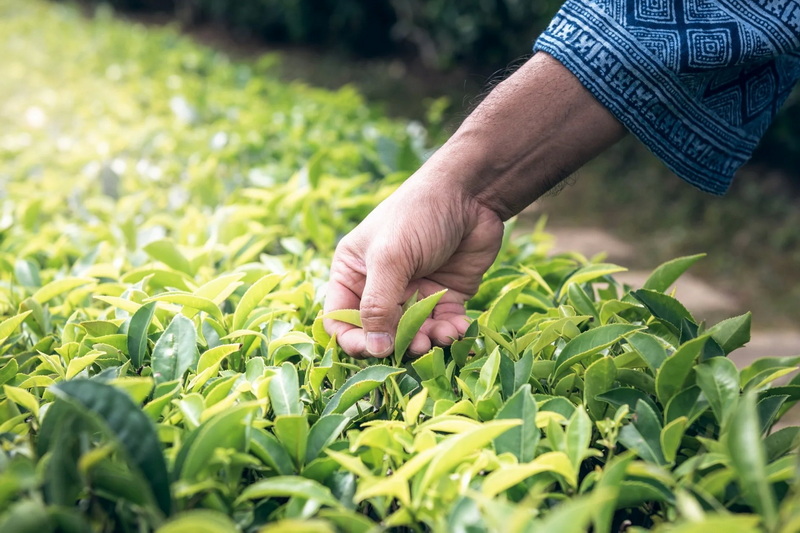
Green tea extract comes from *Camellia sinensis* leaves and contains catechins, including epigallocatechin gallate, commonly called EGCG. Black elderberry extract typically comes from *Sambucus nigra* fruit and contains anthocyanins, particularly cyanidin derivatives. These different chemical profiles create different formulation priorities.
| Comparison point | Green tea extract | Elderberry extract |
| Principal compounds | Catechins, including EGCG. | Anthocyanins and other polyphenols. |
| Relevant evidence | Documented interactions with dietary proteins; concentrated-extract safety requires attention. | Human respiratory-symptom studies, but uncertain clinical benefits. |
| Protein-digestion question | Binding can alter protein structure and digestive behavior in experimental systems. | The cited clinical review does not establish improved protein digestion. |
| Key specification | Individual catechins, EGCG, and caffeine content. | Botanical identity, anthocyanin profile, and authenticity. |
| Development priority | Assess protein interactions and total EGCG exposure. | Verify identity and protect composition during processing. |
For developers, the practical distinction is straightforward: these extracts should not be treated as interchangeable "immune antioxidants."
Immune-Support Evidence: What Can Brands Responsibly Say?
Elderberry Extract: Promising Findings, Limited Certainty
A 2021 systematic review included five randomized trials evaluating elderberry-containing interventions for prevention or treatment of viral respiratory illness. It found possible reductions in symptom duration or severity, but the evidence remained uncertain.
One prevention trial involved 312 travelers. A well-defined cold developed in 12 of 154 elderberry participants and 17 of 158 placebo participants. The difference was not statistically significant. Among the 29 participants who developed colds, shorter illness duration favored elderberry, but reviewers rated that finding as very-low-certainty evidence.
This distinction matters: a potential symptom-duration benefit is not proof of infection prevention. Results from a particular proprietary preparation also should not automatically be transferred to every elderberry powder or blend.
Green Tea Extract: Mechanisms Are Not Product-Level Proof
Green tea catechins have a substantial biochemical literature, including research on protein binding and biological activity. However, such mechanisms do not establish that a particular green tea–elderberry formula prevents illness or improves digestion in people.
My interpretation is deliberately conservative: build the formulation rationale around measured composition and compatibility, then substantiate any health claim separately. Avoid turning an interesting mechanism into a guaranteed consumer outcome.
Protein Digestion: Why Green Tea Extract Deserves Special Attention
How Catechins Interact With Dietary Proteins
EFSA's scientific assessment describes interactions between tea polyphenols and milk proteins. These include binding to casein and β-lactoglobulin through mechanisms such as hydrogen bonding and hydrophobic interactions. Such binding can change protein conformation, unfolding, and precipitation.
That makes green tea extract relevant to protein digestion research. An interaction may change how a protein behaves during digestion, but "interacts with protein" does not mean "improves protein absorption."
The distinction is especially important in protein-enriched beverages. A visually stable product, a favorable laboratory digestion result, and improved amino-acid availability in humans are different outcomes.
Does Green Tea Extract Improve or Reduce Protein Digestion?
There is no defensible universal answer.
The literature reviewed by EFSA describes protein structural changes and digestion effects that depend on experimental conditions, including pH. It also reports that dietary proteins can reduce systemic exposure to certain galloylated catechins, including EGCG.
Consequently, two separate questions need investigation:
- How does the extract affect protein breakdown?
- How does the protein matrix affect catechin availability?
A formulation may influence both directions of interaction. Neither question can be answered reliably from the ingredient name alone.
Does Elderberry Extract Support Protein Digestion?
The cited elderberry clinical evidence concerns respiratory illness rather than improved protein digestion. Elderberry also contains polyphenols, but that does not establish digestive-enzyme activity or better protein utilization.
For a protein-containing hybrid immune formula, elderberry should therefore be evaluated as a botanical ingredient—not assumed to function as a digestive aid.
"Supports protein digestion" would require its own relevant substantiation rather than an inference from elderberry's anthocyanin content.
Combining Green Tea and Elderberry: Complementarity Is Not Proven Synergy
The combination offers chemical diversity: catechins from green tea and anthocyanins from elderberry. This provides a reasonable starting point for formulation research.
However, the sources discussed here do not establish that this exact combination produces superior immune outcomes or improves protein digestion compared with either ingredient alone.
I would separate three development claims:
1. Composition: the formula contains two characterized botanical extracts.
2. Compatibility: testing shows acceptable behavior in the intended product.
3. Efficacy: human research supports a defined consumer benefit.
Evidence for the first does not establish the second or third. This separation helps prevent "synergy" from becoming an attractive but unsupported marketing shortcut.
Practical Development Insight: Test the Finished Protein Matrix
The following is a proposed development framework, not a report of completed Botaniex testing.
Step 1: Define the Product Before Selecting the Extracts
Specify:
- Intended audience and market.
- Capsule, powder, or ready-to-drink format.
- Protein source and amount per serving.
- Processing conditions and packaging.
- Intended claims and supporting evidence.
A capsule containing botanical powders and a processed protein beverage are different development projects. I would not transfer compatibility assumptions between them without testing.
Step 2: Use a Four-Arm Prototype Comparison
Prepare matched prototypes containing:
| Prototype | Purpose |
| Protein base only | Establish the reference matrix. |
| Protein plus green tea extract | Identify green tea–associated changes. |
| Protein plus elderberry extract | Identify elderberry-associated changes. |
| Protein plus both extracts | Evaluate the combined system. |
Keep protein concentration, pH, processing, and storage conditions consistent.
Measure dispersion, sedimentation, color, sensory acceptance, and botanical-marker retention. For protein digestion, add an appropriate standardized in-vitro digestion method with controls and interference checks.
This design helps distinguish a genuine combination effect from a change caused by only one extract.
Step 3: Separate Screening Results From Human Benefits
A laboratory digestion assay can help screen formulations. It does not, by itself, demonstrate improved human protein absorption, muscle recovery, or immune function.
My recommendation is to define acceptance criteria before testing. Otherwise, teams risk selecting whichever result looks most favorable after the experiment rather than answering a clear development question.
Industry Insight: Standardization Must Go Beyond a Percentage
Green Tea Extract Specifications
Request documentation for:
- Botanical identity and plant part.
- Total catechins and individual catechin profile.
- EGCG content per serving.
- Caffeine content.
- Relevant contaminant and residual-solvent testing.
EFSA documented substantial variability in green tea composition and emphasized the importance of catechin and EGCG information. A generic extract weight therefore does not adequately describe exposure.
Elderberry Extract Authentication
For elderberry, request identity testing and a characteristic anthocyanin profile rather than relying only on color or total anthocyanins.
A 2023 review described a study of 31 supplements in which more than 60% showed anthocyanin profiles significantly different from authentic European elderberry. The finding raises an authentication concern, but it is not a representative estimate of the entire market.
This is a valuable procurement lesson: a high assay result is not a substitute for botanical authenticity.
Safety: Essential Boundaries for a Hybrid Immune Formula
Concentrated Green Tea Extract Is Not Equivalent to Brewed Tea
EFSA found that supplemental intakes of 800 mg EGCG per day or more were associated with increased liver enzymes in intervention studies. Crucially, EFSA could not establish a universally safe supplemental EGCG dose. The 800 mg figure is a safety signal—not a recommended dose or guaranteed safe ceiling.
EFSA also reported increased EGCG exposure when extracts were taken fasting rather than with food. Safety assessment should therefore consider the finished formulation, directions for use, and cumulative exposure—not just ingredient purity.
Elderberry Processing and Population Suitability
NCCIH warns that raw or unripe elderberries, leaves, and stems contain cyanide-producing substances that can cause gastrointestinal illness. It also notes limited safety information during pregnancy and breastfeeding.
For commercial development, require documented processing controls and appropriate safety specifications. Consumers using medicines should discuss botanical supplements with a healthcare professional.
Choosing Ingredients With Botaniex
For Botaniex's positioning as a botanical ingredient manufacturer and customized-solutions supplier, the strongest message is not "more powerful immunity." It is a disciplined approach to ingredient selection, specification, and application development.
My recommended decision framework is:
- Select elderberry when its botanical identity and relevant evidence fit the product concept.
- Select green tea when its catechin profile fits the brief and exposure can be responsibly assessed.
- Combine them when the finished matrix passes predefined compatibility and safety criteria.
- Make a protein-digestion claim only when relevant evidence supports that claim.
Planning a protein-enriched hybrid immune formula? Contact Botaniex with your target format, protein source, intended market, and ingredient specifications. Request an application-focused discussion covering extract selection, available documentation, sample requirements, and the testing needed before commercialization.
Frequently Asked Questions
Is Green Tea Extract Better Than Elderberry Extract for Immunity?
There is no established universal winner. Elderberry has human respiratory-symptom research, but benefits remain uncertain. That evidence does not establish superiority over green tea in a head-to-head comparison.
Can Green Tea Extract Improve Protein Digestion?
It interacts with proteins and may alter their digestive behavior in experimental systems. This does not establish a consistent improvement in human protein digestion or absorption.
Does Elderberry Extract Act Like a Digestive Enzyme?
The cited elderberry research does not establish digestive-enzyme activity or improved protein digestion. Do not use respiratory-symptom findings to support a digestive claim.
Can Both Extracts Be Used in a Protein Drink?
They can be investigated as a formulation concept. Because tea catechins interact with proteins and elderberry composition is processing-sensitive, finished-product testing is important before claiming compatibility or benefit.
Is a Higher EGCG Percentage Always Better?
No. Higher concentration changes exposure and does not guarantee greater benefit. EFSA's safety findings make serving-level EGCG assessment essential.
Does Combining the Extracts Prove Immune Synergy?
No. The evidence cited here does not establish clinical synergy for the exact combination. Demonstrating superiority would require appropriately designed research on the relevant finished formula.
Hot Tags: China, Global, OEM, private label, manufacturers, factory, suppliers, manufacturing company