Content Menu
● Introduction to Hair Growth and Essential Oils
>> Rosemary Essential Oil
>>> Mechanism of Action
>> Cinnamon Bark Extract
>>> Mechanism of Action
● Comparison of Rosemary Essential Oil and Cinnamon Bark Extract
>> Rosemary Essential Oil vs. Cinnamon Bark Extract: Which is More Effective?
>> Combining Essential Oils for Enhanced Benefits
>> Practical Application Tips
● Additional Considerations for Hair Growth
>> Nutritional Support
>> Stress Reduction
>> Scalp Care
● Conclusion
● Frequently Asked Questions
>> 1. What is the best way to apply rosemary essential oil for hair growth?
>> 2. Can cinnamon bark extract cause skin irritation?
>> 3. How long does it take to see results from using rosemary essential oil for hair growth?
>> 4. Can I mix rosemary and cinnamon oils for hair growth?
>> 5. Are there any side effects of using rosemary essential oil?
● Citations:
The quest for effective hair growth solutions has led to a surge in interest in natural remedies, with essential oils being at the forefront. Two popular contenders in this arena are cinnamon bark extract and rosemary essential oil. Both have been touted for their potential benefits in promoting hair growth, but which one might outperform the other? In this article, we will delve into the scientific evidence supporting each option and explore their mechanisms of action.

Introduction to Hair Growth and Essential Oils
Hair growth is influenced by a variety of factors, including genetics, hormones, and scalp health. Essential oils have been used for centuries due to their therapeutic properties, which can enhance hair health by improving circulation, reducing inflammation, and promoting a healthy scalp environment.
Rosemary Essential Oil
Rosemary essential oil is derived from the leaves of the *Rosmarinus officinalis* plant and has been extensively studied for its hair growth-promoting effects. It is known to improve circulation, which helps in delivering nutrients to the hair follicles, thereby supporting hair growth.
Mechanism of Action
Rosemary oil works by stimulating hair follicles and improving blood circulation to the scalp. This increased blood flow ensures that hair follicles receive the necessary nutrients for growth, potentially prolonging the anagen phase of the hair growth cycle. Additionally, rosemary oil has anti-inflammatory properties that can soothe an irritated scalp, reducing conditions like dandruff and itchiness.
Rosemary essential oil is also known for its antioxidant properties, which help protect the hair follicles from oxidative stress. This protection can lead to healthier hair growth and reduce the risk of premature graying.
Cinnamon Bark Extract
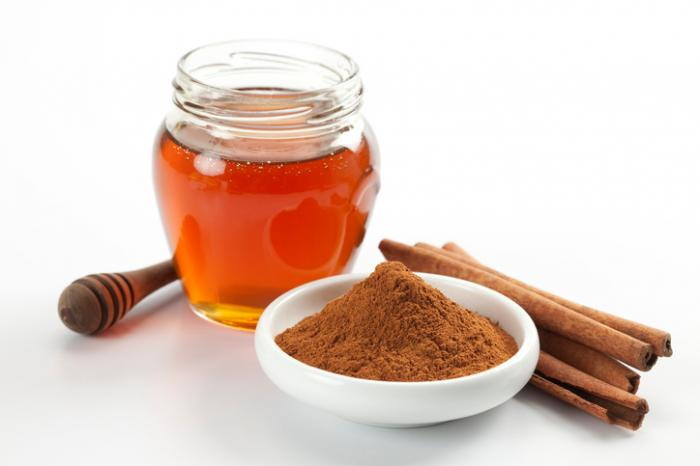
Cinnamon bark extract, while traditionally used for its culinary and medicinal properties, has also been explored for its potential in hair care. Some studies suggest that cinnamon can enhance hair thickness and growth, although most evidence is anecdotal or based on animal studies.
Mechanism of Action
Cinnamon is believed to promote hair growth by improving blood circulation and possibly through its antioxidant properties. However, there is limited scientific evidence supporting its effectiveness in humans compared to rosemary oil. Cinnamon's warming properties can also help increase blood flow to the scalp, which might stimulate hair follicles.
Cinnamon bark extract is also known for its antimicrobial properties, which can help maintain a healthy scalp environment by reducing fungal infections and other scalp irritations.

Comparison of Rosemary Essential Oil and Cinnamon Bark Extract
Rosemary Essential Oil vs. Cinnamon Bark Extract: Which is More Effective?
- Scientific Evidence: Rosemary essential oil has more robust scientific backing for its hair growth benefits, with studies showing it to be as effective as minoxidil in promoting hair regrowth. In contrast, cinnamon bark extract lacks substantial human studies supporting its efficacy for hair growth.
- Mechanism of Action: Both oils improve circulation, but rosemary oil has additional anti-inflammatory properties beneficial for scalp health.
- Safety and Side Effects: Rosemary oil is generally well-tolerated, with fewer side effects compared to minoxidil. Cinnamon can be irritating to some skin types, especially if not diluted properly.
Combining Essential Oils for Enhanced Benefits
Combining different essential oils can sometimes enhance their individual benefits. For instance, mixing rosemary with other oils like lemongrass and cinnamon might create a synergistic effect, potentially improving hair health and growth.
When blending essential oils, it's crucial to use a carrier oil to dilute them, as undiluted essential oils can be too potent for the skin. Common carrier oils include coconut oil, olive oil, and jojoba oil.
Practical Application Tips
1. Rosemary Essential Oil: Apply a few drops directly to the scalp and massage it in for several minutes. It is recommended to use it one to two times a day for optimal results.
2. Cinnamon Bark Extract: Mix a few drops with a carrier oil and apply it to the scalp. Be cautious with the amount used, as cinnamon can be irritating.
3. Combination Therapy: Mix rosemary essential oil with cinnamon bark extract and a carrier oil for a synergistic effect. Always perform a patch test before regular use.
Additional Considerations for Hair Growth
Nutritional Support
While essential oils can enhance hair growth, a balanced diet rich in vitamins and minerals is crucial for optimal hair health. Foods high in omega-3 fatty acids, zinc, and biotin are particularly beneficial.
Stress Reduction
Stress is a known contributor to hair loss. Practicing stress-reducing techniques like meditation and yoga can help mitigate this effect.
Scalp Care
Maintaining a healthy scalp is essential for hair growth. Regular scalp massages and using gentle shampoos can help create an optimal environment for hair growth.
Conclusion
While both rosemary essential oil and cinnamon bark extract show promise for hair growth, rosemary oil is currently supported by more robust scientific evidence. Its ability to stimulate hair follicles, improve circulation, and reduce scalp irritation makes it a more reliable choice for those seeking natural hair growth solutions. However, cinnamon bark extract may still offer benefits when used in combination with other oils or as part of a broader hair care regimen.
Frequently Asked Questions
1. What is the best way to apply rosemary essential oil for hair growth?
Rosemary essential oil should be applied directly to the scalp and massaged in for several minutes. It is recommended to use it one to two times a day for optimal results.
2. Can cinnamon bark extract cause skin irritation?
Yes, cinnamon bark extract can cause skin irritation if not properly diluted. It is important to mix it with a carrier oil before applying it to the scalp.
3. How long does it take to see results from using rosemary essential oil for hair growth?
Results from using rosemary essential oil for hair growth can take at least six months to become noticeable.
4. Can I mix rosemary and cinnamon oils for hair growth?
Yes, you can mix rosemary and cinnamon oils for hair growth. This combination may enhance their individual benefits, but ensure proper dilution to avoid irritation.
5. Are there any side effects of using rosemary essential oil?
Rosemary essential oil is generally well-tolerated, but it can cause allergic reactions in some individuals. It is advisable to perform a patch test before regular use.
Citations:
[1] https://consensus.app/home/blog/essential-oils-for-your-hair/
[2] https://satthwa.com/blogs/essential-oils/peppermint-oil-vs-rosemary-oil-for-hair-growth
[3] https://patents.google.com/patent/CN102488633B/zh
[4] https://www.healthline.com/health/cinnamon-oil
[5] https://www.vogue.com/slideshow/rosemary-oil-hair-growth-products
[6] https://my.clevelandclinic.org/podcasts/health-essentials/rosemary-oil-the-secret-ingredient-for-hair-growth-with-shilpi-khetarpal-md
[7] https://www.essentialoilscompany.com/blogs/articles/top-10-cinnamon-essential-oil
[8] https://health.clevelandclinic.org/rosemary-oil-for-hair