Content Menu
● Understanding Tongkat Ali
● Mechanisms of Action
● Scientific Evidence
● Benefits for Anxiety and Depression
● Personal Experiences
● Comparison with Other Supplements
● Safety and Side Effects
● Conclusion
● FAQ
>> 1. What is the recommended dosage of Tongkat Ali for anxiety?
>> 2. Are there any side effects associated with Tongkat Ali?
>> 3. How long does it take for Tongkat Ali to show effects on mood?
>> 4. Can Tongkat Ali be taken with other supplements?
>> 5. Is Tongkat Ali safe for everyone?
● Citations:
Tongkat Ali, scientifically known as Eurycoma longifolia, is a traditional herbal remedy that has gained popularity for its potential health benefits, particularly in enhancing mood and alleviating symptoms of anxiety and depression. This article delves into the mechanisms through which Tongkat Ali may influence mental health, supported by scientific studies and anecdotal evidence.

Understanding Tongkat Ali
What is Tongkat Ali?
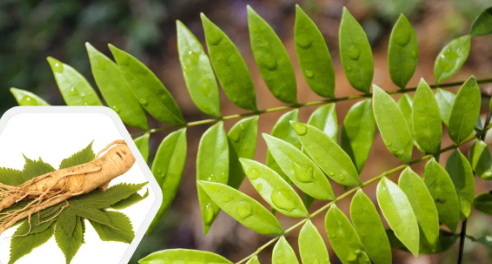
Tongkat Ali is a flowering plant native to Southeast Asia, particularly Malaysia and Indonesia. The root of the plant is commonly used in traditional medicine for its purported benefits in improving libido, energy levels, and overall well-being. It has been part of Southeast Asian folk medicine for centuries, often consumed as a tea or in capsule form.
Active Compounds
The primary active compounds in Tongkat Ali include eurycomanone and various eurypeptides, which are believed to contribute to its adaptogenic properties—helping the body manage stress more effectively. These compounds are thought to interact with the body's hormonal system, influencing the production of hormones that regulate mood and stress response.
Mechanisms of Action
Hormonal Regulation
One of the key ways Tongkat Ali may help with anxiety and depression is through hormonal regulation. It has been shown to lower cortisol levels—the hormone associated with stress—while simultaneously increasing testosterone levels. This balance can lead to improved mood and reduced feelings of anxiety. Testosterone plays a crucial role in maintaining a healthy mood, and its deficiency has been linked to depression in both men and women.
Dopamine Production
Tongkat Ali has also been found to stimulate dopamine release in the brain. Dopamine is a neurotransmitter that plays a crucial role in mood regulation, motivation, and reward processing. Increased dopamine levels can enhance feelings of happiness and reduce symptoms of depression. This effect is particularly beneficial for individuals experiencing anhedonia, a common symptom of depression characterized by a lack of pleasure in activities once enjoyed.
Scientific Evidence
Clinical Studies
Several studies have explored the effects of Tongkat Ali on mood and stress:
- A study published in the Journal of Evidence-Based Complementary Medicine found that participants taking 200 mg of Tongkat Ali daily experienced significant reductions in tension (11%), anger (12%), and confusion (15%) compared to a placebo group. This suggests that Tongkat Ali can effectively reduce stress-related symptoms.
- Another study indicated that after four weeks of supplementation, participants reported improved mood states without significant changes in fatigue or vigor, suggesting that while it may not combat all aspects of mood disturbance, it effectively reduces specific stress-related symptoms.
Animal Studies
Animal studies have also provided insights into Tongkat Ali's potential benefits. In a study involving rats, Tongkat Ali extract was shown to reduce stress-induced behaviors, further supporting its role as an adaptogen.
Benefits for Anxiety and Depression
Stress Reduction
Tongkat Ali's adaptogenic properties help mitigate the effects of stress on the body. By lowering cortisol levels, it may alleviate feelings of anxiety that often accompany high-stress situations. Chronic stress is a common precursor to anxiety disorders, so managing stress effectively can be crucial in preventing these conditions.
Mood Enhancement
Users have reported feeling more positive and motivated after taking Tongkat Ali, attributing this to its ability to enhance dopamine production. This can lead to better focus, increased energy, and an overall uplifted mood. Improved mood can also enhance resilience against stressors, creating a positive feedback loop.
Personal Experiences
Many individuals who have incorporated Tongkat Ali into their routines report noticeable improvements in their mental health. Users describe feeling more driven and focused, with some noting an increase in appetite as a side effect. Unlike other adaptogens like Ashwagandha, which can sometimes cause emotional blunting, Tongkat Ali appears to promote a healthy emotional range without dulling feelings.
Comparison with Other Supplements
Ashwagandha vs. Tongkat Ali
Both Ashwagandha and Tongkat Ali are popular adaptogens, but they have different effects on the body. Ashwagandha is often used for its calming effects and ability to reduce stress, while Tongkat Ali is noted for its energizing properties and potential to enhance libido. While Ashwagandha may be more suited for those seeking relaxation, Tongkat Ali might be preferred by individuals looking for a mood boost and increased energy.
Rhodiola Rosea vs. Tongkat Ali
Rhodiola Rosea is another adaptogen known for its mood-enhancing properties. It is often used to improve mental performance and reduce fatigue. In comparison, Tongkat Ali focuses more on hormonal balance and stress reduction, making it a good choice for those dealing with hormonal imbalances or chronic stress.
Safety and Side Effects
Common Side Effects
Some users report mild side effects such as increased hunger or slight restlessness; however, serious side effects are rare. It is essential to note that individual responses can vary, and some people may experience no side effects at all.
Interactions with Medications
While generally considered safe, Tongkat Ali may interact with certain medications, particularly those affecting hormone levels or blood pressure. It is advisable to consult with a healthcare provider before combining it with other supplements or medications.
Conclusion
In summary, Tongkat Ali extract shows promise as a natural remedy for anxiety and depression through its effects on hormonal balance and neurotransmitter regulation. While more extensive clinical trials are needed to fully understand its efficacy and safety profile, existing research suggests it may be beneficial for those dealing with moderate stress or mood disturbances.

FAQ
1. What is the recommended dosage of Tongkat Ali for anxiety?
The typical dosage ranges from 200 mg to 400 mg per day, depending on individual needs and responses.
2. Are there any side effects associated with Tongkat Ali?
Some users report mild side effects such as increased hunger or slight restlessness; however, serious side effects are rare.
3. How long does it take for Tongkat Ali to show effects on mood?
Many users report noticeable improvements within two weeks of consistent use.
4. Can Tongkat Ali be taken with other supplements?
Yes, but it is advisable to consult with a healthcare provider before combining it with other supplements or medications.
5. Is Tongkat Ali safe for everyone?
While generally considered safe for most adults, individuals with specific health conditions or those taking medications should consult a healthcare professional before use.
Citations:
[1] https://akarali.com/tongkat-ali-stress-reliever/
[2] https://www.publish.csiro.au/hc/fulltext/HC22143
[3] https://akarali.com/tongkat-ali-effects-dopamine/
[4] https://www.publish.csiro.au/hc/pdf/HC22143
[5] https://pmc.ncbi.nlm.nih.gov/articles/PMC3669033/
[6] https://www.mdpi.com/2076-3417/14/11/4372
[7] https://pubmed.ncbi.nlm.nih.gov/23705671/
[8] https://www.reddit.com/r/Supplements/comments/1ajmfgb/tongkat_ali_is_a_potent_antidepressant_for_me