As a botanical ingredients specialist with decades of experience in neurological wellness formulations, I've witnessed the profound impact of plant-based solutions on neuroinflammation—a critical underlying factor in numerous neurodegenerative conditions, chronic pain syndromes, and cognitive decline disorders. Moringa Leaf Extract and Angelica/Dong Quai Extract represent two botanically distinct yet mechanistically complementary approaches to neuroinflammatory mitigation, each offering unique bioactive profiles that target different aspects of the inflammatory cascade in neural tissue. [pmc.ncbi.nlm.nih]
While Moringa oleifera delivers potent isothiocyanate compounds that activate antioxidant pathways and suppress pro-inflammatory signaling simultaneously, Angelica sinensis provides ferulic acid and ligustilide that modulate inflammatory mediators and promote neuroprotection through vascular support. Understanding these fundamental differences is essential for formulators, clinicians, and health-conscious consumers seeking evidence-based solutions for neuroinflammatory conditions. [pmc.ncbi.nlm.nih]
Understanding Neuroinflammation and Its Clinical Significance
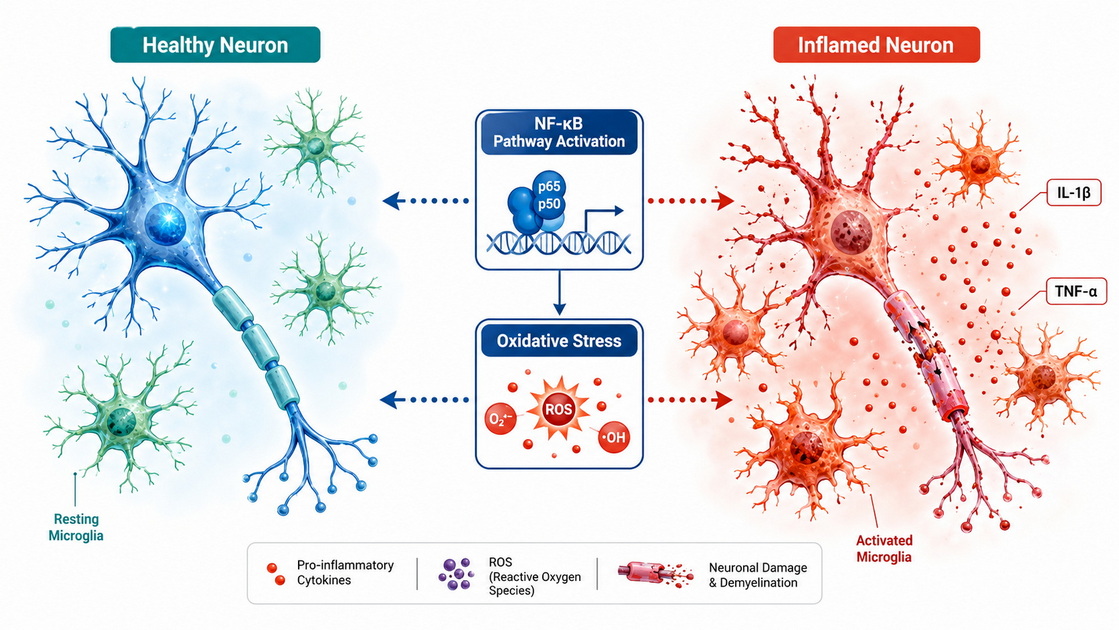
Neuroinflammation represents chronic activation of the brain's immune cells—primarily microglia and astrocytes—resulting in sustained release of pro-inflammatory cytokines, reactive oxygen species, and neurotoxic mediators. This pathological state differs fundamentally from acute protective inflammation, as prolonged activation disrupts neural homeostasis and contributes to progressive neuronal damage observed in Alzheimer's disease, Parkinson's disease, multiple sclerosis, and chronic pain conditions. [herbalreality]
Recent research demonstrates that neuroinflammation involves complex interplay between oxidative stress and inflammatory signaling pathways, particularly the NF-κB (nuclear factor kappa-light-chain-enhancer of activated B cells) pro-inflammatory cascade and the Nrf2 (nuclear factor erythroid 2-related factor 2) antioxidant defense system. Effective mitigation strategies must address both dimensions—reducing inflammatory mediators while simultaneously enhancing endogenous antioxidant capacity. [pubmed.ncbi.nlm.nih]
Moringa Leaf Extract: Dual-Mechanism Neuroinflammatory Control
Bioactive Composition and Phytochemistry
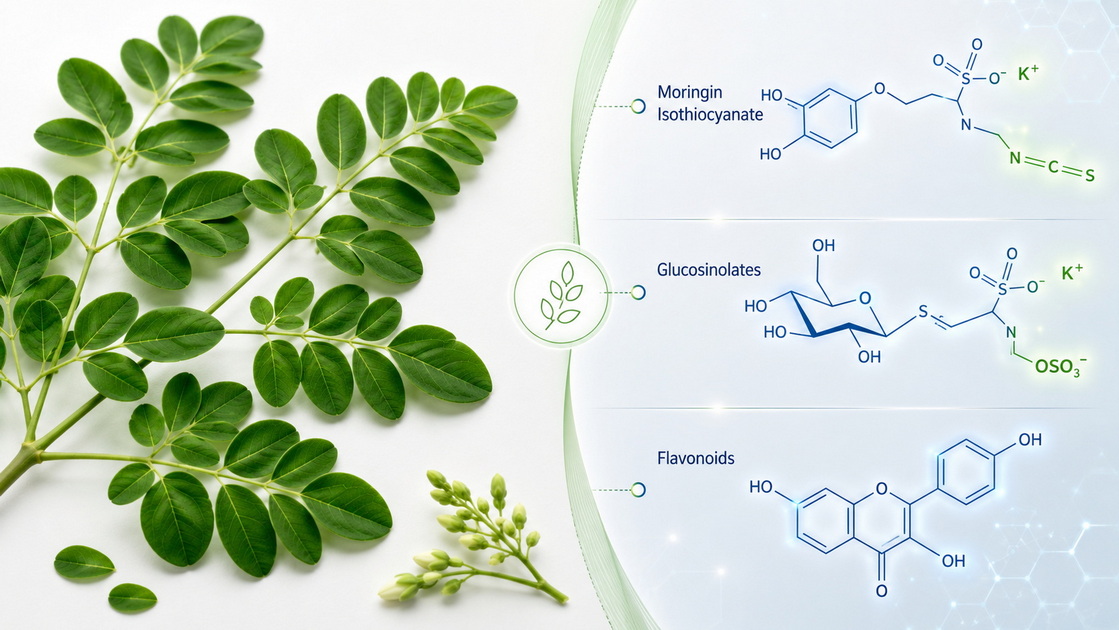
Moringa oleifera leaf extract contains a remarkable concentration of bioactive isothiocyanates, particularly 4-[(α-L-rhamnosyloxy)benzyl]isothiocyanate (moringin or MIC-1), which serves as the primary anti-inflammatory and neuroprotective compound. Unlike many botanical extracts that rely on single-mechanism action, Moringa delivers 59 characterized bioactive compounds including glucosinolates, flavonoids, phenolic acids, vitamins, and minerals that work synergistically to combat neuroinflammation. [pmc.ncbi.nlm.nih]
Moringa's isothiocyanates are formed through enzymatic bioconversion of glucosinolates by the endogenous enzyme myrosinase, yielding stable compounds with superior bioavailability and tissue penetration compared to many polyphenolic extracts. This biochemical stability ensures consistent therapeutic activity across different extraction methods and formulation approaches. [journals.plos]
Nrf2 Activation and Antioxidant Upregulation
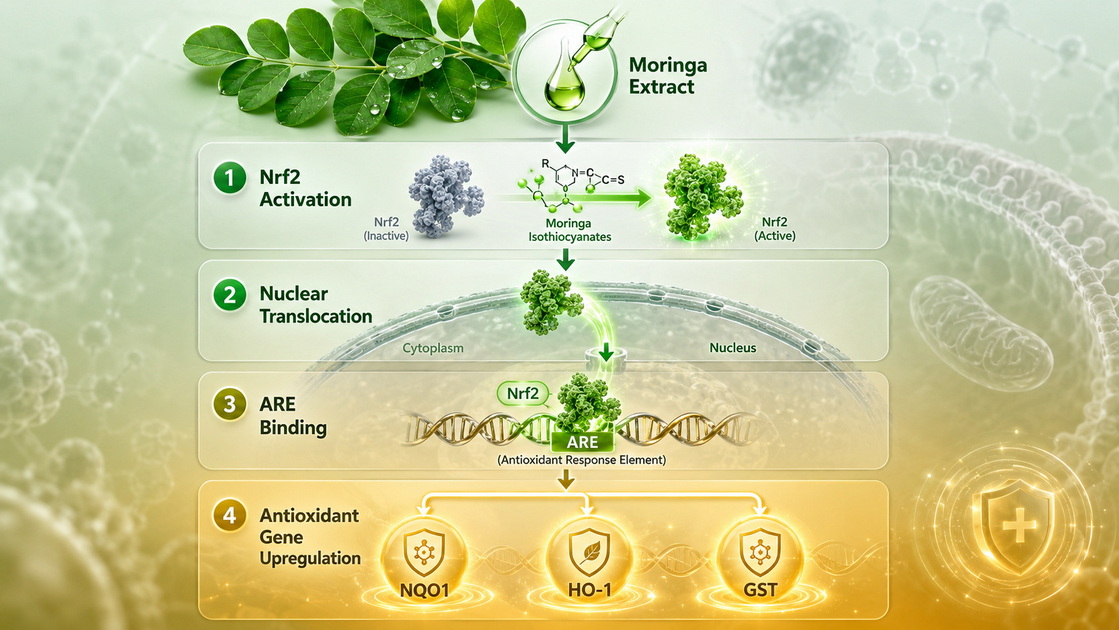
Moringa's primary neuroprotective mechanism involves potent activation of the Nrf2/ARE (antioxidant response element) pathway, which upregulates expression of multiple cytoprotective genes including NQO1 (NAD(P)H quinone oxidoreductase 1), HO-1 (heme oxygenase-1), and GST (glutathione S-transferase). This coordinated antioxidant response neutralizes reactive oxygen species and reduces oxidative damage to neural membranes, proteins, and DNA. [pmc.ncbi.nlm.nih]
Clinical evidence demonstrates that Moringa supplementation significantly restores redox homeostasis in brain tissue, particularly in regions vulnerable to neurodegeneration such as the hippocampus and temporal cortex. This antioxidant capacity proves especially relevant in conditions involving oxidative imbalance, including fibromyalgia-like pain syndromes and aluminum-induced neurotoxicity. [pmc.ncbi.nlm.nih]
NF-κB Suppression and Inflammatory Mediator Reduction
Simultaneously with Nrf2 activation, Moringa isothiocyanates suppress NF-κB-mediated inflammatory signaling—a critical pathway that drives production of pro-inflammatory cytokines and mediators. Research demonstrates that Moringa treatment significantly reduces elevated concentrations of IL-1β (interleukin-1 beta), TNF-α (tumor necrosis factor-alpha), and nitric oxide (NO) in neuroinflammatory conditions. [pmc.ncbi.nlm.nih]
This dual mechanism—activating antioxidant defenses while simultaneously suppressing inflammatory cascades—provides coordinated redox-inflammatory regulation that distinguishes Moringa from single-pathway botanicals. In animal models of reserpine-induced fibromyalgia, 17 days of Moringa supplementation markedly reduced neuroinflammation and restored hippocampal architecture, demonstrating well-organized granule cell layers and normalized pyramidal neurons. [pmc.ncbi.nlm.nih]
Neuroprotective Effects and Structural Preservation
Beyond biochemical modulation, Moringa leaf extract demonstrates remarkable capacity to preserve neuronal integrity and prevent structural degeneration in brain tissue. Histopathological studies reveal that Moringa treatment attenuates degenerative characteristics in neural cytoarchitecture, reduces expression of damage markers like NSE (neuron-specific enolase) and GFAP (glial fibrillary acidic protein), and improves cholinergic reactivity. [pmc.ncbi.nlm.nih]
The extract's neuroprotective effects are mediated through improved cholinergic system function and enhanced hippocampal neurogenesis via Akt/ERK1/2/CREB signaling pathways—critical mechanisms for cognitive function and neural plasticity. This multifaceted protection makes Moringa particularly valuable for conditions involving both neuroinflammation and neurodegenerative processes. [pmc.ncbi.nlm.nih]
Angelica/Dong Quai Extract: Vascular-Mediated Neuroprotection
Phytochemical Profile and Traditional Applications
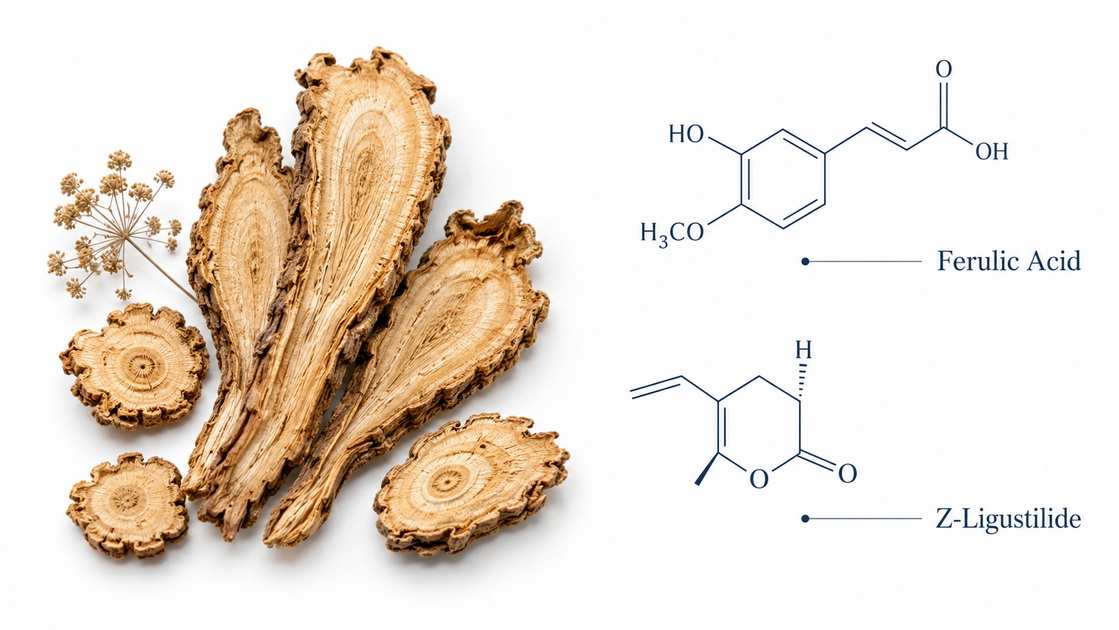
Angelica sinensis (Dong Quai) root extract contains distinct bioactive constituents including ferulic acid, Z-ligustilide, polysaccharides, and alkyl phthalides that have been utilized in traditional Chinese medicine for centuries, particularly for women's health and circulatory support. While less studied for direct neuroinflammatory effects compared to Moringa, emerging research reveals potent mechanisms relevant to neural protection and inflammation resolution. [pmc.ncbi.nlm.nih]
Ferulic acid, a primary phenolic constituent of Dong Quai, demonstrates significant anti-inflammatory, antioxidant, and analgesic properties that extend to neural tissues. Z-ligustilide and related phthalides contribute vascular regulatory effects that influence cerebral circulation—a critical factor in neuroinflammatory conditions involving ischemia or impaired blood flow. [mskcc]
Anti-Inflammatory Mechanisms and Cytokine Modulation
Ferulic acid from Angelica sinensis exerts anti-inflammatory effects by reducing key inflammatory mediators including IL-1β, TNF-α, and matrix metalloproteinases (MMP-1 and MMP-13), while increasing protective gene expression such as SOX9. This mechanism proves particularly relevant in osteoarthritis-related neuroinflammation and conditions where inflammatory cascades trigger secondary neural damage. [mskcc]
Research demonstrates that Angelica sinensis extract significantly inhibits endotoxin-induced HMGB1 (high mobility group box 1) release—a critical late mediator of lethal systemic inflammation that contributes to neuroinflammatory processes. This late-phase inflammatory modulation complements acute-phase interventions and may provide sustained protection against chronic neuroinflammatory conditions. [pmc.ncbi.nlm.nih]
Cerebrovascular Support and Ischemia Protection
Unlike Moringa's direct cellular mechanisms, Dong Quai provides cerebrovascular protection through multiple pathways that indirectly mitigate neuroinflammation. Polysaccharides from Angelica sinensis reduce oxidative stress in brain tissue, inhibit hippocampal neuron apoptosis by modulating Bcl-2/Bax/Cytochrome C pathways, and promote angiogenesis in brain tissue—collectively reducing ischemic injury and secondary neuroinflammation. [pmc.ncbi.nlm.nih]
The synergistic interaction between ferulic acid and Z-ligustilide creates enhanced vascular effects beyond individual components, demonstrating combinatorial therapeutic activity that may explain Dong Quai's traditional efficacy in conditions involving cold-induced vasospasm and circulatory compromise. This vascular dimension proves particularly valuable in stroke recovery, vascular dementia, and neuroinflammatory conditions with ischemic components. [pmc.ncbi.nlm.nih]
Neuroprotective Applications in Cognitive Decline
Emerging evidence supports Angelica sinensis extract for cerebrovascular dementia and age-related cognitive decline, with significant therapeutic effects in elderly populations. The extract's ability to reduce cerebral ischemia-reperfusion injury, support neuronal survival, and maintain cerebral blood flow addresses multiple pathological mechanisms underlying vascular contributions to neuroinflammation and dementia. [pmc.ncbi.nlm.nih]
Comparative Mechanism Analysis
| Parameter | Moringa Leaf Extract | Angelica/Dong Quai Extract |
| Primary Bioactives | Isothiocyanates (moringin, MIC-1) pmc.ncbi.nlm.nih | Ferulic acid, Z-ligustilide, polysaccharides pmc.ncbi.nlm.nih |
| Main Mechanism | Nrf2 activation + NF-κB suppression pmc.ncbi.nlm.nih | Cytokine modulation + vascular support mskcc |
| Antioxidant Pathway | Direct Nrf2/ARE upregulation pmc.ncbi.nlm.nih | Indirect via oxidative stress reduction pmc.ncbi.nlm.nih |
| Anti-inflammatory Target | IL-1β, TNF-α, NO, iNOS pmc.ncbi.nlm.nih | IL-1β, TNF-α, HMGB1, MMPs mskcc |
| Neural Tissue Effect | Structural preservation, neurogenesis pmc.ncbi.nlm.nih | Apoptosis inhibition, angiogenesis pmc.ncbi.nlm.nih |
| Optimal Application | Direct neuroinflammation, oxidative stress pmc.ncbi.nlm.nih | Ischemic injury, vascular dementia pmc.ncbi.nlm.nih |
| Onset of Action | Acute to subacute (17-28 days) pmc.ncbi.nlm.nih | Subacute to chronic (longer-term use) pmc.ncbi.nlm.nih |
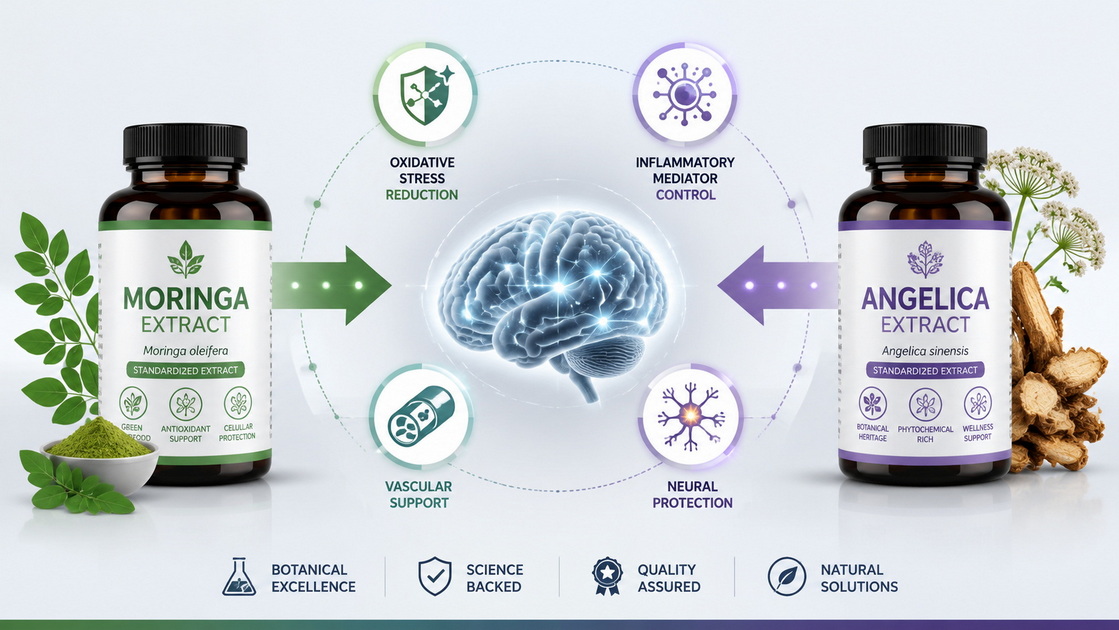
Formulation Strategies and Synergistic Potential
From an industry formulation perspective, combining Moringa and Angelica extracts may provide comprehensive neuroinflammatory mitigation addressing both direct cellular mechanisms and vascular support dimensions. Moringa's rapid Nrf2/NF-κB modulation complements Dong Quai's sustained vascular protection and late-phase inflammatory control, creating multi-targeted therapeutic coverage. [botaniex]
For dietary supplement applications, standardized Moringa leaf extract (15-20% isothiocyanates calculated as moringin) combined with Angelica sinensis root extract (standardized to 1% ferulic acid and 1% ligustilide) represents an evidence-based approach to neuroinflammatory support. This combination addresses oxidative stress, inflammatory signaling, microvascular function, and neural tissue integrity simultaneously. [pmc.ncbi.nlm.nih]
Functional beverage and nutraceutical formulations can leverage both extracts' complementary solubility profiles—Moringa's water-soluble glucosinolates and Angelica's lipophilic phthalides enable diverse delivery formats from capsules to liquid concentrates. Quality control should emphasize myrosinase activity preservation for Moringa and essential oil retention for Angelica to maintain bioactive integrity. [botaniex]
Clinical Considerations and Evidence-Based Applications
Healthcare practitioners considering these botanicals for neuroinflammatory conditions should recognize distinct clinical niches: Moringa leaf extract excels in conditions primarily driven by oxidative stress and direct microglial activation, including Parkinson's disease models, fibromyalgia, aluminum toxicity, and acute neuroinflammatory episodes. [pubmed.ncbi.nlm.nih]
Conversely, Angelica/Dong Quai extract demonstrates particular value in cerebrovascular and ischemic neuroinflammatory conditions, including post-stroke recovery, vascular dementia, and situations where impaired circulation contributes to inflammatory cascades. The extract's traditional use in women's health suggests potential hormone-inflammation interactions warranting further investigation in female-predominant neuroinflammatory conditions. [pmc.ncbi.nlm.nih]
Both extracts demonstrate excellent safety profiles with traditional use histories spanning centuries to millennia, though Dong Quai requires caution in individuals on anticoagulant therapy due to potential vascular effects. Dosing typically ranges from 300-600mg daily for standardized Moringa extract and 500-1500mg daily for Angelica extract, with clinical studies supporting these ranges. [mskcc]
Quality Standards and Sourcing Considerations
For manufacturers and formulators, botanical extract quality profoundly influences neuroinflammatory efficacy. Moringa oleifera sourcing should prioritize young leaves harvested before flowering, processed with controlled myrosinase activity to optimize isothiocyanate formation. Extraction technologies including supercritical CO2 and enzyme-assisted aqueous extraction preserve heat-sensitive bioactives while minimizing degradation. [journals.plos]
Angelica sinensis quality depends on root age (typically 3-4 years), cultivation region (traditionally Gansu province), and processing methods that preserve volatile oil content and prevent ferulic acid oxidation. Modern analytical techniques including HPLC-MS should verify ligustilide and ferulic acid concentrations, with specifications ensuring consistency across production batches. [pmc.ncbi.nlm.nih]
Future Research Directions and Clinical Translation
While existing evidence strongly supports both extracts' neuroinflammatory mitigation potential, clinical translation requires human trials with standardized preparations, defined dosing protocols, and validated neuroinflammatory biomarkers. Emerging research should investigate optimal extract combinations, timing of intervention (preventive vs. therapeutic), and personalized approaches based on individual neuroinflammatory profiles.
Advanced delivery systems including liposomal formulations, nanoparticle encapsulation, and blood-brain barrier-penetrating technologies may enhance bioavailability and neural tissue targeting for both extracts. Such innovations could amplify therapeutic effects while reducing required dosages—critical factors for commercial viability and patient compliance. [botanichealthcare]
Professional Recommendations for Neuroinflammatory Support
Based on comprehensive analysis of mechanisms, evidence quality, and practical applications, I recommend the following strategic approach for addressing neuroinflammation through botanical interventions:
For acute neuroinflammatory episodes with strong oxidative components: Moringa leaf extract (standardized to 15% isothiocyanates) at 400-600mg daily provides rapid Nrf2 activation and NF-κB suppression. [pmc.ncbi.nlm.nih]
For chronic neurodegenerative conditions with vascular involvement: Angelica sinensis extract (standardized to 1% ferulic acid) at 800-1200mg daily supports cerebrovascular function and sustained inflammatory modulation. [pmc.ncbi.nlm.nih]
For comprehensive neuroinflammatory support: Combination formulations delivering both extracts at therapeutic levels address multiple pathological mechanisms simultaneously, potentially offering superior outcomes compared to single-ingredient approaches. [mail.botaniex]
Looking to integrate evidence-based botanical extracts into your neurological wellness formulations? Contact Botaniex today for high-quality, standardized Moringa Leaf Extract and Angelica/Dong Quai Extract backed by rigorous quality testing, botanical expertise, and comprehensive technical support for your product development needs.
FAQ: Moringa vs. Angelica for Neuroinflammation
Q1: What makes Moringa leaf extract effective for neuroinflammation?
Moringa contains stable isothiocyanates (particularly moringin) that simultaneously activate the Nrf2 antioxidant pathway while suppressing NF-κB inflammatory signaling, providing dual-mechanism protection against oxidative stress and inflammatory mediators in neural tissue. [pmc.ncbi.nlm.nih]
Q2: How does Angelica/Dong Quai extract differ from Moringa in addressing brain inflammation?
Angelica sinensis works primarily through ferulic acid and ligustilide to modulate inflammatory cytokines and support cerebrovascular function, making it particularly effective for neuroinflammation involving ischemic components or vascular compromise rather than direct cellular oxidative stress. [pmc.ncbi.nlm.nih]
Q3: Can Moringa and Dong Quai extracts be combined for neuroinflammatory conditions?
Yes, combining these extracts provides complementary mechanisms—Moringa's direct cellular antioxidant and anti-inflammatory effects plus Dong Quai's vascular support and late-phase inflammatory modulation create comprehensive coverage of neuroinflammatory pathways. [botaniex]
Q4: What dosages are supported by research for neuroinflammatory applications?
Clinical studies support Moringa leaf extract at 300-600mg daily (standardized to isothiocyanates) for 17-28 days showing significant neuroinflammatory reduction, while Angelica sinensis extract typically ranges from 500-1500mg daily for cerebrovascular and neuroprotective effects. [pmc.ncbi.nlm.nih]
Q5: Which extract is better for conditions like Parkinson's disease or Alzheimer's disease?
Moringa demonstrates stronger evidence for direct neuroprotection in Parkinson's models through Nrf2 activation and dopaminergic neuron protection, while Angelica shows particular promise in vascular dementia and conditions involving cerebral ischemia. [pubmed.ncbi.nlm.nih]
References
Botaniex - High-quality Botanical Extracts and Proprietary Herbal Formulas. https://www.botaniex.com
Botaniex - Manufacturer and Supplier of Botanical Extracts and Herbal Formulations. http://mail.botaniex.com
National Center for Biotechnology Information - Moringa oleifera L. leaf extract attenuates neuroinflammation. https://pmc.ncbi.nlm.nih.gov/articles/PMC12926583/
National Center for Biotechnology Information - An insight into the neuroprotective and anti-neuroinflammatory effects of Moringa oleifera. https://pmc.ncbi.nlm.nih.gov/articles/PMC9849397/
Memorial Sloan Kettering Cancer Center - Dong Quai. https://www.mskcc.org/cancer-care/integrative-medicine/herbs/dong-quai
Herbal Reality - Neuroinflammation: An emerging role for herbs and spices. https://www.herbalreality.com/herbalism/herbal-research/evidence/neuroinflammation-emerging-role-herbs-spices/
National Center for Biotechnology Information - The Aqueous Extract of Angelica sinensis and HMGB1. https://pmc.ncbi.nlm.nih.gov/articles/PMC1766946/
National Center for Biotechnology Information - Research Progress in Pharmacological Effects of Angelica sinensis. https://pmc.ncbi.nlm.nih.gov/articles/PMC11085520/
National Center for Biotechnology Information - Moringin, A Stable Isothiocyanate from Moringa oleifera. https://pmc.ncbi.nlm.nih.gov/articles/PMC7070407/
National Center for Biotechnology Information - A dietary isothiocyanate-enriched moringa extract. https://pmc.ncbi.nlm.nih.gov/articles/PMC6435304/
PubMed - The Isothiocyanate Isolated from Moringa oleifera Shows Potent Anti-inflammatory Activity in Parkinson's Disease. https://pubmed.ncbi.nlm.nih.gov/27245199/
PLOS ONE - Biochemical characterization and anti-inflammatory properties of moringa seed extract. https://journals.plos.org/plosone/article?id=10.1371%2Fjournal.pone.0182658
National Center for Biotechnology Information - Synergistic Effect of Ferulic Acid and Z-Ligustilide. https://pmc.ncbi.nlm.nih.gov/articles/PMC4931054/
PubMed - Nrf2 activation by neferine mitigates microglial neuroinflammation. https://pubmed.ncbi.nlm.nih.gov/38428144/
National Center for Biotechnology Information - Sustainable extraction of ligustilide and ferulic acid from Angelica sinensis. https://pmc.ncbi.nlm.nih.gov/articles/PMC9988401/
National Center for Biotechnology Information - Involvement of Nrf2 Activation and NF-kB Pathway Inhibition. https://pmc.ncbi.nlm.nih.gov/articles/PMC10452655/