Content Menu
● Reishi Extract vs. Lycopene: A Practical Comparison
● Protein Digestion and Thermogenesis: What Is the Connection?
>> Protein's thermic effect extends beyond digestion
>> More efficient digestion does not necessarily mean more heat
● How Reishi Extract May Influence Metabolic Function
>> Gut microbiota and intestinal barrier pathways
>> AMPK and metabolic signaling
>> What human reishi research adds
● How Lycopene May Influence Thermogenic Pathways
>> PPARγ, UCP1, and adipocyte browning
>> A valuable 2024 finding: markers and weight can diverge
● Which Ingredient Is Better for Protein Digestion?
● Industry Insight: How to Design a More Informative Comparison
>> A proposed protein-meal study
● Formulation Insight: Match Ingredient Specifications to the Research
>> Reishi extract development checklist
>> Lycopene development checklist
● Safety and Responsible Product Positioning
● Develop an Evidence-Led Ingredient Brief With Botaniex
● Frequently Asked Questions
>> Does reishi extract improve protein digestion?
>> Does lycopene increase thermogenesis in humans?
>> Is lycopene better than reishi for fat browning?
>> Can reishi and lycopene be combined in a protein product?
>> Why does protein produce a higher thermic effect than fat?
>> What is the biggest mistake in interpreting thermogenic research?
● Sources and Reading Details
Reishi extract vs. lycopene is an intriguing comparison for metabolic-health formulations, but the evidence does not establish a human thermogenic winner. Lycopene has more directly relevant preclinical research on fat-cell browning. Reishi research highlights gut microbiota, intestinal barrier function, and metabolic signaling. Neither ingredient has demonstrated improved protein digestion or superior meal-induced thermogenesis in the studies reviewed here.
For consumers and product developers, the essential distinction is evidence: a plausible mechanism is not the same as a measurable benefit.
In this comparison, I take an evidence-first formulation perspective. The useful question is not simply which ingredient sounds more powerful. It is which mechanism, ingredient specification, and research endpoint actually match the intended product.
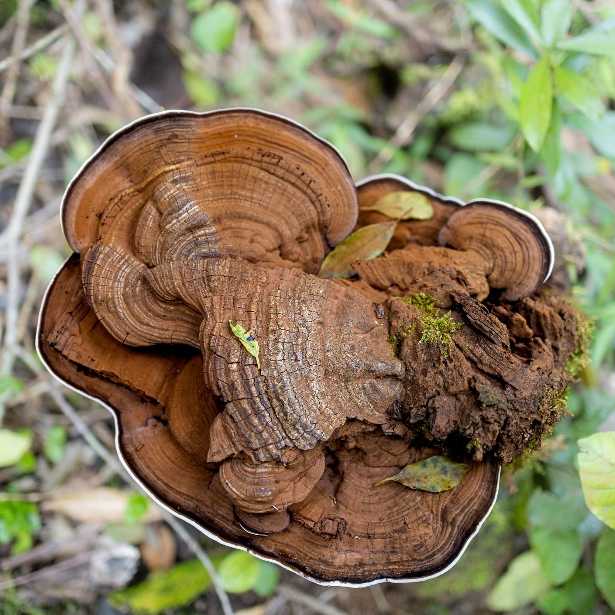
Reishi Extract vs. Lycopene: A Practical Comparison
| Comparison point | Reishi extract | Lycopene |
| Ingredient identity | A mushroom-derived mixture; composition depends on the material and extraction process | A carotenoid found in tomatoes |
| Most relevant research emphasis | Gut microbiota, intestinal barrier function, inflammation, and glucose-metabolism signaling | Adipocyte browning and thermogenic signaling |
| Representative findings | Water-extracted mycelium reduced weight gain and metabolic disturbances in high-fat-fed mice | Lycopene increased browning-related markers in cells and obese mice |
| Protein digestion evidence | Not established in the cited studies | Not established in the cited studies |
| Human thermogenic superiority | Not established | Not established |
| Main development implication | Match the commercial extract to the studied preparation | Distinguish molecular markers from demonstrated energy expenditure |
These distinctions reflect different experimental models, not a direct clinical comparison between the two ingredients.
Protein Digestion and Thermogenesis: What Is the Connection?
Protein's thermic effect extends beyond digestion
Protein digestion and diet-induced thermogenesis are related, but they are not interchangeable.
Diet-induced thermogenesis describes the increase in energy expenditure after food consumption. It includes the energetic costs associated with processing nutrients, not just breaking food down in the gastrointestinal tract.
A widely cited review reports approximate thermic effects of:
- Protein: 20–30% of its energy content.
- Carbohydrate: 5–10%.
- Fat: 0–3%.
These ranges describe nutrient-related energy expenditure. They do not mean that a botanical ingredient can automatically increase protein's thermic effect.
That distinction matters when evaluating "reishi extract for protein digestion" or "lycopene for thermogenic efficiency." Neither the reishi microbiome study nor the lycopene browning study reviewed here tested improved human protein digestibility or increased thermogenesis after a protein meal.
More efficient digestion does not necessarily mean more heat
The phrase "thermogenic efficiency" needs a clear definition.
For weight-management research, it may refer to increased energy expenditure. In other contexts, metabolic efficiency means conserving energy. Those are different goals.
Likewise, improving nutrient availability is not equivalent to increasing heat production. A credible comparison must specify whether it measures digestibility, post-meal energy expenditure, fat-cell activity, or body composition rather than treating them as one outcome.
How Reishi Extract May Influence Metabolic Function
Gut microbiota and intestinal barrier pathways
A foundational 2015 study investigated a water extract of *Ganoderma lucidum* mycelium in mice consuming a high-fat diet.
Researchers reported reduced body weight, inflammation, and insulin resistance, alongside changes in gut microbiota and improved intestinal barrier integrity. Fecal-transfer experiments supported a microbiota-mediated contribution to the observed effects.
For formulation teams, the important detail is the preparation: water-extracted mycelium.
The findings should not be treated as proof that every reishi powder, fruiting-body extract, or differently standardized ingredient produces the same outcomes. They also do not demonstrate improved protein digestion.
My practical interpretation is that this study offers a gut–metabolic research rationale, not a validated "protein absorption booster" claim.
AMPK and metabolic signaling
A separate mouse study examined diets containing 1%, 3%, or 5% *Ganoderma lucidum* extract powder over 12 weeks.
Researchers reported improvements in several metabolic measurements and linked the effects to enhanced AMPK activation, altered glucose-related signaling, and reduced expression of lipogenesis-related genes.
AMPK-related findings are relevant to metabolic research. However, that experiment does not establish a human thermogenic dose, an increase in protein digestibility, or superiority over lycopene.
The percentage of extract in a mouse diet is an experimental condition—not a consumer dosing recommendation.
What human reishi research adds
A 2016 randomized, double-blind, placebo-controlled trial enrolled 84 adults with type 2 diabetes and metabolic syndrome.
Participants received reishi, reishi with *Cordyceps sinensis*, or placebo for 16 weeks. Both active groups supplied 3 g of reishi daily, and the researchers pooled those groups for analysis.
The intervention did not significantly improve the primary glucose outcomes or the measured secondary outcomes, including BMI and waist circumference.
This was not a thermogenesis trial. Nevertheless, it illustrates why promising animal mechanisms cannot substitute for human outcome data. The study also recruited fewer participants than originally planned, an important limitation when interpreting its results.
How Lycopene May Influence Thermogenic Pathways
PPARγ, UCP1, and adipocyte browning
Lycopene has a more direct experimental connection to adipocyte browning than the reishi studies discussed above.
A 2020 study investigated lycopene in cultured adipocytes and high-fat-diet-induced obese mice. Researchers reported increased expression of PPARγ, UCP1, PGC-1α, and PRDM16, together with changes consistent with a brown-like adipocyte phenotype. The mouse experiments also reported reduced body-weight gain.
These markers help explain the proposed mechanism:
- PPARγ participates in adipocyte regulation.
- PGC-1α and PRDM16 contribute to thermogenic-cell programming.
- UCP1 enables mitochondrial energy dissipation as heat rather than ATP production.
This makes lycopene scientifically interesting for thermogenic research. It does not establish how many additional calories a person would expend after taking it.
A valuable 2024 finding: markers and weight can diverge
A 2024 study tested lycopene, *Garcinia cambogia* extract, and their combination in cultured cells and male Zucker rats.
Lycopene increased several browning-related markers. However, the lycopene-only rats showed a similar percentage of weight gain to controls during the 28-day experiment. The combination produced different results, but those cannot be attributed to lycopene alone.
This is an important industry lesson: an increase in UCP1 expression is not automatically a meaningful body-weight outcome.
The paper also disclosed a pending-patent interest involving several authors and *Garcinia cambogia*. That does not invalidate the findings, but it belongs in a balanced assessment of the research.
Which Ingredient Is Better for Protein Digestion?
Neither ingredient can be selected as the better protein-digestion aid from this evidence.
The cited reishi studies focus on microbiota or metabolic outcomes. The cited lycopene studies focus on adipocytes, browning markers, and animal outcomes. They do not establish improved human protein breakdown, amino-acid absorption, or post-protein-meal thermogenesis.
For a protein-focused supplement, I would therefore separate three development questions:
1. Does the formula improve protein digestibility?
2. Does it change post-meal energy expenditure?
3. Does it produce a meaningful longer-term outcome?
One positive answer does not establish the other two.
Industry Insight: How to Design a More Informative Comparison
A proposed protein-meal study
Rather than comparing unrelated animal experiments, developers could commission a randomized, blinded crossover study using an identical protein meal under three conditions:
1. Protein meal plus placebo.
2. Protein meal plus a fully characterized reishi extract.
3. Protein meal plus a fully characterized lycopene preparation.
This is a proposed research framework, not an existing clinical result.
The protocol should keep protein source, protein quantity, meal energy, activity, and testing conditions consistent. It should prespecify post-meal energy expenditure as an endpoint if thermogenesis is the intended claim.
If protein digestion is also a target, investigators should measure it separately. Plasma amino-acid appearance can inform interpretation, but it should not be labeled a direct measure of digestibility without an appropriate method.
A useful study would also report tolerability, uncertainty, and absolute effect size—not just whether a result reached statistical significance.
Formulation Insight: Match Ingredient Specifications to the Research
For an ingredient manufacturer such as Botaniex, the strongest commercial opportunity is a defensible formulation brief rather than an exaggerated metabolic promise.
Based on the company background supplied, Botaniex's extraction and formulation focus fits a specification-led discussion with supplement, functional-food, and beverage developers.
Reishi extract development checklist
Request documentation identifying:
- The species and starting material.
- Mycelium, fruiting body, or other material used.
- Extraction solvent and manufacturing process.
- Relevant compositional measurements and analytical methods.
- Batch consistency and contaminant testing.
- The degree of similarity to the preparation used in supporting research.
This research-matching step is especially important because the foundational microbiome experiment used a specific water extract of mycelium.
Lycopene development checklist
For lycopene, I would prioritize verified active content, ingredient identity, carrier composition, finished-product uniformity, and stability testing in the intended format.
These are proposed development priorities, not claims that any particular commercial preparation has demonstrated thermogenic efficacy.
For a protein beverage, test the complete formula. Do not assume that evidence for an isolated ingredient validates the finished drink.
Safety and Responsible Product Positioning
Reishi is not risk-free because it is natural.
Memorial Sloan Kettering lists nausea, insomnia, and liver injury among potential adverse effects. It also warns about increased bleeding risk with anticoagulant or antiplatelet medicines. Consumers taking medications should discuss reishi use with their healthcare professional.
Neither the mouse reishi diets nor the rat lycopene regimen establishes an effective human dose for thermogenesis. The cited experiments should not be converted directly into consumer instructions.
For product communication, avoid unsupported statements such as:
- "Clinically proven to increase protein absorption."
- "Activates human brown fat."
- "Burns a predictable number of extra calories."
- "Treats obesity or insulin resistance."
The reviewed evidence does not substantiate those claims for a finished reishi or lycopene product.
Develop an Evidence-Led Ingredient Brief With Botaniex
Planning a protein-focused supplement, functional beverage, or metabolic-health formulation?
Contact Botaniex with your target market, dosage format, protein base, and intended product positioning. Request a discussion of ingredient specifications, available documentation, and formulation feasibility.
Start with a measurable objective. Then select the ingredient, supporting research, and finished-product testing needed to evaluate it.
Frequently Asked Questions
Does reishi extract improve protein digestion?
The studies reviewed here do not establish that it does. Reishi's microbiome findings should not be presented as direct evidence of improved protein digestion or amino-acid absorption in humans.
Does lycopene increase thermogenesis in humans?
The cited evidence supports investigation, not a confirmed human benefit. Cell and animal studies report browning-related changes, but they do not establish a predictable increase in human daily energy expenditure.
Is lycopene better than reishi for fat browning?
Lycopene has more directly relevant browning research among the studies discussed. That is a difference in research emphasis, not proof of superior human weight-management effectiveness.
Can reishi and lycopene be combined in a protein product?
A combination would require formulation, safety, and evidence review. None of the cited studies demonstrates that combining these two ingredients improves protein digestion or thermogenesis.
Why does protein produce a higher thermic effect than fat?
Nutrient processing carries different energetic costs. A review reports a thermic effect of approximately 20–30% for protein versus 0–3% for fat; this concerns overall nutrient processing, not digestion alone.
What is the biggest mistake in interpreting thermogenic research?
Treating a molecular marker as a consumer outcome. In the 2024 rat study, lycopene increased browning-related markers without significantly reducing weight gain compared with controls over the study period.
Sources and Reading Details
1. Westerterp, K. R. (2004). "Diet induced thermogenesis." *Nutrition & Metabolism*, 1, 5. DOI: 10.1186/1743-7075-1-5。
2. Chang, C.-J., et al. (2015). "Ganoderma lucidum reduces obesity in mice by modulating the composition of the gut microbiota." *Nature Communications*, 6, 7489。
3. "Ganoderma lucidum Extract Reduces Insulin Resistance by Enhancing AMPK Activation in High-Fat Diet-Induced Obese Mice." (2020). FAO AGRIS文献记录。
4. Klupp, N. L., Kiat, H., Bensoussan, A., Steiner, G. Z., & Chang, D. H. (2016). "A double-blind, randomised, placebo-controlled trial of Ganoderma lucidum for the treatment of cardiovascular risk factors of metabolic syndrome." *Scientific Reports*, 6, 29540. DOI: 10.1038/srep29540。
5. Zhu, R., et al. (2020). "Lycopene attenuates body weight gain through induction of browning via regulation of peroxisome proliferator-activated receptor γ in high-fat diet-induced obese mice." *The Journal of Nutritional Biochemistry*。
6. Mannino, F., et al. (2024). "Lycopene and Garcinia cambogia Induce White-to-Brown Adipose Differentiation: An Innovative Strategy to Curb Obesity." *Pharmaceuticals*, 17(8), 986. DOI: 10.3390/ph17080986。
7. "UCP1 Dependent and Independent Thermogenesis in Brown and Beige Adipocytes." (2020).
8. Memorial Sloan Kettering Cancer Center. "Reishi Mushroom." *About Herbs*。
Hot Tags: China, Global, OEM, private label, manufacturers, factory, suppliers, manufacturing company