Content Menu
● Introduction to Banaba Leaf Extract
>> Key Components
>> Extraction Methods
>>> Ethanol Extraction
>>> Hot Water Extraction
>> Standardization Process
>>> Thin-Layer Chromatography (TLC)
>>> High-Performance Liquid Chromatography (HPLC)
>> Quality Control Measures
>>> Elemental Impurities
>>> Microbial Enumeration
>> Packaging and Storage
>> Labeling Requirements
● Challenges in Standardization
>> Solutions to Solubility Issues
● Applications of Banaba Leaf Extract
>> Dietary Supplements
>> Beverages
● Future Perspectives
>> Emerging Technologies
>> Regulatory Environment
● Conclusion
● FAQs
>> 1. What is the primary active ingredient in banaba leaf extract?
>> 2. How is banaba leaf extract typically standardized?
>> 3. What are the common extraction methods for banaba leaf?
>> 4. What challenges are faced in formulating banaba leaf extract into liquid products?
>> 5. What quality control measures are essential for banaba leaf extract?
● Citations:
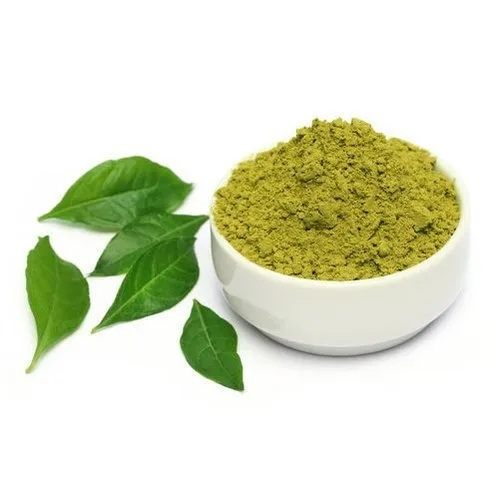
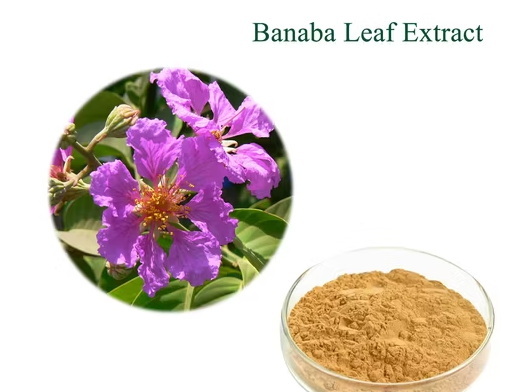
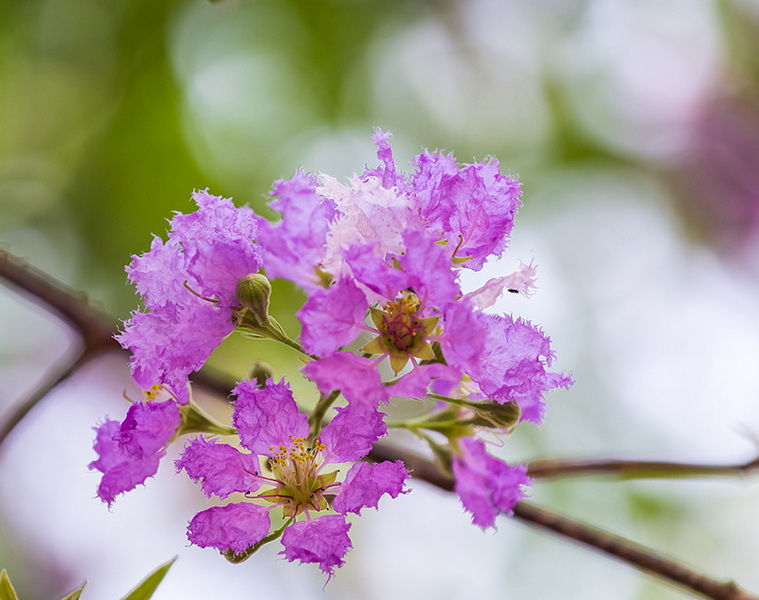
Banaba leaf extract, derived from Lagerstroemia speciosa, has gained significant attention for its potential health benefits, including anti-diabetic and anti-obesity properties. The standardization of this extract is crucial to ensure its quality and efficacy. This article will delve into the process of standardizing banaba leaf extract, exploring its key components, extraction methods, and quality control measures.
Introduction to Banaba Leaf Extract
Banaba leaf extract is primarily known for its high content of corosolic acid, a triterpenoid compound believed to be responsible for its therapeutic effects. The extract is traditionally used in Asian medicine to manage blood sugar levels and has been studied for its potential in weight management.
Key Components
- Corosolic Acid: This is the primary active ingredient in banaba leaf extract, known for its potential to improve insulin sensitivity and glucose metabolism. Corosolic acid acts by enhancing glucose uptake in cells, thereby reducing blood glucose levels.
Extraction Methods
The extraction of banaba leaf involves using solvents such as ethanol or aqueous ethanol mixtures. The choice of solvent and extraction conditions can significantly affect the yield and purity of the extract.
Ethanol Extraction
Ethanol is a preferred solvent due to its safety and effectiveness in extracting corosolic acid. The concentration of ethanol can vary, but it is typically used at 50% or higher concentration for optimal extraction. Ethanol extraction is favored because it can efficiently extract the desired compounds while minimizing the presence of unwanted substances.
Hot Water Extraction
Hot water extraction is another method, which can produce a more soluble extract suitable for liquid formulations. However, this method may not be as efficient in extracting corosolic acid as ethanol-based methods. Hot water extraction is often used for products where solubility is a priority, such as beverages.
Standardization Process
Standardization involves ensuring that the extract contains a consistent amount of the active ingredient, in this case, corosolic acid. The United States Pharmacopeia (USP) provides guidelines for the standardization of botanical extracts, including banaba leaf extract.
Thin-Layer Chromatography (TLC)
TLC is used to identify and quantify corosolic acid in the extract. This involves applying the extract to a TLC plate, developing it with a solvent system, and then visualizing the bands under visible light after derivatization. TLC is a quick and cost-effective method for initial screening but lacks the precision needed for final product quality control.
High-Performance Liquid Chromatography (HPLC)
HPLC is a more precise method for quantifying corosolic acid. It involves injecting the extract into a column, where it is separated based on its chemical properties, and then detected using a UV detector. HPLC provides accurate quantification and is widely used for final quality control.
Quality Control Measures
Quality control is essential to ensure the extract meets safety and efficacy standards. This includes testing for contaminants such as heavy metals, pesticides, and microbial impurities.
Elemental Impurities
Testing for elemental impurities like arsenic, cadmium, lead, and mercury is crucial to ensure the extract is safe for consumption. These tests are performed using techniques such as atomic absorption spectroscopy (AAS) or inductively coupled plasma mass spectrometry (ICP-MS).
Microbial Enumeration
Microbial tests are performed to check for the presence of harmful bacteria and fungi, ensuring the extract is free from microbial contamination. Common tests include total plate count, yeast and mold count, and specific pathogen testing.
Packaging and Storage
Proper packaging and storage conditions are vital to maintain the quality of the extract. It should be stored in a cool, dry place, away from direct sunlight. Packaging materials should be inert and prevent moisture and air from entering the container.
Labeling Requirements
Labels must accurately reflect the content of corosolic acid and provide instructions for use. Compliance with regulatory standards is essential for consumer safety and trust. Labels should also include information about potential allergens and interactions with other medications.
Challenges in Standardization
One of the challenges in standardizing banaba leaf extract is its solubility. Corosolic acid is not very soluble in water, which can make it difficult to formulate into liquid products without precipitation.
Solutions to Solubility Issues
To improve solubility, surfactants like saponins can be added. These naturally derived compounds help stabilize the extract in aqueous solutions, enhancing its workability in beverages and other liquid formulations. Another approach is using emulsifiers or encapsulation techniques to improve dispersion and stability.
Applications of Banaba Leaf Extract
Banaba leaf extract is used in various dietary supplements and health products, including capsules, tablets, and beverages. Its potential benefits in managing blood sugar levels and aiding in weight loss make it a popular ingredient in the health and wellness industry.
Dietary Supplements
In dietary supplements, banaba leaf extract is often combined with other herbs or nutrients to enhance its effects. For example, it may be paired with chromium or berberine to improve glucose metabolism.
Beverages
In beverages, banaba leaf extract is used to create functional drinks that support health and wellness. These products often combine the extract with other ingredients like green tea or ginseng to enhance their benefits.
Future Perspectives
As research continues to uncover the potential benefits of banaba leaf extract, its demand is likely to increase. This will drive further innovation in extraction and formulation technologies to improve its efficacy and convenience.
Emerging Technologies
Emerging technologies such as supercritical CO2 extraction and nanotechnology may offer new avenues for improving the solubility and bioavailability of corosolic acid. These methods could enhance the extract's absorption and effectiveness in the body.
Regulatory Environment
The regulatory environment for dietary supplements is evolving, with stricter standards being implemented to ensure safety and efficacy. Manufacturers must stay compliant with these regulations to maintain consumer trust and market access.
Conclusion
Standardizing banaba leaf extract is a complex process that involves careful extraction, quality control, and formulation to ensure consistency and efficacy. The key to successful standardization lies in maintaining a high content of corosolic acid while ensuring the extract is safe and stable for consumption. As the demand for natural health products continues to grow, the importance of standardized extracts like banaba leaf will become increasingly evident.
FAQs
1. What is the primary active ingredient in banaba leaf extract?
The primary active ingredient in banaba leaf extract is corosolic acid, a triterpenoid compound known for its anti-diabetic properties.
2. How is banaba leaf extract typically standardized?
Banaba leaf extract is standardized by ensuring it contains a consistent amount of corosolic acid, typically between 90% and 110% of the labeled amount, using methods like TLC and HPLC.
3. What are the common extraction methods for banaba leaf?
Common extraction methods include using ethanol or aqueous ethanol mixtures. Ethanol is preferred due to its safety and effectiveness in extracting corosolic acid.
4. What challenges are faced in formulating banaba leaf extract into liquid products?
The main challenge is the low solubility of corosolic acid in water, which can lead to precipitation over time. This issue can be addressed by using surfactants like saponins.
5. What quality control measures are essential for banaba leaf extract?
Essential quality control measures include testing for elemental impurities, microbial enumeration, and ensuring proper packaging and storage conditions.
Citations:
[1] https://www.drugfuture.com/Pharmacopoeia/usp38/data/v38332/usp38nf33s2_m7968.html
[2] https://patents.google.com/patent/JP4094332B2/en
[3] https://www.youtube.com/watch?v=pmG2dwtMZ6g
[4] https://huggingface.co/openbmb/VisCPM-Chat/raw/main/vocab.txt
[5] https://research.lpubatangas.edu.ph/wp-content/uploads/2019/06/Steth-2014-001.pdf
[6] http://ipnacs2017.weebly.com/uploads/1/5/1/8/15182734/pn-2_chidchanok_promraksa_5-8_.pdf
[7] https://www.youtube.com/watch?v=Z6dNsSxtcmc
[8] https://patents.google.com/patent/JP2005263650A/en
[9] https://www.youtube.com/watch?v=bksAiuRzAaY
[10] https://patents.google.com/patent/JPWO2005099486A1/en
[11] https://www.youtube.com/watch?v=-HqJNaTCEiw