Content Menu
● Introduction to Banaba Leaf Extract
>> What is Banaba Leaf Extract?
>> Common Uses of Banaba Leaf Extract
● Safety Considerations for GI Bleeding Issues
>> Potential Risks
● Studies on Banaba Leaf Extract and GI Health
>> Anti-inflammatory Effects
● Can Banaba Leaf Extract Be Used Safely with GI Bleeding Issues?
>> Consultation with Healthcare Providers
● Additional Considerations for GI Health
>> Antioxidant Properties
>> Potential for GI Protection
● Integrating Banaba Leaf Extract into Your Diet
>> Dosage and Preparation
>> Combination with Other Natural Remedies
>> Lifestyle Changes
● Expanded Benefits and Usage
>> Cultural Significance
>> Modern Applications
>> Future Research Directions
● Additional Considerations for GI Bleeding Issues
>> Monitoring GI Health
>> Combination Therapies
● Conclusion
● FAQs
>> 1. What is Banaba Leaf Extract?
>> 2. Can Banaba Leaf Extract Cause GI Bleeding?
>> 3. How Does Banaba Leaf Extract Interact with GI Medications?
>> 4. What Are the Potential Benefits of Banaba Leaf Extract for GI Health?
>> 5. Is Banaba Leaf Extract Safe for Long-Term Use with GI Bleeding Issues?
● Citations:
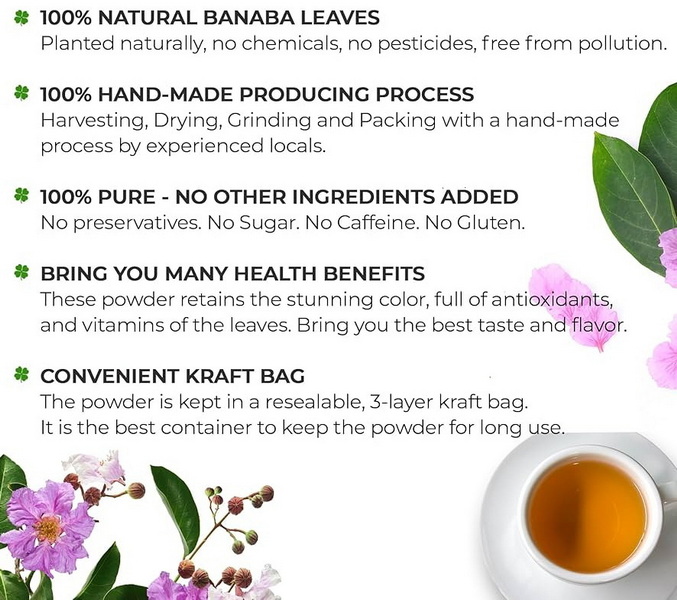
Banaba leaf extract, derived from Lagerstroemia speciosa, is known for its potential health benefits, including blood sugar management and cholesterol reduction. However, for individuals with gastrointestinal (GI) bleeding issues, the safety of using banaba leaf extract is a concern. This article explores the potential risks and benefits of banaba leaf extract in relation to GI health.
Introduction to Banaba Leaf Extract
Banaba leaf extract is rich in bioactive compounds such as corosolic acid, which has been studied for its hypoglycemic and anti-lipidemic effects. While it is generally considered safe, its impact on GI health, particularly in individuals with bleeding issues, requires careful consideration.
What is Banaba Leaf Extract?
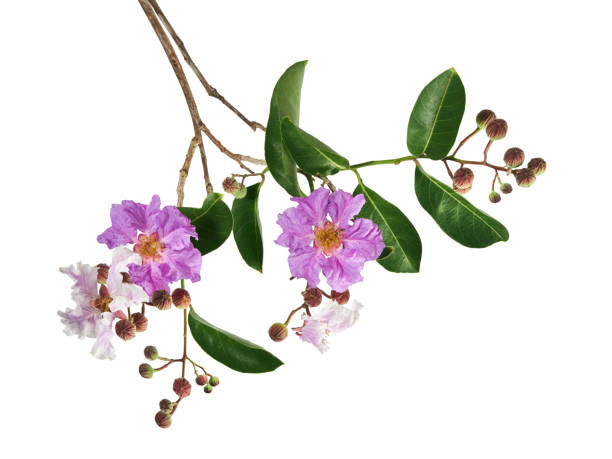
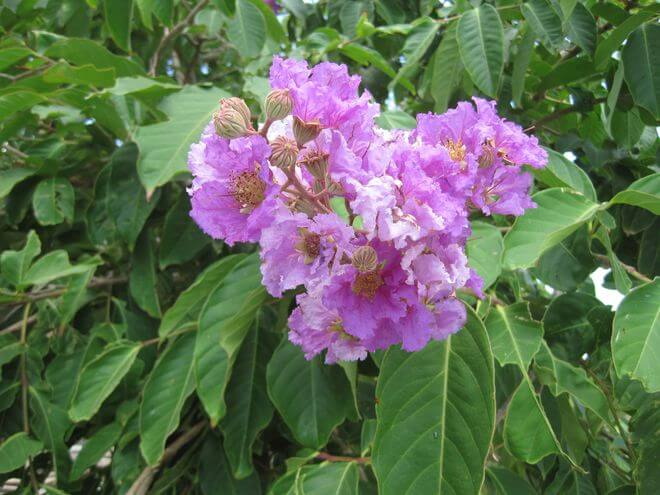
Banaba leaf extract is obtained from the leaves of Lagerstroemia speciosa, a plant traditionally used in Southeast Asia for medicinal purposes. It is known for its antioxidant, anti-inflammatory, and antibacterial properties.
Common Uses of Banaba Leaf Extract
- Blood Sugar Management: Banaba leaf extract is often used to help manage blood sugar levels due to its ability to enhance glucose uptake in cells.
- Cholesterol Reduction: It may also aid in lowering cholesterol levels, though more research is needed to confirm its efficacy.
Safety Considerations for GI Bleeding Issues
Individuals with GI bleeding issues need to be cautious when introducing new supplements, including banaba leaf extract. While banaba is generally safe, high doses may cause gastrointestinal discomfort.
Potential Risks
- Gastrointestinal Discomfort: High doses of banaba leaf extract may lead to nausea, diarrhea, and stomach cramps.
- Interaction with Medications: There is limited information on how banaba interacts with medications used to manage GI bleeding. However, it may affect blood sugar levels, which could be a concern for individuals on multiple medications.
Studies on Banaba Leaf Extract and GI Health
While there are no specific studies on banaba leaf extract and GI bleeding, its anti-inflammatory properties might be beneficial for reducing inflammation in the GI tract.
Anti-inflammatory Effects
Corosolic acid in banaba leaf extract has shown anti-inflammatory activity, which could potentially help reduce inflammation in the GI tract.
Can Banaba Leaf Extract Be Used Safely with GI Bleeding Issues?
To use banaba leaf extract safely with GI bleeding issues, it's crucial to consult a healthcare provider. They can advise on potential interactions with medications and monitor for any adverse effects.
Consultation with Healthcare Providers
- Dosage Adjustment: Starting with a low dose and gradually increasing it can help minimize gastrointestinal side effects.
- Monitoring for Adverse Effects: Regular check-ups are essential to monitor for any signs of GI bleeding or other adverse effects.
Additional Considerations for GI Health
Antioxidant Properties
Banaba leaf extract contains antioxidants that may help protect against oxidative stress and inflammation in the GI tract, contributing to overall GI health.
Potential for GI Protection
The anti-inflammatory and antioxidant properties of banaba leaf extract might offer protective effects against GI damage, though more research is needed to confirm these benefits.
Integrating Banaba Leaf Extract into Your Diet
For those interested in using banaba leaf extract as part of a health regimen, it's essential to consider how to incorporate it safely and effectively:
Dosage and Preparation
Banaba leaf extract is available in supplement form, often standardized to contain a specific amount of corosolic acid. It's crucial to follow the recommended dosage and consult with a healthcare provider before starting any new supplement regimen.
Combination with Other Natural Remedies
Combining banaba leaf extract with other natural compounds, such as probiotics or omega-3 fatty acids, may enhance its benefits for GI health. However, this should be done under medical supervision to avoid interactions.
Lifestyle Changes
While banaba leaf extract may offer benefits, it should be part of a broader approach to GI health, including a balanced diet, regular exercise, and stress reduction.
Expanded Benefits and Usage
Cultural Significance
Banaba leaf extract has cultural significance in regions where Lagerstroemia speciosa is native. It has been used in traditional medicine for various purposes, including managing blood sugar and cholesterol levels.
Modern Applications
In modern times, banaba leaf extract is being explored for its potential in managing metabolic syndrome, a condition characterized by high blood pressure, high blood sugar, excess body fat around the waist, and abnormal cholesterol or triglyceride levels.
Future Research Directions
Future studies should focus on the long-term safety and efficacy of banaba leaf extract for individuals with GI bleeding issues. Additionally, exploring its synergistic effects with other natural compounds could provide valuable insights into its potential as a complementary therapy.
Additional Considerations for GI Bleeding Issues
Monitoring GI Health
Regular monitoring of GI health is crucial when using banaba leaf extract, especially for individuals with a history of GI bleeding. This includes tracking symptoms and adjusting the dosage as needed.
Combination Therapies
Combining banaba leaf extract with other natural remedies may enhance its benefits for GI health. However, this should be done under medical supervision to ensure safety and efficacy.
Conclusion
Banaba leaf extract is generally considered safe, but individuals with GI bleeding issues should exercise caution. While it may offer benefits for blood sugar management and cholesterol reduction, its potential impact on GI health requires careful monitoring. Consulting a healthcare provider is essential before starting any new supplement regimen.
Banaba leaf extract is generally considered safe, but individuals with GI bleeding issues should consult a healthcare provider before use. Its potential benefits for GI health are promising, but more research is necessary to fully understand its effects.
FAQs
1. What is Banaba Leaf Extract?
Banaba leaf extract is derived from Lagerstroemia speciosa and is known for its bioactive compounds, including corosolic acid, which have hypoglycemic and anti-lipidemic properties.
2. Can Banaba Leaf Extract Cause GI Bleeding?
There is no direct evidence that banaba leaf extract causes GI bleeding. However, high doses may lead to gastrointestinal discomfort such as nausea and diarrhea.
3. How Does Banaba Leaf Extract Interact with GI Medications?
There is limited information on how banaba leaf extract interacts with medications used to manage GI bleeding. It's advisable to consult a healthcare provider before use.
4. What Are the Potential Benefits of Banaba Leaf Extract for GI Health?
Banaba leaf extract's anti-inflammatory properties might help reduce inflammation in the GI tract, though more research is needed to confirm its benefits for GI health.
5. Is Banaba Leaf Extract Safe for Long-Term Use with GI Bleeding Issues?
There is insufficient data on the long-term safety of banaba leaf extract for individuals with GI bleeding issues. Regular monitoring by a healthcare provider is recommended.
Citations:
[1] https://pmc.ncbi.nlm.nih.gov/articles/PMC3468018/
[2] https://onlinelibrary.wiley.com/doi/10.1155/2015/296207
[3] https://www.drugs.com/npp/banaba.html
[4] https://naturmedscientific.com/banaba-leaf/
[5] https://www.healthline.com/nutrition/banaba-leaf
[6] https://www.liebertpub.com/doi/pdfplus/10.1089/jmf.2021.0039
[7] https://www.webmd.com/vitamins/ai/ingredientmono-1089/banaba
[8] https://pmc.ncbi.nlm.nih.gov/articles/PMC5067667/