Content Menu
● Introduction to Cinnamon Bark Extract
>> Chemical Composition of Cinnamon Bark Extract
● Antioxidant and Anti-Inflammatory Effects
>> Antioxidant Activity
>> Anti-Inflammatory Effects
● Antimicrobial Properties
>> Antimicrobial Activity Against Common Pathogens
● Potential in Anti-Aging Products
>> Skin Protection and Regeneration
>> Enhancing Skin Barrier Function
● Comparison with Other Natural Ingredients
>> Comparison Table
>> Synergistic Effects with Other Ingredients
● Clinical Evidence and Safety
>> Clinical Trials on Cinnamon Extract
>> Safety Considerations
● Conclusion
● FAQ
>> 1. What are the main bioactive compounds in cinnamon bark extract?
>> 2. How does cinnamon bark extract contribute to anti-aging?
>> 3. Can cinnamon bark extract be used in combination with other natural ingredients?
>> 4. What are the potential side effects of using cinnamon bark extract in skincare?
>> 5. Is cinnamon bark extract suitable for all skin types?
● Citations:
Cinnamon bark extract has been gaining attention for its potential benefits in anti-aging products due to its rich composition of bioactive compounds. These compounds, including cinnamaldehyde, cinnamic acid, and various phenolic compounds, have been shown to possess antioxidant, anti-inflammatory, and antimicrobial properties. This article will delve into the scientific evidence supporting the use of cinnamon bark extract in anti-aging products and explore whether it stands out as the best natural ingredient for such applications.
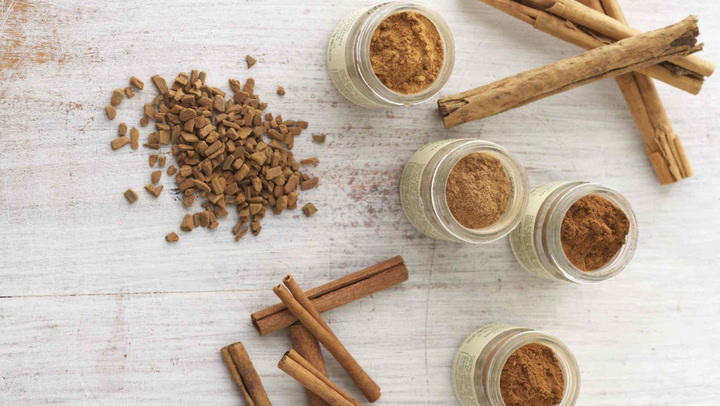
Introduction to Cinnamon Bark Extract
Cinnamon, derived from the bark of Cinnamomum species, is widely recognized for its culinary and medicinal uses. The extract from cinnamon bark is rich in antioxidants and has been studied for its potential health benefits, including reducing inflammation, improving insulin sensitivity, and exhibiting antimicrobial effects.
Chemical Composition of Cinnamon Bark Extract
Cinnamon bark extract contains several key bioactive compounds:
- Cinnamaldehyde: Known for its antityrosinase activity and potential in reducing nitric oxide production.
- Cinnamic Acid: Exhibits antioxidant properties and is stable during digestion.
- Phenolic Compounds: Includes proanthocyanidins and flavonoids like kaempferol, contributing to its antioxidant activity.
Antioxidant and Anti-Inflammatory Effects
Cinnamon bark extract has demonstrated significant antioxidant and anti-inflammatory effects, which are crucial for anti-aging. Antioxidants help protect cells from oxidative stress, while anti-inflammatory compounds can reduce inflammation, a key factor in aging and age-related diseases.
Antioxidant Activity
Cinnamon extracts have shown higher antioxidant activity compared to other spices, making them effective in combating oxidative stress. This is particularly important in skin care, as oxidative stress can lead to skin damage and aging.
Anti-Inflammatory Effects
The anti-inflammatory properties of cinnamon bark extract are attributed to its ability to inhibit the production of nitric oxide and suppress inflammatory pathways. This can help in reducing inflammation-related skin issues and promoting healthier skin.
Antimicrobial Properties
Cinnamon bark extract also exhibits antimicrobial activity, which is beneficial in preventing infections and maintaining skin health. This property can be particularly useful in skincare products to prevent microbial growth and infections.
Antimicrobial Activity Against Common Pathogens
Studies have shown that cinnamon extracts can inhibit the growth of bacteria like Staphylococcus aureus and fungi like Candida albicans. This antimicrobial action can help in maintaining healthy skin and preventing infections.

Potential in Anti-Aging Products
Given its antioxidant, anti-inflammatory, and antimicrobial properties, cinnamon bark extract holds promise as an ingredient in anti-aging products. It can help protect the skin from oxidative damage, reduce inflammation, and prevent microbial infections.
Skin Protection and Regeneration
Cinnamon's bioactive compounds may aid in skin regeneration by enhancing collagen synthesis and improving skin elasticity. This can lead to smoother, more youthful-looking skin.
Enhancing Skin Barrier Function
Cinnamon bark extract may also help in enhancing the skin barrier function by improving the integrity of the stratum corneum, which is crucial for maintaining healthy and resilient skin.
Comparison with Other Natural Ingredients
While cinnamon bark extract offers several benefits, it's essential to compare it with other natural ingredients commonly used in anti-aging products.
Comparison Table
| Ingredient | Antioxidant Activity | Anti-Inflammatory Effects | Antimicrobial Properties |
| Cinnamon Bark Extract | High | Significant | Yes |
| Green Tea Extract | High | Moderate | Limited |
| Turmeric Extract | High | Significant | Limited |
| Rosemary Extract | Moderate | Moderate | Limited |
Synergistic Effects with Other Ingredients
Combining cinnamon bark extract with other natural ingredients can enhance its benefits. For example, pairing it with green tea extract could amplify antioxidant effects, while combining it with turmeric extract might enhance anti-inflammatory properties.
Clinical Evidence and Safety
While cinnamon bark extract shows promise, it's crucial to consider the clinical evidence supporting its use in anti-aging products. Most studies have focused on its general health benefits, but specific skincare studies are emerging.
Clinical Trials on Cinnamon Extract
Some clinical trials have explored the effects of cinnamon extracts on skin health, though more research is needed to fully understand its efficacy in anti-aging.
Safety Considerations
Cinnamon bark extract is generally considered safe for use in skincare products. However, it can cause skin irritation in some individuals, particularly if used in high concentrations. A patch test is recommended before using products containing cinnamon extract.
Conclusion
Cinnamon bark extract is a promising natural ingredient for anti-aging products due to its robust antioxidant, anti-inflammatory, and antimicrobial properties. While it is not the only effective natural ingredient, its comprehensive benefits make it a strong contender for inclusion in skincare formulations.
FAQ
1. What are the main bioactive compounds in cinnamon bark extract?
Cinnamon bark extract contains several bioactive compounds, including cinnamaldehyde, cinnamic acid, and various phenolic compounds like proanthocyanidins and kaempferol.
2. How does cinnamon bark extract contribute to anti-aging?
Cinnamon bark extract contributes to anti-aging by protecting the skin from oxidative stress through its antioxidant activity, reducing inflammation, and preventing microbial infections through its antimicrobial properties.
3. Can cinnamon bark extract be used in combination with other natural ingredients?
Yes, cinnamon bark extract can be combined with other natural ingredients to enhance its benefits. For example, combining it with green tea extract could amplify antioxidant effects.
4. What are the potential side effects of using cinnamon bark extract in skincare?
While generally safe, cinnamon bark extract can cause skin irritation in some individuals, especially if used in high concentrations. It's advisable to perform a patch test before using products containing cinnamon extract.
5. Is cinnamon bark extract suitable for all skin types?
Cinnamon bark extract is generally suitable for most skin types but may not be ideal for sensitive skin due to its potential to cause irritation. It's recommended to start with low concentrations and monitor skin response.
Citations:
[1] https://pmc.ncbi.nlm.nih.gov/articles/PMC9914695/
[2] https://huggingface.co/openbmb/VisCPM-Chat/raw/main/vocab.txt
[3] https://papers.ssrn.com/sol3/papers.cfm?abstract_id=4450001
[4] https://pmc.ncbi.nlm.nih.gov/articles/PMC4003790/
[5] https://www.healthline.com/nutrition/10-proven-benefits-of-cinnamon
[6] https://www.sciencedirect.com/topics/medicine-and-dentistry/cinnamon-extract
[7] https://www.mdpi.com/1999-4907/12/5/648
[8] https://www.sciencedirect.com/topics/biochemistry-genetics-and-molecular-biology/cinnamon-extract