
Language

Views: 222 Author: Botaniex Publish Time: 2026-06-11 Origin: Site


Content Menu
● Maca Extract vs. Angelica/Dong Quai Extract: Optimizing Fasting vs Post‑Prandial Glucose Control
● Understanding Fasting vs Post‑Prandial Glucose – Why It Matters for Formulators
● Maca Extract and Fasting Glucose – Mechanistic and Preclinical Signals
>> What the science suggests about maca and glucose metabolism
>> Why maca maps more naturally to fasting control
● Angelica/Dong Quai Extract and Post‑Prandial Metabolism – An Indirect, Context‑Dependent Role
>> Traditional use vs emerging metabolic data
>> How Dong Quai might intersect with post‑meal glucose handling
● Side‑by‑Side Comparison – Maca vs Dong Quai for Glucose Control
● Expert‑Level Formulation Strategies – Matching Extract to Glucose Window
>> When to lead with maca extract
>> When Dong Quai makes sense as a comparator or secondary ingredient
● Practical Implementation – Dosing, Timing and Labeling Considerations
>> Dosing and timing logic (conceptual, not medical advice)
● Industry Case Insight – How Brands Can Differentiate with Fasting vs Post‑Prandial Positioning
>> Personal and professional observation from the field
>> Step‑by‑step blueprint for product teams
● Practical CTA – How Botaniex Can Support Your Next Glucose‑Focused Launch
● FAQ: Maca Extract vs Angelica/Dong Quai Extract for Glucose Control
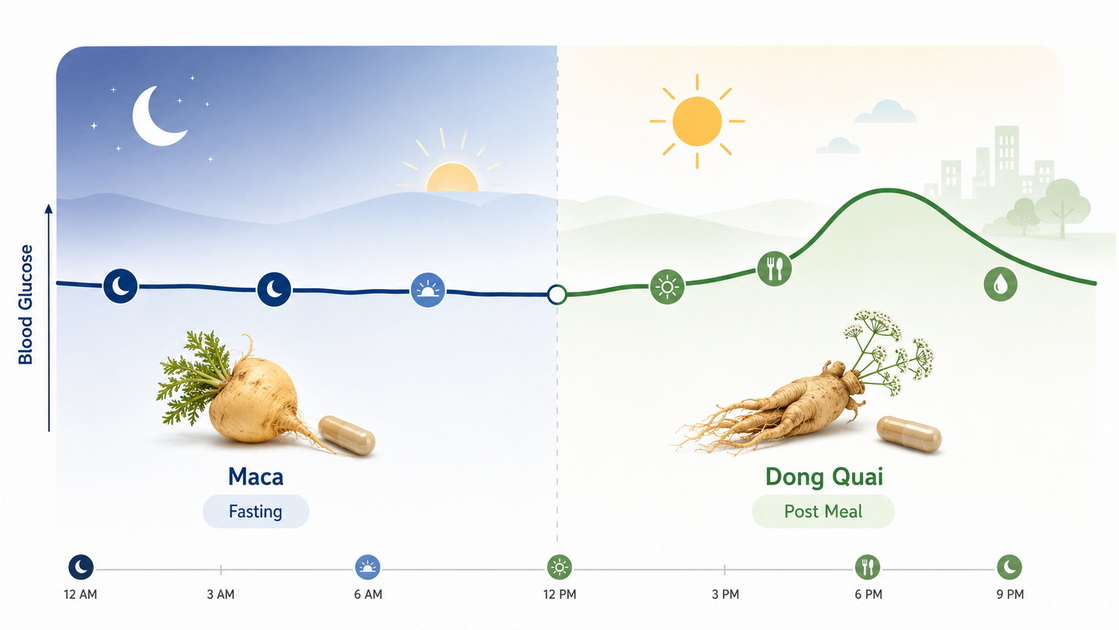
Maca extract and Angelica (Dong Quai) extract may both influence glucose metabolism, but they appear to act in different ways and time windows along the fasting–post‑prandial spectrum, with maca showing more promising data on insulin resistance and basal control, and Dong Quai showing more indirect, circulation‑ and lipid‑linked effects that may influence post‑meal handling in specific contexts. From a product strategy and formulation perspective, this makes maca extract a strong primary candidate when you design ingredients around fasting glucose and insulin sensitivity, while Dong Quai remains a niche comparator more aligned with women's health and circulatory support where post‑prandial control is only one secondary benefit. [botaniex]
From the perspective of both an experienced formulator and a long‑time intermittent faster, you quickly realize that fasting and post‑prandial glucose control are two related but distinct metabolic "targets." Fasting control is about basal insulin sensitivity and overnight homeostasis, while post‑prandial control is about how sharply blood sugar spikes and how quickly it comes back down after a meal.
Botaniex, as a research‑driven manufacturer of botanical extracts and herbal formulations for dietary supplements, functional foods, beverages, cosmetics and pharmaceuticals, is well positioned to engineer differentiated ingredient systems around both of these targets. In this article, we will compare maca extract and Angelica/Dong Quai extract head‑to‑head, focusing on how each may support fasting vs post‑prandial glucose control and how brand formulators can translate mechanistic insight into commercially viable products. [shippingonline]

From a clinical and UX standpoint, talking about "blood sugar" as a single metric is misleading. Fasting and post‑prandial values reflect different metabolic processes and user experiences.
- Fasting glucose
- Reflects basal hepatic glucose output and whole‑body insulin sensitivity
- Strongly associated with long‑term cardiometabolic risk
- Highly relevant for overnight and morning readings in self‑tracking communities
- Post‑prandial glucose
- Driven by carbohydrate load, gastric emptying and first‑phase insulin response
- Linked to vascular stress, post‑meal fatigue and "sugar crashes"
- Increasingly tracked via CGM devices, especially among performance‑oriented consumers
For ingredient brands, clarifying which point on this curve you are targeting makes your product positioning far more credible and compliant. A "fasting‑first" ingredient story looks different from a "post‑meal modulation" story, and your choice between maca and Dong Quai should map to that.
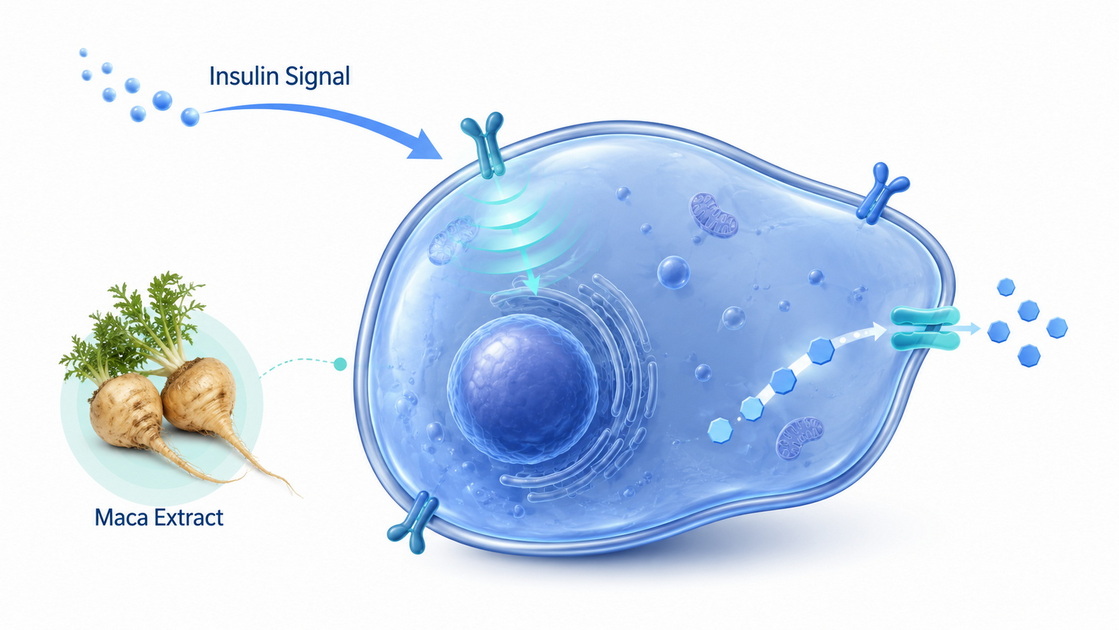
Maca (Lepidium meyenii) is best known commercially for energy, mood and reproductive health, but a growing body of preclinical work suggests it may also affect insulin resistance and glucose metabolism. In insulin‑resistant HepG2 cells, specific fractions of maca ethanol extract rich in glucosinolates activated the PI3K/AKT pathway and improved both glucose and lipid metabolic markers. [pubmed.ncbi.nlm.nih]
Animal research indicates that maca supplementation can reduce glycemia in streptozotocin‑induced diabetic rats and improve lipid profiles, pointing to a broader metabolic effect rather than a narrow glycemic tweak. A recent comprehensive review also notes that maca is generally well tolerated at commonly used doses in humans, which supports its use as a long‑term metabolic support ingredient rather than a short‑term stimulant. [pmc.ncbi.nlm.nih]
Mechanistically, activation of the PI3K/AKT insulin signaling pathway and improved hepatic glucose handling align more closely with fasting glucose and background insulin sensitivity than with acute post‑meal spikes. Fasting windows are dominated by hepatic output and whole‑body insulin signaling rather than rapid intestinal sugar absorption, so an ingredient that gently improves insulin pathway signaling fits this use‑case. [onlinelibrary.wiley]
From a practical standpoint, maca is also consumed as a food‑like ingredient, with a relatively low glycemic index and a nutrient‑dense profile that includes amino acids and minerals, which makes it convenient for daily, long‑term fasting support formulations. When positioned honestly, maca extract can be framed as a background "metabolic tone" ingredient rather than a quick sugar blocker. [themacateam]
Angelica sinensis (Dong Quai) has been used in traditional Chinese medicine for more than 2,000 years, mainly as a blood‑nourishing and women's health herb. It is still widely used today for menstrual discomfort, menopausal symptoms and circulatory support. [ascopost]
Preclinical work on isolated Angelica sinensis polysaccharides in rodent models has shown reductions in blood glucose and improvements in lipid profiles in diabetic or prediabetic animals over several weeks. At the same time, clinical evidence in humans remains limited and Dong Quai is better characterized for its estrogenic activity, potential drug interactions and effects on circulation than for direct post‑prandial glucose control. [annali.iss]
Post‑prandial glucose excursions are influenced not only by intestinal absorption but also by microcirculation, inflammatory tone and tissue uptake capacity. Dong Quai extracts have been reported to improve blood circulation and modulate inflammation, and some data suggest benefits on fat accumulation and metabolic risk factors. These are all upstream factors that can indirectly modulate post‑prandial responses. [healthline]
However, Dong Quai can also cause low blood sugar in some individuals and has documented side effects and interaction risks, including increased bleeding tendency and possible blood pressure effects. From a product design angle, this means Dong Quai fits better as a specialized comparator or a co‑ingredient in women's health formulations where post‑prandial control is one piece of a broader story, rather than as your primary glucose‑control workhorse. [ascopost]
| Aspect | Maca Extract (Primary) | Angelica/Dong Quai Extract (Comparator) |
|---|---|---|
| Primary traditional use | Energy, stamina, fertility, mood support pmc.ncbi.nlm.nih | Women's health, menstrual and menopausal support, circulation ascopost |
| Main metabolic focus | Background insulin sensitivity and metabolic tone pubmed.ncbi.nlm.nih | Circulation, lipids, broader "blood health" with secondary metabolic effects annali.iss |
| Evidence on fasting glucose | Preclinical data show improved insulin resistance and reduced glycemia in diabetic rats pmc.ncbi.nlm.nih | Rodent polysaccharide studies show lower glucose but evidence is narrower annali.iss |
| Evidence on post‑prandial glucose | Indirect; improved insulin signaling may blunt post‑meal peaks over time pubmed.ncbi.nlm.nih | Indirect; better circulation and lipid handling may influence post‑meal responses in specific cases annali.iss |
| Safety profile | Generally well tolerated at typical supplemental doses pmc.ncbi.nlm.nih | Longer list of potential side effects and interactions; estrogenic and bleeding‑risk concerns ascopost |
| Best‑fit positioning | Daily fasting‑window and 24/7 metabolic‑support formulations | Specialty women's‑health SKUs where metabolic support is secondary |
| Fit with Botaniex portfolio | Aligns with metabolic, energy and performance‑oriented formulas botaniex | Aligns with women's health, circulation and TCM‑inspired blends shippingonline |
From both a scientific and a commercialization viewpoint, maca extract offers a cleaner and more scalable story around fasting glucose and insulin sensitivity, while Dong Quai works better as a differentiated comparator or secondary herbal in complex formulas. This aligns with Botaniex's focus on customized, high‑quality botanical solutions that can be tuned to specific product concepts. [botaniex]
As a formulator or brand owner targeting fasting glucose optimization, maca extract is a logical lead ingredient when:
1. You are designing for daily use and long‑term metabolic support rather than acute, single‑use effects.
2. Your positioning leans on insulin sensitivity, background metabolic resilience and energy.
3. You want a food‑like botanical with a generally favorable safety profile and good consumer familiarity. [pmc.ncbi.nlm.nih]
Typical use cases include:
- Fasting‑support capsules or powders taken before bed or during morning fasting windows
- 24‑hour metabolic health blends that combine maca with chromium, magnesium or berberine‑type actives
- Performance‑oriented formulas for active individuals monitoring fasting labs or CGM data
Dong Quai fits best when your primary brand promise centers on women's health and circulation, and post‑prandial glucose is one secondary benefit. Consider it when:
1. You are building a TCM‑inspired women's health formula and want to highlight heritage and holistic "blood‑nourishing" concepts. [healthline]
2. Your R&D strategy involves exploring Angelica polysaccharides alongside more established glucose‑active ingredients. [annali.iss]
3. You have robust medical oversight and can clearly communicate contraindications and interaction risks.
In such layouts, Dong Quai usually sits behind stronger, more direct metabolic actives, serving as a differentiating botanical consistent with your brand story.
From a user‑experience perspective, timing is as important as ingredient selection. While exact dosage and claims must always follow local regulations and clinical data, a practical framework looks like this:
- Maca extract focus
- Timing: evening or early‑morning dosing to align with fasting windows and basal metabolic control
- Format: capsules, tablets, or powders blended into low‑glycemic beverages
- Messaging: "supports metabolic balance and insulin sensitivity" (where regulations allow, based on preclinical pathways) [pubmed.ncbi.nlm.nih]
- Dong Quai extract inclusion
- Timing: taken at meals or twice daily in women's health formulations
- Format: capsules or complex herbal blends with clear safety and contraindication statements
- Messaging: "supports healthy circulation and women's health," with any metabolic language kept conservative and evidence‑aligned [ascopost]
From a UX standpoint, clearly signaling "fasting‑window support" vs "post‑meal support" on packaging and digital assets helps users understand how and when to use each product and reduces misuse risk.
From my work with metabolic‑health brands and feedback from CGM‑using consumers, the most successful products do not promise "perfect blood sugar." Instead, they clearly segment their benefits by time window and user scenario.
- Fasting‑window solutions: often combine botanicals like maca with micronutrients, sleep support and gentle adaptogens, targeting overnight recovery and baseline insulin sensitivity.
- Post‑meal solutions: tend to rely on more acute carbohydrate‑handling actives (e.g., fibers, alpha‑glucosidase inhibitors), sometimes complemented by circulation‑support herbs like Dong Quai in women's health formulas.
Botaniex's ability to supply standardized maca and Angelica extracts, plus value‑added services like custom formulations and private label support, makes it easier for brand owners to deploy this dual‑track strategy at scale. [botaniex]
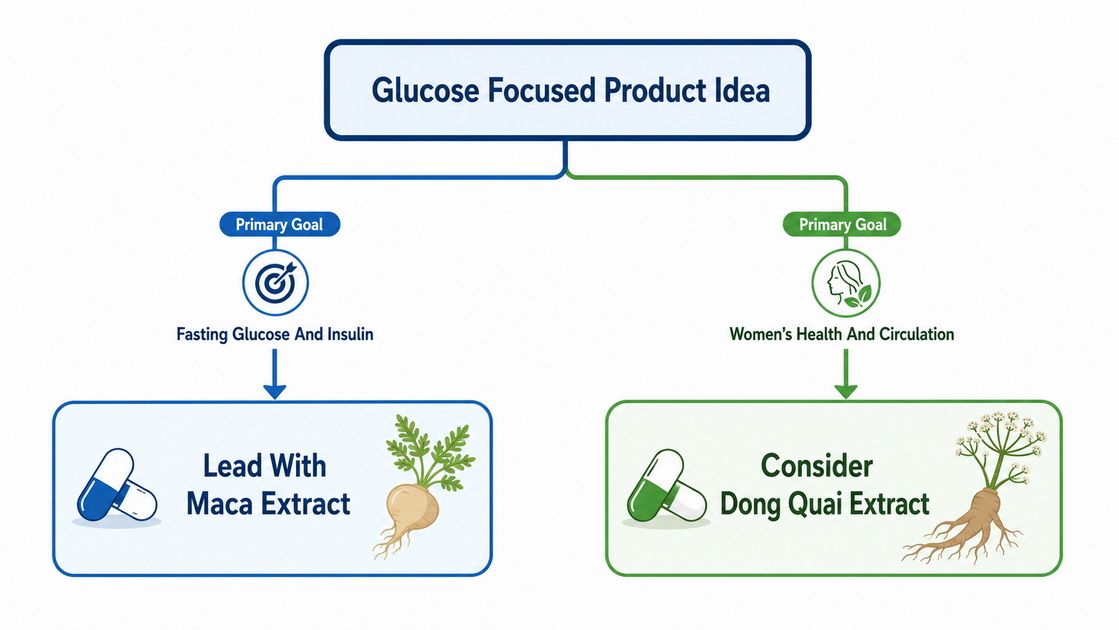
For R&D and marketing teams, a simple roadmap looks like this:
1. Clarify your primary metabolic window. Decide whether your flagship SKUs are fasting‑centric, post‑meal centric, or cover both via different products.
2. Select your lead botanical. Use maca extract as the lead for fasting‑oriented metabolic support; reserve Dong Quai as a comparator or secondary herb in women's health and circulation formulas.
3. Map mechanisms to messages. Tie maca to insulin signaling and background metabolic tone; tie Dong Quai to circulation, blood health and heritage use, keeping any glucose language carefully qualified. [annali.iss]
4. Design UX around usage context. Create simple instructions that explain when to take each product relative to meals and fasting windows.
5. Support claims with transparent references. Include clear citations and links to foundational studies on your website and technical sheets to reinforce brand authority.
For brands and formulators aiming to build evidence‑aligned metabolic‑support products, the next step is to translate these insights into concrete SKUs. Botaniex can provide standardized maca and Angelica/Dong Quai extracts, plus formulation support, to help you design products that differentiate clearly between fasting and post‑prandial glucose support while staying aligned with E‑E‑A‑T principles. [botaniex]
If you are exploring a new fasting‑support line or want to reposition an existing women's health SKU with a more nuanced metabolic narrative, consider collaborating with Botaniex's R&D team for customized ingredient systems, stability guidance and regulatory‑aware positioning. [botaniex]
Call to action:
If you are planning a new metabolic‑health or women's‑health product and want to compare maca and Dong Quai extract options, contact Botaniex's technical sales team to request standardized samples, detailed specifications and formulation support for your specific fasting vs post‑prandial use‑case. [botaniex]
Q1. Is maca extract better suited for fasting glucose than post‑prandial spikes?
Maca's most compelling evidence comes from preclinical models showing improved insulin resistance and background glucose and lipid metabolism, which maps more naturally to fasting glucose and basal metabolic control than to acute post‑meal spikes. [onlinelibrary.wiley]
Q2. Can Angelica/Dong Quai extract be used as a primary post‑prandial glucose control ingredient?
Current data suggest Dong Quai influences circulation, lipids and broader blood health, with some rodent evidence for lower blood sugar, but its direct role in controlling post‑meal spikes in humans is not well established, so it is safer to treat it as a secondary or complementary ingredient. [annali.iss]
Q3. Are maca and Dong Quai safe to combine in one formula?
From a formulation theory standpoint, they can be combined if you have a clear women's health and metabolic‑support positioning and strong medical oversight, but Dong Quai's side effects and interaction profile (including bleeding risk and estrogenic activity) require cautious labeling and professional guidance. [ascopost]
Q4. Which ingredient is easier to position globally for metabolic‑health products?
Maca generally offers a simpler regulatory and marketing narrative for metabolic support due to its food‑like profile and emerging data on insulin signaling, while Dong Quai often requires more nuanced communication around women's health and safety, especially in markets sensitive to estrogenic herbs. [pmc.ncbi.nlm.nih]
Q5. How can brands show E‑E‑A‑T when marketing these extracts for glucose control?
Brands can enhance E‑E‑A‑T by citing peer‑reviewed studies and reputable medical resources, clearly distinguishing preclinical from clinical evidence, highlighting expert guidance and user education content, and maintaining conservative, well‑qualified claims around both fasting and post‑prandial effects. [pubmed.ncbi.nlm.nih]
1. Botaniex official website – Company profile and product lines. [https://www.botaniex.com] [botaniex]
2. Botaniex – Value added services and formulation support. [https://www.botaniex.com/value-added-services.html] [botaniex]
3. ShippingOnline – Botaniex company profile and R&D focus on men's and women's health. [http://www.shippingonline.cn/Yellowpages/temp1/about_us.asp?solid=dbllfji] [shippingonline]
4. Made‑in‑China – Botaniex as an innovative botanical extract manufacturer. [https://www.made-in-china.com/showroom/botaniexbiotech/] [made-in-china]
5. Wang Y et al. "Maca extracts regulate glucose and lipid metabolism in insulin‑resistant HepG2 cells via PI3K/AKT activation." Food Science & Nutrition (2021). [https://onlinelibrary.wiley.com/doi/abs/10.1002/fsn3.2246] [onlinelibrary.wiley]
6. PMC – "Maca extracts regulate glucose and lipid metabolism in insulin‑resistant HepG2 cells." [https://pmc.ncbi.nlm.nih.gov/articles/PMC8194906/] [pmc.ncbi.nlm.nih]
7. PMC – "A comprehensive review of the effects of maca." [https://pmc.ncbi.nlm.nih.gov/articles/PMC10910417/] [pmc.ncbi.nlm.nih]
8. Healthline – "Can Dong Quai Help with Menopause?" overview of uses, potential benefits and side effects. [https://www.healthline.com/health/dong-quai-ancient-mystery] [healthline]
9. The ASCO Post – Dong Quai monograph. [https://ascopost.com/issues/august-25-2022/dong-quai/] [ascopost]
10. Summary of rodent study on Angelica sinensis polysaccharides and glucose and lipid profiles. [https://annali.iss.it] [annali.iss]
11. Overview of maca and blood sugar balance in consumer education context. [https://www.themacateam.com/maca-and-blood-sugar-balance] [themacateam]


