Content Menu
● Understanding Neuroinflammation in Modern Brain Health
● Botaniex and the Strategic Use of Botanical Extracts
● Milk Thistle Extract and Neuroinflammation – Mechanistic Insights
>> Core Actives and Pathways
>> Evidence Snapshot for Neuroprotective Effects
● Mulberry Leaf Extract and Neuroinflammation – Mechanistic Insights
>> Functional Components and Antioxidant Focus
>> Latest Data on Tau, Mitochondria, and Inflammation
● Head‑to‑Head Comparison – Milk Thistle vs. Mulberry Leaf for Neuroinflammation
>> Mechanism and Application Comparison Table
● Formulation Strategy – How Brands Can Mitigate Neuroinflammation
>> Practical Steps for R&D and Product Managers
● Unique High‑Value Section – Integrating Latest Research into Brand Storytelling
>> Translating Complex Mechanisms for Consumers
● CTA – Partnering for Next‑Generation Neuroinflammation Solutions
● FAQs: Milk Thistle Extract Vs. Mulberry Leaf Extract for Neuroinflammation
● References
Neuroinflammation is now recognized as a central driver of cognitive decline, mood disorders, and neurodegenerative diseases such as Alzheimer's and Parkinson's. From my perspective as a formulator‑focused consultant working with Botaniex and similar botanical ingredient suppliers, choosing between Milk Thistle Extract and Mulberry Leaf Extract is less about "which is better" and more about which mechanism best fits your product's positioning and regulatory strategy.
Understanding Neuroinflammation in Modern Brain Health
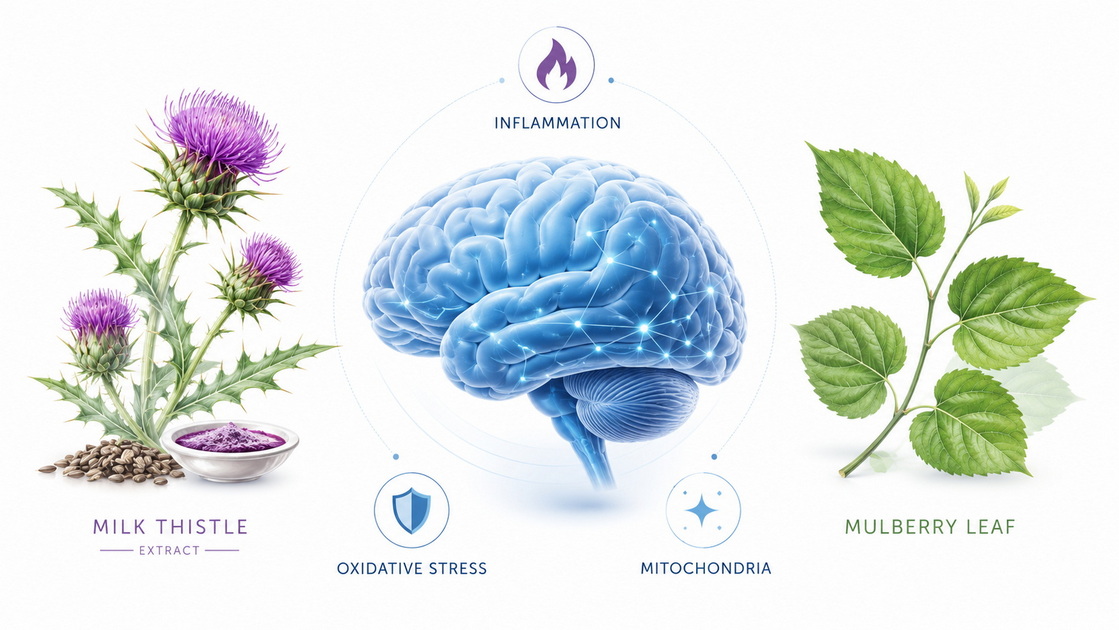
Neuroinflammation refers to immune activation within the central nervous system, usually involving microglia, astrocytes, and inflammatory cytokines such as IL‑1β, IL‑6, and TNF‑α. Chronic activation of these pathways contributes to synaptic loss, neuronal death, and progressive cognitive impairment, often long before clinical symptoms appear. [pubmed.ncbi.nlm.nih]
Key drivers of neuroinflammation:
- Oxidative stress in neurons and glial cells
- Metabolic dysfunction (e.g., diabetes‑associated neurodegeneration)
- Accumulation of misfolded proteins (Tau, amyloid‑β, α‑synuclein) [pmc.ncbi.nlm.nih]
- Environmental toxins and lifestyle factors (poor diet, chronic stress)
For product developers, this means that botanical extracts targeting both inflammation and oxidative stress are particularly attractive as multi‑pathway neuroprotective strategies. [pubmed.ncbi.nlm.nih]
Botaniex and the Strategic Use of Botanical Extracts
Botaniex specializes in standardized botanical extracts and plant‑based ingredients for dietary supplements, functional foods, beverages, cosmetics, and pharmaceutical applications. By integrating botanical science, extraction technologies, and formulation development, companies like Botaniex help brands translate promising data on milk thistle and mulberry leaf into scalable, compliant, and stable ingredient systems. [botaniextract]
For neuroinflammation mitigation solutions, Botaniex can support:
- Standardization of active constituents (e.g., silymarin/silibinin, chlorogenic acids)
- Optimization of solvent systems and extraction parameters to maximize bioactive yield
- Development of custom blends combining milk thistle, mulberry leaf, and complementary antioxidants for differentiated brain‑health formulations. [botaniex]
Milk Thistle Extract and Neuroinflammation – Mechanistic Insights
Core Actives and Pathways
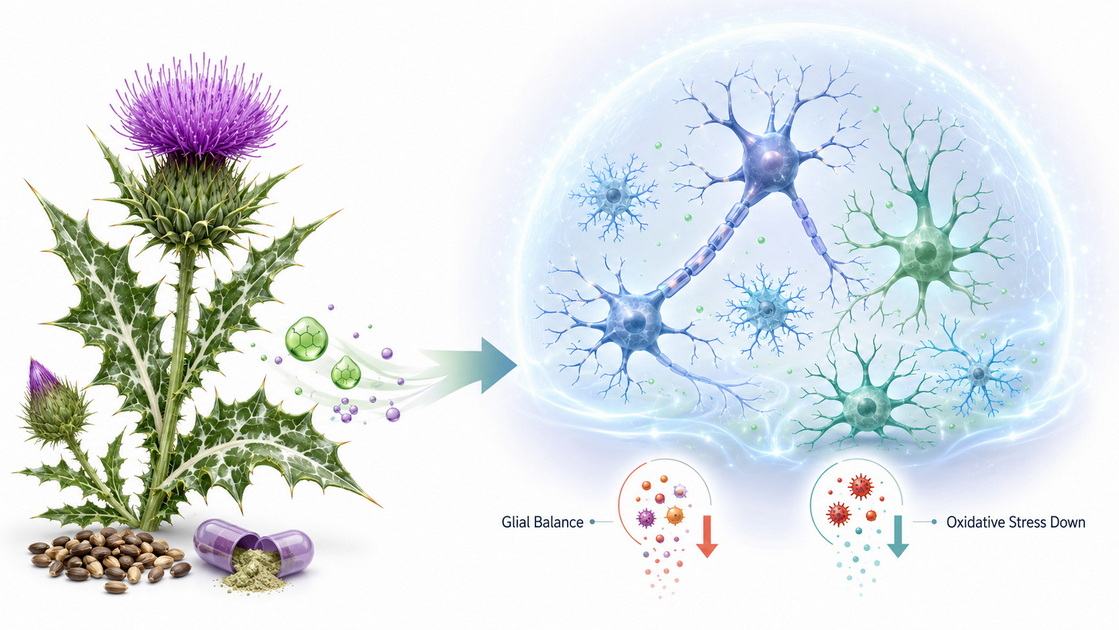
Milk thistle (Silybum marianum) is best known for its silymarin complex, with silibinin as a dominant flavonolignan. Emerging evidence indicates that silymarin/silibinin does more than support liver health—it can suppress cellular inflammation and glial activation relevant to neuroinflammation. [pmc.ncbi.nlm.nih]
Key mechanistic points:
- Suppression of pro‑inflammatory gene expression in immune and neural cells, including pathways linked to NF‑κB and MAPKs. [pmc.ncbi.nlm.nih]
- Reduction of oxidative‑nitrosative stress in astrocyte models exposed to inflammatory stimuli. [pmc.ncbi.nlm.nih]
- Inhibition of astrocyte activation and glial signaling cascades (e.g., p38 MAPK, CX3CR1, P2X4) that contribute to neuroinflammation. [pubmed.ncbi.nlm.nih]
From an expert formulation standpoint, milk thistle extract behaves like a dual‑action anti‑inflammatory and antioxidant, with particular relevance where neuroinflammation is partly driven by systemic metabolic and toxic burdens. [pmc.ncbi.nlm.nih]
Evidence Snapshot for Neuroprotective Effects
Preclinical data suggest that:
- Silymarin suppresses cellular inflammation by modulating transcriptional programs associated with reparative responses, positioning it as a potential neuroprotective phytocomplex. [pmc.ncbi.nlm.nih]
- Silibinin attenuates LPS‑induced oxidative and nitrosative stress in astrocytes, reducing markers of glial activation and damage. [pubmed.ncbi.nlm.nih]
- Silymarin exhibits protective effects in models of diacetyl‑induced neuroinflammation, further supporting its use as a CNS‑relevant anti‑inflammatory agent. [pmc.ncbi.nlm.nih]
For B2B buyers, this profile makes milk thistle extract a compelling primary product when the brand narrative emphasizes "systemic detox + neuroinflammation" and liver‑brain axis support. [pmc.ncbi.nlm.nih]
Mulberry Leaf Extract and Neuroinflammation – Mechanistic Insights
Functional Components and Antioxidant Focus
Mulberry (Morus alba) leaf is increasingly recognized as a functional food ingredient with therapeutic potential in neurological disorders. Its neuroprotective activity is closely tied to polyphenols such as chlorogenic acid (CGA) and neochlorogenic acid (NCGA). [pubs.acs]
Key mechanistic points:
- Potent antioxidant activity, enhancing superoxide dismutase and glutathione peroxidase in neural cells. [pubmed.ncbi.nlm.nih]
- Regulation of Nrf2 and NF‑κB signaling, driving both antioxidant defense and suppression of inflammatory cytokines. [pubs.acs]
- Modulation of proinflammatory proteins including α‑synuclein and amyloid‑β, which are central to neurodegenerative pathology. [pubs.acs]
In practice, mulberry leaf extract aligns well with product concepts focused on metabolic brain‑health, diabetes‑associated neurodegeneration, and Tau/Aβ‑driven neuroinflammation. [pubmed.ncbi.nlm.nih]
Latest Data on Tau, Mitochondria, and Inflammation
Recent studies provide compelling evidence:
- Mulberry leaf extract suppressed pro‑inflammatory mediators (NO, IL‑1β, IL‑6, TNF‑α) and inflammasome components (NLRP3, CASP1) in microglial models exposed to pathological Tau fibrils. [scholar.lib.ntnu.edu]
- It protected neuronal cells (SH‑SY5Y) by reducing LDH release, caspase‑3 activity, reactive oxygen species, and by enhancing neurite outgrowth. [pubmed.ncbi.nlm.nih]
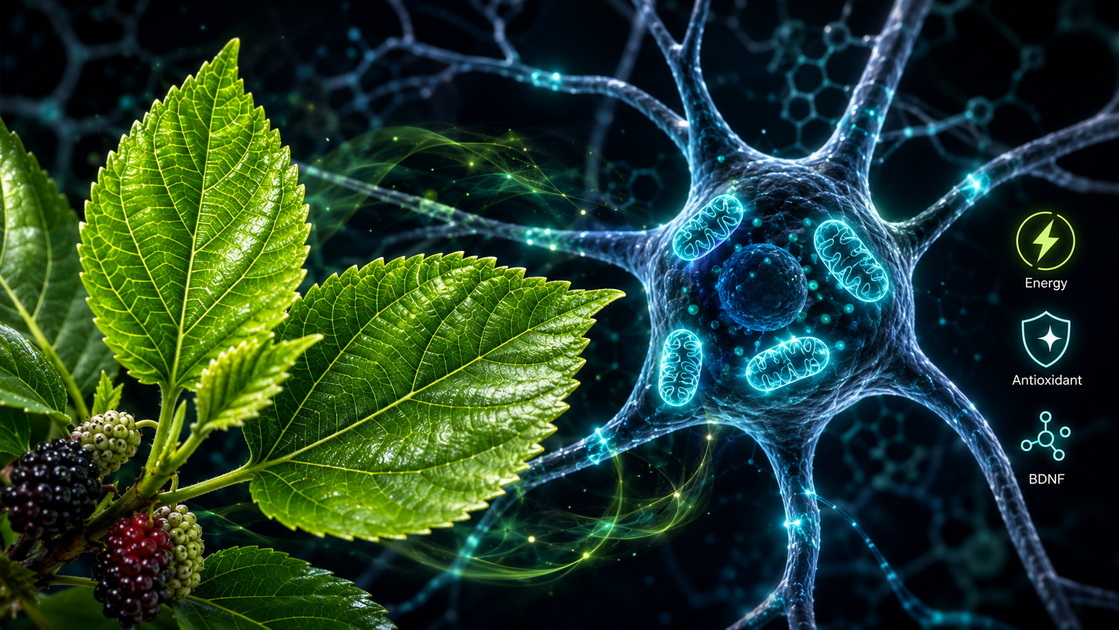
- Mulberry leaf extract improved mitochondrial membrane potential, decreased mitochondrial superoxide, and upregulated antioxidant and detox enzymes such as SOD2, NQO1, and GCLC. [scholar.lib.ntnu.edu]
- In diabetes‑related models, CGA and NCGA from mulberry leaf attenuated oxidative damage and inflammation, downregulated α‑synuclein and Aβ, and bolstered BDNF and tyrosine hydroxylase, indicating robust neuroprotective potential. [pubmed.ncbi.nlm.nih]
For neuroinflammation mitigation, this positions mulberry leaf extract as a secondary (or complementary) product with strong appeal for metabolic and age‑related cognitive health formulations. [pmc.ncbi.nlm.nih]
Head‑to‑Head Comparison – Milk Thistle vs. Mulberry Leaf for Neuroinflammation
Mechanism and Application Comparison Table
| Aspect | Milk Thistle Extract | Mulberry Leaf Extract |
| Primary actives | Silymarin complex, silibinin pmc.ncbi.nlm.nih | CGA, NCGA, diverse polyphenols pubs.acs |
| Core neuroinflammation actions | Suppresses glial and astrocyte activation; reduces inflammatory transcriptional programs pmc.ncbi.nlm.nih | Reduces cytokines (IL‑1β, IL‑6, TNF‑α), inflammasome markers, and oxidative stress pubmed.ncbi.nlm.nih |
| Oxidative stress impact | Attenuates oxidative‑nitrosative stress in CNS models pmc.ncbi.nlm.nih | Enhances antioxidant enzymes; improves mitochondrial function pubmed.ncbi.nlm.nih |
| Disease model relevance | Toxin‑induced neuroinflammation, glial activation, systemic detox‑linked brain stress pmc.ncbi.nlm.nih | Tau pathology, diabetes‑associated neurodegeneration, age‑related cognitive decline pubmed.ncbi.nlm.nih |
| Formulation angle | Liver‑brain axis, detox‑centric brain support, synergy with hepatoprotective claims | Metabolic brain health, functional food positioning, synergy with glycemic and vascular support pmc.ncbi.nlm.nih |
From an industry expert point of view, milk thistle extract is often selected as the primary anti‑inflammatory backbone, while mulberry leaf extract serves as a metabolic and antioxidant co‑star, addressing mitochondrial resilience and protein aggregation. [pubmed.ncbi.nlm.nih]
Formulation Strategy – How Brands Can Mitigate Neuroinflammation
Practical Steps for R&D and Product Managers
Based on current evidence and typical Botaniex‑style capabilities, a stepwise formulation approach could look like this: [botaniextract]
1. Define the neuroinflammation narrative.
- Detox‑driven neuroinflammation (environmental, hepatic, toxin exposure) → prioritize milk thistle extract.
- Metabolic, diabetes‑related, or age‑linked cognitive stress → emphasize mulberry leaf extract.
2. Choose standardized extracts.
- Target standard silymarin levels and silibinin content for milk thistle. [pubmed.ncbi.nlm.nih]
- Specify CGA/NCGA or total polyphenols for mulberry leaf. [pubs.acs]
3. Design synergistic blends.
- Combine milk thistle + mulberry leaf with complementary ingredients (e.g., curcumin, green tea catechins) to address multiple inflammatory and oxidative pathways. [onlinelibrary.wiley]
4. Align dosage and delivery form.
- Capsules and softgels for clinical‑style brain health supplements.
- Powders or ready‑to‑drink formats for functional beverage applications.
5. Plan regulatory and claim language.
- Focus on "supports healthy inflammatory response in the brain," "helps protect neurons from oxidative stress," and "supports brain health in the context of metabolic stress," rather than disease treatment language. [onlinelibrary.wiley]
Unique High‑Value Section – Integrating Latest Research into Brand Storytelling
Translating Complex Mechanisms for Consumers
One recurring challenge I see in B2B collaborations is that brand teams struggle to communicate complex neuroinflammation mechanisms in consumer‑friendly language. Leveraging the latest data on Tau pathology, mitochondrial dysfunction, and glial activation, you can craft clear yet authoritative messaging. [pmc.ncbi.nlm.nih]
Example of consumer‑facing narrative:
- "Our Milk Thistle Extract helps the brain's support cells stay calm, instead of staying stuck in 'overdrive' inflammation mode." [pmc.ncbi.nlm.nih]
- "Our Mulberry Leaf Extract fuels the brain's natural antioxidant defenses and supports the tiny power plants in your cells—your mitochondria—so they can better resist everyday stress." [pubmed.ncbi.nlm.nih]
Internally, communicate to stakeholders that these points are grounded in cell and animal models demonstrating reduced inflammatory markers, enhanced antioxidant activity, and improved neuronal resilience. [scholar.lib.ntnu.edu]
CTA – Partnering for Next‑Generation Neuroinflammation Solutions
If your team is exploring plant‑based strategies to mitigate neuroinflammation, this is the moment to move from theory to formulation trials and pilot batches. Consider collaborating with a botanical specialist such as Botaniex to: [botaniextract]
- Access standardized Milk Thistle Extract and Mulberry Leaf Extract tailored to your application.
- Co‑develop evidence‑informed formulas for dietary supplements, functional beverages, or cognitive‑support foods.
- Build differentiated brain‑health SKUs that leverage science‑backed claims while respecting regulatory boundaries. [onlinelibrary.wiley]
Action step: Start with a small R&D project—benchmark 2–3 extract specifications for each ingredient, run stability and sensory tests, and then iterate towards a hero product that integrates milk thistle's anti‑inflammatory profile with mulberry leaf's antioxidant and metabolic benefits. [pubmed.ncbi.nlm.nih]
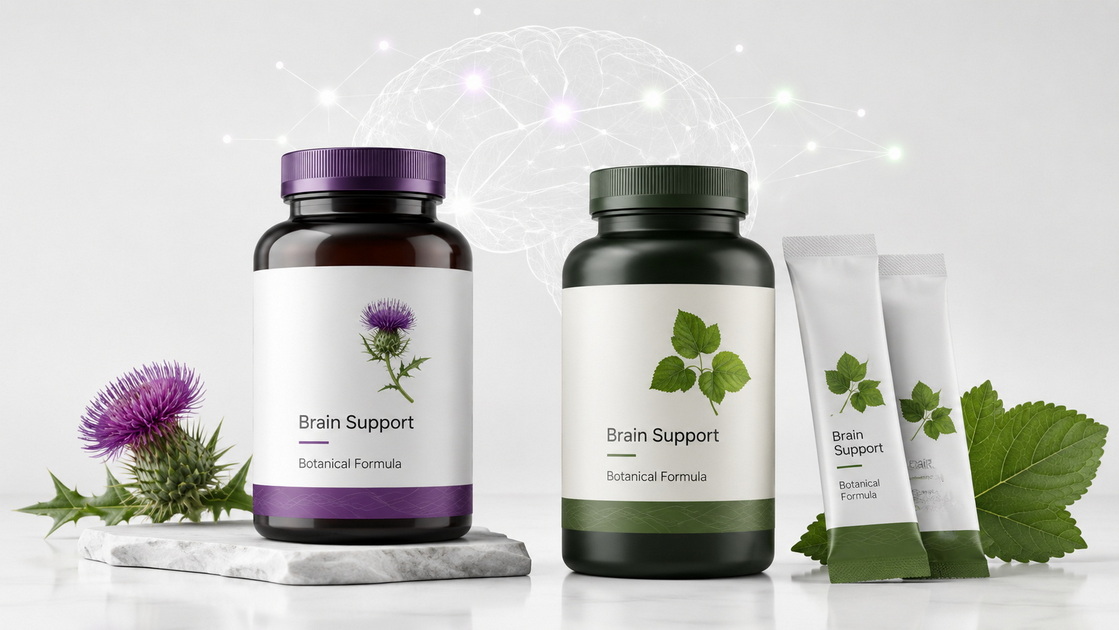
FAQs: Milk Thistle Extract Vs. Mulberry Leaf Extract for Neuroinflammation
Q1: Can milk thistle extract directly treat neurodegenerative diseases?
A1: Current evidence supports neuroprotective and anti‑inflammatory effects in preclinical models, but milk thistle extract is not an approved treatment; it is best positioned as a supportive brain‑health ingredient. [pmc.ncbi.nlm.nih]
Q2: Is mulberry leaf extract more suitable for diabetic patients with cognitive concerns?
A2: Studies show mulberry leaf components (CGA, NCGA) mitigate diabetes‑induced oxidative stress and inflammation in neural cells and animal models, making it particularly relevant to metabolic brain‑health formulations. [pubs.acs]
Q3: Can both extracts be combined in a single formula?
A3: Yes, from a formulation perspective, combining Milk Thistle Extract and Mulberry Leaf Extract allows you to address multiple pathways of neuroinflammation, but dosage, safety, and regulatory compliance must be evaluated per market. [botaniex]
Q4: How important is extract standardization for neuroinflammation claims?
A4: Standardization of key actives (silymarin content, CGA/NCGA levels) is critical for reproducible efficacy, credible marketing, and alignment with the scientific literature cited in your technical dossiers. [pubmed.ncbi.nlm.nih]
Q5: Are there functional food applications for these extracts beyond capsules?
A5: Yes, both extracts can be formulated into functional beverages, powders, and snack formats, provided that taste masking, stability, and regulatory guidelines around brain‑health and inflammation claims are carefully managed. [botaniextract]
References
1. Botaniex. High‑quality Botanical Extracts and Proprietary Herbal Formulas. [Link] [botaniex]
2. Botaniex. Manufacturer of Green Tea Extract, Tongkat Ali … [Link] [botaniextract]
3. Kaur et al. Silymarin Suppresses Cellular Inflammation By Inducing Reparative Responses. [Link] [pmc.ncbi.nlm.nih]
4. Abdel‑Daim et al. Silymarin constrains diacetyl‑prompted oxidative stress and neuroinflammation. [Link] [pmc.ncbi.nlm.nih]
5. Bhat et al. Neuroprotective effects of silibinin: an in silico and in vitro study. [Link] [pubmed.ncbi.nlm.nih]
6. Hsu et al. The potential of mulberry (Morus alba L.) leaf extract against pro‑aggregant Tau‑mediated inflammation and mitochondrial dysfunction. [Link] [pubmed.ncbi.nlm.nih]
7. Chen et al. The Neuroprotective Effects of Primary Functional Components Mulberry Leaf Extract in Diabetes‑Induced Oxidative Stress and Inflammation.* [Link] [pubmed.ncbi.nlm.nih]
8. Zhang et al. Research Progress on Phytochemicals from Mulberry with Neuroprotective and other activities. [Link] [pmc.ncbi.nlm.nih]
9. Hsu et al. The potential of mulberry (Morus alba L.) leaf extract… (additional details). [Link] [sciencedirect]
10. Mulberry plant as a source of functional food with therapeutic and nutritional applications: A review. [Link] [onlinelibrary.wiley]