Content Menu
● Introduction to Cinnamon Bark Extract
>> Cinnamon Bark vs. Cinnamon Leaf
● Potential Skincare Benefits of Cinnamon Bark Extract
● Safer Alternatives for Skincare
● How to Use Cinnamon Safely in Skincare
● Cinnamon in Traditional Medicine
● Combining Cinnamon with Other Skincare Ingredients
● Cinnamon for Specific Skin Types
● Conclusion
● FAQ
>> 1. Is Cinnamon Bark Safe for Skincare?
>> 2. What Are the Benefits of Cinnamon Leaf Essential Oil in Skincare?
>> 3. How Often Can I Use Cinnamon in My Skincare Routine?
>> 4. Can Cinnamon Help with Acne?
>> 5. Is Cinnamon Suitable for Oily Skin?
● Citations:
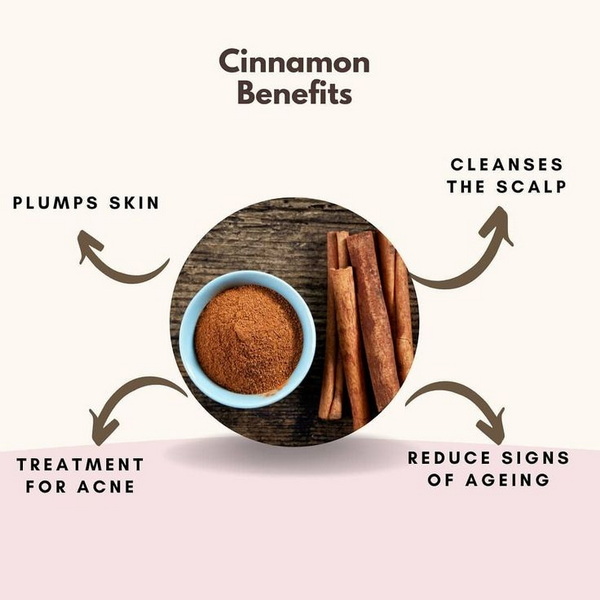
Cinnamon bark extract, derived from the bark of the cinnamon tree, has been used for centuries in traditional medicine and skincare due to its rich bioactive compounds. While cinnamon bark is known for its potent antimicrobial and anti-inflammatory properties, it is generally not recommended for direct skin application due to its potential to cause irritation and allergic reactions. However, when properly processed and diluted, cinnamon bark extract can offer several benefits for skincare. This article explores the potential benefits and uses of cinnamon bark extract in skincare, highlighting its limitations and safer alternatives.
Introduction to Cinnamon Bark Extract
Cinnamon bark is primarily composed of cinnamaldehyde, which is responsible for its distinct aroma and many of its biological activities. However, due to its strong irritant properties, cinnamon bark oil is not typically used in skincare products. Instead, cinnamon leaf essential oil, which is predominantly eugenol, is often preferred for its safer profile when used in moderation and diluted properly in a carrier oil.
Cinnamon Bark vs. Cinnamon Leaf
- Cinnamon Bark: Known for its high concentration of cinnamaldehyde, cinnamon bark is potent but can be a skin irritant. It is not recommended for direct skin application without proper dilution and caution.
- Cinnamon Leaf: Contains eugenol, which is less irritating and offers antimicrobial and anti-inflammatory benefits, making it a safer choice for skincare when used in moderation.
Potential Skincare Benefits of Cinnamon Bark Extract
While cinnamon bark itself is not ideal for direct skin application, its extracts, when processed and diluted, can offer several benefits:
1. Antimicrobial Properties: Cinnamon bark extracts have shown significant antimicrobial activity against various bacteria and fungi, which can help prevent skin infections.
2. Anti-Inflammatory Effects: The compounds in cinnamon bark can help reduce inflammation, which is beneficial for soothing irritated skin conditions like eczema.
3. Antioxidant Properties: Cinnamon extracts contain antioxidants that can protect the skin from oxidative stress, potentially reducing signs of aging.
4. Collagen Stimulation: Some studies suggest that cinnamon extracts may stimulate collagen production, which can improve skin elasticity and reduce wrinkles.
Safer Alternatives for Skincare
Given the potential irritation from cinnamon bark, safer alternatives include:
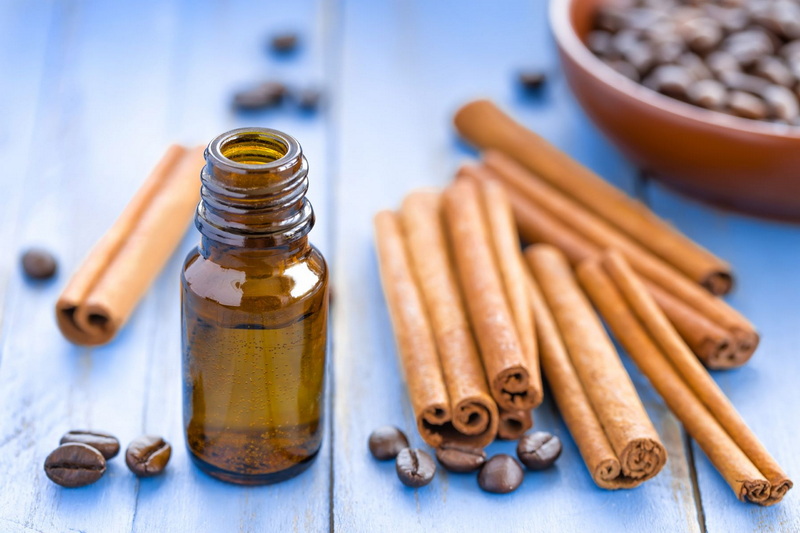
- Cinnamon Leaf Essential Oil: This oil is less irritating and can be used in skincare when diluted properly in a carrier oil.
- Cinnamon Powder: Made from cinnamon bark, it can be used in face masks or scrubs but should be used cautiously to avoid irritation.
How to Use Cinnamon Safely in Skincare
To incorporate cinnamon into your skincare routine safely:
1. Dilute Essential Oils: Always dilute cinnamon leaf essential oil in a carrier oil before applying it to the skin.
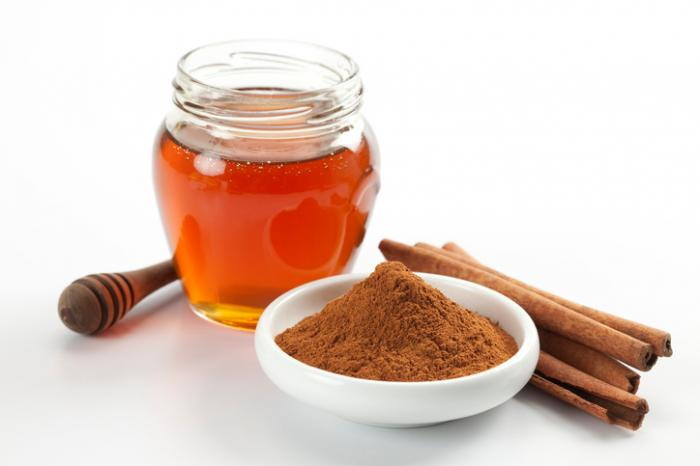
2. Use Cinnamon Powder in Masks: Mix cinnamon powder with other ingredients like honey or yogurt to create a face mask, but avoid leaving it on for too long.
3. Avoid Overuse: Limit the frequency of using cinnamon in skincare to once or twice a week to prevent irritation.
Cinnamon in Traditional Medicine
Cinnamon has been used in traditional medicine for centuries, not only for its skincare benefits but also for its potential health benefits. It is known to help lower blood sugar levels and improve insulin sensitivity, making it a popular ingredient in dietary supplements. However, its use in skincare is more nuanced due to its potential for irritation.
Combining Cinnamon with Other Skincare Ingredients
Cinnamon can be combined with other skincare ingredients to enhance its benefits:
- Honey and Cinnamon Mask: Honey's soothing properties can help mitigate any irritation from cinnamon, while cinnamon's antibacterial properties can help combat acne.
- Cinnamon and Yogurt Exfoliant: Yogurt's lactic acid can gently exfoliate the skin, while cinnamon adds its antimicrobial benefits.
Cinnamon for Specific Skin Types
Cinnamon can be beneficial for various skin types when used appropriately:
- Oily Skin: Cinnamon's antibacterial properties can help control acne and reduce oiliness, but it should be used cautiously to avoid irritation.
- Dry Skin: While cinnamon can be irritating, combining it with moisturizing ingredients like coconut oil or shea butter can help soothe dry skin.
Conclusion
While cinnamon bark extract offers several potential benefits for skincare, its use must be approached with caution due to its potential to cause skin irritation. Safer alternatives like cinnamon leaf essential oil can provide similar benefits without the risk. Always dilute essential oils and use cinnamon powder in moderation to ensure a safe and effective skincare routine.
FAQ
1. Is Cinnamon Bark Safe for Skincare?
Cinnamon bark is not recommended for direct skin application due to its potential to cause irritation and allergic reactions. It should be used with caution and only after proper processing and dilution.
2. What Are the Benefits of Cinnamon Leaf Essential Oil in Skincare?
Cinnamon leaf essential oil offers antimicrobial, antibacterial, and anti-inflammatory benefits, making it suitable for soothing skin conditions like eczema when used in moderation and diluted properly.
3. How Often Can I Use Cinnamon in My Skincare Routine?
It is recommended to use cinnamon in skincare only once or twice a week to avoid irritation. Skincare products infused with cinnamon can be used daily if they are formulated to be gentle and non-irritating.
4. Can Cinnamon Help with Acne?
Yes, cinnamon has antibacterial properties that can help combat acne-causing bacteria. Mixing cinnamon powder with honey can create an effective spot treatment for pimples.
5. Is Cinnamon Suitable for Oily Skin?
Cinnamon has exfoliating and antibacterial properties that can help keep oily skin clear. However, it should be used cautiously to avoid irritation.
Citations:
[1] https://www.myglamm.com/glammstudio/cinnamon-benefits-for-skin
[2] https://www.youtube.com/watch?v=XYBwLbjsoe0
[3] https://papers.ssrn.com/sol3/papers.cfm?abstract_id=4450001
[4] https://patents.google.com/patent/CN102961296B/zh
[5] https://www.esthique.gr/en/blog/articles/cinnamon-skin-benefits
[6] https://www.youtube.com/watch?v=0OSuwbR94rk
[7] https://pmc.ncbi.nlm.nih.gov/articles/PMC4003790/
[8] https://patents.google.com/patent/CN109431846A/zh
[9] https://pmc.ncbi.nlm.nih.gov/articles/PMC9914695/
[10] https://www.lorealparisusa.com/ingredient-library/cinnamon