Content Menu
● Introduction to Banaba Leaf Extract
>> Key Components of Banaba Leaf Extract
● Benefits of Banaba Leaf Extract
>> 1. Blood Sugar Regulation
>> 2. Antioxidant Properties
>> 3. Weight Management
>> 4. Cardiovascular Health
>> 5. Potential Anticancer Effects
● Uses of Banaba Leaf Extract
>> Dosage and Precautions
>> Combining Banaba Leaf Extract with Other Supplements
● Potential Side Effects and Interactions
● Scientific Studies and Evidence
● Cultural and Traditional Use
● Market Trends and Availability
● Future Research Directions
● Conclusion
● Frequently Asked Questions
>> 1. What is Banaba Leaf Extract Used For?
>> 2. How Does Banaba Leaf Extract Lower Blood Sugar?
>> 3. Is Banaba Leaf Extract Safe?
>> 4. Can Banaba Leaf Extract Help with Weight Loss?
>> 5. What Are the Potential Side Effects of Banaba Leaf Extract?
● Citations:
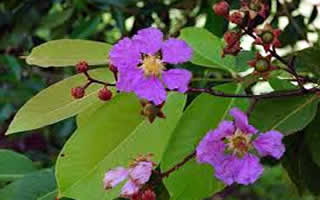
Banaba leaf extract, derived from the Lagerstroemia speciosa tree native to Southeast Asia, has gained significant attention in recent years for its potential health benefits. This traditional herbal remedy has been used for centuries, particularly for managing blood sugar levels and supporting overall health. In this article, we will explore the reasons behind the popularity of Banaba leaf extract in dietary supplements, including its benefits, uses, and potential side effects.
Introduction to Banaba Leaf Extract
Banaba leaves are rich in bioactive compounds such as corosolic acid, ellagic acid, and gallic acid, which contribute to their medicinal properties. The most notable benefit of Banaba leaf extract is its ability to regulate blood sugar levels, making it a popular choice for individuals with diabetes or prediabetes.
Key Components of Banaba Leaf Extract
- Corosolic Acid: This compound is known for its insulin-like effects, helping glucose move from the bloodstream into cells. It also exhibits antioxidant and antihyperlipidemic activities.
- Ellagic Acid: Known for its antioxidant properties, ellagic acid helps neutralize free radicals and reduce oxidative stress.
- Gallic Acid: Another antioxidant found in Banaba leaves, gallic acid contributes to the overall antioxidant profile of the extract.
Benefits of Banaba Leaf Extract
1. Blood Sugar Regulation
Banaba leaf extract is primarily recognized for its ability to lower blood sugar levels. Studies have shown that it can significantly reduce fasting and postprandial glucose levels in individuals with type 2 diabetes. Corosolic acid, a key component, mimics insulin by facilitating the uptake of glucose into cells, thus lowering blood glucose concentrations.
2. Antioxidant Properties
Banaba leaves are rich in antioxidants, which help protect against oxidative stress and cellular damage. These compounds can neutralize free radicals, reducing the risk of chronic diseases such as heart disease and cancer.
3. Weight Management
Emerging research suggests that Banaba leaf extract may aid in weight management by regulating blood sugar levels and reducing cravings, thereby supporting weight loss efforts. It also inhibits adipogenesis and lipogenesis, processes involved in fat cell formation.
4. Cardiovascular Health
Banaba leaf extract may improve cardiovascular health by reducing triglycerides and increasing HDL (good) cholesterol levels. It also exhibits antithrombotic effects, which can help prevent blood clots and reduce the risk of stroke.
5. Potential Anticancer Effects
Some test-tube studies suggest that Banaba leaf extract may have anticancer properties by promoting programmed cell death in certain cancer cells.
Uses of Banaba Leaf Extract
Banaba leaf extract is commonly used in dietary supplements for managing blood sugar levels, supporting weight loss, and enhancing antioxidant defenses. It is often combined with other herbal extracts to enhance its benefits.
Dosage and Precautions
The typical dosage of Banaba leaf extract varies, but common amounts range from 10 mg to 48 mg per day, depending on the specific formulation and intended use. While generally considered safe, individuals should consult with a healthcare provider before starting any new supplement regimen, especially if they have underlying health conditions or are taking medications.
Combining Banaba Leaf Extract with Other Supplements
Banaba leaf extract can be combined with other supplements to enhance its effects. For example, pairing it with chromium picolinate may further improve blood sugar regulation. Additionally, combining it with green tea extract could amplify antioxidant benefits.
Potential Side Effects and Interactions
While Banaba leaf extract is generally well-tolerated, potential side effects and interactions should be considered. It may interact with diabetes medications, so monitoring blood sugar levels closely is important. Additionally, individuals with hypoglycemia should use it cautiously.
Scientific Studies and Evidence
Numerous studies have investigated the efficacy of Banaba leaf extract in managing blood sugar levels and other health benefits. A study published in the Journal of Ethnopharmacology demonstrated significant reductions in blood glucose levels among participants with type 2 diabetes.
Cultural and Traditional Use
Banaba leaves have been used in traditional medicine for centuries, particularly in Southeast Asia. They are valued for their ability to treat various health conditions, including diabetes and fever.
Market Trends and Availability
Banaba leaf extract is widely available in various forms, including capsules, tablets, and powders. Its popularity has led to increased demand, with many manufacturers incorporating it into their supplement lines. Consumers can find Banaba leaf extract in health food stores, online retailers, and through direct sales from manufacturers.
Future Research Directions
Future studies should focus on exploring the long-term effects of Banaba leaf extract on blood sugar regulation and its potential synergistic effects with other herbal extracts. Additionally, investigating its anticancer properties in human trials could provide valuable insights into its therapeutic potential.
Conclusion
Banaba leaf extract has become increasingly popular in dietary supplements due to its potential benefits in blood sugar regulation, antioxidant support, weight management, and cardiovascular health. Its safety profile and lack of significant side effects make it an attractive option for those seeking natural health solutions. However, as with any supplement, it is crucial to consult with a healthcare professional before use.
Frequently Asked Questions
1. What is Banaba Leaf Extract Used For?
Banaba leaf extract is primarily used for managing blood sugar levels, supporting weight loss, and providing antioxidant benefits. It is also explored for its potential effects on cardiovascular health and cancer prevention.
2. How Does Banaba Leaf Extract Lower Blood Sugar?
Banaba leaf extract, particularly corosolic acid, mimics insulin by enhancing glucose uptake into cells, thus lowering blood glucose levels.
3. Is Banaba Leaf Extract Safe?
Banaba leaf extract is generally considered safe, but individuals should consult with a healthcare provider before starting any new supplement regimen, especially if they have underlying health conditions or are taking medications.
4. Can Banaba Leaf Extract Help with Weight Loss?
Banaba leaf extract may aid in weight management by regulating blood sugar levels and reducing cravings, thereby supporting weight loss efforts.
5. What Are the Potential Side Effects of Banaba Leaf Extract?
While generally well-tolerated, potential side effects of Banaba leaf extract are not extensively documented. However, as with any supplement, monitoring for adverse reactions is recommended.
Citations:
[1] https://pmc.ncbi.nlm.nih.gov/articles/PMC3468018/
[2] https://esther-mall.com/blogs/news/effects-of-coleus-banaba-leaf-extract-from-blood-sugar-to-weight-control-3-benefits-of-banaba-leaf
[3] https://blog.csdn.net/anlog/article/details/126811074
[4] https://naturmedscientific.com/banaba-leaf/
[5] https://huggingface.co/openbmb/VisCPM-Chat/raw/main/vocab.txt
[6] https://www.healthline.com/nutrition/banaba-leaf
[7] https://www.webmd.com/vitamins/ai/ingredientmono-1089/banaba
[8] https://www.rxlist.com/supplements/banaba.htm