Content Menu
● Introduction to Cinnamon Bark Extract
>> Cinnamon Bark Extract in Perfumery
>> Benefits of Cinnamon Bark Extract
● Using Cinnamon Bark Extract in Perfume Recipes
>> Recipe 1: Spicy Apple Perfume
>> Recipe 2: Floral Spice Perfume
● Benefits Beyond Perfumery
>> Skincare Benefits
>> Culinary Uses
>> Historical Use of Cinnamon
● Sustainability and Ethical Sourcing
>> Sustainable Harvesting Practices
>> Supporting Local Communities
● Conclusion
● FAQ
>> 1. What is the primary component responsible for the aroma of cinnamon bark extract?
>> 2. How does cinnamon bark extract benefit perfumes?
>> 3. Can cinnamon bark extract be used in skincare?
>> 4. What are some common blends for cinnamon bark extract in perfumery?
>> 5. How should cinnamon bark essential oil be used for topical applications?
● Citations:
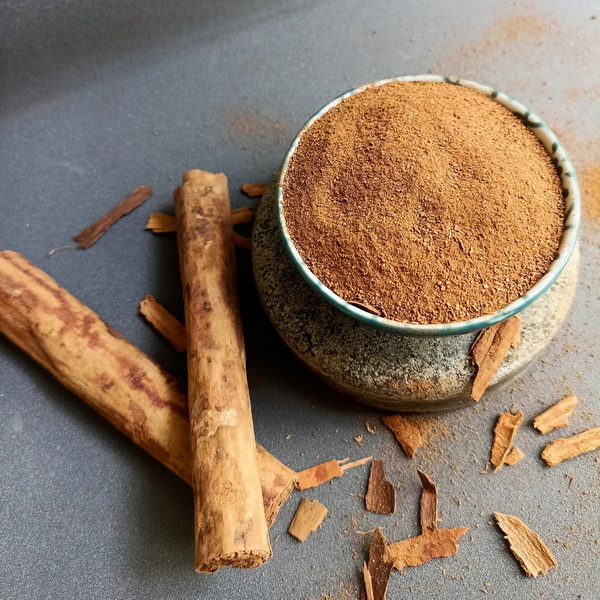
Cinnamon bark extract, derived from the bark of the Cinnamomum zeylanicum tree, has become a highly sought-after ingredient in the world of natural perfumery. Its unique blend of sweet, spicy, and woody aromas makes it an ideal choice for creating complex and captivating fragrances. In this article, we will delve into the reasons behind cinnamon bark extract's popularity in natural perfumes, explore its benefits, and discuss how it can be used effectively in perfumery.
Introduction to Cinnamon Bark Extract
Cinnamon bark extract is renowned for its rich, warm scent, which is both inviting and comforting. This extract is obtained through a process that captures the essence of cinnamon bark, preserving its potent aromatic compounds. The primary component responsible for its distinctive smell and flavor is cinnamaldehyde, a compound known for its medicinal and aromatic properties.
Cinnamon Bark Extract in Perfumery
In perfumery, cinnamon bark extract is often used as a middle note, adding depth and warmth to fragrances. It blends well with other spices like clove bud and nutmeg, creating a robust and spicy accord. Additionally, it pairs beautifully with floral notes, such as ylang-ylang, and can enhance fruity blends by adding a gourmand flair.
Benefits of Cinnamon Bark Extract
1. Unique Aroma: The extract's warm, spicy aroma is highly prized in perfumery for its ability to evoke feelings of comfort and relaxation.
2. Versatility: It can be used in a variety of fragrance types, from spicy orientals to fruity and floral blends.
3. Antioxidant Properties: Cinnamon bark extract contains antioxidants, which can help preserve the longevity of perfumes by protecting them from oxidation.
4. Emotional Impact: The scent of cinnamon is often associated with warmth and coziness, making it a popular choice for seasonal fragrances.
5. Cultural Significance: Cinnamon has been used for centuries in various cultures for its aromatic and medicinal properties, adding a layer of tradition and heritage to perfumes.
Using Cinnamon Bark Extract in Perfume Recipes
Creating perfumes with cinnamon bark extract can be both fun and rewarding. Here are a few recipes to get you started:
Recipe 1: Spicy Apple Perfume
Ingredients:
- 2 tablespoons beeswax
- 1/2 cup nutty carrier oil (walnut or sweet almond)
- 1/4 teaspoon Vitamin E oil
- A few drops each of cinnamon bark, allspice, nutmeg, ginger, lemon, and vanilla essential oils
- Apple green fragrance oil (optional)
Instructions:
1. Melt the beeswax and carrier oil together.
2. Remove from heat and let cool slightly.
3. Add Vitamin E oil and essential oils.
4. Stir well and pour into a container to cool and solidify.
Recipe 2: Floral Spice Perfume
Ingredients:
- 2 tablespoons beeswax
- 1/2 cup lightly scented carrier oil
- 1/4 teaspoon Vitamin E oil
- A few drops each of cinnamon bark, rose, geranium, lemon, and ylang-ylang essential oils
Instructions:
1. Melt the beeswax and carrier oil together.
2. Remove from heat and let cool slightly.
3. Add Vitamin E oil and essential oils.
4. Stir well and pour into a container to cool and solidify.
Benefits Beyond Perfumery
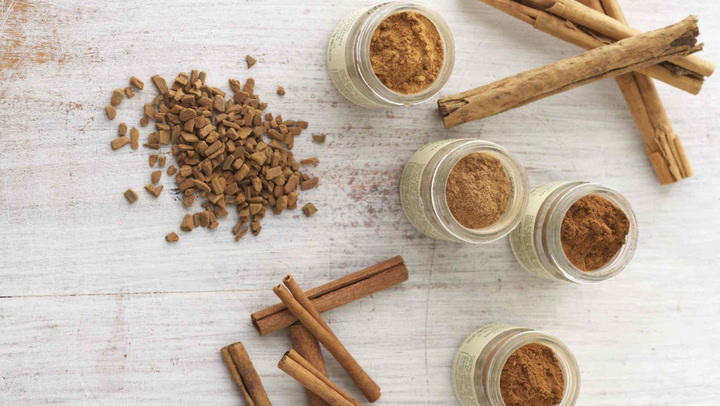
Cinnamon bark extract is not only valuable in perfumery but also offers numerous health benefits. It is known for its antioxidant, anti-inflammatory, and antimicrobial properties, making it a popular ingredient in skincare and culinary applications.
Skincare Benefits
Cinnamon bark extract can help reduce acne by combating bacteria and soothe irritated skin due to its anti-inflammatory properties. It also enhances skin texture and gives the skin a natural glow by stimulating blood flow.
Culinary Uses
In cooking, cinnamon bark extract adds a warm, spicy flavor to dishes. It is commonly used in baked goods, desserts, and beverages, providing a depth of flavor that complements sweet and savory recipes alike.
Historical Use of Cinnamon
Cinnamon has been used for thousands of years, dating back to ancient civilizations in Egypt, China, and Rome. Its value was so high that it was often used as a form of currency. Today, it remains a staple in many cuisines and is cherished for its aromatic and medicinal properties.
Sustainability and Ethical Sourcing
As with any natural ingredient, it is crucial to ensure that cinnamon bark extract is sourced sustainably and ethically. This involves supporting suppliers who practice environmentally friendly harvesting methods and fair labor practices.
Sustainable Harvesting Practices
Sustainable harvesting of cinnamon bark involves careful selection of mature trees and removal of only the bark, allowing the tree to continue growing. This method not only preserves the ecosystem but also ensures a consistent supply of high-quality cinnamon.
Supporting Local Communities
Ethical sourcing also involves supporting local communities by providing fair wages and promoting local economic development. This not only benefits the communities but also ensures that the quality of the extract remains high.
Conclusion
Cinnamon bark extract is a versatile and highly sought-after ingredient in natural perfumery due to its unique aroma, versatility, and antioxidant properties. Whether used in perfumes, skincare, or culinary applications, it offers a range of benefits that make it a top choice for those seeking natural and effective solutions.

FAQ
1. What is the primary component responsible for the aroma of cinnamon bark extract?
Cinnamaldehyde is the primary component responsible for the distinctive smell and flavor of cinnamon bark extract.
2. How does cinnamon bark extract benefit perfumes?
Cinnamon bark extract adds depth and warmth to perfumes, enhances longevity due to its antioxidant properties, and creates a cozy, inviting aroma.
3. Can cinnamon bark extract be used in skincare?
Yes, cinnamon bark extract is beneficial in skincare due to its anti-inflammatory, antimicrobial, and antioxidant properties, which help reduce acne and soothe irritated skin.
4. What are some common blends for cinnamon bark extract in perfumery?
Cinnamon bark extract blends well with spices like clove bud and nutmeg, floral notes like ylang-ylang, and fruity accords like apple or orange.
5. How should cinnamon bark essential oil be used for topical applications?
Cinnamon bark essential oil should be well diluted with a carrier oil before topical use to avoid skin irritation.
Citations:
[1] https://www.newdirectionsaromatics.com/blog/cinnamon-bark-essential-oil-benefits/
[2] https://www.bbcgoodfood.com/health/nutrition/health-benefits-cinnamon
[3] https://www.botaniex.com/what-are-the-best-ways-to-use-cinnamon-bark-extract-for-skin-care.html
[4] https://patents.google.com/patent/CN106137778A/zh
[5] https://sugmys.com/product/cinnamon-bark-essential-oil/
[6] https://draxe.com/nutrition/health-benefits-cinnamon/
[7] https://www.gulfood.com/gulfood-2025-products/all-natural-vegan-sugar-free-alcohol-free-ceylon-cinnamon-bark-extract
[8] https://patents.google.com/patent/CN101460134B/zh
[9] https://pmc.ncbi.nlm.nih.gov/articles/PMC9914695/