Content Menu
● Banaba Leaf Extract vs. Cistanche Deserticola Extract: Selecting the Superior Insulin Sensitivity Enhancement
● Why Insulin Sensitivity Matters for Modern Formulations
● Banaba Leaf Extract – Mechanisms and Clinical Evidence for Insulin Sensitivity
>> Bioactives and Core Mechanisms
>> Human Data on Insulin Sensitivity and Metabolic Syndrome
● Cistanche Deserticola Extract – Metabolic Support Beyond Insulin
>> Traditional Use and Bioactive Profile
>> Evidence for Glucose and Lipid Metabolism
● Side‑by‑Side Comparison – Insulin Sensitivity Focus
>> Comparative Evidence Table
● Expert Formulation Perspective – How I Would Position Banaba vs. Cistanche
>> When to Lead With Banaba Leaf Extract
>> When Cistanche Deserticola Adds Strategic Value
● Practical Development Guide – Building an Insulin Sensitivity‑Focused Formula
>> Structuring a Banaba‑Centered Metabolic Formula
>> UX‑Oriented Messaging on Packs and Websites
● Safety, Regulatory, and Quality Considerations
>> Tolerability and Interactions
>> How Botaniex Strengthens Quality
● My Professional Verdict – Which Extract Is Superior for Insulin Sensitivity?
● Clear Call to Action for Brand Owners and Formulators
● FAQs: Banaba Leaf Extract vs. Cistanche Deserticola Extract
● References
Banaba leaf extract generally shows stronger and more direct evidence for improving insulin sensitivity than Cistanche deserticola extract, making it the more compelling primary ingredient when your product's positioning is "superior insulin sensitivity enhancement" for metabolic health formulations. [pmc.ncbi.nlm.nih]
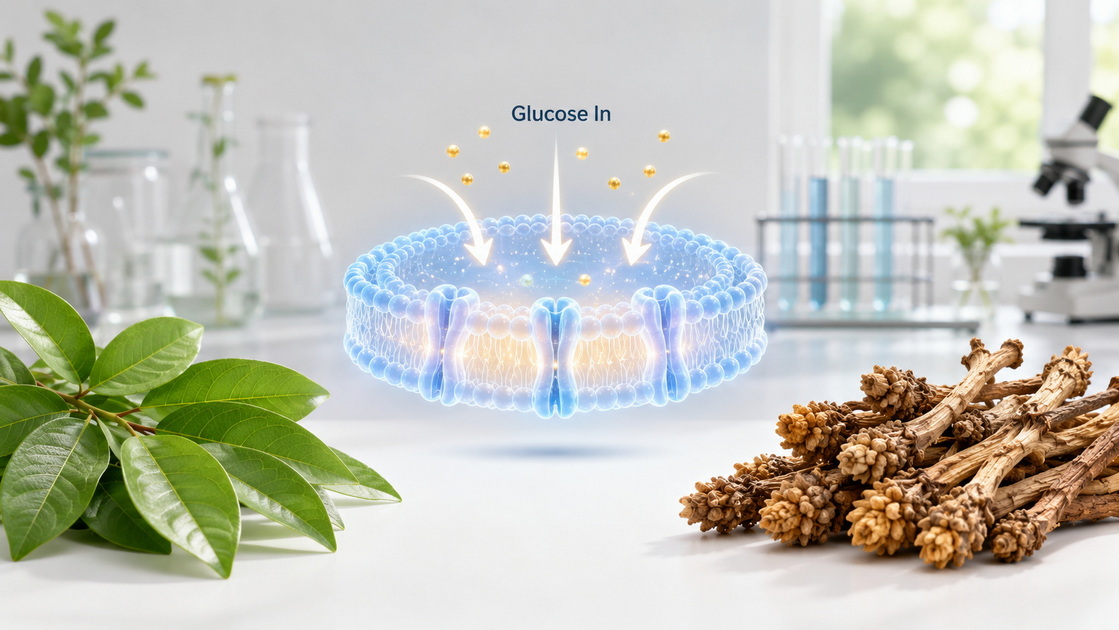
Banaba Leaf Extract vs. Cistanche Deserticola Extract: Selecting the Superior Insulin Sensitivity Enhancement
From my perspective as a formulator working with metabolic health brands, insulin sensitivity is now a core differentiator in blood sugar support products, not just "glucose lowering." When we compare Banaba leaf extract and Cistanche deserticola extract, both show promise for glycemic control, but their evidence depth, mechanisms, and application scenarios are not equal. For Botaniex, which specializes in high‑quality botanical extracts and tailored formulations, emphasizing Banaba as the primary active and Cistanche as a complementary adaptogenic support creates both a science‑backed and commercially compelling positioning. [botaniex]
Why Insulin Sensitivity Matters for Modern Formulations
Insulin sensitivity describes how effectively cells respond to insulin to take up glucose, which directly influences fasting glucose, post‑prandial spikes, triglycerides, and overall metabolic syndrome risk. Decreased sensitivity (insulin resistance) is strongly associated with type 2 diabetes, abdominal obesity, fatty liver, and cardiovascular disease, so ingredient choices that go beyond simple glucose lowering to target underlying insulin signaling are gaining priority in new product development. [magistralbr.caldic]
For brand owners and R&D teams, "insulin sensitivity enhancement" enables differentiated claims such as "supports healthy insulin function," "optimizes glucose uptake," or "supports a healthy metabolic response to carbohydrates," where permitted by local regulations. This is why comparing Banaba leaf extract vs. Cistanche deserticola extract is not just academic—it directly informs positioning, formulation architecture, and claim strategy. [botaniex]
Banaba Leaf Extract – Mechanisms and Clinical Evidence for Insulin Sensitivity
Bioactives and Core Mechanisms
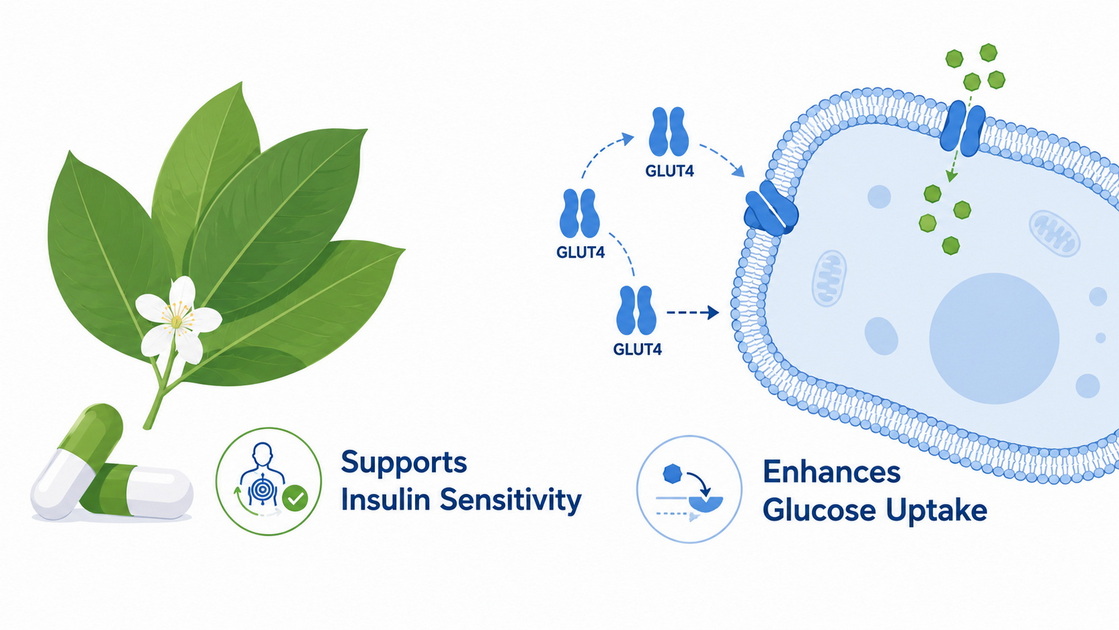
Banaba (Lagerstroemia speciosa) leaf extract contains corosolic acid plus ellagitannins and gallotannins that collectively drive its insulin‑modulating effects. Corosolic acid has been shown to lower blood sugar by enhancing insulin sensitivity, increasing glucose uptake, and inhibiting alpha‑glucosidase, acting in an "insulin‑mimetic" fashion. [healthline]
Key mechanistic points supported in the literature include: [ithy]
- GLUT4 translocation: Banaba extracts facilitate translocation of glucose transporter 4 (GLUT4) to the cell membrane, improving cellular glucose uptake in adipose and muscle tissue.
- Insulin signaling modulation: Corosolic acid activates pathways similar to insulin, improving sensitivity at the receptor and post‑receptor level.
- Reduced hepatic glucose output: Some data suggest decreased gluconeogenesis and improved lipid parameters, supporting overall metabolic health.
- Alpha‑glucosidase inhibition: Slows carbohydrate digestion, dampening post‑meal glucose spikes.
Human Data on Insulin Sensitivity and Metabolic Syndrome
Compared with many botanicals, Banaba has direct human data on insulin sensitivity and metabolic syndrome. [liebertpub]
Representative findings include:
- A review of animal and human studies found that corosolic acid significantly decreased blood glucose, improved insulin sensitivity, and lowered serum triglycerides and cholesterol without major adverse effects. [magistralbr.caldic]
- In a clinical study in metabolic syndrome patients, Banaba (500 mg twice daily for 12 weeks) led to significant reductions in fasting plasma glucose, triglycerides, very low‑density lipoprotein, insulin area‑under‑curve, and markers related to insulin secretion, with remission of metabolic syndrome in 67% of participants. [liebertpub]
- Other reports show fasting glucose reductions of roughly 10–30% in type 2 diabetics and individuals with elevated fasting glucose when standardized Banaba or corosolic acid was used. [casi]
Typical supplemental dosages for standardized Banaba leaf extract range around 32–48 mg/day (often standardized to 1% corosolic acid), used for 2 weeks or longer, with good tolerability in available data. [yourdailyfit]
Cistanche Deserticola Extract – Metabolic Support Beyond Insulin
Traditional Use and Bioactive Profile
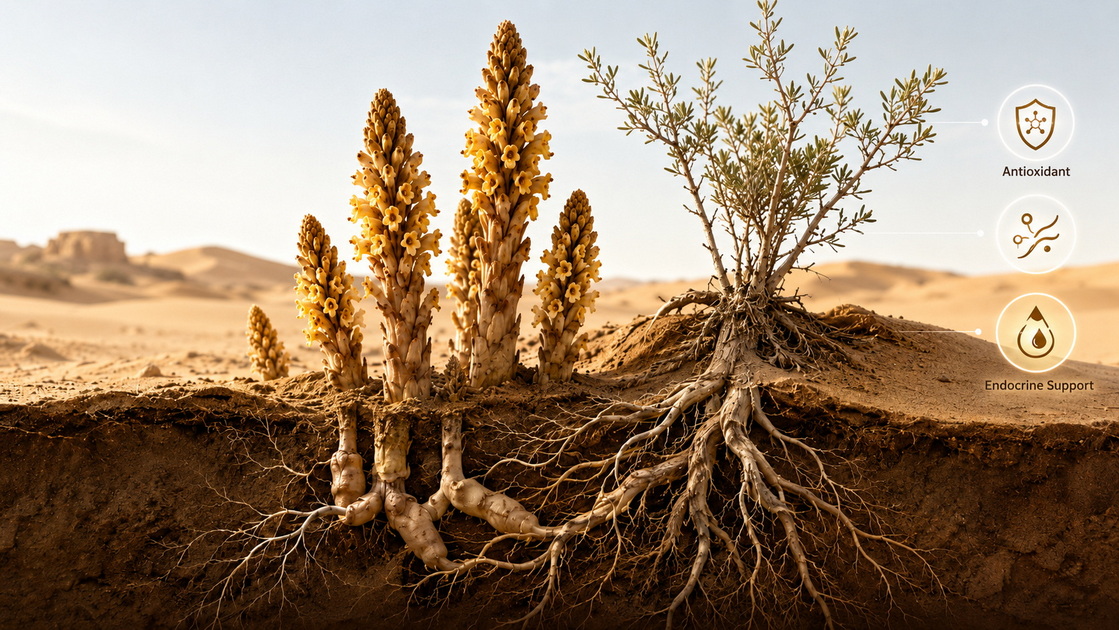
Cistanche deserticola, often called "desert ginseng," is traditionally used in Chinese medicine for kidney yang deficiency, fatigue, and age‑related complaints. Its main bioactives include phenylethanoid glycosides such as echinacoside and acteoside, which show antioxidant, neuroprotective, and immune‑modulating properties. These broader systemic effects indirectly interface with endocrine and metabolic functions, making Cistanche attractive as a multi‑target adaptogenic ingredient in complex formulations. [pmc.ncbi.nlm.nih]
Evidence for Glucose and Lipid Metabolism
Most insulin‑related data for Cistanche come from animal models, often focusing on Cistanche tubulosa but mechanistically related to Cistanche deserticola. [pubmed.ncbi.nlm.nih]
Key observations from preclinical studies include:
- Total glycosides from Cistanche tubulosa significantly improved hyperglycemia and hyperlipidemia in diet/streptozotocin‑induced diabetic rats, mainly by reducing oxidative stress and inflammation. [sciencedirect]
- Cistanche extracts have been reported to modulate endocrine and immune pathways, which may secondarily support glucose and lipid homeostasis. [pubmed.ncbi.nlm.nih]
However, direct human clinical data specifically targeting insulin sensitivity are limited, and most evidence is indirect (e.g., glycemic markers, lipid changes, or broader endocrine outcomes). This positions Cistanche deserticola more as a supportive metabolic and vitality ingredient rather than a primary, evidence‑led insulin‑sensitizing agent. [pmc.ncbi.nlm.nih]
Side‑by‑Side Comparison – Insulin Sensitivity Focus
Comparative Evidence Table
| Dimension | Banaba Leaf Extract | Cistanche Deserticola Extract |
| Primary bioactives | Corosolic acid, ellagitannins, gallotannins (healthline) | Phenylethanoid glycosides (echinacoside, acteoside) (pmc.ncbi.nlm.nih) |
| Core metabolic focus | Direct insulin sensitivity enhancement, glucose uptake, post‑prandial control (healthline) | Broad metabolic support via antioxidant, anti‑inflammatory and endocrine modulation (pubmed.ncbi.nlm.nih) |
| Human clinical data on insulin | Multiple human studies, including metabolic syndrome trial with improved insulin‑related endpoints (pmc.ncbi.nlm.nih) | Human data on insulin sensitivity are limited; evidence mainly from animal and mechanistic research (pubmed.ncbi.nlm.nih) |
| Mechanisms linked to insulin | GLUT4 translocation, insulin‑mimetic signaling, alpha‑glucosidase inhibition, improved lipid profile (healthline) | Reduced oxidative stress and inflammation, endocrine regulation that may indirectly affect glucose metabolism (pubmed.ncbi.nlm.nih) |
| Typical dosage ranges | ~32–48 mg/day of standardized extract (often 1% corosolic acid) in human use (healthline) | Dosage varies widely; current guidelines extrapolated mainly from preclinical and traditional use (pubmed.ncbi.nlm.nih) |
| Best positioning | Hero ingredient for insulin sensitivity and metabolic syndrome support formulas (botaniex) | Supporting adaptogen to enhance resilience, energy, and long‑term metabolic balance (pmc.ncbi.nlm.nih) |
From an evidence‑based formulation standpoint, Banaba clearly leads when "superior insulin sensitivity enhancement" is the central value proposition, while Cistanche plays better as a complementary ingredient for overall endocrine and vitality support. [pmc.ncbi.nlm.nih]
Expert Formulation Perspective – How I Would Position Banaba vs. Cistanche
When to Lead With Banaba Leaf Extract
As a product strategist working with metabolic health portfolios, I recommend Banaba leaf extract as the primary driver when:
- The claim set emphasizes insulin sensitivity, post‑meal glucose response, or metabolic syndrome support. [botaniex]
- The target audience includes pre‑diabetic consumers, individuals with metabolic syndrome, or users already tracking fasting glucose and HOMA‑IR.
- The brand needs clear clinical narratives and quantifiable endpoints such as reductions in fasting glucose, triglycerides, and insulin AUC. [magistralbr.caldic]
In these cases, Cistanche deserticola can still be included, but usually at a supporting dose, framed around energy, healthy aging, and long‑term metabolic resilience rather than the main insulin‑sensitive mechanism. [pubmed.ncbi.nlm.nih]
When Cistanche Deserticola Adds Strategic Value
Cistanche becomes particularly valuable when you aim to:
- Support older adults where fatigue, cognitive function, and immune modulation are key buying triggers alongside metabolic balance. [pmc.ncbi.nlm.nih]
- Differentiate with an adaptogenic narrative—"desert ginseng" for vitality—layered on top of a core metabolic active like Banaba. [pubmed.ncbi.nlm.nih]
- Build a premium multi‑herb formula that addresses stress‑metabolism interplay (e.g., adrenal support + insulin sensitivity) for health‑conscious professionals.
In this model, Banaba does the insulin sensitivity heavy lifting, while Cistanche increases perceived holistic value and supports longer‑term adherence.
Practical Development Guide – Building an Insulin Sensitivity‑Focused Formula
Structuring a Banaba‑Centered Metabolic Formula
For brands purchasing from Botaniex, a typical product architecture for an insulin‑sensitivity‑first capsule might look like this (illustrative only, not regulatory advice): [botaniex]
1. Primary active – Banaba leaf extract
- Standardization: e.g., 1% corosolic acid (or another defined spec supported by Botaniex's internal QC). [healthline]
- Daily dose: 32–48 mg, divided pre‑meal, aligned with available human data. [yourdailyfit]
2. Secondary support – Cistanche deserticola extract
- Standardized for key phenylethanoid glycosides, aligned with Botaniex's internal specs.
- Positioned for "vitality," "healthy aging," and "endocrine balance" within regulatory limits. [pmc.ncbi.nlm.nih]
3. Synergistic co‑actives (examples, not exhaustive)
- Magnesium, chromium, or alpha‑lipoic acid for complementary metabolic support.
- Fiber or polyphenols to reinforce post‑prandial glucose management where permitted.
4. Usage instructions
- Suggested timing: 15–30 minutes before carb‑containing meals to maximize support of post‑prandial insulin function, based on Banaba usage patterns. [yourdailyfit]
UX‑Oriented Messaging on Packs and Websites
From a UX and conversion standpoint, copy should translate complex science into short, benefit‑first bullets:
- Supports healthy insulin sensitivity and glucose uptake
- Helps manage post‑meal blood sugar response
- Backed by clinical research on Banaba leaf extract [liebertpub]
- Enhanced with Cistanche deserticola for long‑term metabolic and vitality support [pmc.ncbi.nlm.nih]
Short explanatory tooltips or accordions on product pages can link to deeper explanation for expert or B2B buyers.
Safety, Regulatory, and Quality Considerations
Tolerability and Interactions
Available evidence suggests that Banaba leaf extract, in typical supplemental doses (around 32–48 mg/day standardized to corosolic acid), is generally well tolerated, with both animal and human data supporting safety when used appropriately. However, because of its glucose‑lowering potential, combining Banaba with antidiabetic drugs may increase the risk of hypoglycemia, so co‑use should always be supervised by a healthcare professional. [healthline]
Cistanche deserticola is also generally considered safe in traditional use ranges, though systematic human safety data at concentrated extract doses remain more limited and should be assessed case‑by‑case. For both botanicals, brands should consider local regulatory frameworks (e.g., novel food status, allowable claims, maximum daily intakes) and emphasize that products are not a substitute for prescribed therapies. [pubmed.ncbi.nlm.nih]
How Botaniex Strengthens Quality
Botaniex's positioning as a market‑oriented, research‑driven manufacturer of botanical extracts means its value is not only in supplying raw materials but also in providing standardized, traceable, and customizable extracts tailored to specific formulation goals. For insulin sensitivity‑focused products, this can include specification‑driven Banaba extracts with defined corosolic acid content and Cistanche extracts optimized for consistent phenylethanoid glycoside profiles, along with technical documentation and formulation support. [shippingonline]
My Professional Verdict – Which Extract Is Superior for Insulin Sensitivity?
Bringing together mechanistic, clinical, and practical perspectives, Banaba leaf extract stands out as the superior choice when insulin sensitivity enhancement is the core promise. It offers direct human data, clearly described mechanisms (GLUT4, insulin‑mimetic signaling, alpha‑glucosidase inhibition), and measurable clinical outcomes in metabolic syndrome and dysglycemia. [ithy]
Cistanche deserticola extract, in contrast, excels as a supportive adaptogen—beneficial for oxidative stress, inflammation, neuroprotection, and broader endocrine regulation—but with less direct human evidence tied specifically to insulin sensitivity endpoints. For Botaniex's B2B customers, the most competitive strategy is to lead with Banaba for insulin sensitivity and position Cistanche as a synergistic, long‑term vitality and metabolic balance co‑ingredient. [pubmed.ncbi.nlm.nih]
Clear Call to Action for Brand Owners and Formulators
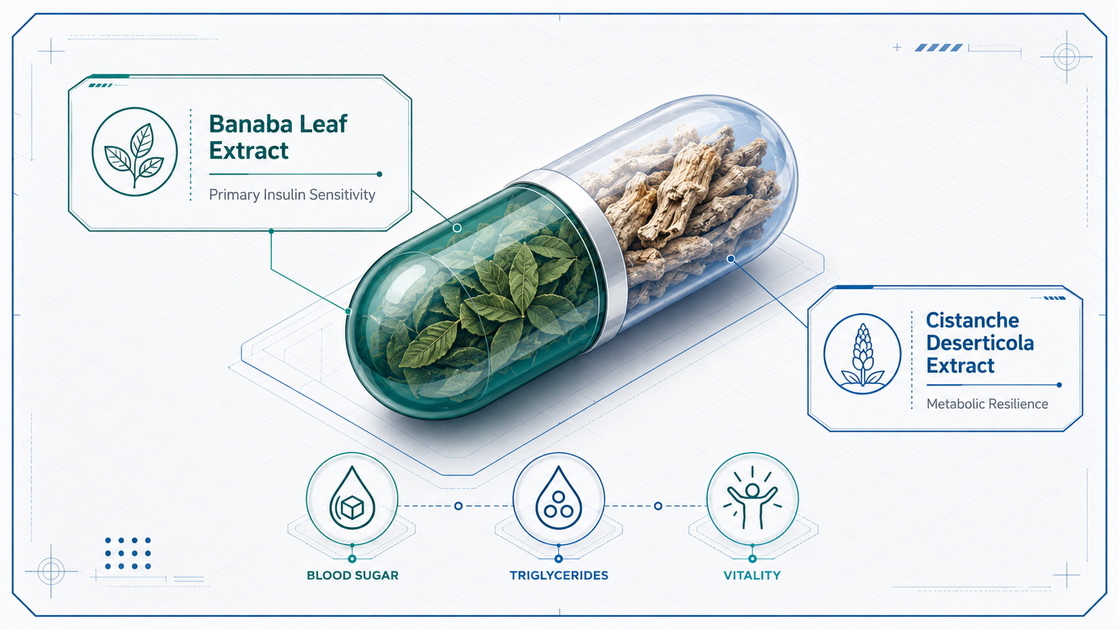
If you are developing or upgrading a blood sugar or metabolic health product, the evidence strongly supports Banaba leaf extract as your primary insulin sensitivity ingredient, with Cistanche deserticola as an optional, value‑adding secondary component. To optimize standardization, dosage, and synergy with other actives, work with Botaniex's technical team to co‑design a Banaba‑centric formulation that aligns with your target market, regulatory environment, and desired claims. [botaniex]
Contact Botaniex to request technical dossiers, sample specifications, and formulation guidance for Banaba leaf extract and Cistanche deserticola extract, and use this comparison as the scientific backbone of your product positioning and marketing narratives. [botaniex]
FAQs: Banaba Leaf Extract vs. Cistanche Deserticola Extract
Q1. Can Banaba and Cistanche be used together in one formula?
Yes, combining Banaba (for direct insulin sensitivity support) with Cistanche (for antioxidant, endocrine, and vitality support) can create a more holistic metabolic health product, provided total glucose‑lowering potential and regulatory limits are considered. [pmc.ncbi.nlm.nih]
Q2. How quickly might users notice changes in blood sugar with Banaba?
Some human studies report improvements in fasting and post‑prandial glucose within 2–12 weeks of standardized Banaba supplementation, though individual responses vary and lifestyle factors remain crucial. [healthline]
Q3. Is Banaba leaf extract suitable for people already taking antidiabetic medication?
Due to its glucose‑lowering and insulin‑sensitizing effects, Banaba should be used cautiously alongside antidiabetic drugs; medical supervision is essential to reduce the risk of excessive blood sugar reduction. [botaniex]
Q4. Does Cistanche deserticola directly improve insulin sensitivity?
Current evidence suggests Cistanche supports metabolic health mainly by reducing oxidative stress, inflammation, and modulating endocrine pathways, with less direct human data specifically quantifying insulin sensitivity changes compared with Banaba. [pubmed.ncbi.nlm.nih]
Q5. What makes Botaniex a strong partner for insulin sensitivity‑focused products?
Botaniex combines R&D‑driven development of botanical extracts with advanced production technologies and value‑added services, enabling standardized Banaba and Cistanche extracts plus formulation support tailored to insulin sensitivity and metabolic health products. [botaniex]
References
1. Botaniex official website – Company profile and product scope. [botaniex]
2. Botaniex overview as a natural ingredient manufacturer. [shippingonline]
3. Botaniex news and value‑added services – health food and dietary supplement focus. [botaniex]
4. Healthline – Overview of Banaba leaf, corosolic acid, and insulin‑related mechanisms. [healthline]
5. Miura T. et al. "Management of Diabetes and Its Complications with Banaba (Lagerstroemia speciosa L.) and Corosolic Acid." Evidence‑Based Complementary and Alternative Medicine. [magistralbr.caldic]
6. Journal of Medicinal Food – "Effect of Banaba (Lagerstroemia speciosa) on Metabolic Syndrome, Insulin Sensitivity, and Insulin Secretion." [liebertpub]
7. Review and educational content on Banaba's antidiabetic properties and corosolic acid effects. [casi]
8. Article and clinical‑style guidance on Banaba's role in blood sugar management and dosing. [yourdailyfit]
9. Botaniex article – "How Does Banaba Leaf Extract Help With Diabetes Management?" [botaniex]
10. Botaniex article – "Banaba Leaf Extract vs. Cinnamon: Which Is More Potent for Insulin Sensitivity?" [botaniex]
11. Research on hypoglycemic and hypolipidemic effects of total glycosides of Cistanche in diabetic animal models. [sciencedirect]
12. Article on Cistanche deserticola – endocrine regulation, immune modulation and metabolic relevance. [pmc.ncbi.nlm.nih]
13. Study indicating anti‑hyperglycemic and hypolipidemic effects of Cistanche tubulosa. [pubmed.ncbi.nlm.nih]