Content Menu
● Introduction to Banaba Leaf Extract
>> Key Components of Banaba Leaf Extract:
● Comparison with Other Herbal Supplements
>> 1. Berberine
>> 2. Gymnema Sylvestre
>> 3. Cinnamon
>> 4. Fenugreek
>> 5. Turmeric/Curcumin
● Safety and Efficacy of Banaba Leaf Extract
● Potential Applications Beyond Diabetes
>> Weight Management
>> Antioxidant and Anti-inflammatory Effects
>> Anticancer Potential
>> Cardiovascular Health
>> Neuroprotective Effects
● Mechanism of Action
● Dosage and Preparation
● Integration with Other Supplements
● Future Research Directions
● Conclusion
● Frequently Asked Questions
>> 1. What are the primary benefits of banaba leaf extract?
>> 2. How does banaba leaf extract compare to berberine?
>> 3. Can banaba leaf extract aid in weight loss?
>> 4. Are there any known side effects of banaba leaf extract?
>> 5. How does banaba leaf extract interact with other medications?
● Citations:
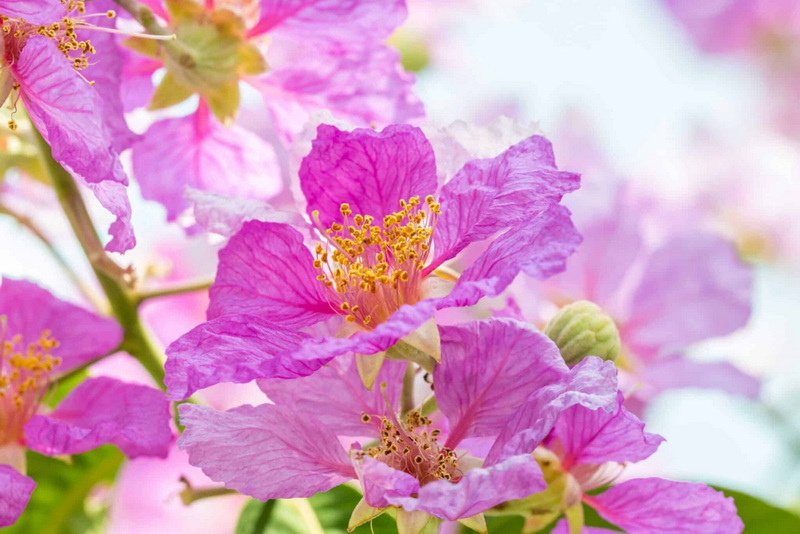
Banaba leaf extract, derived from the Lagerstroemia speciosa tree, has been traditionally used in folk medicine for its antidiabetic properties and other health benefits. This article will delve into the comparison of banaba leaf extract with other herbal supplements, exploring their efficacy, safety, and potential applications.
Introduction to Banaba Leaf Extract
Banaba leaves contain over 40 bioactive compounds, including corosolic acid and ellagic acid, which are key contributors to its medicinal properties. The extract is primarily known for its ability to lower blood sugar levels, making it a popular choice for managing diabetes and metabolic syndrome.
Key Components of Banaba Leaf Extract:
- Corosolic Acid: Known for its hypoglycemic effects, corosolic acid can decrease blood sugar levels within 60 minutes in human subjects.
- Ellagic Acid: Offers antioxidant and potential anticancer benefits.
Comparison with Other Herbal Supplements
1. Berberine
Berberine is another herbal supplement renowned for its antidiabetic properties. Like banaba, it enhances insulin sensitivity and glucose metabolism. However, berberine is more commonly associated with gastrointestinal side effects compared to banaba, which has shown minimal adverse effects in clinical trials.
2. Gymnema Sylvestre
Gymnema sylvestre is known for its ability to reduce sugar cravings and improve insulin sensitivity. While both banaba and gymnema sylvestre have antidiabetic effects, gymnema sylvestre is more focused on reducing sugar intake, whereas banaba directly lowers blood glucose levels.
3. Cinnamon
Cinnamon is a common spice with insulin-sensitizing properties. It is often used to manage blood sugar levels but may not be as potent as banaba extract in lowering glucose levels directly.
4. Fenugreek
Fenugreek seeds are used to improve insulin sensitivity and reduce blood sugar levels. Like banaba, fenugreek has been shown to be effective in managing diabetes but may have more gastrointestinal side effects.
5. Turmeric/Curcumin
Turmeric, containing curcumin, is known for its anti-inflammatory properties. While it does not directly lower blood sugar, it can help manage inflammation associated with diabetes and metabolic syndrome.
Safety and Efficacy of Banaba Leaf Extract
Banaba leaf extract has been extensively studied for its safety and efficacy. It has been found to reduce blood glucose levels significantly without causing adverse effects in both animal and human studies. The extract also exhibits antioxidant, anti-inflammatory, and antiviral activities, making it a versatile herbal supplement.

Potential Applications Beyond Diabetes
Weight Management
Banaba leaf extract has been shown to aid in weight loss by improving insulin sensitivity and reducing triglycerides. This is particularly beneficial for individuals with obesity-related metabolic issues.
Antioxidant and Anti-inflammatory Effects
The high antioxidant content in banaba leaves helps protect against oxidative stress and inflammation, which are linked to various chronic diseases such as cardiovascular disease and neurodegenerative disorders.
Anticancer Potential
In vitro studies suggest that banaba leaf extract may have anticancer properties, although more research is needed to confirm these effects. The antioxidant activity could potentially inhibit cancer cell growth.
Cardiovascular Health
Banaba extract may also contribute to cardiovascular health by reducing triglycerides and LDL cholesterol levels, which are risk factors for heart disease.
Neuroprotective Effects
Some studies indicate that the antioxidants in banaba leaves may offer neuroprotective benefits, potentially helping to prevent or manage neurodegenerative diseases like Alzheimer's and Parkinson's.
Mechanism of Action
Banaba leaf extract works by enhancing insulin sensitivity and promoting glucose uptake in cells. This action is primarily attributed to corosolic acid, which mimics insulin's effects on glucose metabolism. Additionally, the antioxidant properties help mitigate oxidative stress, which is often elevated in diabetic patients.
Dosage and Preparation
The recommended dosage of banaba leaf extract varies depending on the specific formulation and intended use. Typically, extracts containing 1-10% corosolic acid are used. It is essential to consult with a healthcare provider before starting any new supplement regimen.
Integration with Other Supplements
Banaba leaf extract can be combined with other herbal supplements to enhance its effects. For example, pairing it with berberine or gymnema sylvestre may provide synergistic benefits in managing blood sugar levels.
Future Research Directions
While banaba leaf extract shows promise, further research is needed to fully understand its long-term effects and potential interactions with other medications. Additionally, studies on its anticancer and neuroprotective properties could provide valuable insights into its broader therapeutic applications.
Conclusion
Banaba leaf extract stands out among herbal supplements due to its potent antidiabetic effects, safety profile, and additional health benefits. While other supplements like berberine and gymnema sylvestre offer similar benefits, banaba's unique combination of corosolic acid and other bioactive compounds make it a valuable choice for managing metabolic syndrome and related conditions.
Frequently Asked Questions
1. What are the primary benefits of banaba leaf extract?
Banaba leaf extract is primarily used for its ability to lower blood sugar levels and improve insulin sensitivity. It also offers antioxidant, anti-inflammatory, and potential anticancer benefits.
2. How does banaba leaf extract compare to berberine?
Both banaba and berberine are effective in managing blood sugar levels, but banaba has shown fewer side effects in clinical trials. Berberine is more commonly associated with gastrointestinal issues.
3. Can banaba leaf extract aid in weight loss?
Yes, banaba leaf extract can aid in weight loss by improving insulin sensitivity and reducing triglycerides, which are linked to obesity and metabolic syndrome.
4. Are there any known side effects of banaba leaf extract?
No significant side effects have been reported in animal studies or controlled human clinical trials. Banaba is generally considered safe for consumption.
5. How does banaba leaf extract interact with other medications?
There is limited information on the interaction of banaba leaf extract with other medications. It is advisable to consult a healthcare provider before using banaba if you are taking other medications, especially diabetes medications.
Citations:
[1] https://pubmed.ncbi.nlm.nih.gov/22095937/
[2] https://pmc.ncbi.nlm.nih.gov/articles/PMC3468018/
[3] https://www.healthline.com/nutrition/banaba-leaf
[4] https://www.webmd.com/vitamins/ai/ingredientmono-1089/banaba
[5] https://esther-mall.com/blogs/news/effects-of-coleus-banaba-leaf-extract-from-blood-sugar-to-weight-control-3-benefits-of-banaba-leaf
[6] https://www.jstage.jst.go.jp/article/jnsv1973/45/6/45_6_791/_article
[7] https://onlinelibrary.wiley.com/doi/10.1002/ptr.3664
[8] https://www.pchrd.dost.gov.ph/heartnovation/banaba-tablets-standardized-herbal-supplement-with-blood-sugar-lowering-health-benefits/
[9] https://pmc.ncbi.nlm.nih.gov/articles/PMC5067667/
[10] https://www.drugs.com/npp/banaba.html