Content Menu
● Why Neuroinflammation Mitigation Matters for Modern Formulations
● Centella Asiatica Extract – Direct Anti‑Neuroinflammatory Powerhouse
>> Mechanisms: Microglia, Cytokines, and Nrf2/HO‑1
>> Human and Preclinical Insights on Cognitive Function
● Cranberry Extract – Indirect Neuroinflammation Support via Vascular and Systemic Effects
>> Polyphenols, Flavonoids, and Systemic Inflammation
>> Brain Perfusion and Cognitive Outcomes
● Direct Comparison – Centella Asiatica vs. Cranberry Extract for Neuroinflammation
>> Mechanistic and Application Comparison Table
● How Botaniex Can Structure a Neuroinflammation‑Focused Portfolio
>> Positioning Centella Asiatica as the Primary Solution
>> Leveraging Cranberry Extract as a Synergistic Comparator
● Expert‑Level Use Cases and Formulation Concepts
>> Example Formulation Concepts for Brand Owners
● Personal and Practitioner Perspective on Ingredient Selection
● Practical Guidance for Buyers and Product Developers
● Clear CTA – Partner with Botaniex for Neuroinflammation‑Focused Innovation
● FAQs: Centella Asiatica Extract vs. Cranberry Extract for Neuroinflammation
● References
Neuroinflammation sits at the center of many modern brain health challenges, from age-related cognitive decline to neurodegenerative diseases. As both a content strategist and long-time user of brain-support ingredients, I see Centella asiatica extract and cranberry extract increasingly appearing together in neuroprotective formulas—but they are not interchangeable. [pubmed.ncbi.nlm.nih]
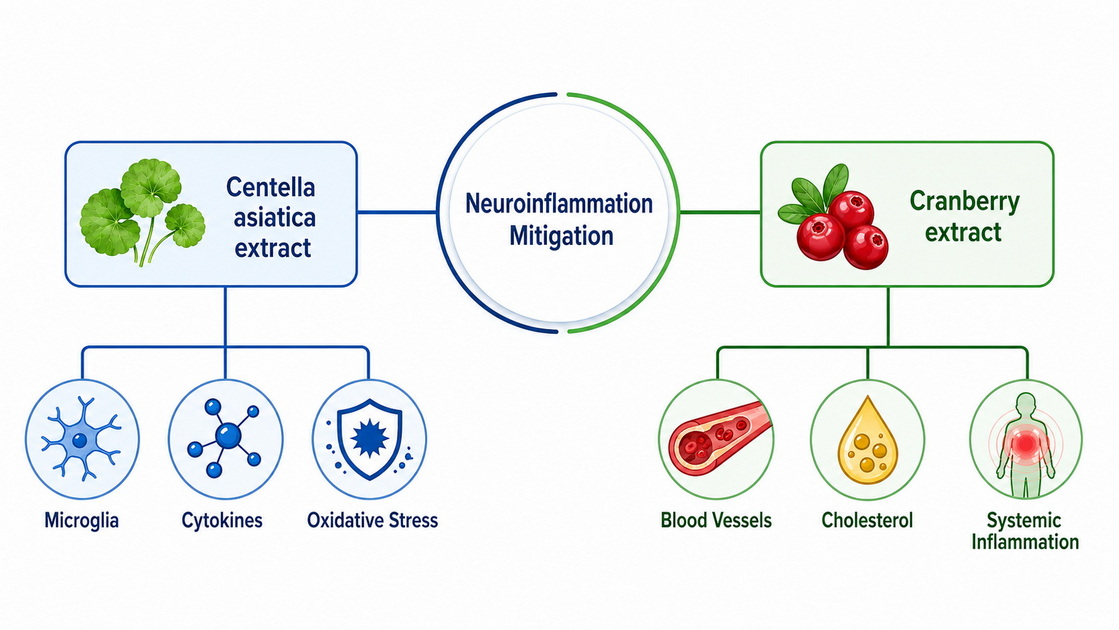
From an industry and expert perspective, Centella asiatica offers more direct anti‑neuroinflammatory activity at the microglial and neuronal level, while cranberry extract contributes via cerebrovascular support, flavonoid-driven antioxidant effects, and systemic inflammation modulation. For brands developing differentiated formulations, understanding these mechanistic differences is critical to positioning Botaniex's Centella asiatica extract as the primary ingredient and cranberry extract as a strategic comparator or co‑star. [naturalhealthresearch]
Why Neuroinflammation Mitigation Matters for Modern Formulations
Neuroinflammation refers to chronic activation of immune cells in the brain—primarily microglia and astrocytes—leading to elevated inflammatory mediators such as TNF‑α, IL‑6, IL‑1β, and nitric oxide. Over time, this state can damage neurons, amplify oxidative stress, and accelerate the path toward cognitive decline and neurodegenerative diseases. [pubmed.ncbi.nlm.nih]
From a product development lens, formulators are increasingly targeting:
- Reduction of microglial overactivation
- Downregulation of pro‑inflammatory cytokines
- Enhancement of antioxidant defense (e.g., Nrf2/HO‑1 pathways)
- Protection of neuronal structures connected to memory and executive function
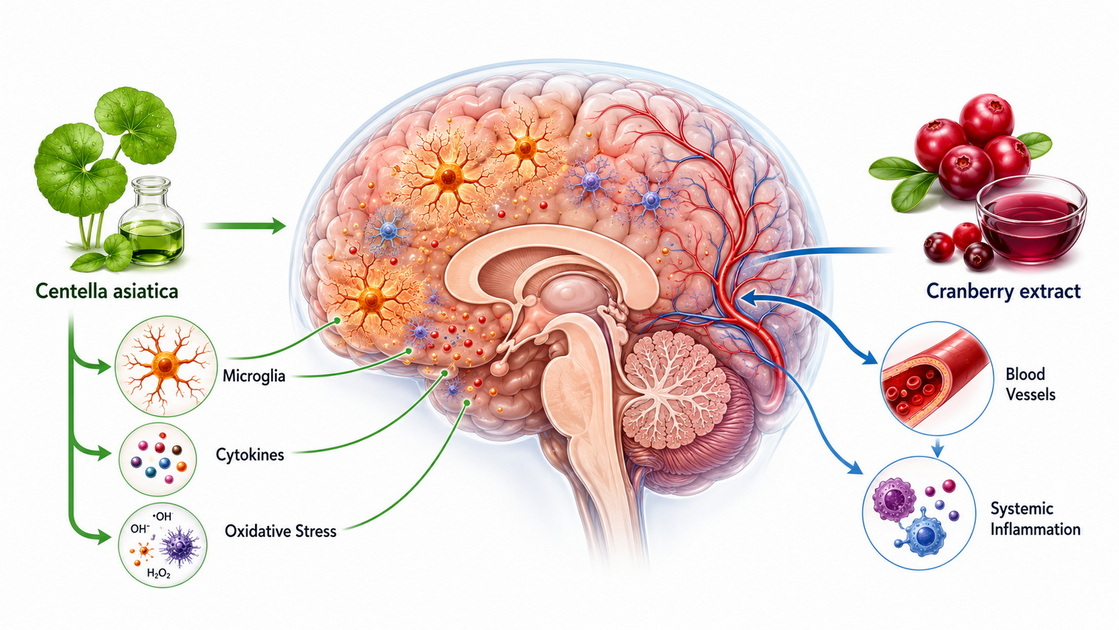
Centella asiatica extract has emerging data directly on these targets, while cranberry extract provides upstream support via circulation, lipid profile improvement, and systemic inflammation control that indirectly benefits brain health. [pedagogyeducation]
Centella Asiatica Extract – Direct Anti‑Neuroinflammatory Powerhouse
Mechanisms: Microglia, Cytokines, and Nrf2/HO‑1
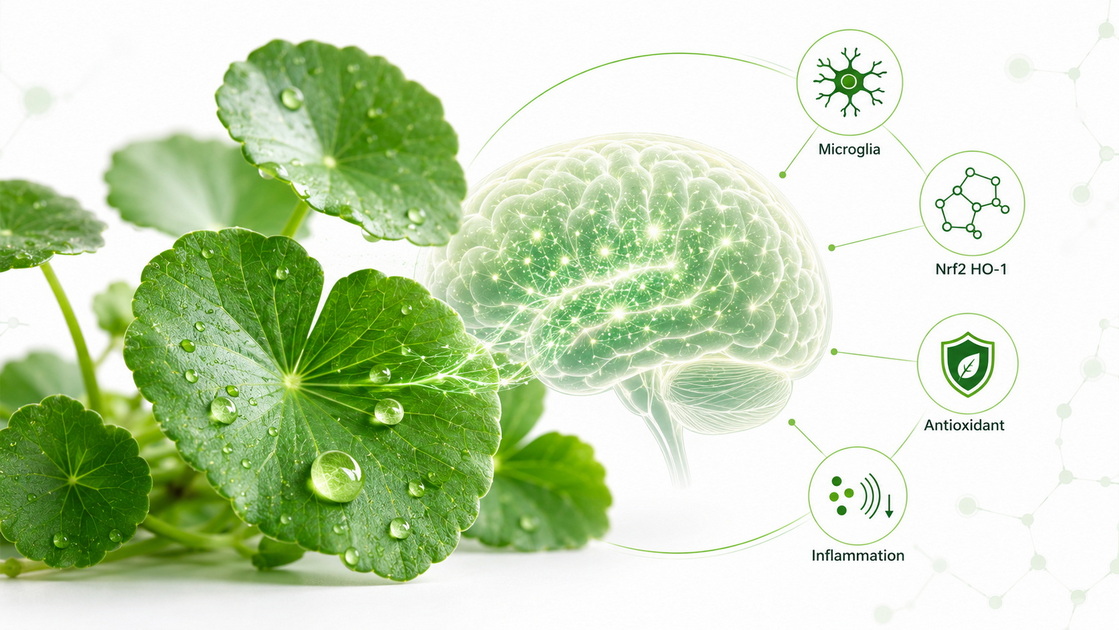
A standardized extract of Centella asiatica (often referred to as SECA) has been shown to significantly reduce nitric oxide (NO), TNF‑α, IL‑6, reactive oxygen species (ROS), and lipid peroxidation in LPS‑induced microglial cells. This indicates a direct anti‑neuroinflammatory effect at the cellular level, which is highly relevant for brain‑focused formulations. [pubmed.ncbi.nlm.nih]
Key mechanistic highlights:
- Microglial modulation: SECA dampens LPS‑induced microglial activation, lowering pro‑inflammatory mediators that drive chronic neuroinflammation. [pubmed.ncbi.nlm.nih]
- Nrf2/HO‑1 activation: The same study showed SECA and its fractions upregulate Nrf2 and HO‑1 protein expression, strengthening endogenous antioxidant defense in brain‑relevant cells. [pubmed.ncbi.nlm.nih]
- Oxidative stress reduction: By reducing ROS and lipid peroxidation, Centella asiatica helps protect neuronal membranes and synaptic structures. [pubmed.ncbi.nlm.nih]
Another study reported that Centella asiatica reduces cell death, NO production, and LDH release in microglia and neuronal cells exposed to LPS and amyloid‑beta, while also decreasing neurodegenerative markers such as APP, α‑synuclein, phosphorylated tau, STAT3, and CASP3. These findings position Centella asiatica extract as a candidate for neuroinflammation‑mediated neurodegenerative conditions, including Alzheimer's and Parkinson's. [pubmed.ncbi.nlm.nih]
Human and Preclinical Insights on Cognitive Function
Preclinical work indicates that water extracts of Centella asiatica can enhance mitochondrial function, promote antioxidant response, and improve cognitive performance, further supporting its role in long‑term brain resilience. For product positioning, this allows brands to connect mechanistic anti‑neuroinflammatory data with functional cognitive outcomes. [alz-journals.onlinelibrary.wiley]
From an expert standpoint, Centella asiatica is particularly suitable for:
- Formulas aiming to protect aging brains under chronic inflammatory stress
- Complex products targeting neurodegenerative risk factors
- Premium nootropics focused on both cellular protection and cognitive performance
Cranberry Extract – Indirect Neuroinflammation Support via Vascular and Systemic Effects
Polyphenols, Flavonoids, and Systemic Inflammation
Cranberries are rich in flavonoids, particularly anthocyanins and proanthocyanidins, which have well‑documented antioxidant and anti‑inflammatory properties. Human studies on cranberry beverages and extracts have shown: [pedagogyeducation]
- Downregulation of inflammatory biomarkers in overweight individuals following chronic consumption of a polyphenol‑rich cranberry beverage. [naturalhealthresearch]
- Reduction in C‑reactive protein (CRP), a key marker of systemic inflammation and cardiovascular risk, after eight weeks of daily cranberry juice extract intake. [arborassays]
While these outcomes are systemic rather than brain‑specific, they are highly relevant to neuroinflammation because chronic low‑grade inflammation and cardiometabolic dysfunction are key upstream drivers of brain inflammation and degeneration. [arborassays]
Brain Perfusion and Cognitive Outcomes
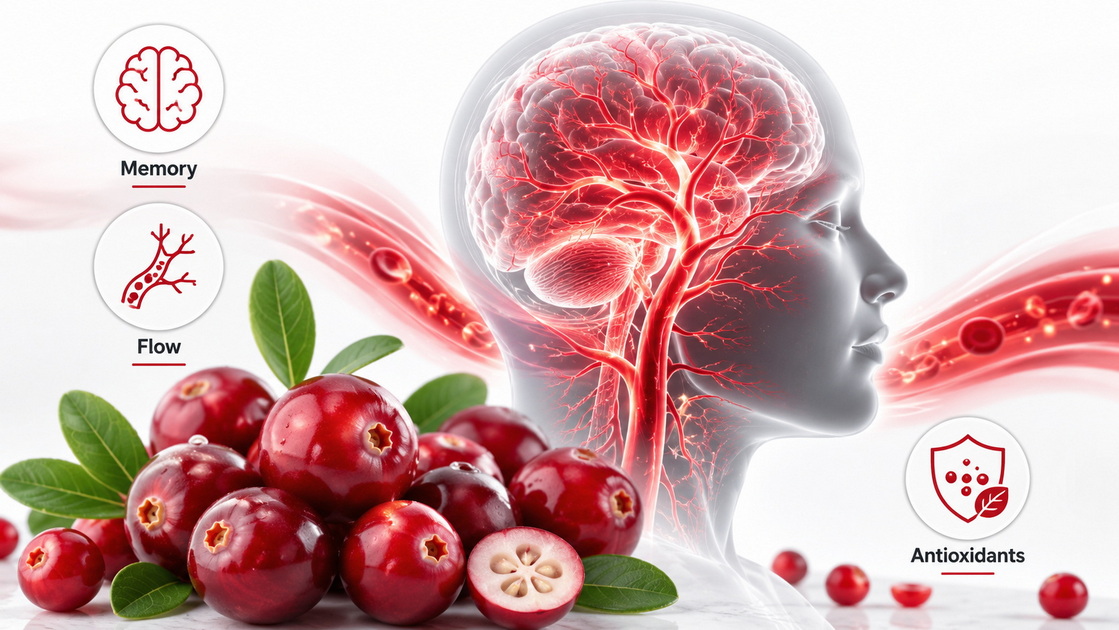
Clinical research has shown that 12 weeks of cranberry intake can significantly improve brain perfusion, visual episodic memory, and neural functioning in older adults. These benefits are believed to be linked to enhanced blood flow to brain regions responsible for memory, likely due to cranberries' flavonoid content. [cranberryinstitute]
From a neuroinflammation mitigation perspective, cranberry extract contributes indirectly by:
- Improving cerebral blood flow and delivery of oxygen and nutrients
- Supporting healthy lipid profiles (e.g., reducing LDL cholesterol) that affect vascular health and inflammation status
- Providing antioxidant capacity that may alleviate oxidative stress upstream of neuroinflammation [naturalhealthresearch]
However, unlike Centella asiatica, the current data for cranberry focuses less on direct microglial or neuroinflammatory marker modulation and more on vascular and systemic pathways with downstream benefits for brain health. [pedagogyeducation]
Direct Comparison – Centella Asiatica vs. Cranberry Extract for Neuroinflammation
Mechanistic and Application Comparison Table
| Aspect | Centella asiatica extract | Cranberry extract |
| Primary neuroinflammation action | Direct modulation of microglial activation and pro‑inflammatory cytokines (TNF‑α, IL‑6, IL‑1β) in brain‑relevant cells. pubmed.ncbi.nlm.nih | Indirect mitigation via reduced systemic inflammation and improved vascular health; limited direct microglial data so far. arborassays |
| Key pathways | Nrf2/HO‑1 activation, NO reduction, ROS and lipid peroxidation decrease, downregulation of APP, α‑synuclein, P‑tau, STAT3, CASP3. pubmed.ncbi.nlm.nih | Flavonoid-driven antioxidant activity, improved HDL, reduced LDL and CRP, enhanced brain perfusion. arborassays |
| Evidence level for neuroinflammation | Strong preclinical evidence in microglial and neuronal cell models; emerging data suggesting relevance for neurodegenerative diseases. pubmed.ncbi.nlm.nih | Clinical evidence for cognitive and vascular benefits; systemic anti‑inflammatory effects documented, but neuroinflammation mechanisms less characterized. arborassays |
| Main formulation role | Primary neuroprotective ingredient targeting neuroinflammation and oxidative damage in the brain. pubmed.ncbi.nlm.nih | Supportive co‑ingredient enhancing vascular, metabolic, and systemic environments that influence brain health. naturalhealthresearch |
| Ideal product types | Nootropics, healthy aging brain formulas, neurodegenerative risk‑mitigation blends, stress and focus complexes. pubmed.ncbi.nlm.nih | Cognitive wellness beverages, cardiovascular–cognition bridge products, antioxidant blends, metabolic health formulas with brain‑health claims. arborassays |
From an expert formulator perspective, Centella asiatica extract is better suited as the hero ingredient when the positioning centers explicitly on "neuroinflammation mitigation," while cranberry extract works best as a synergistic partner ingredient. [pubmed.ncbi.nlm.nih]
How Botaniex Can Structure a Neuroinflammation‑Focused Portfolio
Positioning Centella Asiatica as the Primary Solution
Given Botaniex's specialization in research‑backed botanical extracts and functional herbal formulations for dietary supplements, functional foods, beverages, and cosmetics, Centella asiatica extract can be credibly positioned as a flagship neuroinflammation solution. [botaniex]
Strategic positioning angles include:
- "Standardized Centella asiatica extract for neuroinflammation‑driven brain aging"
- "Microglia‑targeted botanical for next‑generation cognitive formulations"
- "Nrf2/HO‑1 activating Centella asiatica for oxidative and inflammatory brain stress"
Botaniex can further enhance E‑E‑A‑T by emphasizing:
- Controlled extraction technologies optimized for triterpenoid and active fraction consistency
- Internal QC and possible standardization to neuroinflammation‑relevant markers
- Collaboration with customers on customized dosage forms (capsules, beverages, powders) tailored to brain health applications [botaniextract]
Leveraging Cranberry Extract as a Synergistic Comparator
Cranberry extract can be framed as a complementary ingredient in co‑formulations that tie neuroinflammation to cardiovascular, metabolic, and vascular health. For example: [arborassays]
- Healthy aging packs: Centella asiatica (microglia focus) + cranberry extract (vascular and lipid profile support)
- Cognitive‑cardiometabolic bridge formulas: Brain, heart, and metabolism addressed in a single stack
- Ready‑to‑drink functional beverages: Combining cranberry's familiar taste profile with clinically relevant brain‑health narratives
This layered approach lets Botaniex offer customers differentiated formulation blueprints, rather than single‑ingredient commodities, reinforcing its positioning as an innovation‑driven supplier. [botaniextract]
Expert‑Level Use Cases and Formulation Concepts
Example Formulation Concepts for Brand Owners
Below are three expert‑oriented use cases where Centella asiatica and cranberry extract play distinct roles in neuroinflammation mitigation:
1. Healthy Aging Brain Capsule
- Centella asiatica extract (standardized) as the primary anti‑neuroinflammatory agent
- Supportive ingredients: B vitamins, magnesium, and low‑dose cranberry extract for vascular support
- Positioning: "Cellular neuroinflammation and oxidative stress support for adults 50+"
2. Neurovascular Performance Beverage
- Cranberry extract as the flavor and vascular function hero
- Centella asiatica extract in a soluble, taste‑neutral form providing neuroinflammation mitigation
- Positioning: "Daily drink for brain blood flow, focus, and long‑term brain protection"
3. Stress–Neuroinflammation Nootropic Powder
- Centella asiatica extract paired with adaptogens and L‑theanine
- Optional cranberry extract as an antioxidant and metabolic support co‑factor
- Positioning: "Modern stress, inflammation, and cognitive performance support"
For each concept, Botaniex can support partners with customized extract specifications, regulatory documentation, and stability guidance to streamline commercialization. [botaniex]
Personal and Practitioner Perspective on Ingredient Selection
From a practitioner and formulator vantage point, I would reach for Centella asiatica extract when the clinical priority is to address brain‑centric inflammatory stress—such as in populations with high cognitive load, aging concerns, or strong family history of neurodegenerative diseases. Its ability to modulate microglial activation and related markers gives it a clear mechanistic advantage in direct neuroinflammation mitigation. [alz-journals.onlinelibrary.wiley]
Cranberry extract, in contrast, is the ingredient I recommend when we are building a more holistic cardio‑metabolic–brain health platform, focusing on blood flow, lipid management, and systemic inflammation that ultimately shape brain outcomes. The best strategy for advanced brands is not to choose one over the other, but to prioritize Centella asiatica as the neuroinflammation core and use cranberry extract to broaden the health story and consumer appeal. [arborassays]
Practical Guidance for Buyers and Product Developers
For R&D, purchasing, and brand teams working with Botaniex, here are key practical steps to evaluate and deploy these extracts effectively:
1. Clarify your core claim focus.
- If your lead claim centers on "neuroinflammation mitigation" or "microglia modulation," prioritize Centella asiatica extract as the primary active. [pubmed.ncbi.nlm.nih]
- If your lead claim leans toward "cognitive and cardiovascular wellness," integrate cranberry extract in a prominent supportive role. [naturalhealthresearch]
2. Match extract profile to delivery form.
- Use standardized Centella asiatica in capsules, tablets, and stick packs where precise dosing and consistency are critical. [botaniextract]
- Use cranberry in beverages, gummies, and powders to leverage its sensory and consumer familiarity while still supporting neurovascular outcomes. [pedagogyeducation]
3. Leverage Botaniex value‑added services.
- Work with Botaniex on custom blends, solubility optimization, and formulation troubleshooting to ensure neuroinflammation claims remain scientifically credible and label‑friendly. [botaniex]
Clear CTA – Partner with Botaniex for Neuroinflammation‑Focused Innovation
For brands looking to move beyond generic "brain health" claims, Botaniex's Centella asiatica extract offers a science‑aligned path to explicit neuroinflammation mitigation positioning, with cranberry extract available as a synergistic co‑ingredient that enhances vascular and systemic support layers. [botaniextract]
If your team is planning a new cognitive or healthy‑aging launch, now is the ideal moment to engage Botaniex's technical and formulation specialists to:
- Review your current neuro and cognitive portfolio
- Map out where Centella asiatica can replace or upgrade existing botanicals
- Design differentiated co‑formulas incorporating cranberry extract and other synergistic ingredients
Call to action:
Contact the Botaniex team to discuss customized Centella asiatica and cranberry extract solutions tailored to your next neuroinflammation‑focused product line. [botaniex]
FAQs: Centella Asiatica Extract vs. Cranberry Extract for Neuroinflammation
Q1: Is Centella asiatica extract clinically better than cranberry extract for neuroinflammation mitigation?
A1: Based on current evidence, Centella asiatica shows more direct neuroinflammation‑related mechanisms, including microglial modulation and reduction of inflammatory and neurodegenerative markers, whereas cranberry's benefits are more indirect via systemic and vascular pathways. [pedagogyeducation]
Q2: Can Centella asiatica and cranberry extract be used together in one formula?
A2: Yes. Centella asiatica can serve as the primary neuroinflammation ingredient while cranberry extract adds vascular, metabolic, and antioxidant support, resulting in a more comprehensive brain‑health profile. [arborassays]
Q3: What types of products are best suited for Centella asiatica extract?
A3: Centella asiatica is ideal for capsules, tablets, and powders targeting healthy aging, cognitive performance, and neurodegenerative risk mitigation, especially where scientific backing for neuroinflammation is a key differentiator. [alz-journals.onlinelibrary.wiley]
Q4: What dose ranges are commonly used in products with these ingredients?
A4: Specific dose ranges vary by standardization, regulatory environment, and formulation design; brands should work directly with suppliers like Botaniex and consult available literature and regulatory guidance when determining dosing strategies. [botaniextract]
Q5: How can Botaniex support brands in developing neuroinflammation‑focused formulations?
A5: Botaniex provides high‑quality botanical extracts, value‑added formulation services, and technical support to help brands build evidence‑informed products using Centella asiatica and cranberry extract across dietary supplements, functional beverages, and related categories. [botaniex]
References
1. Gupta S. et al. "Neuroprotective effects of Centella asiatica against LPS/amyloid‑beta‑induced neurodegeneration via inhibition of neuroinflammation and neurodegenerative markers." *PubMed*. [Link] [pubmed.ncbi.nlm.nih]
2. Kaur R. et al. "The Standardized Extract of Centella asiatica and Its Fractions Exert Antioxidative and Anti‑neuroinflammatory Effects on LPS‑induced Microglial Cells by Regulating the Nrf2/HO‑1 Signaling Pathway." *PubMed*. [Link] [pubmed.ncbi.nlm.nih]
3. Alzheimer's Association conference abstract. "Investigating the effects of Centella asiatica on neuroinflammation in vivo and in vitro." [Link] [alz-journals.onlinelibrary.wiley]
4. Cranberry Institute. "Study Highlights Benefits of Cranberries for Brain Health." [Link] [pedagogyeducation]
5. Cranberry Institute. "Human Study Finds Memory and Neurological Function Improved by Cranberry Consumption." [Link] [cranberryinstitute]
6. Natural Health Research Institute. "Cranberry Juice Improves Inflammation, Glucoregulation, and HDL Cholesterol in Overweight Individuals." [Link] [naturalhealthresearch]
7. Arbor Assays. "Cranberry Extract Reduces Oxidative Stress Levels." [Link] [arborassays]
8. Botaniex. "Value Added Services." [Link] [botaniex]
9. Botaniex. "Botaniex – Manufacturer of Green Tea Extract, Tongkat Ali Extracts, and Herbal Formulas." [Link] [botaniextract]
10. Botaniex. "Research Backed Botanical Extracts from Professional China Supplier." [Link] [botaniextract]