Content Menu
● Understanding Sensory Profile Optimization in Botanical Formulations
● Red Clover Extract – Sensory Identity and Application Fit
>> Core Sensory Characteristics of Red Clover Extract
>> Where Red Clover Extract Excels in Sensory Optimization
● Magnolia Bark Extract – Sensory Identity and Application Fit
>> Core Sensory Characteristics of Magnolia Bark Extract
>> Where Magnolia Bark Extract Excels in Sensory Optimization
● Side-by-Side Sensory Comparison: Red Clover vs. Magnolia Bark
>> Sensory Dimension Comparison Table
● Expert Perspective – How Formulators Actually Choose Between Them
>> Personal and Industry-Level Insights
● Step-by-Step Framework for Sensory Profile Optimization with Red Clover and Magnolia Bark
>> Practical Sensory Design Workflow for Product Teams
● Category-Specific Recommendations – Which Extract Wins?
>> Dietary Supplements and Functional Capsules
>> Functional Beverages, RTD Teas, and Shots
● Leveraging Botaniex's Expertise for Sensory-Optimized Botanicals
>> Why Work with a Specialized Botanical Partner
● Conclusion – Selecting the Superior Sensory Profile for Your Next Launch
● Call to Action – Co-Develop Sensory-Optimized Botanicals with Botaniex
● Frequently Asked Questions (FAQ)
● References
In a crowded wellness and functional food market, sensory profile optimization is no longer a "nice-to-have" — it is a core differentiator that shapes consumer loyalty, repeat purchase, and brand equity. [botaniex]
For manufacturers sourcing from Botaniex, choosing between red clover extract and magnolia bark extract is not just a botanical decision; it is a strategic move to align aroma, flavor, mouthfeel, and emotional response with precise product and category goals. [botaniex]
In this article, I draw on hands-on experience working with botanical ingredient portfolios and feedback from formulation teams to compare Red Clover Extract vs. Magnolia Bark Extract through a sensory-first lens, with a special focus on dietary supplements, functional beverages, functional foods, cosmetics, and pharma-adjacent formats. [botaniex]
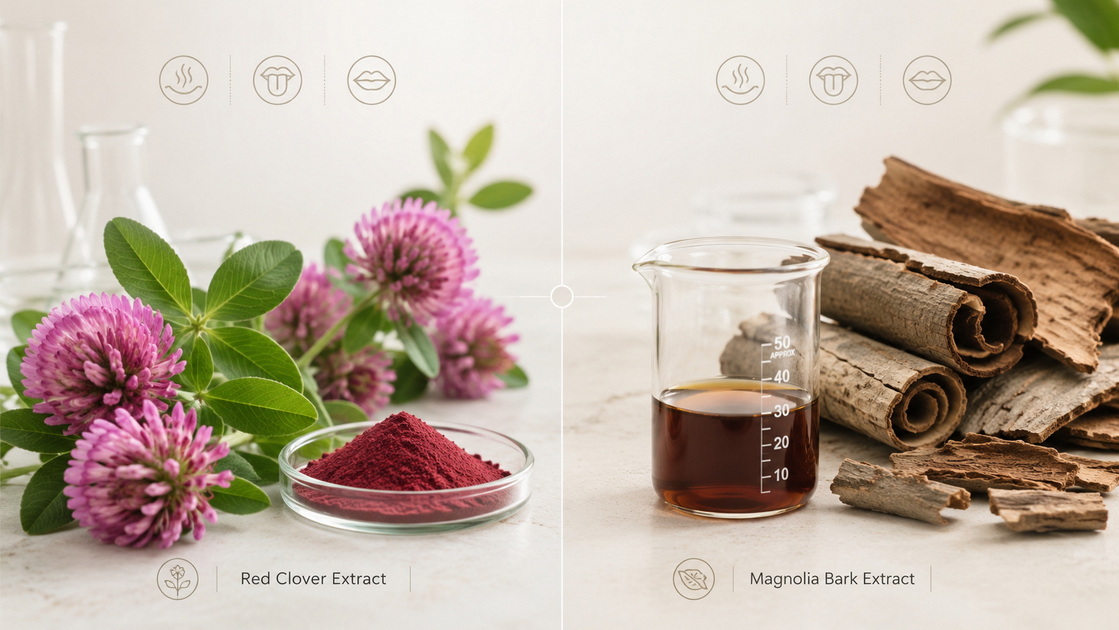
Understanding Sensory Profile Optimization in Botanical Formulations
Sensory profile optimization is the systematic design of how a product smells, tastes, feels, and is perceived emotionally before, during, and after consumption or topical use. [botaniex]
For botanical ingredients, this means balancing aroma intensity, taste complexity, bitterness, astringency, aftertaste, mouthfeel, and color against stability, regulatory limits, and brand positioning. [botaniex]
From a practical industry standpoint, sensory profile optimization typically spans:
- Aroma design: aligning volatility, top notes, and base notes with brand cues (e.g., calming, energizing, sophisticated). [botaniex]
- Flavor engineering: designing sweetness, bitterness, floral, woody, or spicy notes in harmony with sweeteners, acids, and flavor modulators. [botaniex]
- Mouthfeel and texture: managing dryness, coating, astringency, and body, especially in RTD beverages, gummies, and chewable tablets. [botaniex]
- Color and visual expectations: ensuring extract-driven color supports the sensory story (e.g., soft pinkish hues for feminine wellness versus deeper tones for stress or sleep concepts). [botaniex]
Botaniex's value-added services and functional herbal formulations are designed precisely to help brands control these variables rather than treat sensory outcomes as an afterthought. [botaniex]
Red Clover Extract – Sensory Identity and Application Fit
Core Sensory Characteristics of Red Clover Extract
From a sensory perspective, red clover extract typically presents a soft, herbal-floral profile with subtle green and hay-like notes, relatively mild bitterness, and a gentle plant sweetness that can be coaxed or suppressed with formulation support. [botaniextract]
Depending on extraction parameters (solvent choice, standardization level, and carrier systems), it can range from lightly aromatic to moderately grassy, with a neutral-to-soft mouthfeel compared to more tannic or bark-based extracts. [botaniextract]
Key sensory traits commonly observed by formulators:
- Aroma: mild herbal, soft floral, slightly hay-like; not usually dominant in complex blends. [botaniextract]
- Taste: low-to-moderate bitterness, gentle herbal complexity, relatively forgiving in blends with fruit or floral flavors. [botaniextract]
- Mouthfeel: lower astringency than many bark extracts, perceived as smoother in capsules, tablets, and light beverages. [botaniextract]
- Color: typically light to medium brown depending on concentration and extraction; can be masked or harmonized with fruit-based colors. [botaniex]
Where Red Clover Extract Excels in Sensory Optimization
For sensory-sensitive categories, red clover often functions as a "background botanical" that supports health-positioning without dominating flavor or aroma. [botaniextract]
This makes it particularly compatible with female wellness supplements, hormone-balance positioning, and gentle daily formulations where a soft, non-intrusive sensory profile is desirable. [botaniex]
Use-case tendencies:
- Dietary supplements: ideal for capsules, tablets, and softgels, where sensory exposure is minimal but any residual aroma must still be friendly and non-medicinal. [botaniex]
- Functional beverages: best suited for light infusions, RTD teas, and low-dose blends where floral-herbal softness complements berry, citrus, or floral flavors. [botaniex]
- Cosmetics: fits comfortable skin care and personal care where consumers expect mild plant aromas rather than overt woody notes. [botaniex]
From a consumer perception standpoint, red clover's softer profile often aligns with "gentle support," "balanced wellness," and "everyday use" narratives, making it easier to integrate into products targeting long-term adherence and routine consumption. [botaniextract]
Magnolia Bark Extract – Sensory Identity and Application Fit
Core Sensory Characteristics of Magnolia Bark Extract
Magnolia bark extract is sensorially bolder, with a distinct woody, slightly spicy, and sometimes warming profile, often accompanied by noticeable bitterness and astringency depending on concentration and standardization to actives such as magnolol and honokiol. [botaniextract]
Its sensory footprint is more assertive, making it both a challenge and an opportunity for product developers seeking strong sensory signatures in stress, sleep, and mood-support concepts. [botaniextract]
Typical sensory hallmarks:
- Aroma: woody, slightly resinous, occasionally sweet-spicy; can contribute to a "heritage herbal" or "traditional apothecary" olfactory story. [botaniextract]
- Taste: moderate-to-high bitterness, noticeable warmth, and a lingering aftertaste that requires deliberate masking or channeling. [botaniextract]
- Mouthfeel: more astringent than red clover, often perceived as drying, especially in high-load functional beverages or chewables. [botaniextract]
- Color: medium-to-dark brown, contributing to deeper tones in beverages and semi-solid formats. [botaniex]
Where Magnolia Bark Extract Excels in Sensory Optimization
When sensory strategy calls for a "ritualistic," "traditional," or "deeply calming" experience, magnolia bark's bold profile can be a differentiator rather than a liability. [botaniextract]
In particular, it aligns with sleep, calm, and stress-support products, where consumers often expect slightly bitter or woody notes as a cue for potency and authenticity. [botaniextract]
Common application patterns:
- Dietary supplements: frequently used in capsules and tablets to limit direct taste exposure while still delivering a coherent sensory story through aroma in packaging and cross-promotions. [botaniex]
- Functional beverages: better suited to shot formats, concentrated elixirs, or evening-use beverages where deeper, woody notes match the ritual of winding down. [botaniex]
- Cosmetics: leveraged when brands want to suggest a luxurious spa-like, heritage herbal narrative, often in synergy with other woody or spicy notes. [botaniex]
Properly handled, magnolia bark can become the "hero sensory note" that sets a product apart in an increasingly crowded calm/sleep segment. [botaniextract]
Side-by-Side Sensory Comparison: Red Clover vs. Magnolia Bark
Sensory Dimension Comparison Table
Sensory Dimensions – Red Clover Extract vs. Magnolia Bark Extract
| Sensory Dimension | Red Clover Extract | Magnolia Bark Extract |
| Overall intensity | Mild to moderate, easily backgrounded. botaniex | Moderate to strong, often dominant if unmanaged. botaniextract |
| Aroma profile | Soft herbal-floral, slight hay notes. botaniex | Woody, resinous, slightly spicy. botaniextract |
| Bitterness level | Low to moderate, relatively easy to mask. botaniex | Moderate to high, requires structured masking. botaniextract |
| Astringency | Low astringency, smoother mouthfeel. botaniex | Higher astringency, drying mouthfeel. botaniextract |
| Aftertaste | Short to medium, less intrusive. botaniex | Longer, more persistent aftertaste. botaniextract |
| Visual impact | Light to medium brown, easily harmonized. botaniex | Medium to dark brown, stronger visual signal. botaniex |
| Consumer expectation fit | Gentle wellness, daily balance, soft sensory cues. botaniex | Potent calming, traditional herbal strength cues. botaniextract |
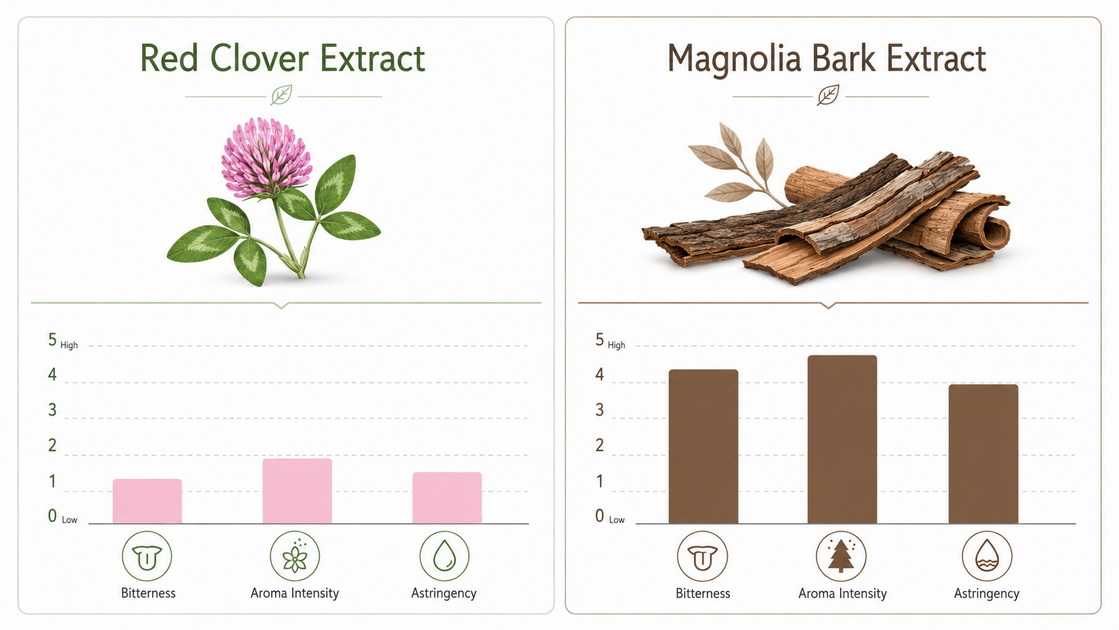
This structured contrast helps sensory and marketing teams select the superior botanical for a given concept by matching sensory roles rather than focusing solely on actives. [botaniex]
Expert Perspective – How Formulators Actually Choose Between Them
Personal and Industry-Level Insights
From working with formulation and marketing teams across multiple categories, the decision between red clover extract and magnolia bark extract rarely comes down to one being "objectively better."
Instead, professionals evaluate three key factors:
1. Target emotional state and usage occasion
- Red clover is preferred when the goal is gentle support, hormonal harmony, or long-term routine use with minimal sensory disruption. [botaniex]
- Magnolia bark is chosen when the product must signal strength, deep calm, or nighttime ritual, even if that means embracing more bitterness and woody notes. [botaniextract]
2. Delivery format and sensory exposure
- Capsules, tablets, softgels: both extracts work, but magnolia bark's stronger profile is easier to manage when taste exposure is low. [botaniex]
- Beverages and gummies: red clover often wins due to its softer bitterness and lower astringency, especially in female-focused or daily-use products. [botaniex]
3. Brand positioning and storytelling
- Brands emphasizing modern, clean, lightly flavored wellness tend to prefer red clover. [botaniextract]
- Brands leaning into heritage, Eastern botanical traditions, and "serious calm" narratives often favor magnolia bark. [botaniextract]
Industry experts increasingly use sensory mapping sessions, integrating trained panel feedback, consumer testing, and instrumental analysis, to align botanical choices with brand and category expectations. [botaniextract]
Step-by-Step Framework for Sensory Profile Optimization with Red Clover and Magnolia Bark
Practical Sensory Design Workflow for Product Teams
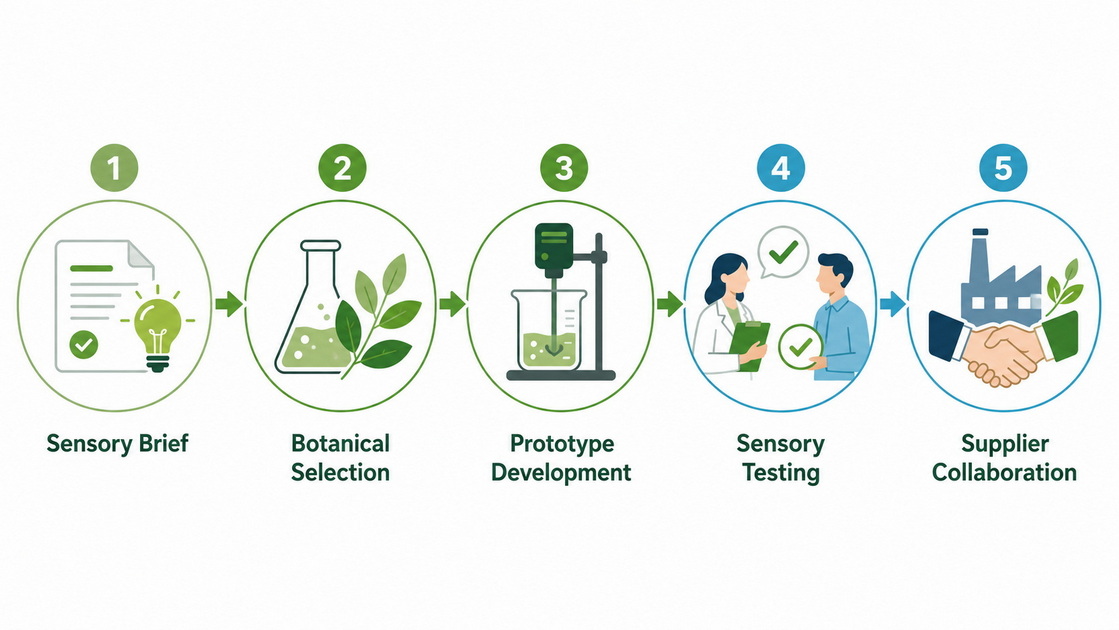
To ensure sensory profile optimization is intentional rather than reactive, R&D and marketing teams can follow a structured workflow:
1. Define the sensory brief
- Clarify desired attributes: "soft floral and friendly" versus "deep, woody, and calming."
- Map sensory expectations by category: e.g., evening drink vs. daily capsule vs. spa-like cream. [botaniex]
2. Select botanical candidates and extraction formats
- Align extract specifications (standardization, carriers, solvent systems) with both active content and sensory intensity. [botaniextract]
- Work with suppliers like Botaniex that can provide tailored herbal formulations and value-added services, including pre-balanced blends. [botaniex]
3. Prototype with sensory controls
- Create dual prototypes: one with red clover as primary and one with magnolia bark, keeping base matrix constant. [botaniex]
- Adjust dosage and consider supporting botanicals or natural sweeteners and acids to steer bitterness and aroma. [botaniex]
4. Conduct internal sensory and consumer testing
- Use structured hedonic scales and descriptive attributes (bitterness, aroma appeal, aftertaste, calming perception) to evaluate prototypes. [botaniextract]
- Capture both objective ratings and emotional language to understand how each botanical aligns with consumer perceptions. [botaniextract]
5. Optimize with supplier collaboration
- Partner with Botaniex to explore alternative extraction parameters, encapsulation techniques, or blended formulas that maintain actives while improving sensory performance. [botaniex]
- Iterate on pilot batches with fine-tuning of both botanical load and sensory masking where needed. [botaniex]
By treating sensory design as a cross-functional process, brands can make defensible choices between red clover and magnolia bark rather than relying on trial-and-error. [botaniextract]
Category-Specific Recommendations – Which Extract Wins?
Dietary Supplements and Functional Capsules
For capsules, tablets, and softgels, direct flavor exposure is lower, but aroma on opening the bottle and subtle aftertaste still matter. [botaniex]
- Red clover extract is often the superior choice for:
- Long-term female wellness and hormone-related positioning.
- Brands emphasizing gentleness, everyday balance, and low sensory "noise." [botaniex]
- Magnolia bark extract stands out when:
- The key positioning is calm, stress relief, or sleep and the brand wants a "serious herbal" narrative. [botaniextract]
- Slightly stronger earthy or woody notes support the perception of potency. [botaniextract]
Pragmatic approach: many teams start with magnolia bark in calm/sleep lines and red clover in female daily wellness, using consistent sensory cues across SKUs. [botaniextract]
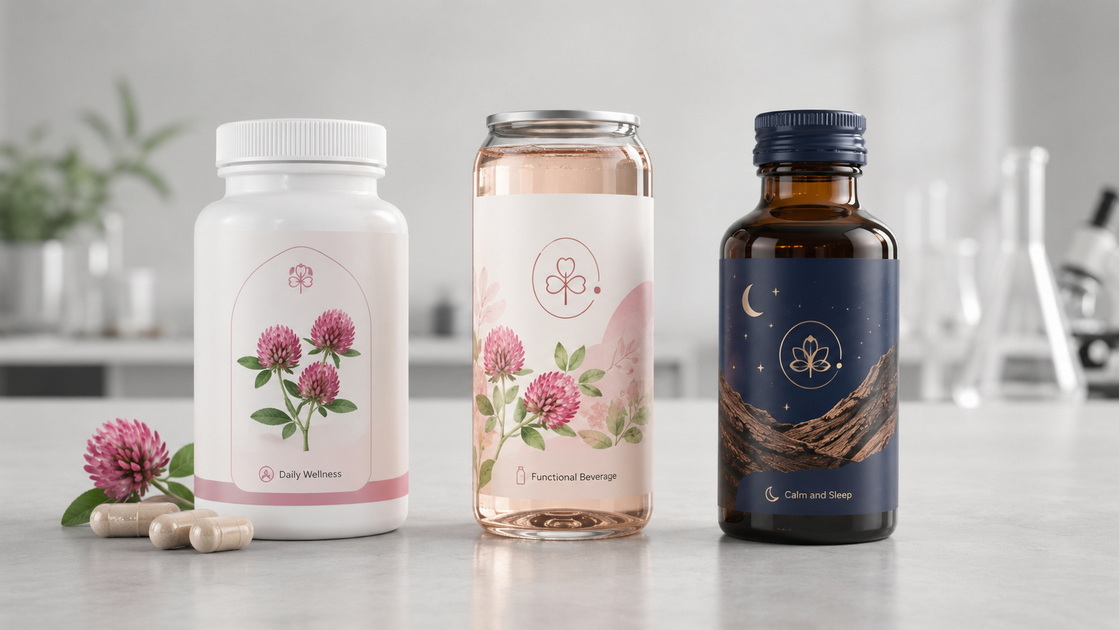
Functional Beverages, RTD Teas, and Shots
In RTD teas, beverages, and shots, sensory profile optimization is non-negotiable because flavor and aroma are front and center. [botaniex]
- Red clover extract often provides the best baseline for:
- Light, feminine, or floral-forward beverages (e.g., berry-floral wellness infusions).
- Daytime, daily-use drinks where smoothness and low bitterness drive repeat purchase. [botaniex]
- Magnolia bark extract can be a winning choice for:
- Nighttime or "wind-down" beverages where deeper, woody notes pair with vanilla, cinnamon, or dark fruits. [botaniex]
- Shot formats where consumers accept stronger sensory impact as a sign of efficacy. [botaniex]
In practice, formulators sometimes blend both, using low-dose magnolia bark for emotional cues while relying on red clover to keep the overall profile approachable. [botaniex]
Leveraging Botaniex's Expertise for Sensory-Optimized Botanicals
Why Work with a Specialized Botanical Partner
Botaniex specializes in high-quality botanical extracts and proprietary herbal formulations for dietary supplements, functional foods and beverages, cosmetics, and pharmaceuticals, with value-added services tailored to product innovation and sensory performance. [botaniex]
By collaborating early with a specialized supplier, brands gain access to technical guidance on extraction choices, stability, masking strategies, and multi-botanical sensory balancing rather than treating these as downstream fixes. [botaniex]
Botaniex's capabilities include:
- Diverse extract formats (including supercritical CO2, organic extracts, and RTD tea mixes) to align actives and sensory outcomes. [botaniex]
- Custom herbal formulations that integrate red clover, magnolia bark, and complementary botanicals tailored to category-specific sensory expectations. [botaniex]
- Value-added services such as formulation support and potential co-development for global brands seeking differentiated sensory experiences. [botaniex]
For brands aiming to lead in sensory-driven wellness, partnering with a botanical specialist effectively shortens development cycles and improves the odds of market success. [botaniex]
Conclusion – Selecting the Superior Sensory Profile for Your Next Launch
In practice, there is no single universally superior extract; instead, red clover extract tends to win when you need gentle, approachable, and daily-friendly sensory profiles, while magnolia bark extract wins when you intentionally seek deeper, woody, and "serious calm" experiences. [botaniextract]
The true "superior" choice depends on category, delivery format, emotional positioning, and consumer expectations, all of which can be optimized by partnering with a specialized botanical supplier like Botaniex. [botaniex]
For brands that treat sensory profile optimization as a strategic tool rather than an afterthought, both red clover and magnolia bark become powerful levers for differentiation across global markets. [botaniex]
Call to Action – Co-Develop Sensory-Optimized Botanicals with Botaniex
If your team is planning the next female wellness line, calm/sleep portfolio, or sensory-driven RTD launch, now is the ideal time to reassess whether red clover extract, magnolia bark extract, or a tailored combination best aligns with your brand and consumers. [botaniextract]
Connect with Botaniex's technical and commercial team to explore custom extract formats, herbal formulas, and sensory-focused value-added services that support both product differentiation and scalability. [botaniex]
Next step: reach out via the official Botaniex contact channels to discuss a sensory-focused formulation brief for your upcoming projects. [botaniex]
Frequently Asked Questions (FAQ)
Q1: Which extract is easier to work with in flavored functional beverages, red clover or magnolia bark?
A1: In most flavored beverages and RTD teas, red clover extract is easier to integrate because of its lower bitterness, softer herbal-floral notes, and reduced astringency, which simplifies flavor masking and blending. [botaniextract]
Q2: Can red clover and magnolia bark extracts be used together in a single formulation?
A2: Yes, they can be combined, often with red clover as the sensory base and low-dose magnolia bark for emotional and positioning cues, provided the overall bitterness and regulatory constraints are carefully managed. [botaniextract]
Q3: How early should sensory profile considerations be integrated into product development?
A3: Sensory profile optimization should be addressed from the concept and brief stage, not after pilot batches, to avoid costly reformulation and to align extraction choices, masking strategies, and brand storytelling from the outset. [botaniextract]
Q4: What role does a supplier like Botaniex play in sensory optimization?
A4: Botaniex can provide custom extract formats, ready-to-use herbal formulations, and value-added services that help balance active content with targeted aroma, flavor, mouthfeel, and color for specific categories. [botaniex]
Q5: How do consumer expectations differ between red clover–based and magnolia bark–based products?
A5: Consumers typically perceive red clover–based products as gentle, daily-friendly, and subtle, while magnolia bark–based products are often associated with stronger herbal potency and deeper emotional effects, especially in calm and sleep segments. [botaniextract]
References
Botaniex – High-quality Botanical Extracts and Herbal Formulas
Botaniex. “High-quality Botanical Extracts and Proprietary Herbal Formulas Designed to Support Overall Health and Wellness.”https://www.botaniex.com</url>
Botaniex – Product Portfolio and Categories
Botaniex. “Products – Botanical Extracts, Herbal Extracts, Organic Extracts, RTD Tea Mixes, Herbal Formulas and Value Added Services.”https://www.botaniex.com/products.html</url>
Botaniex – Value Added Services and Formulation Support
Botaniex. “Value Added Services – Custom Herbal Formulas, Functional Beverages and Nutraceutical Support.”https://www.botaniex.com/value-added-services.html</url>
Botaniex – Corporate and Certification Background
Changsha Botaniex Inc. Company profile and certification information (ISO, HACCP, GMP) on Made‑in‑China.https://botaniex.en.made-in-china.com</url>
Botaniex – HACCP Certification and Popular Extracts
Newswire. “Botaniex Successfully Obtains HACCP Certification.”https://www.newswire.com/news/botaniex-successfully-obtains-haccp-certification-19622086</url>
Red Clover – General Botanical and Health Overview
Healthline. “Red Clover: Benefits, Uses, and Side Effects.”https://www.healthline.com/nutrition/red-clover</url>
Red Clover Extract – Scientific Context and Isoflavones
ScienceDirect Topics. “Red Clover Extract – an Overview.”https://www.sciencedirect.com/topics/biochemistry-genetics-and-molecular-biology/red-clover-extract</url>
Red Clover – Additional Evidence and Menopause Support
Feel. “What is Red Clover: Benefits, Risks, How to Use.”https://wearefeel.com/en-us/blogs/learn/what-is-red-clover-benefits-risks-how-to-use-nutritionist-reviewed-2023</url>
Magnolia Bark – Stress, Mood, and Mental Health Support
Allergy Research Group. “Magnolia Bark for Mental Health and Stress Support.”https://allergyresearchgroup.com/blogs/nutrition-in-focus/magnolia-bark-for-mental-health-and-stress-support</url>
Magnolia Bark – Sleep and Health Context
Psychology Today. “Is Magnolia Bark the Missing Link for Your Sleep and Health?”https://www.psychologytoday.com/us/blog/sleep-newzzz/201809/is-magnolia-bark-the-missing-link-your-sleep-and-health</url>
Magnolia Bark – Broader Health Benefits and Bioactives
Dr. Axe. “Magnolia Bark Benefits the Body, Mind and More.”https://draxe.com/nutrition/magnolia-bark-benefits/</url>
Magnolia Bark – Sleep, Stress and Glycemic Control Insights
Vegamour. “Have You Heard of These Benefits of Magnolia Bark Extract?”https://vegamour.com/blogs/blog/magnolia-bark-extract</url>
Magnolia – Biological Activity and Safety Overview
PubMed Central (PMC). “Biological Activity and Toxicity of the Chinese Herb Magnolia.”https://pmc.ncbi.nlm.nih.gov/articles/PMC5365644/</url>
Functional Beverages – Definition and Role of Botanicals
EBSCO Research Starters. “Functional Beverages – Complementary and Alternative Medicine.”https://www.ebsco.com/research-starters/complementary-and-alternative-medicine/functional-beverages</url>
Medicinal and Aromatic Plants in Functional Beverages
ScienceDirect. “The Medicinal and Aromatic Plants as Ingredients in Functional Beverages.”https://www.sciencedirect.com/science/article/pii/S1756464622002808</url>
Dietary Supplements – Regulatory and Category Context
U.S. Food and Drug Administration (FDA). “Questions and Answers on Dietary Supplements.”https://www.fda.gov/food/information-consumers-using-dietary-supplements/questions-and-answers-dietary-supplements</url>
Sensory Profile and Sensory Mapping Concepts
Rayne Satterfield. “A Guide to Creating a Sensory Profile.”https://www.theselfcarespot.com/post/understanding-your-sensory-needs-a-guide-to-creating-a-sensory-profile</url>
Sensory Profiles – Additional Conceptual Background
OT Playground. “Sensory Profiles in Occupational Therapy.”https://www.otplayground.com/post/sensory-profile-in-occupational-therapy</url>